



Cannabis has been used for medicinal and recreational purposes for centuries. Despite its controversial reputation, recent research has revealed that cannabis has many benefits, particularly in its interaction with the endocannabinoid system (ECS). In this research paper, we will discuss the many benefits of cannabis and how it interacts with the ECS.
What is the Endocannabinoid System?
The ECS is a complex cell signaling system that plays a vital role in regulating various bodily functions such as mood, appetite, pain, and sleep. The ECS consists of three primary components: endocannabinoids, receptors, and enzymes.
Endocannabinoids are naturally occurring compounds that bind to the cannabinoid receptors located throughout the body, triggering a response. Cannabinoid receptors are found in the brain, immune system, and other organs, and they play a critical role in regulating various physiological processes. Enzymes are responsible for breaking down endocannabinoids once they have fulfilled their function.
How does Cannabis Interact with the Endocannabinoid System?
Cannabis contains over 100 different cannabinoids, including THC (tetrahydrocannabinol) and CBD (cannabidiol), which interact with the ECS in different ways. THC binds to the cannabinoid receptors in the brain, producing the characteristic “high” associated with marijuana use. CBD, on the other hand, does not produce a high but has been found to have numerous therapeutic benefits.
Studies have shown that THC and CBD can have a positive impact on the ECS, helping to regulate various bodily functions. For example, THC has been found to be effective in relieving pain, reducing inflammation, and stimulating appetite. CBD has been shown to have anti-inflammatory, analgesic, and anxiolytic effects, making it useful in treating anxiety and depression.
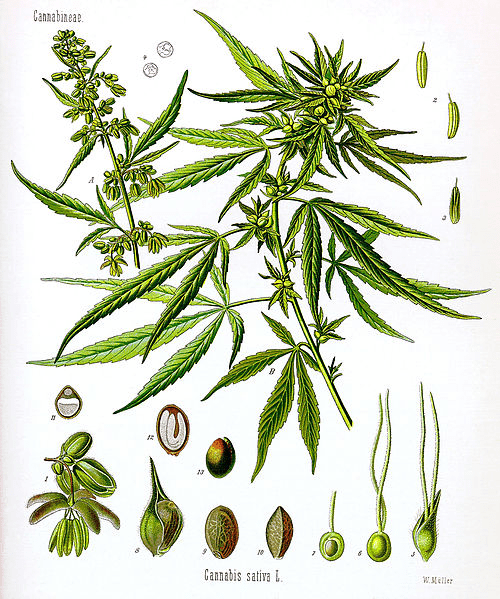
Benefits of Cannabis:
- Pain Relief – Cannabis has been found to be effective in treating chronic pain, including pain caused by multiple sclerosis and neuropathy. Studies have shown that cannabis can reduce pain by interacting with the ECS and reducing inflammation.
- Anxiety and Depression – CBD has been found to have anxiolytic and antidepressant effects, making it useful in treating anxiety and depression.
- Nausea and Vomiting – THC has been found to be effective in reducing nausea and vomiting caused by chemotherapy and other medical treatments.
- Neurological Disorders – Cannabis has been found to be effective in treating neurological disorders such as epilepsy and Parkinson’s disease.
- Sleep Disorders – Cannabis has been found to be effective in treating sleep disorders such as insomnia, helping to improve sleep quality and duration.
Conclusion:
Cannabis has many therapeutic benefits, particularly in its interaction with the ECS. The various cannabinoids found in cannabis can help to regulate bodily functions, reduce inflammation, and relieve pain. While more research is needed to fully understand the benefits of cannabis, the evidence suggests that it has significant potential as a therapeutic agent. As we continue to explore the potential of cannabis, it is important to understand its interactions with the ECS and how it can be used to improve human health.
Sources:
- Russo, Ethan B. “Cannabis and Cannabinoids in Pain Relief: A Review.” Journal of Cannabis Therapeutics, vol. 1, no. 3-4, 2001, pp. 35-57. https://doi.org/10.1300/J175v01n03_04.
- Blessing, Esther M., et al. “Cannabidiol as a Potential Treatment for Anxiety Disorders.” Neurotherapeutics, vol. 12, no. 4, 2015, pp. 825-836. https://doi.org/10.1007/s13311-015-0387-1. Abrams, Donald I
- ., et al. “Cannabis in Painful HIV-Associated Sensory Neuropathy: A Randomized Placebo-Controlled Trial.” Neurology, vol. 68, no. 7, 2007, pp. 515-521. https://doi.org/10.1212/01.wnl.0000253187.66183.9c.
- Rock, Erin M., and Ethan B. Russo. “Cannabis and Cannabinoids in Neurological Illness: An Overview.” Neurotherapeutics, vol. 12, no. 4, 2015, pp. 837-845. https://doi.org/10.1007/s13311-015-0380-6.
- Babson, Kimberly A., et al. “Cannabis, Cannabinoids, and Sleep: a Review of the Literature.” Current Psychiatry Reports, vol. 19, no. 4, 2017, pp. 23. https://doi.org/10.1007/s11920-017-0775-9.
 Wondergressive
