


Nature is a complex tapestry of life, where beauty often comes hand in hand with danger. Among the countless species inhabiting our planet, certain animals stand out due to their lethal capabilities. This article delves into some of the deadliest animals on Earth, their unique characteristics, and the reasons behind their fearsome reputation.
The Power of Poison: The Box Jellyfish
Often considered one of the world’s most venomous creatures, the box jellyfish carries enough toxin to kill 60 humans. Inhabiting the warm coastal waters around the Pacific and Indian Oceans, their tentacles—covered with tiny, venom-filled darts—deliver a potentially fatal sting that can cause heart failure, paralysis, and death in minutes.
Venomous Royalty: The King Cobra
The King Cobra, the world’s longest venomous snake, can deliver a neurotoxic venom capable of killing a full-grown elephant. Found predominantly in forests from India through Southeast Asia, this snake’s bite can lead to paralysis and death due to respiratory failure.
The Invisible Killer: Mosquitoes
Despite their small size, mosquitoes are the deadliest animals on Earth. They are responsible for hundreds of thousands of deaths every year by transmitting diseases like malaria, dengue fever, and Zika virus. Their global presence and ability to spread disease make them a significant public health concern.
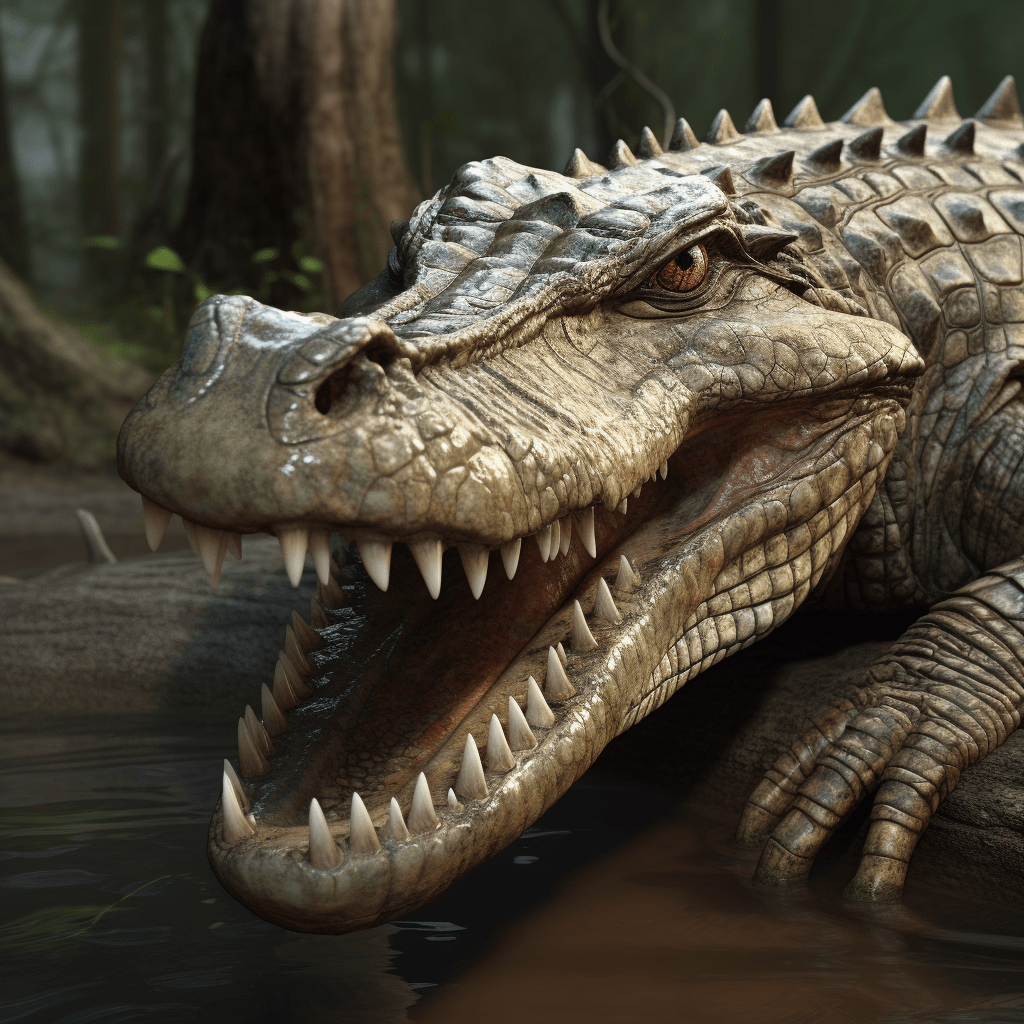
Underwater Stealth: The Saltwater Crocodile
The Saltwater Crocodile is the largest living reptile and an apex predator in its environment. They are known for their strength, speed, and ferocity. With a powerful bite and stealthy approach, they have been known to kill humans who venture too close to their aquatic habitats.
The African Terror: The Hippopotamus
Though they may appear docile, hippos are one of the most dangerous animals in Africa. They are highly aggressive and territorial, and with a bite force that can crush a small boat, they are responsible for an estimated 500 deaths per year in Africa.
Understanding the Danger
While these animals pose a significant threat, it’s essential to remember that they typically only attack when threatened or provoked. Respect for these creatures and their habitats can prevent most negative encounters. Furthermore, while the lethality of these animals is a cause for caution, it also highlights the incredible diversity and power of life on Earth.
Conclusion: Nature’s Deadly Wonders
The world’s deadliest animals remind us of the raw power and complexity of the natural world. They command our respect and curiosity, and their existence contributes to the delicate balance of our planet’s ecosystems. While they may inspire fear, understanding these creatures can also inspire awe and a greater appreciation for the myriad forms that life on Earth can take.
 Wondergressive