


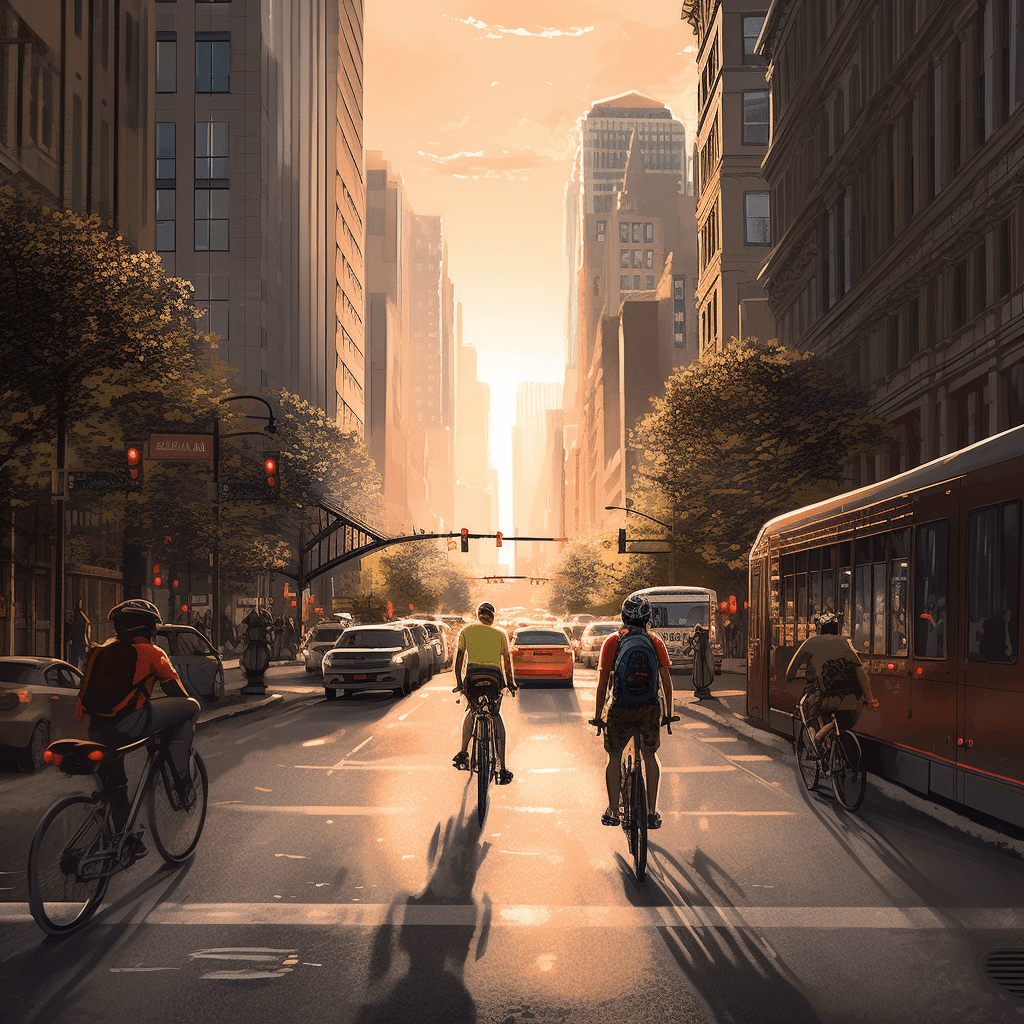
Pioneering Urban Mobility
Imagine a city where pedestrians and cyclists have a thriving network of roads where they can travel safely, efficiently, and enjoyably. Chicago, with its rich culture, bustling energy, and diverse landscapes, has the potential to become such a place. Here are some of the best streets that, if converted into pedestrian and bike-only thoroughfares, could revolutionize the way Chicagoans move about their city.
1. State Street
Running through the heart of the Loop, State Street is one of Chicago’s most iconic roads. Converting it to a pedestrian and bike-only street could create a lively promenade, filled with opportunities for street-side dining, open-air markets, and pedestrian-friendly shopping experiences. The transformation could enhance the already vibrant street life, providing a sustainable and enjoyable way for residents and tourists alike to explore the city’s core.
2. Clark Street in Andersonville
Andersonville’s Clark Street, known for its unique local businesses, inviting atmosphere, and cultural heritage, is ripe for transformation. Pedestrianizing this street could foster a more vibrant, walkable community, promoting local businesses while enhancing the neighborhood’s Swedish roots.
3. 18th Street in Pilsen
Pilsen’s 18th Street, the neighborhood’s commercial heart, could be transformed into a vibrant public space. This transformation would not only make it safer for pedestrians and cyclists but could also turn the area into a dynamic cultural corridor that celebrates Pilsen’s rich Mexican-American heritage.
4. Milwaukee Avenue in Wicker Park
Known as “the hipster highway,” Milwaukee Avenue is one of Chicago’s busiest bike routes. Converting it to a pedestrian and bike-only road could create a safer environment for cyclists while maintaining the corridor’s status as a hub for unique shops, eclectic restaurants, and vibrant nightlife.
5. The Magnificent Mile
North Michigan Avenue, also known as the Magnificent Mile, is a bustling shopping district. Its conversion to a pedestrian and bike-friendly road could revolutionize the shopping experience, making it more enjoyable for both locals and tourists. Imagine strolling or cycling down the Magnificent Mile, taking in the sights without the noise and congestion of vehicular traffic.
6. Armitage Avenue in Lincoln Park
Armitage Avenue, with its quaint boutiques, historic buildings, and cozy cafes, is one of Lincoln Park’s most charming streets. Its transformation could create a neighborhood oasis, where residents and visitors can leisurely explore the area’s offerings and enjoy the surrounding green spaces.
Implementing Change: The Need for Community Involvement and Sustainable Planning
Turning these roads into pedestrian and bike-friendly spaces won’t happen overnight. It requires comprehensive planning, infrastructure upgrades, and importantly, community engagement. Residents, business owners, and other stakeholders should have a say in the transformation process, ensuring that the changes meet the community’s needs while promoting sustainable urban mobility.
Conclusion: Envisioning a Pedestrian and Bike-friendly Chicago
Converting these roads into pedestrian and bike-only paths could transform Chicago into a city that champions sustainable and inclusive mobility. By repurposing these spaces, we can create a healthier, more connected city, where people — not cars — are at the heart of our urban environment.
The idea is bold, the process will be challenging, but the result could be a transformative step towards a greener, more livable, and more vibrant Chicago. Let’s not just imagine this future; let’s start building it.
 Wondergressive