


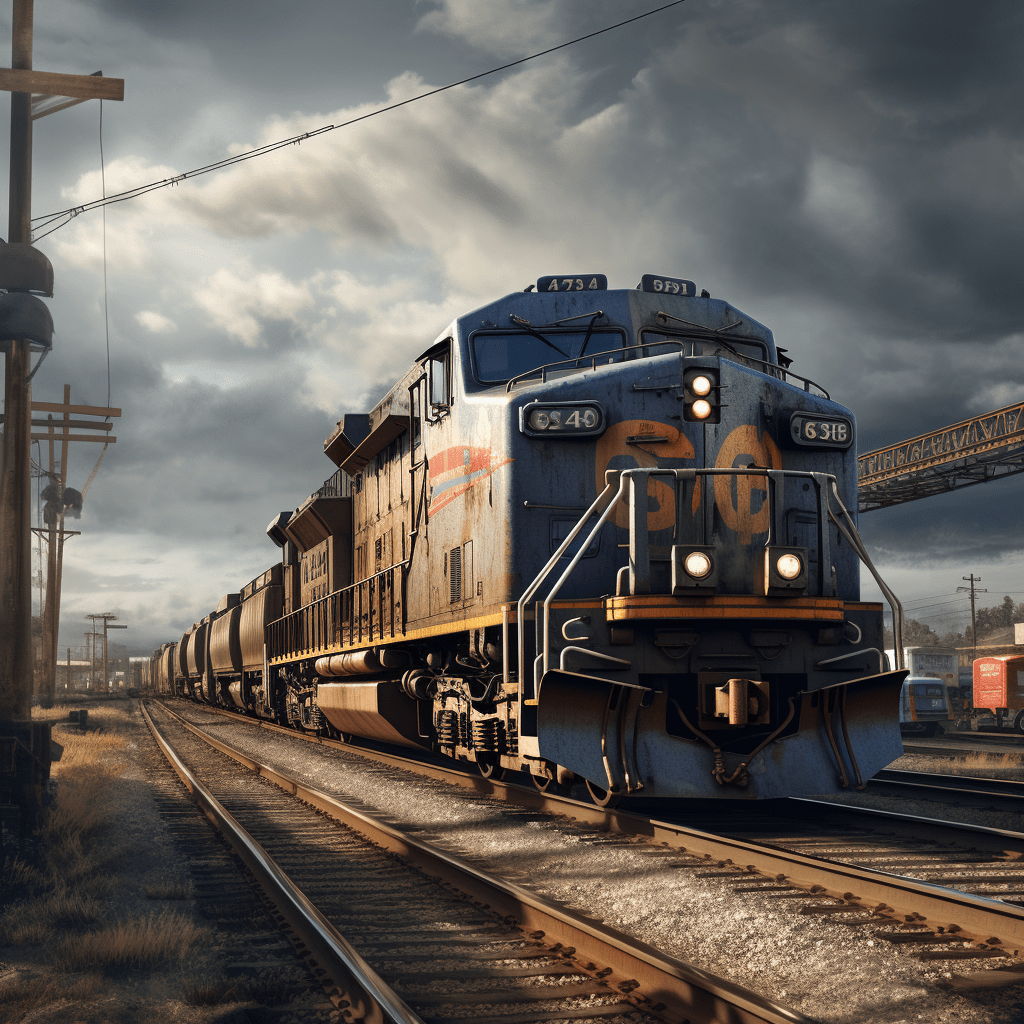
The Current State of Rail
The United States’ rail network is one of the world’s most extensive, with a complex tapestry of passenger and freight lines crossing the country. Yet, it is also highly fragmented, with numerous private operators vying for track space. But what if the government decided to nationalize the system? What would be the steps to achieving this, and what would it mean for the nation’s transport future?
1. Establishing Legislative Groundwork
The first step would involve creating the legislative framework necessary for nationalization. This would likely be a substantial legislative task, requiring Congress to pass a law detailing the acquisition process, management structure, and future operation of the nationalized rail system. A robust legal foundation is essential to ensure a smooth transition and continued operation of the railways during the process.
2. Valuation and Acquisition
Once the legislative groundwork is established, the government would need to value and acquire the assets of the existing rail companies. This would involve detailed audits and negotiations with each company to agree on a fair price for their assets. The acquisition would likely take several years to complete and could be fraught with legal challenges from companies unwilling to sell.
3. Management and Governance Structure
With the rail assets under government ownership, the next step would be to establish the management and governance structures for the new national rail system. This would involve setting up a new federal agency or expanding an existing one like the Federal Railroad Administration (FRA). This agency would be responsible for managing the system’s day-to-day operations, strategic planning, and ongoing maintenance and investment.
4. Integrating Operations
One of the most significant challenges would be integrating the various systems currently in operation. This would involve unifying signaling systems, operating procedures, and staffing policies. It could also involve substantial infrastructure upgrades to ensure all parts of the system meet a consistent standard of safety and efficiency.
5. Standardizing Services
Another major task would be standardizing services across the country. This would mean ensuring all trains run on a consistent schedule, with uniform pricing structures and service levels. A nationalized rail system could also introduce new services to underserved areas, expanding the network’s reach and ensuring equitable access to rail transport.
6. Financing the Transition
Nationalizing the rail system would come with a substantial price tag. Financing this transition would require either increased taxes, borrowing, or a combination of both. The government would need to make a clear case to the public and lawmakers about the benefits of nationalization to secure the necessary funding.
Conclusion: The Future of U.S. Rail Transport
Nationalizing the U.S. rail system would be a monumental task, but it also offers exciting potential benefits. A unified, nationally controlled rail system could ensure consistent service across the country, enhance connectivity, and promote equitable access to transport. It could also allow for better strategic planning and investment, leading to a more robust and efficient rail system.
While there are significant hurdles to overcome, the idea of a nationalized rail system presents an intriguing vision for the future of U.S. transport. It’s a vision of a connected nation, where high-quality rail service is a public good accessible to all, and where the railways once again play a central role in the country’s economic and social life.
 Wondergressive