


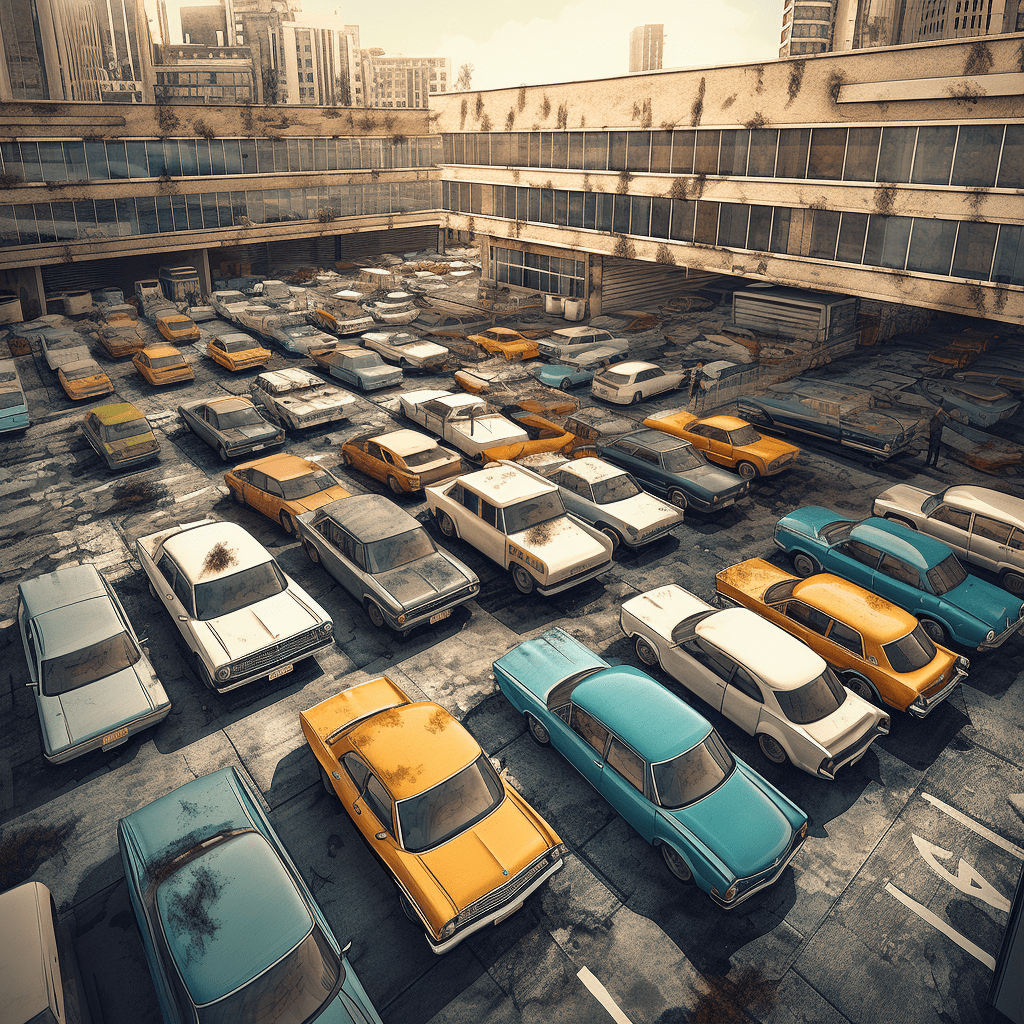
The Urban Tapestry of New York
New York, the “City that Never Sleeps,” is teeming with architectural marvels, lush parks, and bustling streets. However, it also hosts an extensive network of parking lots. As the city gravitates towards sustainable and community-centric development, repurposing these underutilized spaces presents an exciting opportunity. Here are the top 10 parking lots ripe for removal to unlock New York City’s future potential.
1. Madison Square Garden Parking Lots
Madison Square Garden, a historic landmark, is surrounded by vast parking spaces. These lots could be transformed into a mixed-use development, encompassing affordable housing, green spaces, and retail, enhancing connectivity and vibrancy around the Garden while providing much-needed urban resources.
2. Yankee Stadium Parking Garages
The vast parking garages around Yankee Stadium are typically underutilized, especially outside of game days. This area offers a prime opportunity for transformation, potentially into a mix of affordable housing, parks, and commercial spaces. Such changes could bring the community closer to the Stadium, fostering a sense of neighborhood pride and identity.
3. Jacob K. Javits Center Parking Lots
The Jacob K. Javits Convention Center, while vital for city events, is surrounded by extensive parking lots. These could be reimagined as a combination of green spaces, public plazas, and transit-oriented development, enhancing the neighborhood’s walkability and the visitor experience.
4. Port Authority Bus Terminal Parking Spaces
The parking lots around the Port Authority Bus Terminal serve a practical purpose but disrupt the area’s aesthetic and pedestrian flow. By transforming these lots into mixed-use developments or community spaces, we can enhance the area’s livability, contributing to a more vibrant and welcoming urban environment.
5. Battery Parking Garage
Situated near Battery Park, this parking garage occupies valuable waterfront real estate. Its transformation could lead to a high-quality public space or a mixed-use development that improves public access to the waterfront, boosts local business, and complements the scenic beauty of Battery Park.
6. Queens Center Mall Parking Lots
Queens Center Mall, though a popular shopping destination, is surrounded by sprawling parking lots. These spaces could be transformed into a combination of green spaces, affordable housing, and retail outlets, significantly enhancing the quality of life in the local community and contributing to the overall vibrancy of Queens.
7. Citi Field Parking Lots
Citi Field, the home of the New York Mets, is surrounded by large parking lots that are often underused. These lots offer a prime opportunity for transformation into recreational areas, mixed-use developments, or cultural hubs, enhancing the connection between the stadium and its surrounding neighborhoods.
8. Staten Island Ferry Terminal Parking Lots
The parking lots around the Staten Island Ferry Terminal could be better utilized as a transit-oriented development, incorporating retail, commercial, and public spaces. This could improve the commuter experience and make the terminal more than just a transit hub, but a destination in its own right.
9. JFK Airport Long-Term Parking Lots
The expansive parking lots around JFK Airport offer an interesting opportunity for repurposing. These could be transformed into logistics hubs, renewable energy facilities, or transit-oriented developments, thereby improving the airport’s efficiency, reducing its environmental footprint, and enhancing its contribution to the local economy.
10. Barclays Center Parking Lots
While Barclays Center is a renowned sports and entertainment venue, its surrounding parking lots disrupt the urban fabric. These spaces could be redeveloped into a mixed-use neighborhood that incorporates affordable housing, commercial spaces, and public amenities, adding to the area’s vitality and inclusivity but also ensure that the Center is better integrated into the fabric of Brooklyn.
Conclusion: Towards a Revitalized New York
New York’s identity is continually evolving, and these parking lots offer a unique opportunity for transformation. They have the potential to reshape neighborhoods and, in turn, the entire cityscape. However, these changes require thoughtful planning, community engagement, and a commitment to sustainable and equitable development.
By converting these lots into spaces that serve communities, we can work towards a more connected, vibrant, and sustainable New York. This shift from car-centric to people-centric urban design will foster healthier, more engaging neighborhoods, ensuring that the city remains a dynamic global leader.
Repurposing these parking lots can aid New York in its journey towards a more sustainable and resilient future, a city that champions its residents’ well-being over vehicular convenience. Parking lots may be a part of the city’s past, but they hold the keys to its future. Let’s embrace these opportunities and, together, reimagine a better New York.
 Wondergressive