

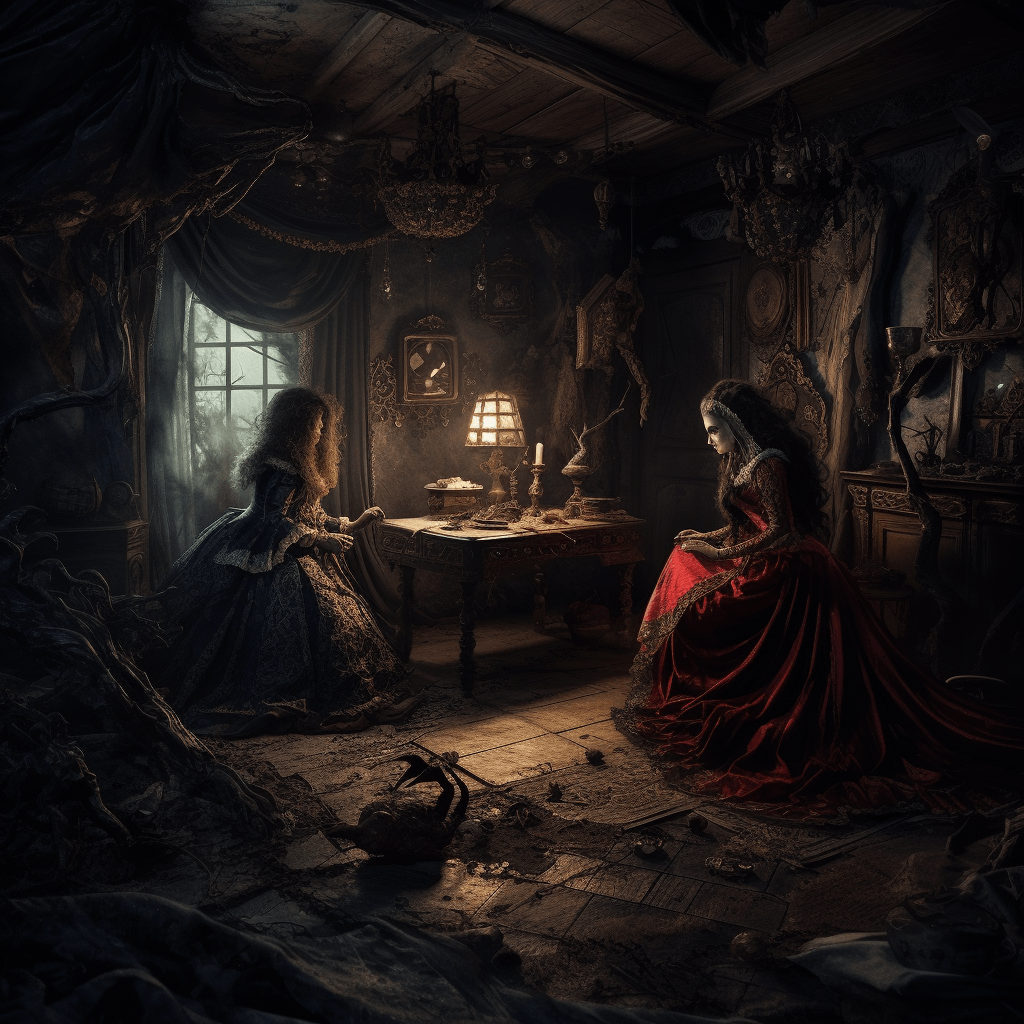
When we think of fairies, images of diminutive, winged creatures flitting about in an enchanted forest may spring to mind—courtesy of modern literature and pop culture. Yet, traditional folklore paints a strikingly different picture of these mythical beings. Rooted in ancient cultures and passed down through generations, stories of fairies often reveal them to be far more complex and, at times, decidedly sinister.
The world of fairies, also known as the ‘fairy realm’ or ‘fae,’ is rich and diverse, with these entities varying widely across different cultures. They range from benign nature spirits to tricksters, and even malevolent entities. One common thread, however, is their strong connection with the natural world, and their perceived role in influencing human fate and fortune.
In many European traditions, fairies are portrayed as powerful beings that should be treated with caution. One example is the Irish ‘banshee,’ a fairy who heralds death with her mournful wail. Then there are the ‘sluagh,’ malicious spirits that fly in groups like flocks of birds, known for trying to steal away the souls of the recently deceased.
The Celtic folklore of the British Isles also harbors chilling tales. ‘Changelings’ are fairy children left in place of human infants they’ve stolen away. A similar unsettling narrative is found in Scandinavian lore, where ‘trolls’—a type of fairy—are known to kidnap human children and replace them with their own offspring.
The fairies of these tales aren’t always merely malicious; often, they are capricious, their intentions inscrutable to human understanding. The Scottish ‘Seelie’ and ‘Unseelie’ courts divide fairies into benevolent and malevolent groups, yet even the ‘Seelie,’ while less inclined to harm, could be provoked into mischief or revenge if disrespected.
Among these fairy stories, it’s clear that one does not cross into the fairy realm lightly. Many tales warn of humans becoming lost in time upon entering the fairy realm, with a few moments equating to years in the human world. There are numerous stories of humans lured by fairy music or fairy food, only to be trapped in the fairy realm, unable to return.
So why this dark portrayal? One theory is that these tales served as cautionary parables, warning children and adults alike to respect the unseen forces of nature, and to remain wary of the unknown. They could also reflect societal fears and offer an explanatory framework for life’s unpredictabilities, such as unexplained illnesses, sudden misfortunes, or even the changing of the seasons.
Another perspective sees the portrayal of fairies as a form of social control or moral instruction. For example, fairies were often said to punish neglectful parents by stealing away their children, thus serving as a stark warning against poor parental behavior.
While they might seem distant from the winged sprites of modern imagination, these more menacing fairies have endured in our collective memory. They remind us of our deep and sometimes uneasy relationship with the natural world. They caution against overstepping boundaries, taking undue risks, or neglecting our duties.
They also invite us to acknowledge the dual nature of existence—that life is a blend of light and shadow, benevolence and malevolence, order and chaos. In their own uncanny way, these tales of dark fairies challenge us to navigate the complexities of our world with wisdom, respect, and a healthy dose of caution.
In the end, these darker fairy tales offer us more than mere entertainment. They provide insight into our ancestors’ understanding of the world and human nature. They mirror the complexities of life and the human psyche. In their captivating narratives, fairies serve as symbols of forces beyond human control and understanding. From this perspective, fairy tales were not just mere flights of fancy; they were instruments for making sense of the world, reflecting the hopes, fears, and values of their time.
In modern times, these tales of dark fairies continue to resonate. They’ve found a home in numerous works of literature, from the chilling tales of the Brothers Grimm to the rich world-building of authors like Holly Black and Neil Gaiman. Today, they serve as reminders of our collective past, compelling us to remember and respect the power of the unseen, the mystery of the natural world, and the ever-present duality of light and darkness in life.
Moreover, these narratives have a unique ability to engage our curiosity and ignite our imagination. They urge us to delve deeper into the mysteries of existence, to confront our fears, and to question our assumptions. They invite us to view the world through a more nuanced lens, reminding us that things are rarely as simple as they seem.
Thus, as we delve into the fascinating realm of fairy folklore, we are not only exploring tales of magical beings but also embarking on a journey into the heart of human nature and the mysteries of the world we inhabit. These tales of dark fairies, with their eerie beauty and chilling resonance, serve as testament to our timeless quest for understanding, meaning, and connection with the forces that shape our world.
In conclusion, the portrayal of fairies in folklore as malevolent or mischievous creatures is a reflection of humanity’s attempt to explain and navigate the complex, often intimidating world around them. These fascinating tales provide a compelling glimpse into our collective past, offering profound insights into our relationship with nature, our fears and hopes, and our understanding of good and evil. Far from mere mythical entities, these fairies from folklore continue to intrigue and inspire, inviting us to explore the deeper mysteries of our existence and our place in the cosmos.
 Wondergressive