


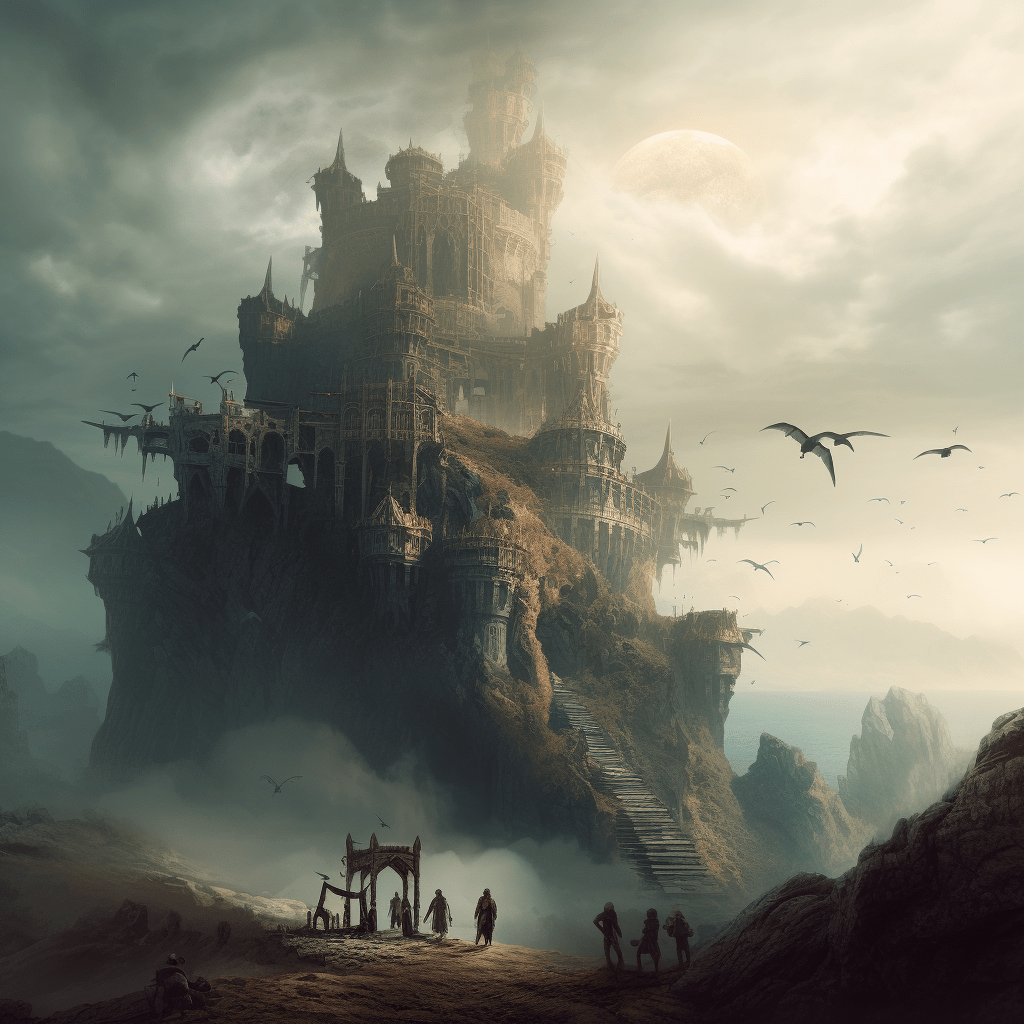
In the realm of literature, fantasy novels have long captivated readers, transporting them to worlds where dragons soar in the skies, magic shapes reality, and heroes embark on epic quests. These books not only ignite our imagination, but also profoundly influence literature, culture, and even our understanding of society and human nature. Here, we’ll delve into some of the most influential fantasy novels ever created.
The cornerstone of modern fantasy literature is undoubtedly J.R.R. Tolkien’s “The Lord of the Rings”. First published in the mid-20th century, this epic saga weaves a tale of good and evil, friendship, and heroism, set in the meticulously crafted world of Middle-earth. Tolkien’s work set the standard for world-building and has significantly shaped the conventions of the fantasy genre. Its influence permeates not just literature but also film, video games, and music.
C.S. Lewis’ “The Chronicles of Narnia” series, starting with “The Lion, the Witch, and the Wardrobe”, is another iconic entry. Aimed primarily at children, these books introduced philosophical and religious elements into fantasy storytelling, wrapped up in thrilling adventures in the magical realm of Narnia. Lewis’ blend of enchantment and moral lessons has been a guiding influence in children’s fantasy literature.
Ursula K. Le Guin’s “A Wizard of Earthsea”, the first in the Earthsea Cycle, redefined the genre by incorporating themes of balance, harmony, and self-discovery. The tale of young wizard Ged, struggling with the consequences of his own arrogance, introduced a depth of psychological insight rarely seen in the genre before. Her books paved the way for fantasy to tackle complex themes and ethical dilemmas.
“The Last Unicorn” by Peter S. Beagle is often considered one of the greatest fantasy novels of the 20th century. This poignant tale of a unicorn searching for her lost kin introduced a lyrical, almost poetic style to fantasy prose, showing that fantasy could be as literarily robust as any genre.
In recent decades, fantasy has continued to evolve, producing groundbreaking work. “A Song of Ice and Fire” series by George R.R. Martin, beginning with “Game of Thrones”, gained worldwide acclaim. The series’ moral ambiguity, intricate plotlines, and complex characters significantly expanded the scope and depth of fantasy storytelling, showcasing the genre’s potential for sophisticated and mature narratives.
J.K. Rowling’s “Harry Potter” series has also left an indelible mark on the genre. The story of a young wizard’s growth and struggle against the dark wizard Voldemort has become a global phenomenon, affecting not only literature but also film, theatre, and even theme parks. Its influence on young adult fantasy and its role in creating a new generation of fantasy readers cannot be overstated.
Philip Pullman’s “His Dark Materials” trilogy, with its blend of adventure, theology, and coming-of-age narrative, pushed the boundaries of young adult fantasy. This series, beginning with “The Golden Compass”, challenged traditional portrayals of authority and belief, showcasing the genre’s capacity for philosophical and social commentary.
Despite the diversity in style, theme, and audience, these influential novels share a common thread: They tap into our innate desire for wonder and adventure, while simultaneously reflecting on human nature, society, and our place in the world. Through their fantastic landscapes and compelling narratives, these works have shaped the fantasy genre, challenged literary conventions, and expanded our imaginative horizons.
These novels have not only enriched the genre, they have also influenced our wider cultural landscape, inspiring countless adaptations, spin-offs, and derivative works. Their impact resonates beyond their pages, evident in everything from blockbuster films and successful TV series to video games and iconic cosplay conventions.
Modern titles such as N.K. Jemisin’s “The Fifth Season” from the “Broken Earth” series and Patrick Rothfuss’ “The Name of the Wind” from “The Kingkiller Chronicle” series continue to push boundaries. They challenge conventions, introducing diverse characters and exploring complex themes like systemic oppression, environmental catastrophe, and the nature of storytelling itself. They stand as proof that the fantasy genre remains a vital and innovative field of literature.
These influential fantasy novels, from the well-established classics to the groundbreaking contemporaries, form an integral part of our literary canon. They are more than just flights of fancy, offering layers of insight into human behavior, societal structures, and philosophical musings.
In conclusion, fantasy novels have exerted a profound influence on our cultural psyche. They challenge us to dream, to venture into the uncharted realms of imagination, and to confront our deepest fears and highest hopes. By pushing the boundaries of what is possible in narrative and thought, these works remind us of the transformative power of literature.
While each novel mentioned is significant in its own right, their collective impact is truly monumental. They have not only shaped the genre of fantasy, marking its evolution and breadth, but have also fundamentally influenced the way we perceive literature. As readers, these books invite us to embark on extraordinary journeys, proving that in the realm of fantasy, the only limit is the boundary of our imagination.
 Wondergressive