


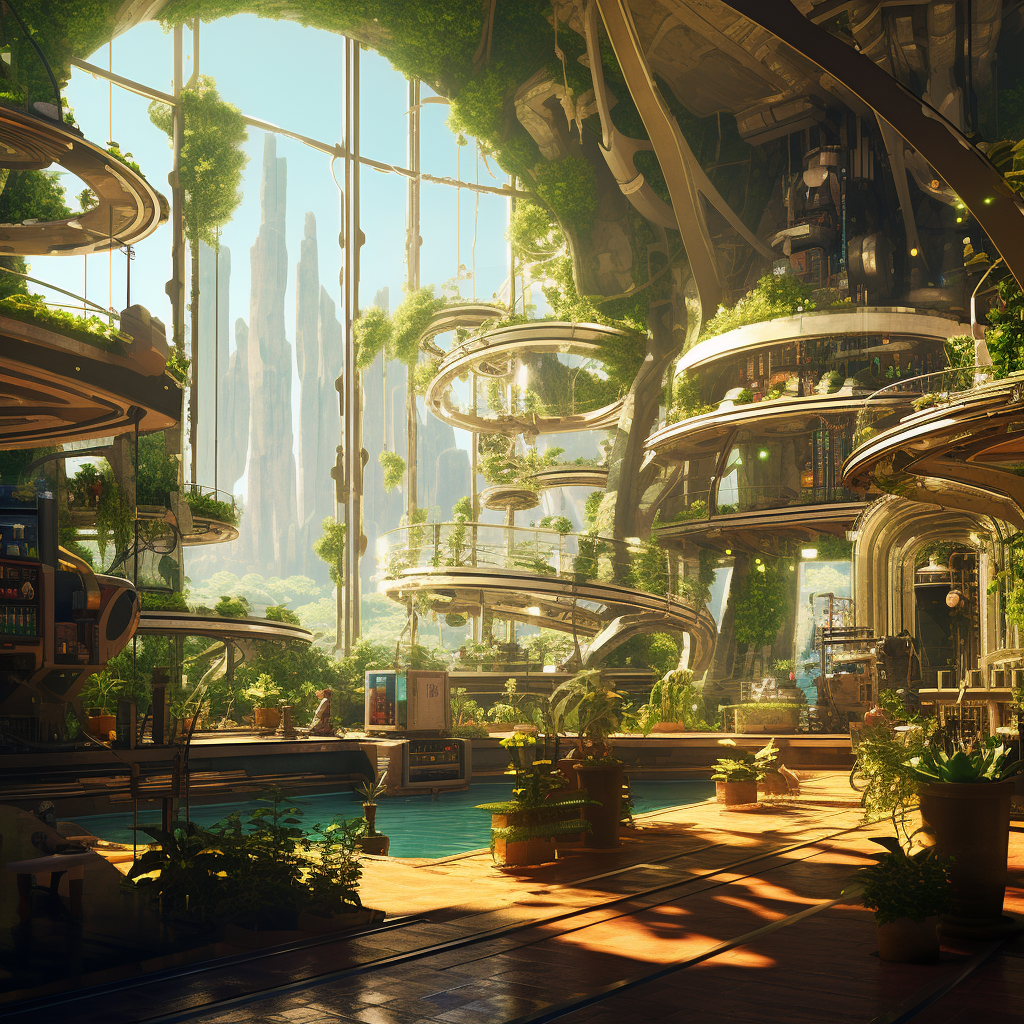
In the quest for a sustainable future, a new movement is gaining traction—Solarpunk. It is a philosophy rooted in harmony with nature, advanced renewable technologies, and inclusive communities. Solarpunk paints a picture of a world where high-tech, low-impact infrastructure drives communities towards a sustainable future. This article explores the most effective and impactful ways to transform a community into a solarpunk paradise.
The Solarpunk Vision
Solarpunk is more than just a science fiction sub-genre; it is a way of life that seeks to reinvent our relationship with technology and ecology. It aspires to a future where humanity thrives symbiotically with nature, using the power of the sun, wind, and water to create sustainable, resilient communities.
Harnessing Renewable Energy
A core tenet of the solarpunk movement is the widespread use of renewable energy, particularly solar power. Transitioning to renewable energy sources is not only environmentally beneficial, but it also fosters energy independence, reducing reliance on external energy providers.
Community Solar Projects
Community-based solar projects are excellent starting points. Shared solar farms or solar cooperatives allow a group of individuals to harness solar power collectively. Every member benefits from the energy generated, reducing utility costs and carbon footprints simultaneously.
Residential Solar Panels
Installing solar panels on rooftops is another effective step. Solar panels now come in various sizes, enabling homes of all dimensions to harness sunlight. While the upfront cost can be significant, the long-term savings and the potential to sell excess power back to the grid make it a worthwhile investment.
Sustainable Architecture
Solarpunk architecture isn’t just about clean energy; it’s about designing and building structures that work with, rather than against, the natural environment.
Green Buildings
Green building design incorporates energy-efficient technologies and materials, optimized for local climates. From passive cooling and heating systems to smart glass that adjusts transparency with sunlight intensity, these technologies can drastically reduce a building’s carbon footprint.
Vertical Gardens and Green Roofs
By incorporating green spaces in and on buildings, communities can improve air quality, provide habitat for local fauna, and reduce urban heat island effects. Plus, these green spaces offer aesthetic and mental health benefits, creating a relaxing atmosphere within an urban setting.
Community Gardening and Local Food Production
Local food production reduces dependence on industrial agriculture and long supply chains, significantly reducing the community’s carbon footprint. It also fosters a sense of community spirit and resilience.
Urban Farming
Even in densely populated areas, urban farming can flourish. Transforming vacant lots into vegetable gardens, or even setting up hydroponic systems in apartment buildings, can supply fresh produce to the community while sequestering carbon and reducing waste.
Food Forests
Food forests are self-sustaining, layered gardens that mimic natural ecosystems. They provide an array of food from different plant types—fruit trees, berry shrubs, and edible ground covers—all in one space. It’s biodiversity at its best, creating resilient, low-maintenance food sources.
Promoting Sustainable Transportation
Emission-free transportation is essential for a solarpunk community. From shared electric vehicles to enhanced cycling infrastructure, communities can make significant strides in reducing their transportation-related emissions.
Bicycle Infrastructure
Improving and expanding bike lanes encourages more residents to use bicycles for daily commuting, reducing carbon emissions and improving public health.
Electric Vehicle Sharing
Community-based electric vehicle sharing programs can provide accessible and eco-friendly transportation options. Shared EVs reduce the number of vehicles on the road, leading to lower emissions and less congested streets.
Conclusion
Building a solarpunk community is not a utopian dream but a feasible reality that combines innovation, sustainability, and community spirit. It is a radical act of optimism, daring to envision and work towards a future where humanity lives in harmony with nature, propelled by clean, renewable energy. From harnessing solar power and embracing green architecture to cultivating local food sources and promoting sustainable transportation, every step towards a solarpunk community is a step towards a more resilient and sustainable future. As more communities adopt the solarpunk philosophy, we move closer to a world where technology serves both humanity and the planet in a balanced symbiosis. The solarpunk movement is not just about survival—it’s about thriving in a world we all want to live in.
 Wondergressive