


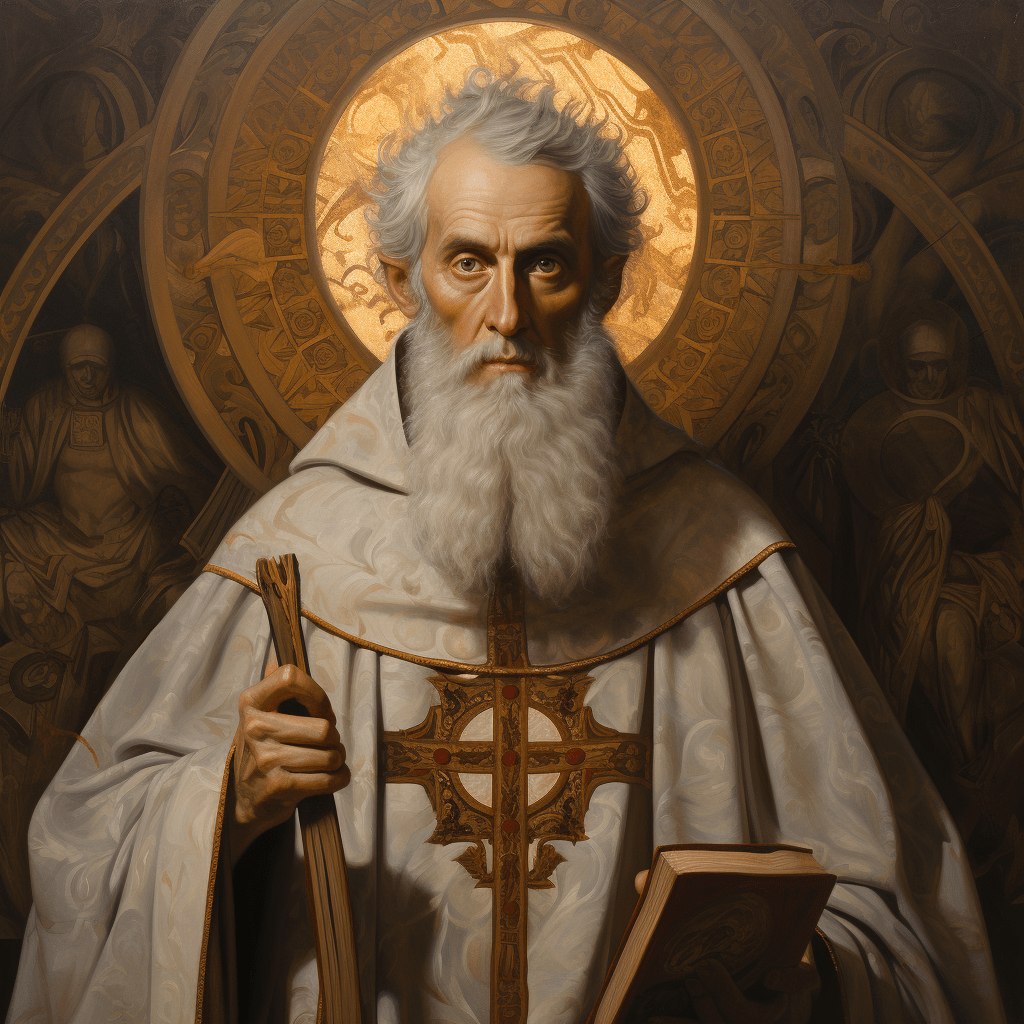
Incorruptibility is a belief system upheld by the Roman Catholic and Eastern Orthodox Church, which suggests that divine intervention allows some human bodies to avoid the normal process of decomposition after death. These individuals, often saintly figures, have their bodies miraculously preserved.
Noteworthy Incorruptible Saints
Saint Bernadette of Lourdes is perhaps the most famous incorruptible saint. She passed away in 1879, and her body reportedly hasn’t decomposed since. Her preserved body lies in a glass coffin at the Chapel of Saint Gildard in Nevers, France, and has become a site of pilgrimage. Other incorruptible saints include Saint Catherine Labouré, Saint Vincent de Paul, and Saint John Vianney, whose bodies are also on public display.
The Science Behind Incorruptibility
The incorruptibility of saints has been subject to scientific inquiry and debate. Some scientists and skeptics propose that preservation could be due to environmental conditions or post-death treatment of the body, like mummification or embalming. Despite these scientific explanations, the Catholic Church maintains that these bodies are preserved by divine intervention.
Incorruptibility in the Modern World
In the present day, the idea of incorruptibility remains a part of Catholic belief, but the Church is more cautious in declaring a saint incorruptible. The Vatican now requires rigorous investigation before making any such claim, often involving a team of independent scientists to rule out natural causes of preservation.
Conclusion
The concept of incorruptible saints is a fascinating intersection of faith and science. It is a testament to the enduring power of religious belief, even in the face of scientific skepticism.
 Wondergressive