


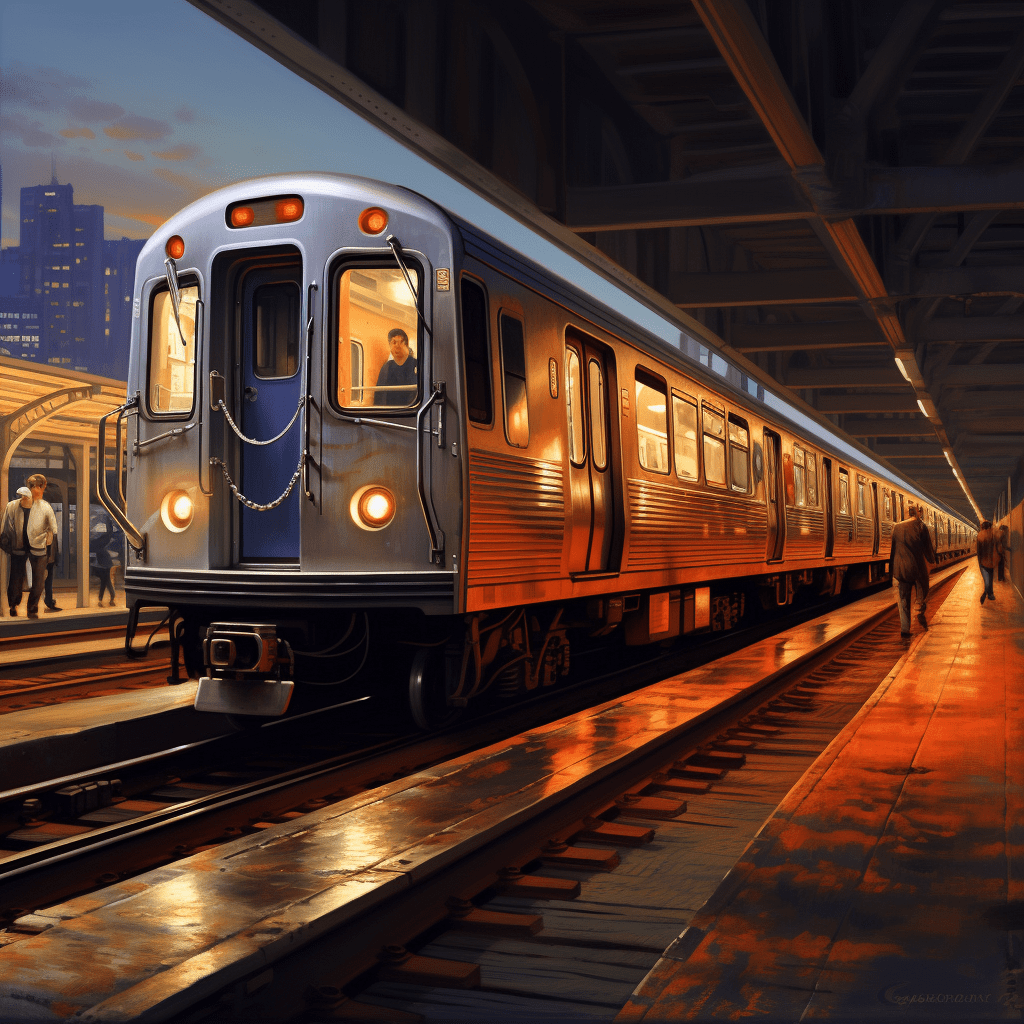
Public transportation is the lifeblood of any bustling city, and Chicago, with its diverse populace and vibrant neighborhoods, is no exception. The Windy City’s public transit system has been a fixture for over a century. However, with the advent of new technologies and an increased focus on sustainability and accessibility, it’s high time we examine how we can improve public transit in Chicago. Here are the most impactful ways to do so.
1. Expanding Rail Services
The Chicago Transit Authority’s (CTA) ‘L’ system is iconic, but it does not extend to all neighborhoods or suburbs, leading to disparities in service. Expanding rail services to these areas can enhance accessibility and convenience, reducing reliance on personal vehicles and helping to decrease traffic congestion.
2. Increasing Frequency of Service
One of the biggest challenges faced by transit riders is long wait times, particularly during non-peak hours or in less dense neighborhoods. Increasing the frequency of buses and trains, especially during off-peak times, can significantly improve the user experience and encourage more people to utilize public transit.
3. Modernizing Infrastructure
Upgrading and modernizing aging infrastructure is paramount. This includes renovating stations to make them more user-friendly and accessible, as well as updating rails and buses for increased efficiency. This can also involve integrating technology, such as digital kiosks and real-time transit information, to enhance rider experience.
4. Prioritizing Sustainability
Embracing green technologies such as electric buses can reduce the environmental impact of public transit, while also lowering operational costs in the long term. Building bike lanes and providing bike-sharing facilities near transit stations can promote multi-modal transit and reduce carbon footprints.
5. Implementing Fare Policies
Implementing fare policies that are equitable and affordable can help to increase ridership and make public transportation a more appealing option for all residents. This could include discounted fares for low-income riders or fare capping, where riders are only charged up to a certain amount each day or week.
6. Enhancing Safety Measures
Adequate lighting, surveillance cameras, and a visible security presence can make stations and vehicles safer for all riders. This is crucial for encouraging usage during all hours and enhancing the perception of public transit as a secure mode of transportation.
7. Engaging Community Involvement
Engaging community involvement through open forums, town halls, or digital platforms can foster a sense of ownership and inclusion in public transit decisions. This can lead to better understanding of community needs and tailor solutions accordingly.
8. Partnering with Ride-Share and Bike-Share Companies
Partnering with local ride-sharing and bike-sharing companies can help to address the ‘last mile’ problem – the challenge of getting riders from transit stops to their final destinations. Offering bundled services or shared pricing models could provide a seamless travel experience for riders.
Conclusion
Revamping public transit in Chicago requires a multifaceted approach that addresses current shortfalls while also anticipating future needs. By prioritizing accessibility, sustainability, and community engagement, we can create a public transit system that not only meets the needs of all residents but also contributes to a greener, more equitable Chicago. This will require significant investment, but the long-term benefits – reduced congestion, improved air quality, increased mobility – make it an investment worth making.
 Wondergressive