


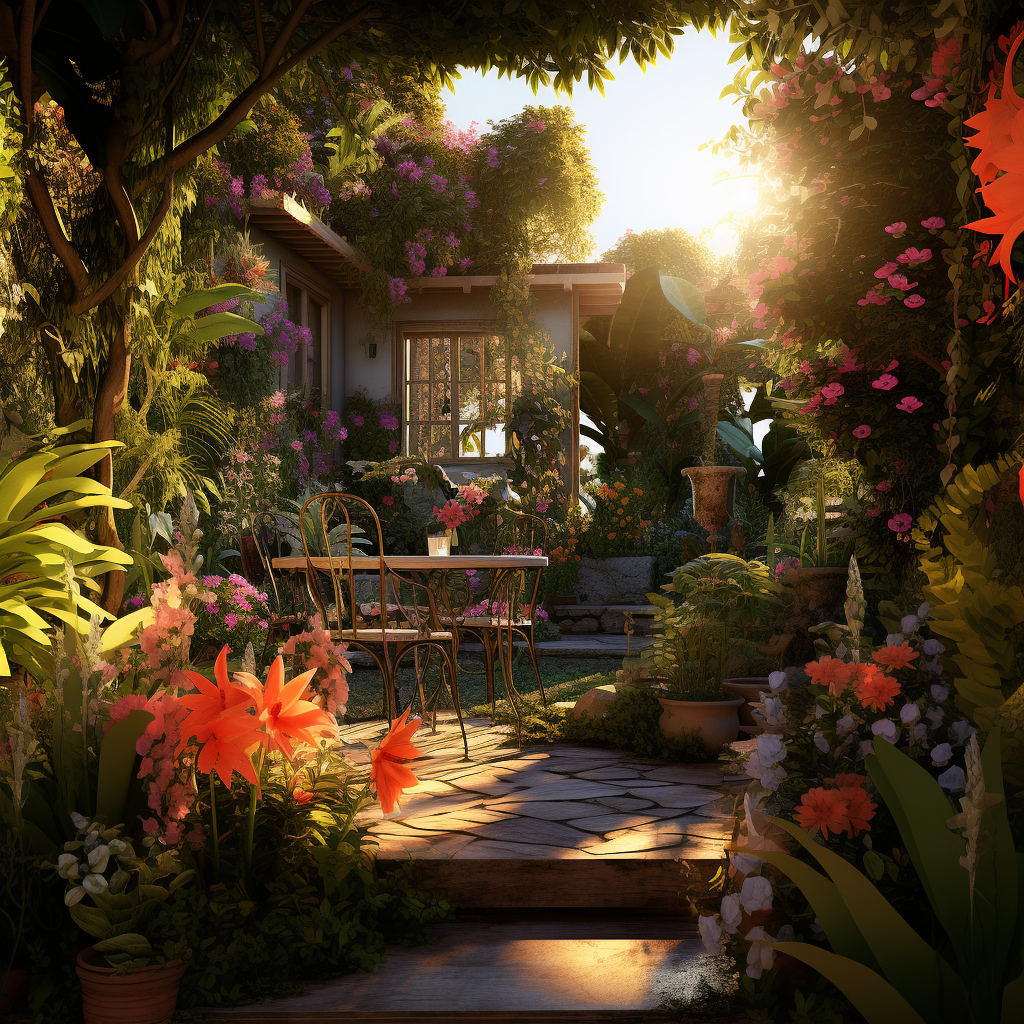
The beauty of the Midwest USA’s natural ecosystem is undeniable, and the abundant diversity of species calls this region home. However, this ecological treasure is under threat as numerous species become endangered due to habitat loss and climate change. But hope is not lost. Planting specific flora can help support these endangered species and promote their recovery.
Native Prairie Grasses: A Bedrock of Ecosystem
Prairie grasses, such as Big Bluestem (Andropogon gerardi) and Switchgrass (Panicum virgatum), form the backbone of the Midwest ecosystem. These grasses provide essential habitat for many endangered species like the Henslow’s Sparrow and the Poweshiek Skipperling butterfly. They also help improve soil quality, prevent erosion, and contribute to carbon sequestration.
Milkweeds: A Beacon for Monarchs
Monarch butterflies, facing a severe population decline, rely heavily on milkweed species for survival. The monarch caterpillars feed exclusively on milkweed leaves, making them vital for their lifecycle. Planting Common Milkweed (Asclepias syriaca) and Butterfly Weed (Asclepias tuberosa) in your garden can offer a lifeline to these magnificent creatures.
Oak Trees: Sanctuary for Endangered Birds
Oak trees like White Oak (Quercus alba) and Bur Oak (Quercus macrocarpa) are critical habitat providers for many endangered bird species, including the Red-headed Woodpecker. These trees also support hundreds of species of insects, which form a crucial part of the food web.
Wild Berries: Feeding the Small Mammals
Native berry-producing shrubs, such as Red Mulberry (Morus rubra) and Wild Plum (Prunus americana), provide essential food sources for endangered mammals like the Indiana Bat and the Northern Long-Eared Bat. These shrubs also offer shelter and nesting sites for various birds and insects.
Native Flowering Plants: The Pollinators’ Paradise
Flowering plants like Purple Coneflower (Echinacea purpurea) and Wild Bergamot (Monarda fistulosa) offer crucial nectar sources for endangered pollinators, including the Rusty Patched Bumblebee. The vivid colors and rich scents of these flowers create a paradise for these insects and can bring a burst of life to your backyard.
Wetland Plants: Sustaining Amphibians
Amphibians such as the Eastern Massasauga and the Illinois Chorus Frog rely on healthy wetland habitats. Planting wetland species like Common Cattail (Typha latifolia) and Softstem Bulrush (Schoenoplectus tabernaemontani) can create the aquatic and semi-aquatic environments these species need to thrive.
Conclusion: Your Garden, A Refuge
Creating a wildlife-friendly garden is more than just a horticultural project; it’s an act of conservation. By integrating these native plants into our landscapes, we are not just enhancing the beauty of our surroundings. We are contributing to the recovery of endangered species, supporting biodiversity, and helping to preserve the unique natural heritage of the Midwest.
We have a role in the fight against species extinction, and it starts in our backyard. So next time you decide to plant, think about the wildlife that your garden can support. The survival of many species may depend on our choices today.
As Aldo Leopold, the influential American conservationist and writer, put it: “Acts of creation are ordinarily reserved for gods and poets, but humbler folk may circumvent this restriction if they know how. To plant a pine, for example, one need be neither god nor poet; one need only own a good shovel.”
In the same spirit, to plant a garden for endangered species, one need only have the willingness to give nature a helping hand.
 Wondergressive