


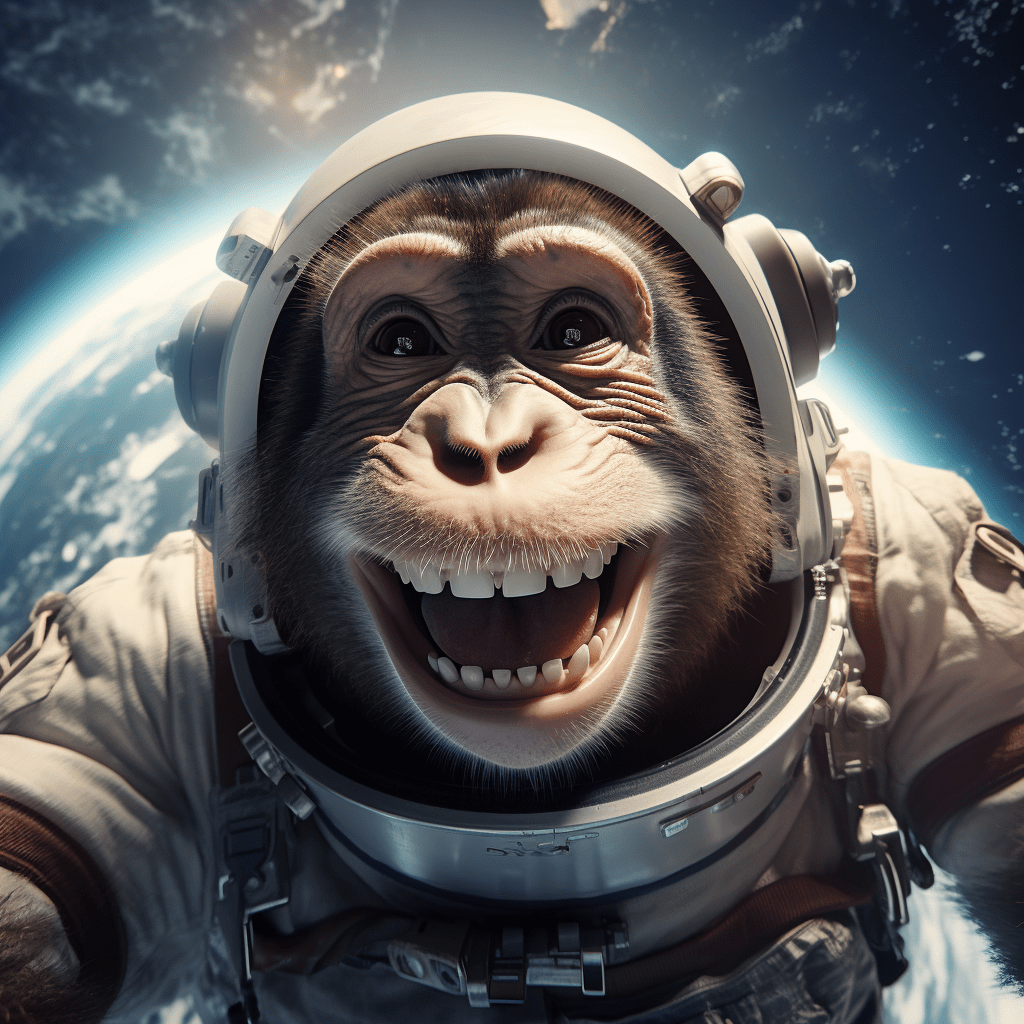
Our understanding of the cosmos has always relied on a combination of human ingenuity and technological advancements. While astronauts and robotic rovers get most of the limelight in space exploration, we’re now at a crossroads where we need to explore the potential for animal labor in outer space. Here, we’ll dive into the fascinating realm of possibilities, detailing ten animals that could be instrumental in aiding human space missions.
1. Dogs
Sputnik 2 launched Laika, the first dog and one of the first animals in space, into the cosmos in 1957. Dogs, with their superior senses of smell and hearing, could play a crucial role in sniffing out extraterrestrial substances or detecting unusual sounds in spacecrafts. Canines can also provide emotional support to astronauts, a proven method of reducing stress levels.
2. Rats
Rats have been involved in space missions since the early 1960s. Their adaptability, intelligence, and small size make them a suitable choice for space travel. Given their ability to navigate mazes and perform tasks for rewards, rats could assist in routine maintenance tasks, especially in tight, enclosed areas of the spacecraft.
3. Monkeys
Monkeys, specifically smaller ones like squirrel monkeys or marmosets, could be trained for various tasks due to their cognitive skills and dexterity. Their similarity to humans in terms of motor function and sensory perception could be advantageous in experiments aimed at understanding the effects of long-term space travel on the human body.
4. Cats
While cats might not be the most obvious choice for space labor, their agility, keen senses, and ability to maintain balance in various situations might prove useful. Like dogs, they could also offer emotional support, boosting the morale of astronauts during long missions.
5. Spiders
Spiders, specifically silk-spinning ones, could be a great asset in the outer space environment. The unique properties of spider silk – its light weight, strength, and resilience – could be harnessed for various applications, such as repairs or creating new structures.
6. Bees
Bees could be beneficial in hypothetical space-based agricultural systems. As expert pollinators, they could support the growth of plants in space greenhouses, ensuring a steady food supply for long-term space missions.
7. Silkworms
Silkworms are another creature whose byproducts could have interesting applications in space. Silkworm thread is strong and could be used in various applications, including creating textiles or in repairs.
8. Ants
Ants, due to their cooperative nature, could serve as models for the development of swarm robotics. Studying their behavior in a microgravity environment could provide insights into how robots might work together on tasks such as surface exploration or resource gathering.
9. Cephalopods
Cephalopods like octopuses and squids possess remarkable problem-solving abilities and flexibility, which might make them useful companions in space. Their ability to manipulate objects and adjust to new environments could be beneficial in tasks requiring fine motor skills or adaptability.
10. Birds
Birds have exceptional navigational skills. Studying birds in a zero-gravity environment could provide insights into the development of new navigation technologies for spacecraft. Furthermore, certain birds like parrots and crows are remarkably intelligent, offering potential for various trained tasks.
In conclusion, while the idea of incorporating animals into the space workforce might seem far-fetched, it isn’t completely outside the realm of possibility. Understanding how these creatures adapt to the harsh environment of space and harnessing their unique abilities might hold the key to future advancements in space exploration. However, it’s important to tread this path with ethical considerations in mind, ensuring the well-being of these space-faring animals.
 Wondergressive