


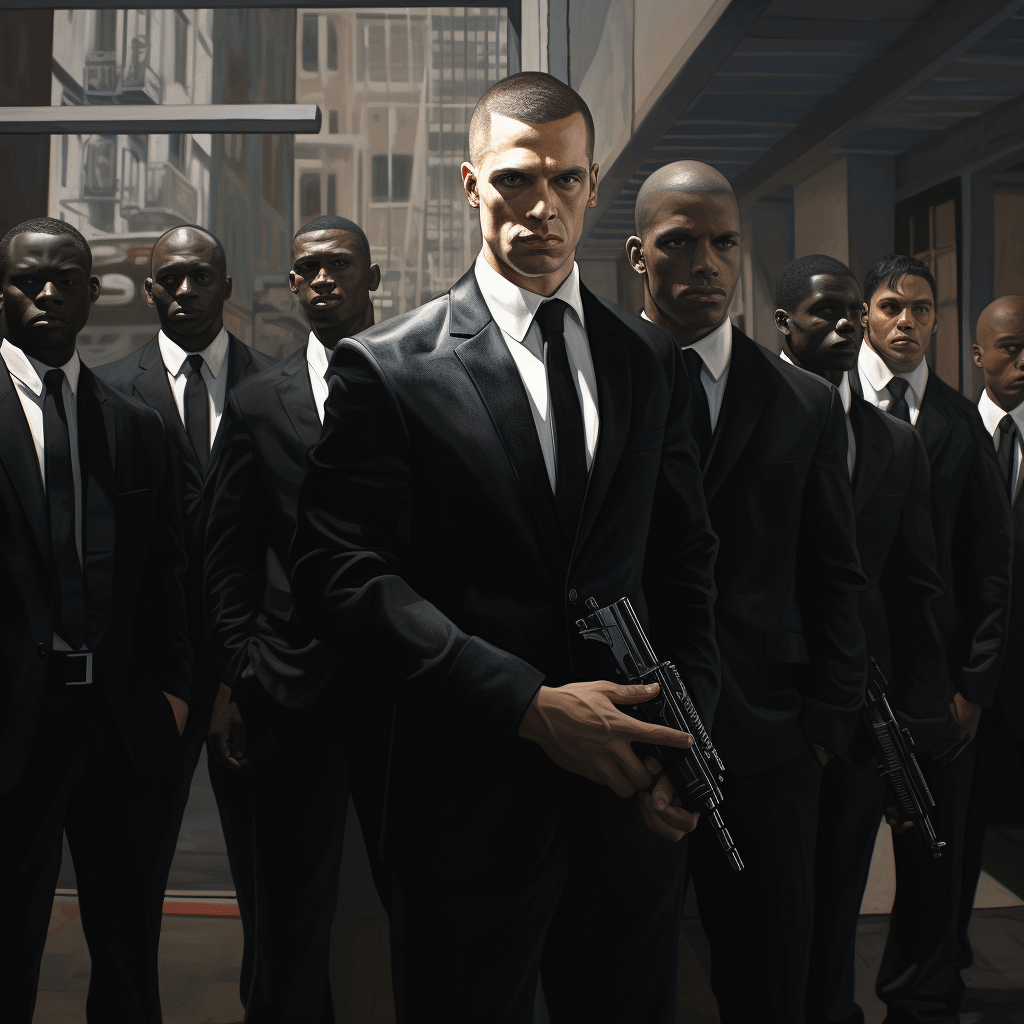
The Central Intelligence Agency (CIA) is one of the world’s most powerful and enigmatic organizations. Its mandate to protect US interests often involves operating behind a veil of secrecy. It’s this secrecy that sometimes births audacious theories, such as the suggestion that the CIA engaged in drug trafficking to fund its covert operations. While a contentious topic, it is essential to explore the evidence for and against this theory.
Gary Webb’s “Dark Alliance” Series
Journalist Gary Webb’s groundbreaking “Dark Alliance” series in the San Jose Mercury News in the mid-90s first thrust the CIA-drugs controversy into the public eye. Webb linked the crack cocaine epidemic in Los Angeles to the CIA-backed Contras, a group fighting against Nicaragua’s socialist government in the 1980s. His series argued that the CIA turned a blind eye to the Contras’ drug trafficking activities, contributing indirectly to the crisis.
Senate Committee Investigation
The fallout from Webb’s reporting was massive, prompting a Senate investigation led by then-Senator John Kerry. The final report, published in 1989, found “substantial evidence of drug smuggling… on the part of individual Contras,” but stopped short of implicating the CIA directly.
Allegations Regarding the Golden Triangle
This isn’t the only time the CIA has been accused of involvement in drug trafficking. In the book “The Politics of Heroin in Southeast Asia,” Alfred W. McCoy alleges that during the Vietnam War, the CIA collaborated with anti-communist forces in the Golden Triangle region. These forces, according to McCoy, financed their activities through opium production, with the CIA’s knowledge.
The CIA’s Response
The CIA has consistently denied these allegations. Following Webb’s series, the agency undertook an internal investigation, resulting in the “Hitz Report.” Inspector General Frederick Hitz cleared the CIA of “complicity in the drug trafficking by the Contras,” but did acknowledge that the agency worked with drug traffickers and did not always report these associations to law enforcement.
The Bigger Picture: The War on Drugs
These allegations become even more profound in the context of America’s ongoing War on Drugs. Many critics argue that if these theories are correct, it would represent a flagrant contradiction in US domestic and foreign policy.
The Need for Further Investigation
The controversy over the CIA’s alleged involvement in drug trafficking underscores the importance of transparency and accountability in government operations. It is a convoluted tale that has yet to find its conclusion. While certain investigations have provided insights, they haven’t conclusively proven or disproven the agency’s involvement in drug trafficking.
Conclusion: Confronting Uncomfortable Truths
Whether the CIA’s involvement in drug trafficking is a fact or a fiction, its exploration serves a critical purpose: reminding us of the imperative to question and seek the truth. The CIA-drug trafficking narrative reveals a complex, murky world where state interests and criminal activities may intersect. The truth may be uncomfortable, but in the pursuit of justice, it is indispensable.
 Wondergressive