


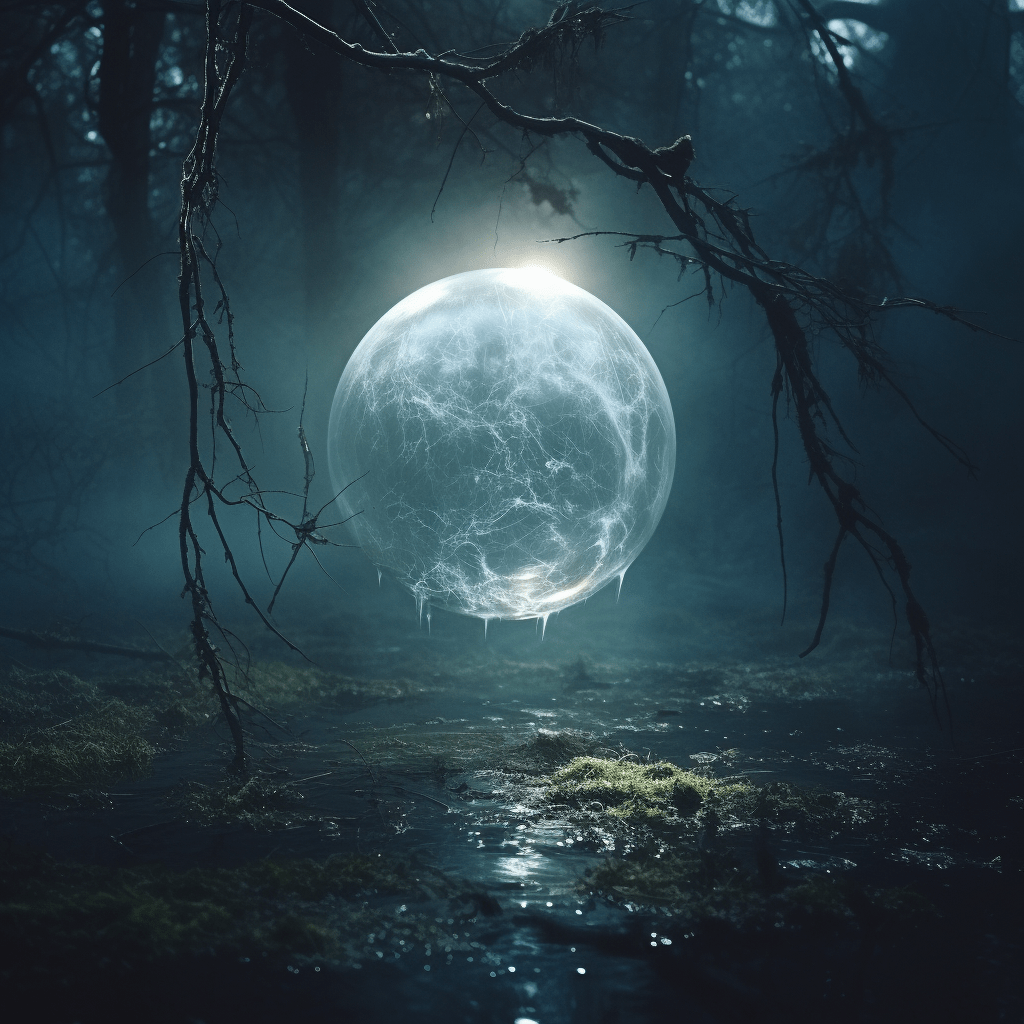
Ghosts, spirits, and otherworldly entities have captivated human interest for centuries. Among these paranormal phenomena, “orbs” often come up as compelling subjects of discussion. Reported to be manifestations of spiritual energy, these enigmatic spheres of light often appear in photographs or videos, sparking intense debate among paranormal enthusiasts and skeptics alike. So, are orbs an indication of the supernatural or just an artifact of science? Let’s delve into the fascinating world of orbs to find out.
Understanding Orbs: The Basics
Orbs are typically defined as circular, transparent, white, or brightly colored anomalies that appear unexpectedly in photos or videos. They are often associated with haunted locations or spiritual presences. For believers, orbs are considered a form of energy manifestation, a sign that a spiritual entity is attempting to communicate or make its presence known.
The Paranormal Perspective
Spiritualists and paranormal investigators often consider orbs as evidence of ghosts or spirits. This belief stems from the idea that entities in the afterlife can manipulate energy and manifest in various forms – orbs being one of them.
Many people have shared personal experiences of capturing orbs in photographs taken at reputedly haunted locations or during moments of high emotional intensity. Their testimonies often come with compelling narratives that lend credence to the idea that orbs could be more than mere light anomalies.
Moreover, it’s not just the sightings, but the associated phenomena that make the orb experience intriguing. People report sudden temperature drops, feelings of being watched, or sensing an unseen presence accompanying orb sightings.
The Scientific Explanation
Science, however, offers a more prosaic explanation for orbs. Orbs often appear in photographs taken with flash, particularly in a dark setting. According to scientists, these orbs are not spiritual entities but rather airborne particles close to the camera lens, like dust, pollen, or moisture droplets. This phenomenon is known as “backscatter,” as the flash of the camera illuminates these particles, causing them to appear as circular artifacts.
Digital cameras and their compact size contribute to this effect. The proximity of the flash unit to the camera lens makes it more likely for the light to hit a particle and bounce back into the lens, creating an orb.
Balancing Belief and Skepticism
While the scientific explanation of orbs is convincing, it doesn’t entirely invalidate the experiences of those who believe in their paranormal nature. What if some orbs are genuinely supernatural, while others are mere camera artifacts?
An open-minded approach would be to scrutinize each orb photograph individually, considering factors like location, atmospheric conditions, and accompanying phenomena. For instance, an orb photo taken in a reputedly haunted location with no plausible source of dust or moisture might be harder to dismiss as a mere artifact.
The Mysterious Charm of Orbs
Despite the controversy surrounding them, orbs continue to fascinate us. Whether they are spirits from the afterlife or mere dust particles, they remain a subject of intrigue and wonder, blurring the lines between the natural and the supernatural.
Regardless of the truth behind orbs, their existence stimulates conversations about the unseen and unknown, making our world a bit more mysterious and intriguing. And sometimes, embracing that sense of mystery might just be more rewarding than the certainty of an explanation.
In the end, our interpretation of orbs comes down to personal belief. Whether you view them as spectral lights or light refractions, the study of orbs invites us to open our minds to the incredible possibilities that exist within and beyond our reality.
 Wondergressive