


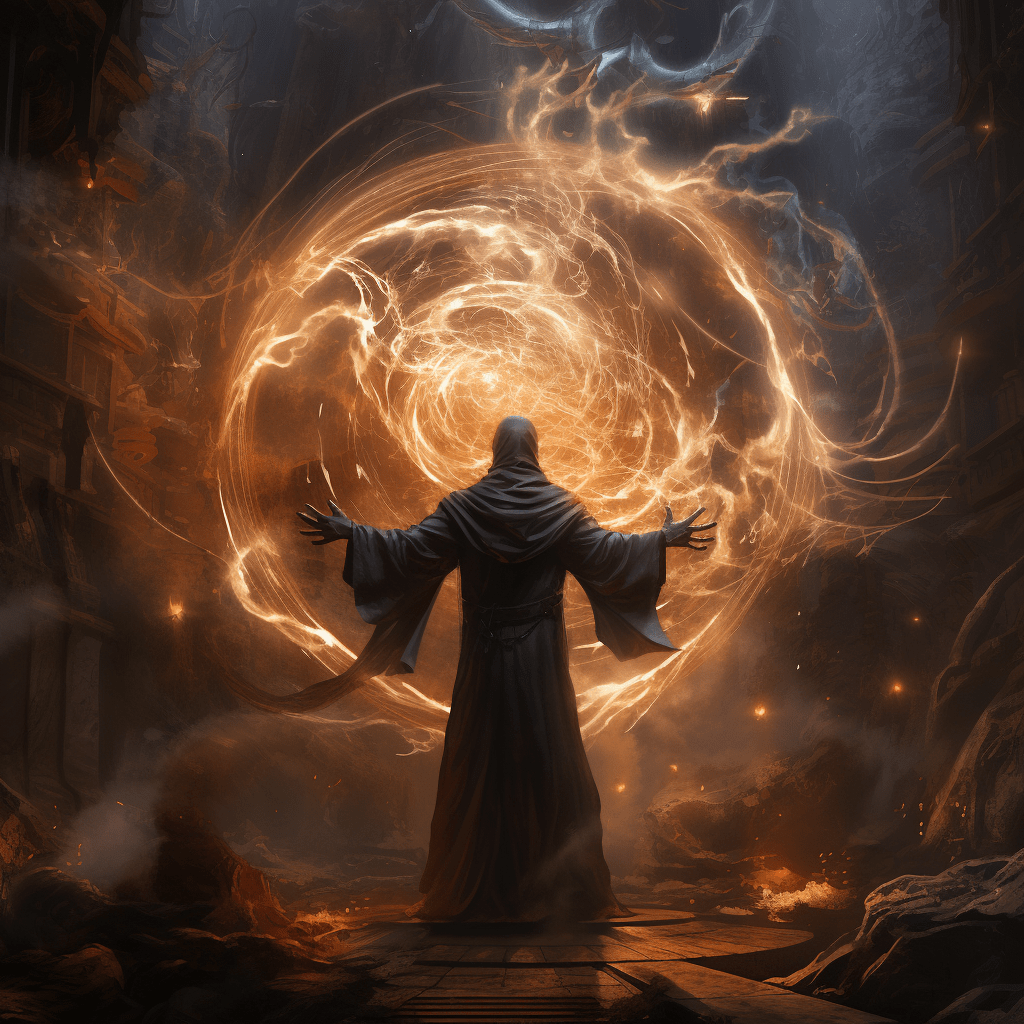
The act of summoning, invoking a spirit, deity, or other supernatural entity to appear, is a concept shrouded in mystery, prevalent across numerous cultures and belief systems. Though often dismissed as superstition, certain compelling evidence might give the most hardheaded skeptics pause.
Historical Overview
The act of summoning can be traced back to antiquity, with evidence found in ancient Mesopotamia, Egypt, and Greece. Priestesses, oracles, and prophets were believed to communicate with deities or spirits, aiding them in making decisions and foreseeing the future. The historical documents and records from these times provide intriguing evidence of these practices.
Cultural Variations
In different cultures, summoning takes varied forms. African Vodun, Japanese Shintoism, Native American rituals, and Western Occult practices all have distinct methods of summoning spirits or entities. Despite the differences, the core belief – the ability to communicate with a different realm, remains consistent.
Modern Practices
Modern occult practices, particularly those following Western traditions, have refined the act of summoning. Grimoires, such as the Key of Solomon, detail intricate rituals and specific invocations for summoning various spirits or entities. While many view these practices with skepticism, others find the extensive lore and consistency across various texts intriguing.
Evidence and Experiences
Eyewitness accounts form the core of the ‘evidence’ supporting the act of summoning. Many practitioners have shared detailed descriptions of their experiences. However, these are largely subjective and can’t be scientifically verified, thus often overlooked by the scientific community.
However, there is an interesting intersection between the act of summoning and the psychological phenomenon of ‘tulpa’ or ‘thoughtform’. A tulpa is an entity created in the mind, acting independently of, and parallel to, your own consciousness. They are seen, felt, and heard as if they were real beings. This concept, validated by psychological studies, could provide a scientifically acceptable explanation for summoning.
Skepticism and Debunking
Skeptics often dismiss the act of summoning as mere fantasy or psychological delusion. The lack of tangible, reproducible evidence plays a significant part in this. Critics also point out that claims of summoning could be explained by mental health issues or hallucinations, a perspective that scientific evidence currently supports.
Conclusion
While science demands reproducible evidence under controlled conditions, the act of summoning continues to thrive on personal experiences and shared anecdotes. Its existence across various cultures and historical periods cannot be denied. As our understanding of the human mind and consciousness continues to evolve, it’s possible that we may find more overlaps between the mystical and the empirical. Until then, the act of summoning remains a fascinating, compelling enigma.
While it’s essential to approach this topic with an open mind, it’s equally crucial to apply critical thinking and scientific reasoning. Personal belief plays a significant role in such matters, but as seekers of truth, we should strive to discern reality from illusion.
 Wondergressive