


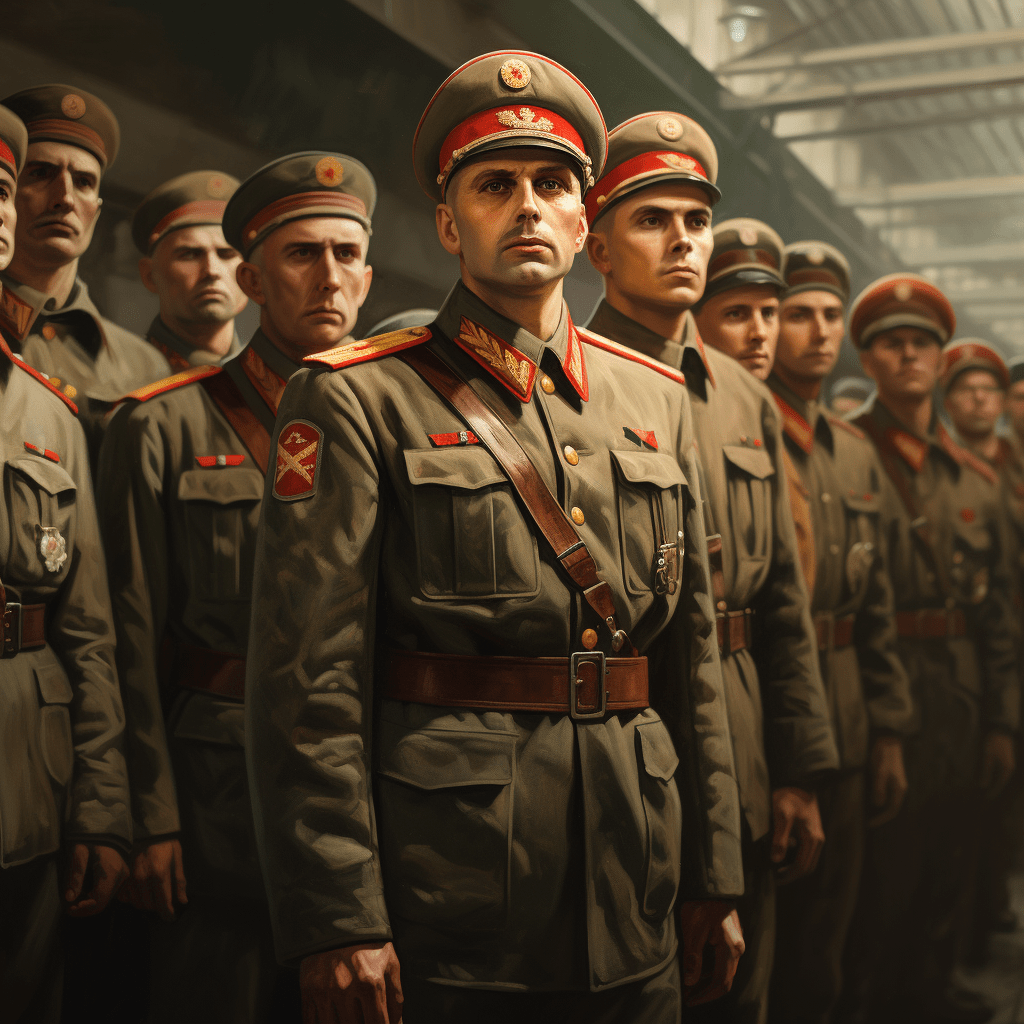
Unpacking the Perestroika Deception
The Perestroika Deception, as proposed by Anatoliy Golitsyn, a high-ranking KGB defector, is a grand conspiracy theory that suggests the restructuring (Perestroika) and openness (Glasnost) policies of the Soviet Union in the 1980s and the subsequent dissolution of the USSR were deceptive strategies aimed at deceiving the West about the true intentions of the Soviet Communist Party.
Analyzing the Premise
Golitsyn claimed that the apparent liberalization and modernization of the Soviet Union were part of a sophisticated, long-term deception strategy to convince the Western world that it was weakening. This, according to the theory, would lead to Western nations lowering their guard, reducing defense spending, and becoming more vulnerable to the global spread of communism.
The Hidden Game: Soviet Long Game Strategy
One of the most intriguing parts of the Perestroika Deception is the claim that this strategy was developed over decades, showing an unprecedented level of long-term planning and discipline. In his book “The Perestroika Deception,” Golitsyn elaborated on this ‘false liberalization,’ suggesting that it was designed to invite western economic assistance and induce disarmament.
Unraveling the Evidence: Golitsyn’s Track Record
While such a theory may sound far-fetched, it’s worth noting that Anatoliy Golitsyn had a remarkable track record in predicting Soviet political maneuvers. His earlier book, “New Lies for Old,” accurately foresaw numerous developments in Soviet policy, including the rise of a figure like Mikhail Gorbachev and the apparent liberalization of Soviet society.
Counter Evidence and Skepticism
Despite these startling predictions, the Perestroika Deception theory is not without critics. Many point out that the chaotic and painful transition Russia underwent during the 1990s, the rise of non-communist nations from the former USSR, and the ongoing tensions between Russia and communist China are hard to square with the theory of a well-orchestrated master plan.
Delving Deeper: The Fall of Communism or a Deception?
The Perestroika Deception theory urges us to reconsider the accepted narrative of the fall of communism. If we accept Golitsyn’s premise, then the declarations of the death of communism in the early 1990s were premature. The continued existence and influence of the Communist Party within Russia and the other former Soviet states might serve as evidence supporting this perspective.
Global Implications
This theory, if true, could have profound implications on a global scale. It would mean a reconsideration of global political dynamics and a careful re-examination of post-Cold War history.
Conclusion: The Intriguing Possibility of the Perestroika Deception
The Perestroika Deception theory, while controversial, offers a compelling and alternative perspective on recent history. It presents a view of global politics where the lines between truth and deception are blurred and invites us to question the nature of political power and strategy in the modern world. Whether one fully agrees with Golitsyn’s theory or not, its exploration offers a fascinating insight into the hidden mechanisms of global politics.
Through the lens of this theory, one can learn to view history and international relations not as static or straightforward but as complex, layered, and, at times, utterly deceptive.
 Wondergressive