


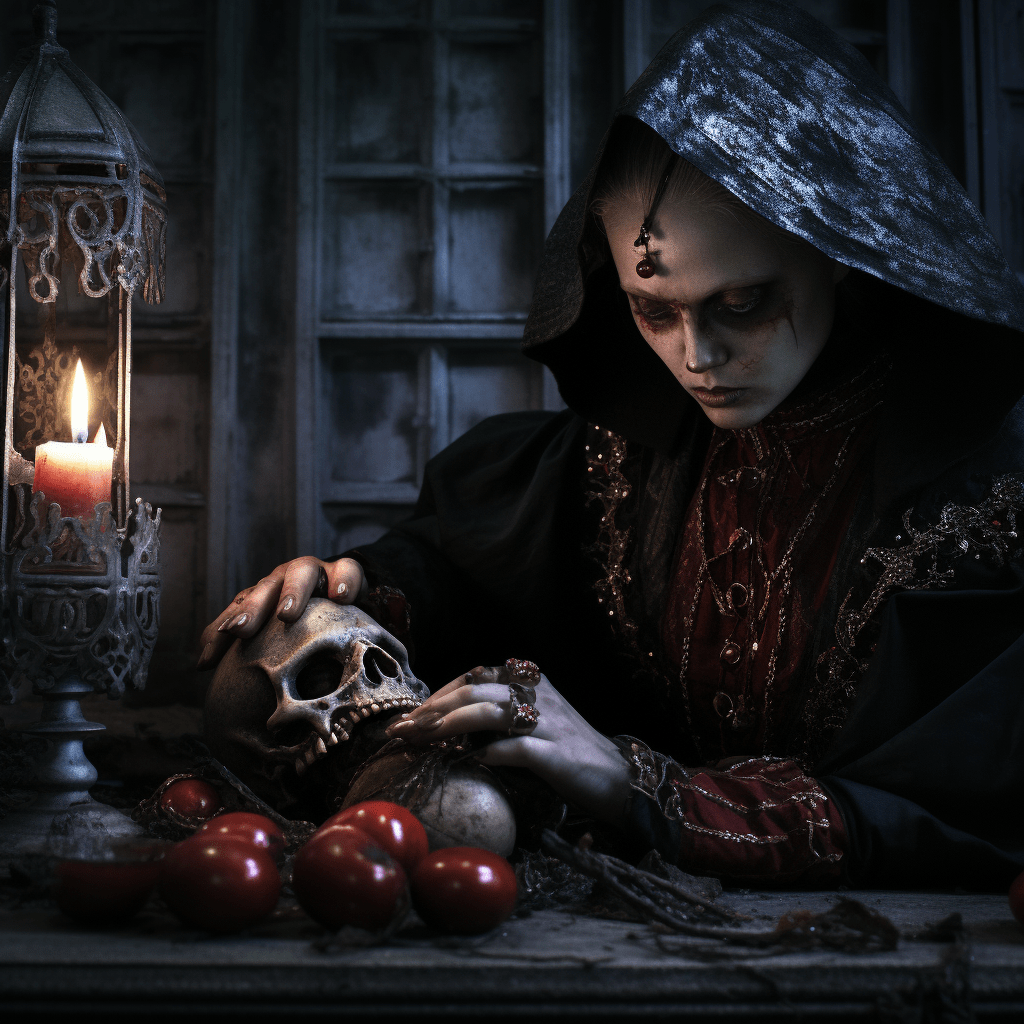
The arcane practice of bloodletting magick, with its roots buried deep in the annals of human history, evokes a blend of fascination, apprehension, and skepticism. In an era defined by scientific advancement and technology, such a practice might seem outdated or even incredulous to some. However, for others, it represents a powerful, elemental, and visceral form of magic. Let’s explore this captivating subject, presenting evidence that might challenge our preconceptions and compel us to rethink our understanding of magick.
Understanding Bloodletting Magick
Bloodletting magick refers to the use of blood, typically one’s own, in magical rituals and practices. The term “bloodletting” traditionally refers to the act of drawing blood from a person, historically for medical purposes. In the context of magick, however, it signifies the symbolic and literal use of blood as an integral component in rituals and spells.
Historical Precedents: Blood in Rituals and Magic
The symbolic power of blood transcends cultural boundaries, featuring prominently in religious rituals, folklore, and occult practices throughout history.
Ancient Civilizations
The ancient Mayans, Egyptians, and Greeks, among others, regarded blood as a conduit of life force, and it was often used in rituals intended to curry favor with the gods or manipulate unseen forces.
European Witchcraft and Folk Magic
Historical accounts of witchcraft in Europe often reference the use of blood in spells and charms. Folk magic traditions across the continent also feature blood as a component in protective amulets and love spells.
Bloodletting Magick in Contemporary Practice
While such practices might seem confined to history, bloodletting magick is far from extinct. It thrives within certain modern pagan, witchcraft, and occult communities.
Chaos Magick
Chaos magicians, who focus on the practical results of their rituals, occasionally use blood in their workings, often as a potent method of “charging” a sigil with their intent.
Wicca and Modern Witchcraft
While not a common practice, some practitioners of Wicca and witchcraft might use blood in their rituals, often as a symbol of personal commitment or to strengthen a spell’s connection to the practitioner.
The Power of Blood: A Scientific Perspective
From a scientific standpoint, one might argue that the power attributed to blood in magickal practices could be explained psychologically. The act of bloodletting, given its visceral nature, might induce a heightened state of emotional arousal that could strengthen one’s focus and intent – critical components in many magickal practices.
Ethical and Safety Considerations
Any discussion of bloodletting magick would be incomplete without addressing safety and ethical concerns. The risk of infection or injury, the possibility of violating consent (if another’s blood is used), and the potential for psychological harm all underscore the need for caution.
Conclusion: The Enigmatic Realm of Bloodletting Magick
Whether one approaches bloodletting magick with skepticism or belief, curiosity or trepidation, its enduring presence in human history and contemporary practice is undeniably compelling. While the thought of combining blood with magic may seem alien to some, for others, it’s an intimate and powerful way to connect with the energies they seek to influence.
From the ancient civilizations that first imbued blood with sacred significance to the modern practitioners who continue these traditions, bloodletting magick invites us into a world where faith, intent, and the human body intertwine in fascinating ways. It challenges us to look beyond the surface, to question our preconceptions, and to explore the profound and the primal in our search for understanding.
 Wondergressive