


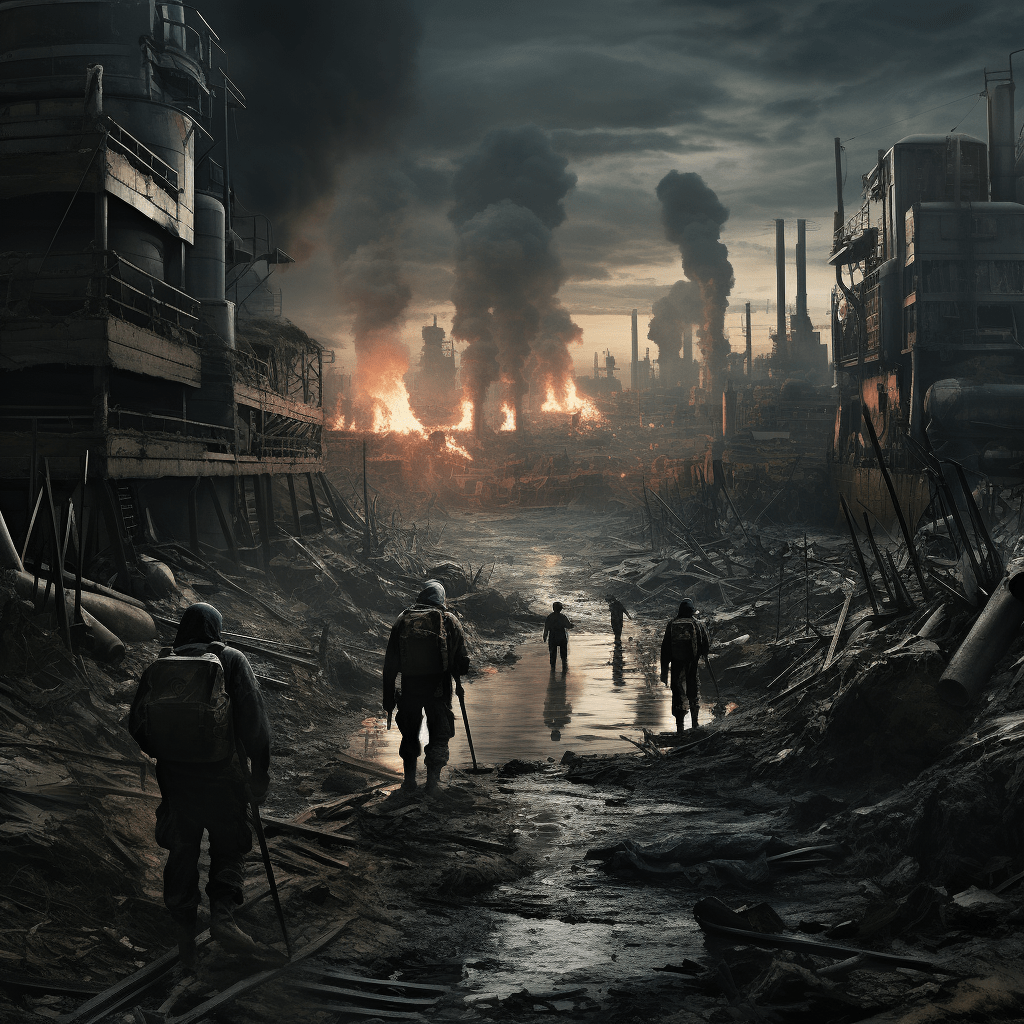
The “Report from Iron Mountain” has long been a subject of intrigue and speculation. First published in 1967 under the pseudonym ‘John Doe’, it was later claimed to be a work of fiction by its author Leonard Lewin. However, the document’s realistic portrayal of governmental proceedings, backed by an impressive depth of political analysis, has led many to believe it may be more than just a literary hoax. This article explores the interesting evidence surrounding the report, suggesting its plausible authenticity.
Unveiling the Report from Iron Mountain
The “Report from Iron Mountain” is allegedly a secret government document, supposedly written by a Special Study Group of fifteen experts brought together in 1963, at the peak of the Cold War. The group’s task was to examine what might occur in the event of a lasting peace and to propose steps to transition from a war economy to a peace economy. The document concludes, controversially, that peace may not be in the interest of a stable society.
The Content: A Devastating Theory
The report posits that war, or the threat of war, is necessary for governments to maintain power and control over their populations. It also points to war as an essential economic stabilizer. The authors suggest substitutes for war, such as creating new enemies to scare the public (alien life forms, for instance), instigating massive environmental pollution as a threat, and establishing a comprehensive social welfare program.
The Authenticity Debate: Is it Real or a Hoax?
Leonard Lewin, a satirist and military researcher, claimed authorship of the document in 1972, stating it was a critique of the military-industrial complex. Despite this, many, including some influential figures, believe in the report’s authenticity. The main argument supporting its legitimacy lies in its sophisticated understanding of the role of warfare in society and its detailed proposals.
The report’s foreword, written by a ‘John Doe’, claims it was leaked from the secretive group. This ‘leak’ narrative, combined with the depth of content and the existing skepticism towards government transparency, bolsters the conspiracy theory’s appeal.
Analyses and Implications
The “Report from Iron Mountain” has found a particularly resonant chord amongst war and conspiracy scholars. Notable individuals, including John Kenneth Galbraith, a Harvard economist, initially suggested that the report’s substance and style were too ‘accurate’ to be a parody.
Despite being debunked as a satirical piece, the document’s analyses, such as the socio-economic function of war and the perceived necessity of creating threats to maintain order, find significant echoes in real-world scenarios. Many of the proposed ‘substitutes’ for war eerily align with subsequent world events, such as the focus on environmental disasters and the war on terror.
The Enduring Legacy
Regardless of its authenticity, the “Report from Iron Mountain” continues to spark discussions about government transparency, the nature of warfare, and the structures underpinning our societies. Its enduring fascination lies in the uncomfortable questions it poses about the nature of government, power, and peace.
In the final analysis, whether the report is a clever hoax or a leaked government document is almost secondary to the questions it raises about the structures of power within society and the lengths to which a government might go to maintain social order. These concerns, as unsettling as they are compelling, ensure the “Report from Iron Mountain” remains an intriguing topic of research and debate.
 Wondergressive