


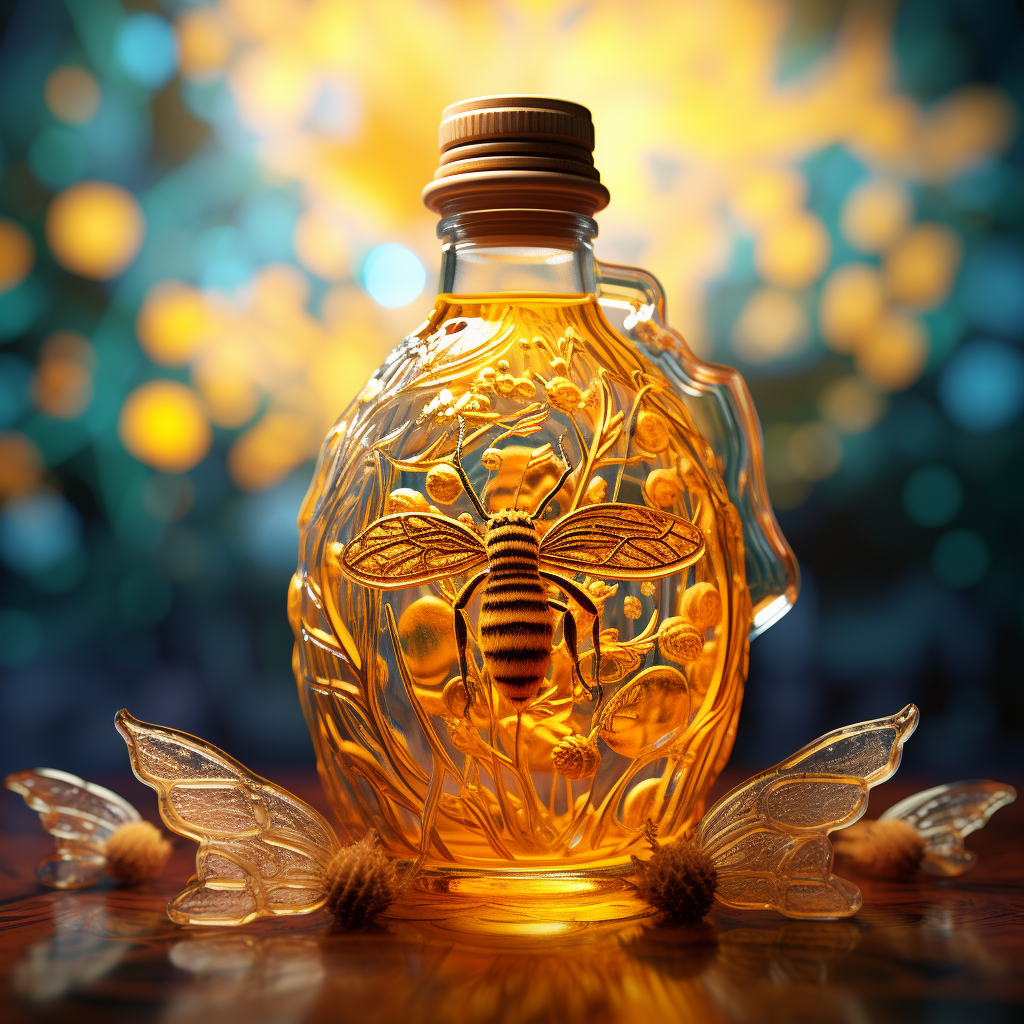
Mad honey, also known as deli bal in Turkey, is a natural substance that has intrigued scholars and health enthusiasts alike for years. From its compelling history to its peculiar effects on human health, the facets of mad honey are as rich as its amber color. This article delves into the fascinating world of mad honey, presenting compelling evidence that supports its intriguing nature.
Historical Significance
Mad honey has held a prominent place in several historical narratives. The most noteworthy among them is perhaps the event in 401 BC when Xenophon, an Athenian general, and his soldiers accidentally ingested mad honey and experienced its intoxicating effects. Centuries later, in 67 BC, Mithridates, King of Pontus, used mad honey as a strategic weapon to defeat the Roman army. It is these accounts that have propelled mad honey to the forefront of many discussions about natural substances with potent effects.
Mad Honey’s Psychoactive Properties
Rhododendron flowers, from which mad honey is derived, contain grayanotoxin. This toxin can affect the human nervous system and cause hallucinations, dizziness, and other symptoms akin to mild poisoning when consumed in large quantities. However, it is also believed to have therapeutic effects when consumed in moderation. Many local communities in regions like the Black Sea area of Turkey, Nepal, and Japan have used mad honey for its purported medicinal properties.
Medicinal Value
While mainstream medical science generally warns against the consumption of mad honey due to its potential toxic effects, various traditional medicine systems tout it as a remedy for various ailments. Some studies suggest that grayanotoxin can help treat hypertension and other heart-related conditions. The Nepalese use it for stomach issues, and the Turkish for sexual performance and general well-being.
Economic Impact
The trade of mad honey is a significant economic activity in regions where Rhododendron flowers thrive. Despite the potential health risks, there is a thriving global demand for this honey variant, and it commands a high price. Beekeepers in these regions have, over generations, mastered the art of harvesting mad honey.
Safety Concerns and Regulations
Despite its popularity, mad honey is not without controversy. Its intoxicating effects have raised safety concerns, leading to strict regulations on its trade and consumption in many countries. However, proponents argue that when consumed responsibly, the benefits outweigh the risks. They advocate for further scientific research to unlock the full potential of this unique substance.
Future Research
Many aspects of mad honey remain relatively unexplored in scientific literature. Researchers are now delving into a more comprehensive understanding of its biochemical properties, potential medicinal uses, and impact on the human body. This could lead to new insights into how natural substances like mad honey interact with the human body and potentially open avenues for new treatments.
Conclusion
The story of mad honey is as intriguing as it is controversial. Its historical significance, psychoactive properties, and potential medicinal value are compelling areas of interest for scholars, health enthusiasts, and the curious public. With ongoing research, our understanding of this unique substance is bound to expand, revealing even more about the marvel that is mad honey.
Keywords: Mad Honey, Deli Bal, Xenophon, Mithridates, Grayanotoxin, Rhododendron Flowers, Natural Substances, Psychoactive Properties, Traditional Medicine, Economic Impact, Honey Trade, Safety Concerns, Future Research, Medicinal Value.
 Wondergressive