


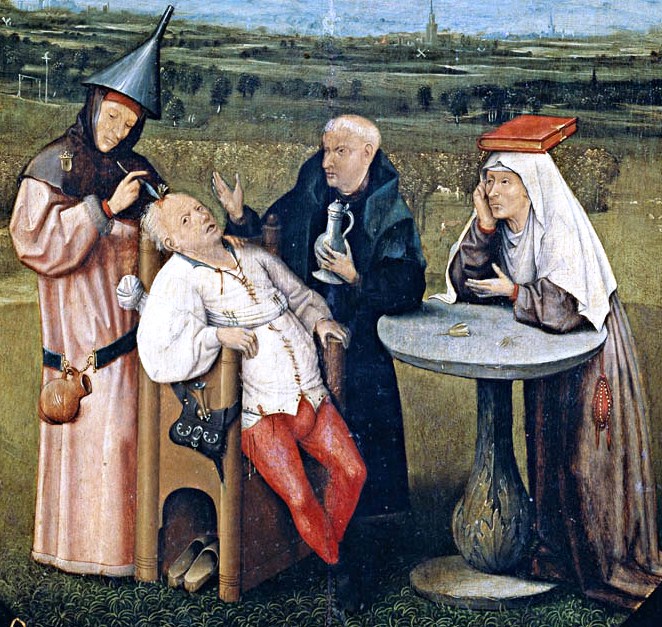
Trepanning, or trepanation, is an ancient medical intervention that involves drilling a hole into the human skull. Despite its seemingly barbaric practice, trepanation has a rich history across different cultures, and astonishingly, might hold potential for contemporary medical treatments.
The Ancient Origins of Trepanning
Trepanation is one of the oldest known surgical procedures, with the first evidence dating back to the Neolithic period. Archeological findings indicate that ancient civilizations, including the Incas, Greeks, Romans, and Egyptians, all practiced trepanation for various reasons ranging from religious rites to medical interventions.
One of the most fascinating aspects of trepanation is that the patients often survived the procedure. Skulls recovered from various archeological sites show signs of bone healing around the drilled holes, suggesting that individuals lived long after the operation.
The Medical Implications of Trepanning
Historically, trepanation was likely used to relieve pressure or to treat health conditions like migraines, epilepsy, and mental disorders. Ancient practitioners might have believed that the procedure allowed the release of evil spirits causing the illness.
Modern neurosurgery has its roots in these early interventions. Today, a form of trepanation, known as a craniotomy, is often used to access the brain for various neurosurgical procedures, including the removal of tumors and treatment of traumatic brain injuries.
The Spiritual Element of Trepanning
Beyond the medical implications, trepanning has a more mystical side. Some practitioners believed the procedure could lead to a higher state of consciousness or spiritual enlightenment. In certain cultures, the process was used during rites of passage or religious ceremonies.
Astonishingly, this spiritual notion persists today. A small fringe group advocates for voluntary trepanation, claiming that it leads to increased brain blood volume and thereby higher levels of consciousness. However, these claims lack scientific evidence and the practice is generally discouraged by the medical community.
Trepanning: A Bridge between Past and Future
Perhaps most intriguing is the concept that trepanation, a millennia-old practice, might have implications for modern medicine. Recent research into brain physiology and neurological disorders suggests that altering intracranial pressure and cerebrospinal fluid dynamics, both of which can be impacted by trepanation, might hold therapeutic potential.
For instance, certain neurological conditions like Normal Pressure Hydrocephalus, which involves abnormal cerebrospinal fluid accumulation, can potentially be treated by techniques that alter the fluid dynamics – a method echoing the ancient principles of trepanation. However, this potential application is purely speculative and would require rigorous scientific research to validate.
Conclusion
Trepanning is a compelling blend of medical history, anthropology, and neuroscience. It is a testament to the audacity of our ancestors, their intuitive understanding of the body, and their quest for both physical and spiritual healing. While the practice in its original form is outdated and considered dangerous, the principles it embodies could prompt innovative future research.
The fascinating history of trepanation serves as a reminder of our relentless pursuit of understanding the human body, mind, and spirit. As we delve deeper into the complexities of the brain, who knows what other ancient wisdom we may uncover, revitalize, and adapt for the benefit of future generations.
 Wondergressive