


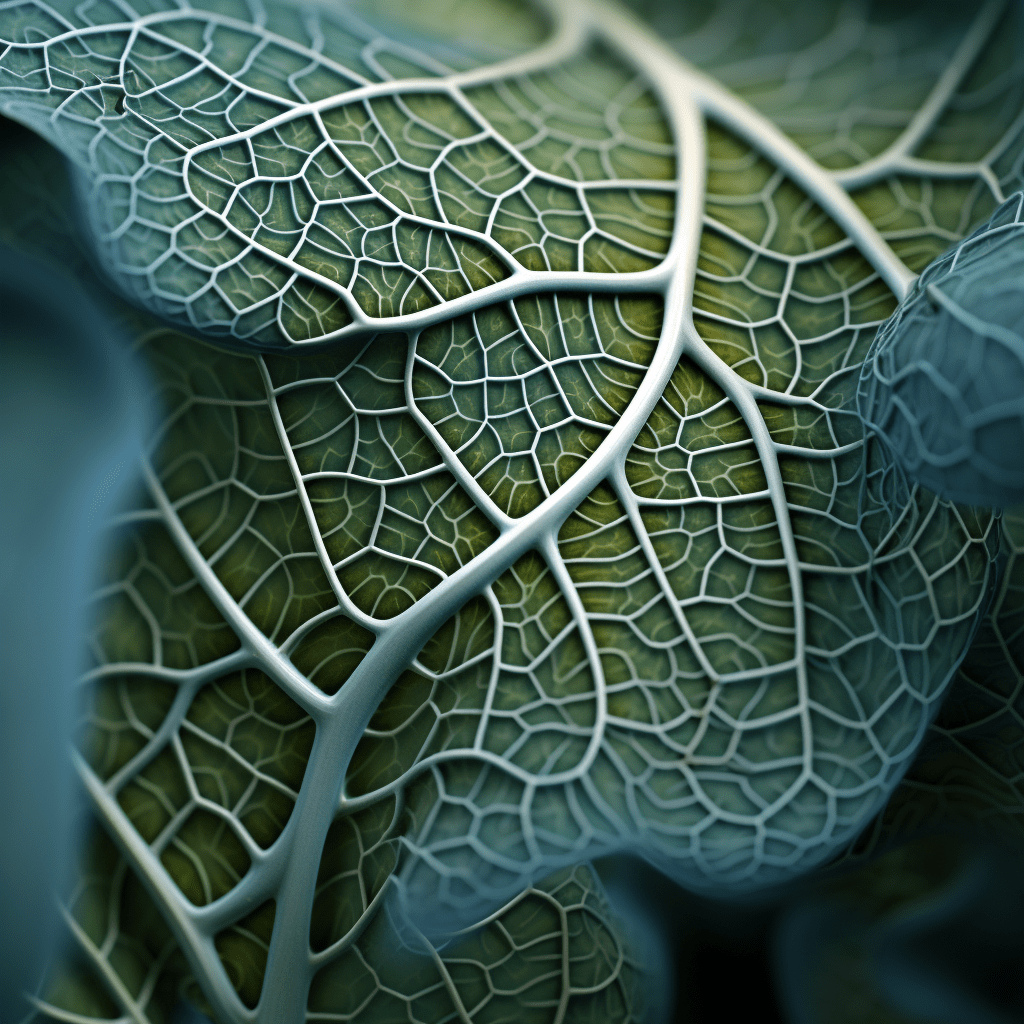
Coriander, a well-known culinary herb, holds a fascinating world within its slender leaves and is the subject of a unique field of study: the analysis of coriander veins. These intricate networks within the plant serve as conduits for vital nutrients and water, but recent research suggests there’s more to the story.
The Unsuspected World Within a Leaf
Coriander (Coriandrum sativum) is more than just an essential herb used in various world cuisines. This unassuming plant has hidden within it an intriguing secret – its vein structure, unique and complex, which resembles nothing less than a roadmap of life. These intricate structures, known as vascular bundles, serve as the plant’s circulatory system, carrying nutrients and water from the roots to the leaves and flowers.
Biological Significance of Coriander Veins
In most plants, the veins serve primarily to transport water and nutrients. However, the vein system in coriander leaves has shown characteristics that set it apart. Notably, scientists have observed that the venation patterns in coriander leaves are markedly different from those seen in other common herbs.
The vein structures in coriander exhibit an unusual amount of interconnectivity and redundancy. Such structures are typically seen in systems that need to withstand damage and continue to function even when part of the network is compromised. It’s a fascinating case of resilience and efficiency in nature.
Discoveries on Vein Optimization
A team of scientists from the Massachusetts Institute of Technology, in a groundbreaking study, explored how plants might optimize the design of their vascular systems. Coriander was among the plants chosen for this study due to its unique vein structure.
What they found was fascinating: the vein network in coriander leaves demonstrated an impressive balance between resilience and resource allocation. The veins were arranged in such a way that even if a part of the network was damaged, the rest could easily compensate. This seems to indicate that the coriander plant has evolved to ensure its survival in a range of conditions.
Potential Applications of Coriander Vein Studies
The lessons learned from the study of coriander veins might well extend beyond the botanical world. The principles of resilience and efficiency demonstrated by these veins could be used as a model for designing robust and resilient networks in various fields, such as supply chain management, traffic flow optimization, and even in the design of the internet.
Unlocking the Secret Language of Plants
In addition to the potential applications in other fields, the study of coriander veins also offers a unique insight into the world of plants. By understanding the structures that plants create, we can begin to decode the ‘language’ of nature, uncovering a wealth of knowledge about how life on our planet has evolved and adapted to its environment.
Conclusion
While the humble coriander leaf may seem ordinary to the untrained eye, the study of its veins uncovers a world of complexity and resilience. As researchers continue to explore this exciting field, we can look forward to gaining further insights into the marvels of plant life and potentially deriving useful principles for application in various areas of human endeavor. The story of the coriander veins is a perfect example of how even the most common things around us can reveal fascinating aspects of our world when studied with curiosity and an open mind.
 Wondergressive