


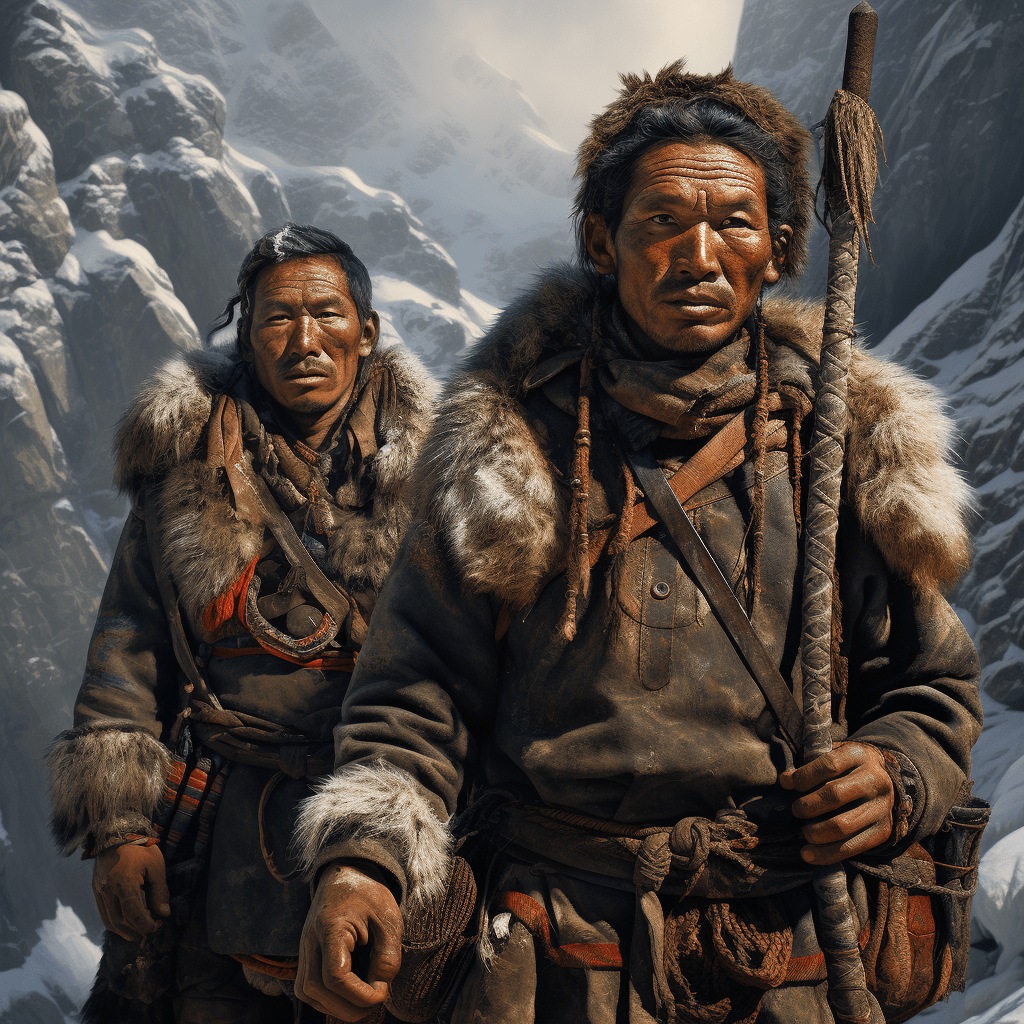
Deep in the heart of the Himalayas, in the bustling town of Khandbari, lives a vibrant community of Sherpas. These mountain-dwelling people, renowned globally for their mountaineering skills, are much more than just high-altitude porters. This article will dive into the enthralling life and culture of the Sherpas of Khandbari, presenting compelling evidence of their unique lifestyle, unparalleled skills, and profound spiritual beliefs.
1. Who are the Sherpas?
Sherpas are an ethnic group indigenous to the Himalayan region, primarily residing in Nepal, India, and Tibet. The term “Sherpa” typically refers to two interconnected contexts— an ethnic group, and their renowned role as mountain guides. This group’s extraordinary adaptation to high altitudes has cemented their reputation as the backbone of Himalayan expeditions.
2. Khandbari: A Sherpa Hub
Khandbari, the district headquarters of the Sankhuwasabha District in eastern Nepal, is a significant Sherpa settlement. This bustling town serves as a starting point for many treks in the Makalu region, and the Sherpa community here plays an integral role in supporting these journeys.
3. Acclimatization Masters
Scientific research has revealed fascinating evidence of the Sherpas’ remarkable adaptation to high-altitude environments. Studies have found that Sherpas have a unique ability to utilize oxygen more efficiently than lowlanders, contributing to their exceptional performance at extreme heights. These findings underscore the Sherpas’ critical role in high-altitude expeditions.
4. Sherpa Culture and Religion
Sherpas are deeply rooted in Tibetan Buddhism, and this spiritual framework significantly influences their everyday life and worldview. Monasteries, chortens (Buddhist shrines), and prayer flags are common sights in Khandbari. Sherpas also hold sacred the mountains they guide climbers through, believing them to be the dwelling places of deities.
5. Sherpa Festivals
The Sherpas of Khandbari, like other Sherpa communities, celebrate several colorful festivals. Losar, the Tibetan New Year, is a major celebration involving feasting, dancing, and the exchange of blessings. Mani Rimdu, another significant festival, features masked dances and dramatic representations of Buddhist teachings, drawing both local and foreign spectators.
6. Challenges and Risks
While Sherpas are renowned for their mountaineering skills, this occupation is not without its challenges and risks. Avalanches, falls, and altitude sickness pose serious threats. The 2014 Everest icefall tragedy, which claimed the lives of 16 Sherpas, stands as a grim reminder of the dangers associated with this profession.
7. Sherpa Stewardship and Conservation Efforts
Many Sherpas, including those from Khandbari, are increasingly involved in environmental conservation efforts in the Himalayas. Sherpa-led initiatives, such as sustainable tourism practices and clean-up expeditions, contribute significantly to preserving these majestic mountains. This work demonstrates the Sherpas’ deep-rooted respect and care for their homeland.
Conclusion: The Incredible Sherpas of Khandbari
From their extraordinary physiological adaptations to their rich cultural traditions and steadfast environmental stewardship, the Sherpas of Khandbari indeed exemplify a remarkable blend of resilience, spirituality, and devotion to their mountainous homeland. Their story underscores the diverse tapestry of human adaptability and the profound interconnections between people, culture, and nature. The Sherpas of Khandbari are more than just skilled mountaineers—they are guardians of the Himalayas, stewards of an ancient culture, and an inspiring testament to the indomitable human spirit.
 Wondergressive