


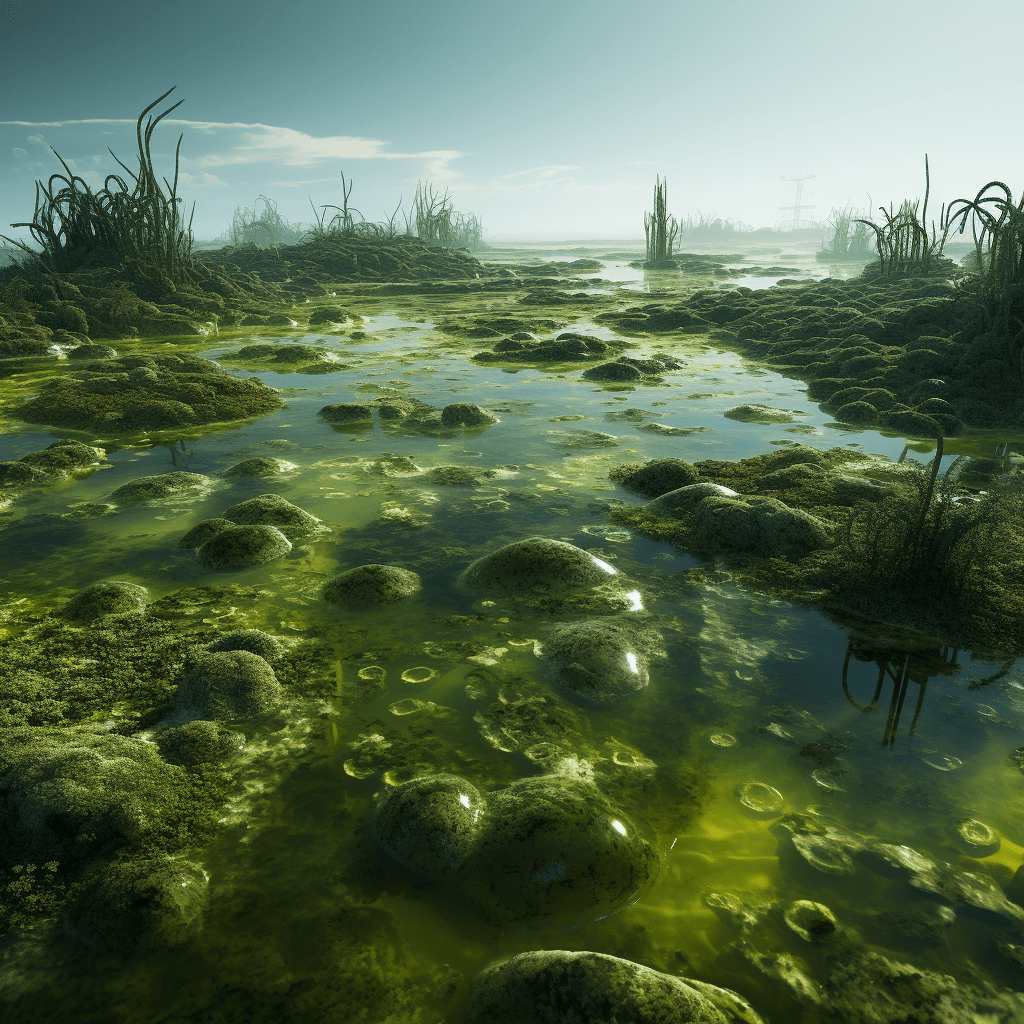
Energy is the heartbeat of modern civilization. As our fossil fuel reserves deplete and environmental concerns surge, the world is increasingly turning to renewable energy sources. Algal biofuel, a sustainable energy alternative derived from algae, has shown great promise. However, despite its potential, algal biofuel has yet to be embraced fully. Could this slow adoption be part of a larger conspiracy? Let’s delve into this compelling question.
1. Algal Biofuel: An Introduction
Algae, simple aquatic organisms, have a remarkable ability to rapidly produce biomass through photosynthesis. They can generate an array of lipids, proteins, and carbohydrates that can be converted into biofuels. Algal biofuels are touted as a sustainable, carbon-neutral alternative to fossil fuels. But, the question remains: Why has this promising technology not been fully realized?
2. Technological Promise: The Case for Algal Biofuels
Numerous studies highlight the many advantages of algal biofuel. Algae grow faster than traditional biofuel crops, can be harvested year-round, and can be grown in non-arable land or wastewater, preventing competition with food production. Furthermore, they absorb carbon dioxide, helping to mitigate greenhouse gas emissions.
In 2009, a study by the U.S. Department of Energy’s Pacific Northwest National Laboratory estimated that fuel made from algae could replace a significant portion of the nation’s oil imports. This finding sparked interest in the technology, but it has yet to reach commercial viability.
3. The Conspiracy: Suppression of Algal Biofuels
Despite its potential, algal biofuel production has not been scaled up significantly. This reality has led to speculation that powerful entities, such as fossil fuel companies or governments heavily invested in traditional energy sources, might be conspiring to suppress the development and commercialization of algal biofuels. The theory suggests these groups may feel threatened by the rise of a renewable energy source that could undermine their economic stability.
4. Examining the Evidence: Technological and Economic Challenges
The conspiracy theory presents an intriguing possibility, but the slower-than-expected growth of algal biofuels can also be attributed to scientific, technical, and economic challenges. For example, despite their productivity, algae are hard to cultivate in large amounts, and the extraction of oil is a complex process. Scaling up these processes to a commercial level is costly, and as of now, algal biofuels cannot compete economically with traditional fuels.
5. Underfunding or Suppression?
The algal biofuel industry’s progress has also been hampered by underfunding. While this could be seen as part of a conspiracy, it’s equally plausible that this lack of funding reflects the financial risks associated with developing a new technology, especially one that faces stiff competition from well-established, less-expensive energy sources.
6. The Environmental Perspective
Environmental challenges also factor into the slow development of algal biofuels. Algae cultivation can have negative impacts, such as excessive water usage and potential contamination of natural water bodies with genetically modified algae strains. These considerations must be addressed to make algal biofuels truly sustainable.
7. The Influence of Public Perception
Public perception plays a crucial role in the acceptance and development of new technologies. If the public views algal biofuels as a fringe or speculative technology, this perception can stymie progress and funding in the field, regardless of any conspiracies.
Conclusion: The Future of Algal Biofuels and the Conspiracy Question
The algal biofuel conspiracy theory is indeed compelling. It combines the drama of secretive corporate or government suppression with the promise of a technological solution to our energy and environmental crises. However, the reality is likely less dramatic.
While it’s possible that vested interests may hinder algal biofuels’ progress, it’s crucial to remember that this technology also faces significant scientific, economic, and environmental hurdles. As researchers continue to address these challenges, we may yet see algal biofuels fulfill their promise. Until then, the question of a conspiracy will linger, adding an extra layer of intrigue to the ongoing story of renewable energy.
 Wondergressive