


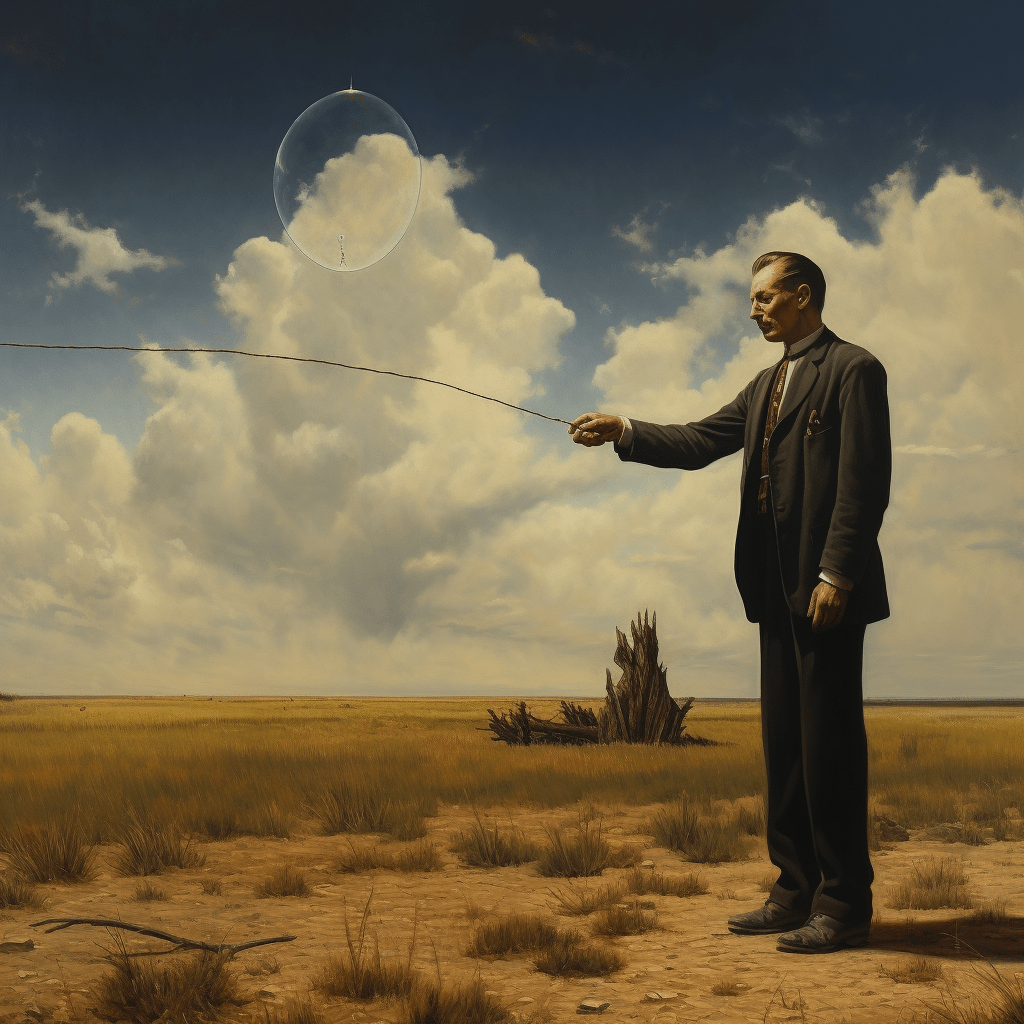
Dowsing and rhabdomancy are practices often overlooked as mere folklore. However, a deeper exploration into these phenomena reveals compelling accounts and scientific studies that suggest a more profound reality. This article will delve into the world of dowsing and rhabdomancy, offering evidence that may just convince you of their potential validity.
Understanding Dowsing and Rhabdomancy
Dowsing, or divining, is an ancient practice believed to locate hidden water, minerals, or other underground substances using a Y or L-shaped rod, known as a dowser or divining rod. Rhabdomancy, closely related to dowsing, uses a similar method to seek answers to questions or locate lost objects. It’s typically a rod or staff made of hazelwood.
The Historical Relevance
Dowsing and rhabdomancy aren’t new concepts. They have roots in ancient civilizations, such as the Egyptians and Chinese. Artifacts and texts from these cultures demonstrate a deep understanding of these practices, suggesting a practical use rather than mere superstition.
The most famous documentation of dowsing comes from Martin Luther’s ‘Small Catechism’, in which he criticizes dowsing for its occult nature. This historical account, though negative, further illustrates dowsing’s antiquity.
Scientific Studies and Evidence
Though skepticism abounds, some intriguing scientific studies support the potential validity of dowsing and rhabdomancy.
A study in the late 1980s led by Hans-Dieter Betz and other scientists in Germany presented substantial results. Over several years, dowsers demonstrated their skills in locating water sources in arid regions. Incredibly, they found water in 96% of the cases, and their findings were backed by drilling confirmations.
The Physics Behind Dowsing
A common theory explaining dowsing revolves around geomagnetic fields. It’s suggested that underground water or minerals cause minute changes in the Earth’s magnetic field, which dowsers can perceive through their rods.
Dr. Robert Endros, a researcher and dowser, suggests that the divining rod is an extension of the human antenna, picking up minute geomagnetic fluctuations.
The Power of the Mind
Psychology also plays a significant role in this discussion. The ideomotor effect, where an individual makes motions unconsciously, might influence the movements of the divining rod. While skeptics argue this debunks the practice, others see it as a conduit through which the subconscious mind communicates its intuition or extrasensory perceptions.
Concluding Thoughts
While much of the scientific community remains skeptical, there’s no denying the compelling history and intriguing studies surrounding dowsing and rhabdomancy. Whether it’s a deep intuitive connection with the Earth’s magnetic fields or an age-old practice of divination, these phenomena continue to captivate and perplex.
If anything, dowsing and rhabdomancy stand as a testament to the potential hidden within the human mind and its intricate relationship with the natural world. For those brave enough to keep an open mind, these practices may just offer a fascinating gateway into understanding the unseen forces that shape our world.
 Wondergressive