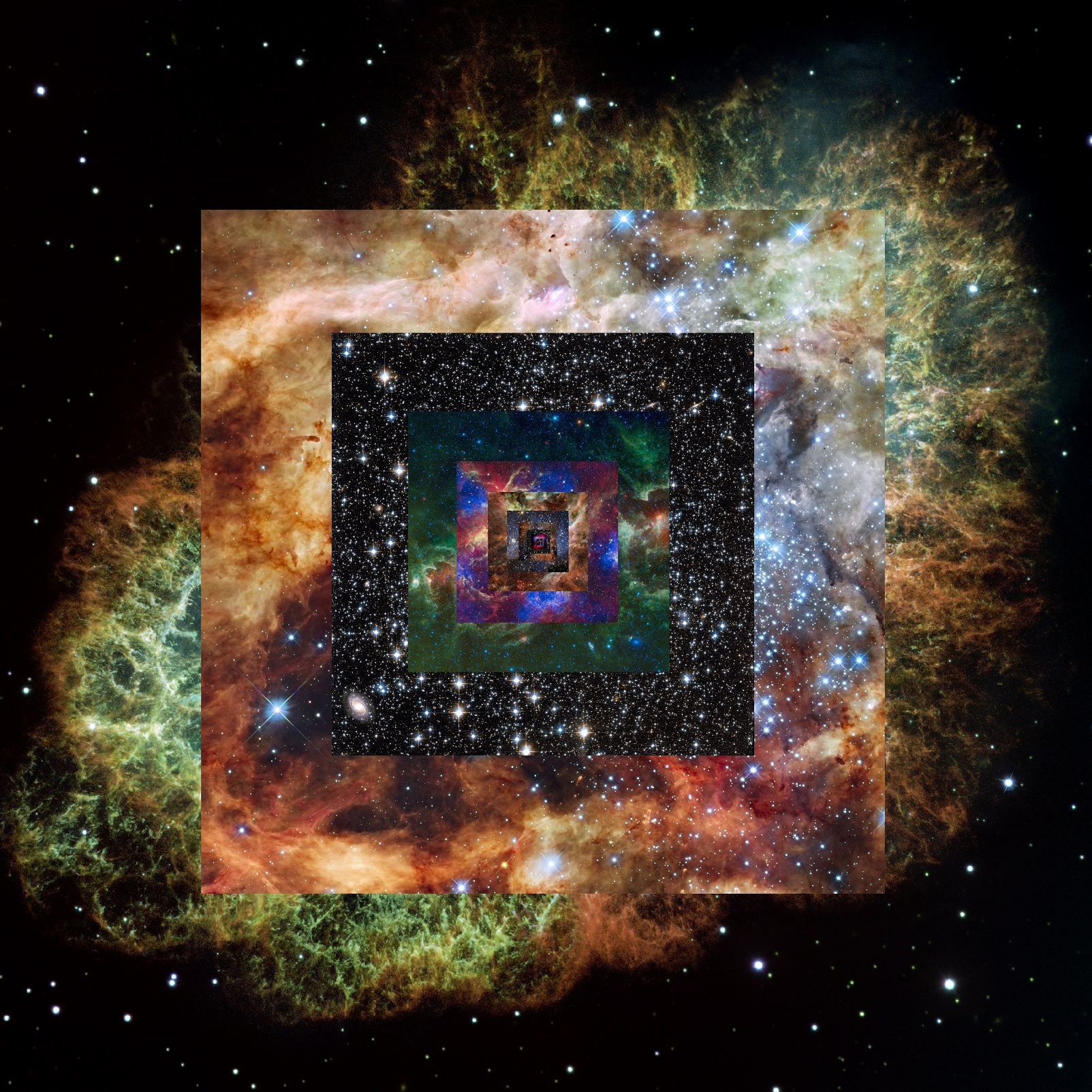


Unveiling the Concept of Hypersigils
In the realm of chaos magic—a contemporary magical practice that emphasizes the pragmatic use of belief systems—hypersigils have been a topic of fascination for many. A hypersigil is essentially a story or narrative that serves as a magical working, created with the intent of impacting the reality of its creator in a significant way.
Grant Morrison, a Scottish comic book writer and practising chaos magician, first introduced the concept of hypersigils in the late 20th century. In his works, Morrison suggests that the act of creating art—specifically storytelling—can be a method of manifesting change in the creator’s life. His comic series, “The Invisibles”, is one such example. Morrison contends that the series isn’t merely a work of fiction, but a hypersigil, a magical spell that transformed his life.
Crafting a Hypersigil
At the core, the creation of a hypersigil involves the intentional crafting of a narrative that describes the future or reality the creator wants to manifest. This narrative can take any form—novel, song, poem, painting, or comic book—and its creation becomes a magical act. The artist or writer uses their will and desire, as well as their creative skills, to weave a reality they wish to inhabit.
In Morrison’s case, he integrated elements of his life into “The Invisibles”, along with the future he wanted for himself. As the series unfolded, Morrison noticed striking parallels between the events in the comic and his own life. He even attributes recovery from a life-threatening illness to a corresponding event in the comic.
Evidence: Hypersigils and Synchronicity
The proof of the effectiveness of hypersigils, as is the case with most magical practices, lies in personal experiences and anecdotal evidence rather than conventional scientific experiments. For instance, Morrison’s own experience with “The Invisibles” serves as compelling evidence for believers.
Moreover, the concept of hypersigils aligns with Carl Jung’s theory of synchronicity—’meaningful coincidences’ that can’t be explained by cause and effect. Jung suggested these synchronicities hint at an interconnected universe where our inner psyche and the external world can align. The fact that Morrison’s fictional narrative often mirrored his real-life experiences could be interpreted as a striking example of synchronicity.
Hypersigils in Popular Culture
If one looks closely, the concept of hypersigils seems to be woven into the fabric of our popular culture. Think about the songs where singers proclaim their dreams and ambitions. Beyonce’s “I was Here” or The Beatles’ “Paperback Writer” could easily be interpreted as hypersigils. These songs serve as declarations of intent and ambition, much like a spell aiming to shape reality.
Closing Thoughts: The Power of Storytelling
The exploration of hypersigils urges us to look beyond the traditional boundaries of reality and magic, art, and consciousness. Whether or not we choose to believe in the magical efficacy of hypersigils, this concept certainly underscores the immense power of storytelling. It suggests that our narratives—those we tell ourselves and those we share with others—have the power to shape not only our perceptions but our reality.
In a world increasingly driven by narratives, maybe it’s time we start crafting our own with a little more intent. After all, who knows what reality we might manifest for ourselves? Could the next novel you write, the next painting you create, or even the next song you sing, be a hypersigil? The magic, it seems, is in your hands.
 Wondergressive