

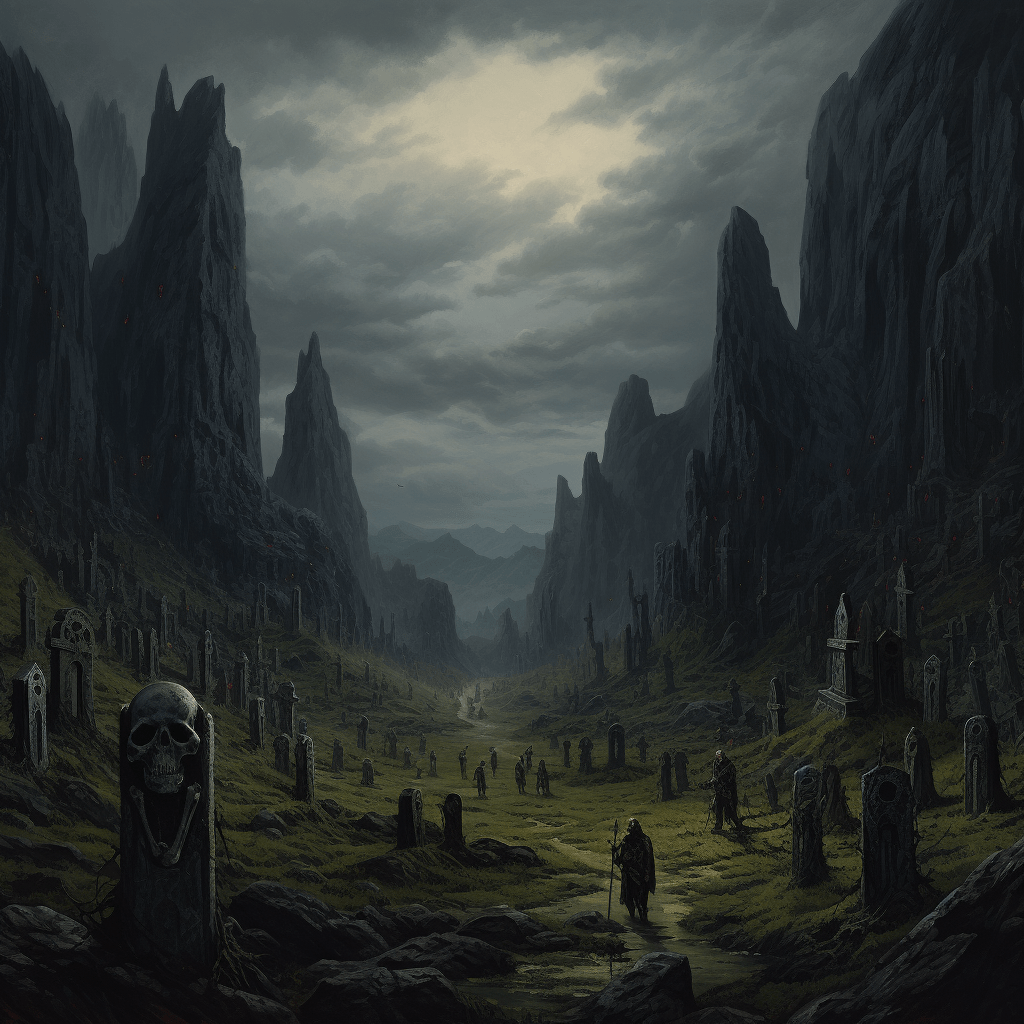
In the far reaches of Canada’s Northwest Territories, shrouded by the Mackenzie Mountain range, lies a land of haunting mystery and native folklore – Nahanni National Park. Within it, an area known as “The Valley of the Headless Men,” which has been the epicenter of compelling narratives, unsolved mysteries, and bizarre tales. Is it an unholy abode or simply a place misunderstood by those unfamiliar with its secrets?
Unsettling Lore and Historical Backdrop
The indigenous Dene people named the region “Naha Dehe,” or the “Valley of the Wicked Men.” According to their oral tradition, it was inhabited by an aggressive, warlike tribe, known as the ‘Naha,’ which disappeared mysteriously. The valley’s ominous reputation grew with stories of unexplained phenomena, strange beasts, and bizarre circumstances surrounding those who ventured into the valley.
In the 20th century, the ominous moniker “The Valley of the Headless Men” took hold following the discovery of prospectors Willie and Frank McLeod in the early 1900s. Both brothers were found decapitated, their heads never recovered. This unsolved double murder was followed by several similar decapitation cases in the subsequent years, adding to the lore and fear of the valley.
Geological Anomalies and Natural Phenomena
The Nahanni Valley isn’t just famous for its grim tales. It houses fascinating geological features that have intrigued researchers. From its hot springs to the spectacular Virginia Falls (twice the height of Niagara Falls), the area is a hotbed for geographical studies. The region is also known for its extensive cave systems, some of which are yet to be fully explored, suggesting possibilities of unknown phenomena or species.
The environment’s volatility, marked by unpredictable weather changes, can turn the seemingly serene valley into a deadly trap. It’s no wonder early explorers found the area challenging to navigate, adding to the valley’s intimidating reputation.
Biological Enigma and Cryptozoology
The Valley of the Headless Men is known for its rich biodiversity, including several species unique to the region. However, it’s the accounts of creatures that supposedly don’t exist that have garnered significant attention. Stories of “Waheela” (giant, bear-like wolves) and sightings of Bigfoot-like creatures echo within the valley’s folklore, though scientific proof remains elusive.
Conclusion: Valley of Intrigue or Valley of Fear?
Despite being declared a UNESCO World Heritage Site, the Valley of the Headless Men remains largely unexplored. Modern exploration and scientific studies have helped dispel some myths, yet many questions remain unanswered.
The macabre history of the valley, coupled with the natural dangers it presents and the cryptic biological enigmas it houses, makes it a place of compelling intrigue. However, with each unsolved mystery, the question persists – Is it merely a fascinating wilderness, or is there a darker reality to the tales from the Valley of the Headless Men?
Intriguing evidence points to a blend of natural phenomena, cultural history, and perhaps a touch of the unexplained. As more research unfolds, the line between reality and lore may become clearer, but the Valley of the Headless Men will likely continue to captivate us with its blend of natural wonder and eerie mysteries.
 Wondergressive