

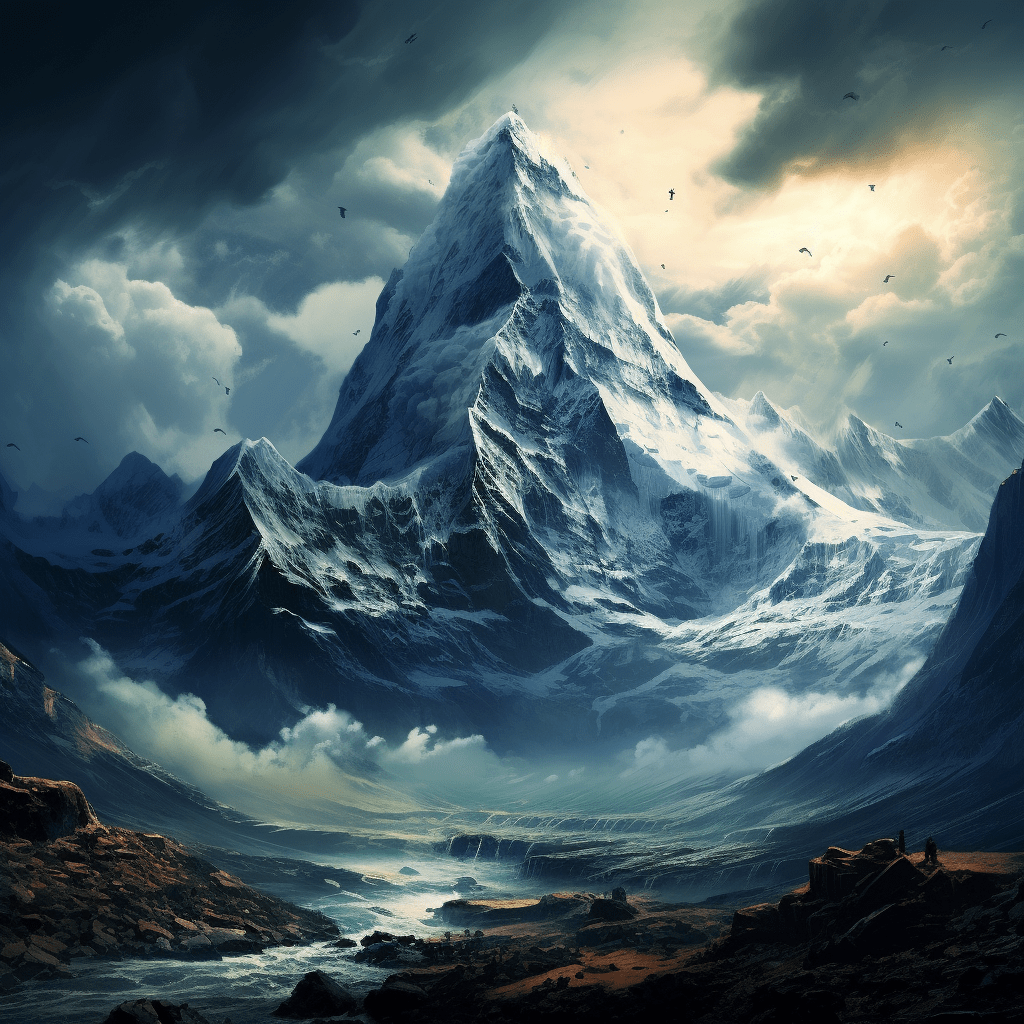
Mount Everest, the highest peak in the world, standing at 8,848 meters, has been a place of fascination and adventure for climbers worldwide. While its formidable heights have symbolized human endurance and resilience, there are claims suggesting that the narratives surrounding the peak hide some ominous truths. This article dives deep into the mysterious cover-ups linked to Mount Everest, exploring their feasibility and presenting compelling evidence to back these claims.
The Overlooked Death Toll
Mount Everest, due to its treacherous environment, has seen numerous fatal incidents, making it one of the deadliest peaks for mountaineers. However, a theory claims that authorities often understate the actual death toll to maintain the allure of Everest expeditions.
Data discrepancies add weight to this theory. While the Himalayan Database records 295 deaths until 2020, many assert the actual count is higher. Numerous incidents go unreported, especially concerning local Sherpas. Additionally, the high cost of recovery missions sometimes results in the bodies remaining on the mountain, leading to cases being left out from official records.
Hiding the Harrowing Environment
The enchanting pictures of Everest’s icy peaks and clear blue skies tend to overshadow the grim reality of its environment. The “Death Zone” above 8000 meters, characterized by insufficient oxygen and unforgiving weather conditions, is often underrepresented.
Several climbers have reported finding a significant amount of trash, abandoned equipment, and even human remains along the route. However, these unsettling sights are typically glossed over in promotional materials. The efforts to clean Everest, like the one initiated by China in 2019, indirectly point to the issue’s gravity.
Neglecting the Commercialization Impact
The influx of climbers has led to the commercialization of Everest expeditions, triggering concerns of ecological damage. Despite these concerns, there’s been a tendency to downplay the environmental impact.
Scientific evidence paints a disturbing picture. Studies highlight issues like waste management problems, pollution, and climate change-induced glacier melting. However, the clamor for climbing permits and the resulting economic benefit often overshadows these environmental concerns.
Undermining the Local Exploitation
Another alleged cover-up revolves around the exploitation of Sherpas, the local guides instrumental in Everest expeditions. They undertake significant risks, often for meager pay, and their contributions are frequently overshadowed by the climbers’ feats.
In 2014, a tragic avalanche killing 16 Sherpas brought this issue to light. While their plight gained international attention, many argue the underlying systemic issues remain unaddressed. Thus, the true extent of the problem might be larger than what appears in public discourse.
Conclusion
The magnificence of Mount Everest continues to captivate the world, driving thousands to attempt the risky ascent. However, the theories of various cover-ups and the compelling evidence supporting them, invite us to question the narratives presented to us. The picture of Everest might not be as immaculate as it seems, shadowed by unreported deaths, environmental degradation, and local exploitation. As conscious consumers of adventure and narratives, it’s vital to delve beyond the surface and grasp the complete picture. It’s time to scale not just the physical heights of Everest, but also the towering challenges concealed in its icy slopes.
As we continue to explore and conquer nature’s last frontiers, it is critical that we understand the full range of consequences and responsibilities that come with our adventures. Let the story of Everest be a reminder that the pursuit of achievement should never outweigh the cost of lives or the health of our planet.
 Wondergressive