


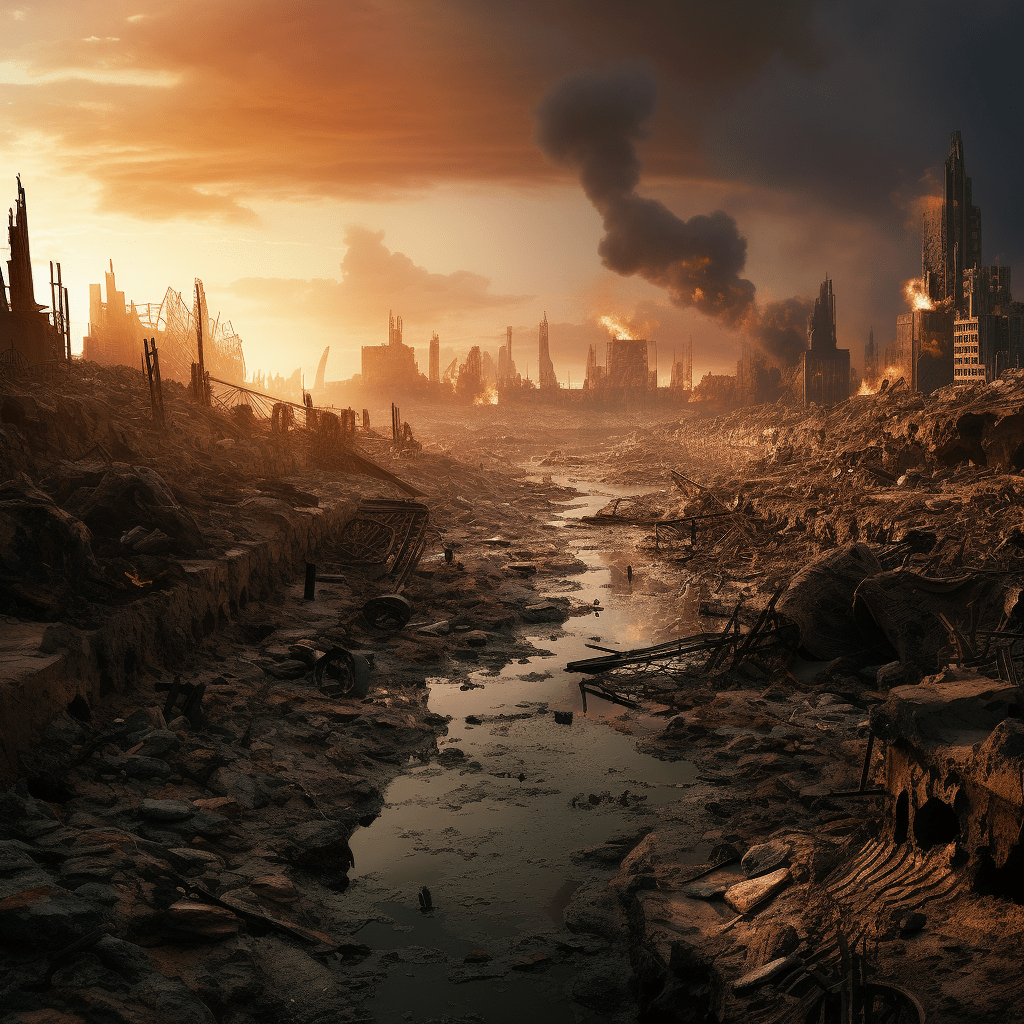
“Doom Ecology” is a term that may seem contradictory at first glance. However, this juxtaposition of nature’s balance and catastrophic endings presents a compelling way to approach and address the environmental crises we are currently facing. This article explores this relatively new concept, providing evidence for its feasibility and potential impact.
What is Doom Ecology?
Doom Ecology, in its essence, refers to an ecological approach that acknowledges the worst-case scenarios our planet might face due to environmental degradation and climate change. It contemplates the possibility of a future where the Earth’s ecosystems have collapsed and explores the strategies we could employ to survive in such a situation.
Evidence of Ecological Breakdown
The first step in understanding doom ecology is accepting the dire state of our planet. In 2020, a report by the Intergovernmental Science-Policy Platform on Biodiversity and Ecosystem Services (IPBES) indicated that approximately one million species face extinction due to human activities. Similarly, according to NASA’s climate data, global temperatures have risen by about 1.18 degrees Celsius since the late 19th century, mainly due to carbon dioxide and other human-made emissions into the atmosphere.
Resilience in Collapse: Lessons from Nature
One compelling argument for the possibility of doom ecology lies in nature itself. Species have been known to adapt and survive in harsh conditions. For instance, the water bear (Tardigrade), can survive extreme temperatures, dehydration, radiation, and even the vacuum of space. Similarly, fungi, often seen as harbingers of decay, actually play an essential role in nutrient cycles, breaking down dead matter and facilitating new growth. These examples prove that life can persist and even thrive amidst collapse.
Technological Innovations for a Doomed Ecology
Technology may also provide solutions. Biotechnology offers the possibility of genetic modification to make species more resilient to harsh conditions. For instance, researchers have genetically engineered crops to be more drought-resistant, which could be crucial in a world where water scarcity is the norm.
Similarly, advancements in geoengineering, such as Carbon Capture and Storage (CCS), present possible ways of reducing atmospheric CO2 levels, thus potentially slowing down climate change. Also, technologies like vertical farming and lab-grown meat could offer sustainable food production solutions in a world where traditional farming is no longer viable.
Ethical Considerations
Doom Ecology is not without its ethical considerations. The question arises whether it’s right to focus on survival strategies in a post-collapse world instead of investing all our resources in preventing such a collapse. However, the growing body of evidence suggesting that some level of ecological collapse may be inevitable necessitates the exploration of both preventive and survival strategies.
Conclusion
In conclusion, Doom Ecology is not a defeatist approach to the environmental crisis. Instead, it is a pragmatic and potentially revolutionary way of looking at our future. It contemplates the worst and seeks solutions for survival, while not losing sight of our ongoing efforts to mitigate ecological collapse. With the mounting evidence of severe environmental degradation, it is crucial that we explore all possible avenues for survival and resilience.
It is not about surrendering to doom but about harnessing our innovative spirit and determination to survive and adapt, just as nature has done for millennia. And therein lies the compelling and intriguing potential of Doom Ecology.
 Wondergressive