

Nuclear Grid Theory represents a fascinating alternative perspective on energy generation and distribution. As our civilization grapples with climate change, the call for clean, efficient, and abundant sources of energy has never been louder. The Nuclear Grid Theory presents an intriguing solution to these challenges and this article will delve into the details of this compelling and unique concept.
The Core Concept of Nuclear Grid Theory
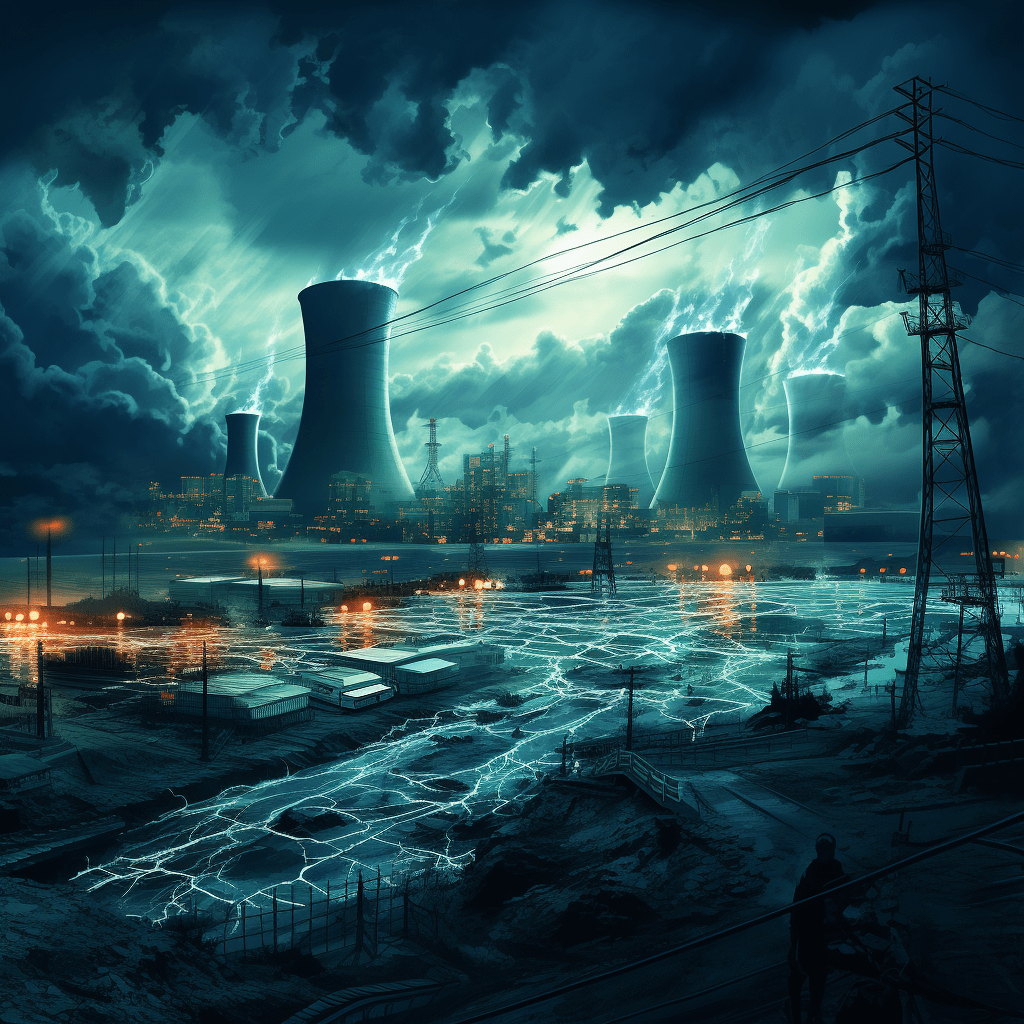
The premise of Nuclear Grid Theory rests on the idea of a widespread, interconnected network of small, safe nuclear reactors, which replace the conventional grid based on fossil fuels or intermittent renewables. The theory suggests that this approach could provide an abundance of reliable and clean energy, with minimal risk of accidents or weapon proliferation – issues that have historically hindered the adoption of nuclear power.
The Nuclear Grid and Energy Efficiency
A major advantage proposed by the Nuclear Grid Theory is the potential for a drastic increase in energy efficiency. Traditional power plants lose a significant amount of energy during transmission, with losses estimated to be as high as 8% in the United States. In the Nuclear Grid Theory, the smaller, localized reactors would be closer to the point of consumption, significantly reducing transmission losses.
Safety and Non-Proliferation in the Nuclear Grid
The Nuclear Grid Theory goes a long way in addressing the safety concerns traditionally associated with nuclear energy. Small modular reactors (SMRs) are often proposed in the context of this theory. SMRs have many safety benefits, including passive safety systems that rely on physics rather than mechanical systems to shut down in emergencies, making meltdowns practically impossible. The distributed nature of the grid also reduces the potential impact of any single accident.
Another concern with nuclear energy is the potential for weapon proliferation. However, modern SMR designs use fuel that is unsuitable for weapons, and many designs call for long operational periods without refuelling, limiting access to nuclear material.
The Role of Advanced Reactor Designs
Supporters of the Nuclear Grid Theory point to advances in nuclear reactor design that could make the concept feasible. These include not just SMRs, but also next-generation designs like molten salt reactors, which can use waste from existing reactors as fuel, and thorium reactors, which are efficient and produce less long-lived waste than conventional reactors.
Environmental Impact and Sustainability
Nuclear power is a low-carbon source of energy, and a nuclear grid could be a significant tool in the fight against climate change. Furthermore, next-generation reactors proposed for use in a nuclear grid can reduce nuclear waste and the associated environmental impact. By harnessing waste as a resource, these reactors could even help address the existing issue of nuclear waste disposal.
Implementing the Nuclear Grid
While the Nuclear Grid Theory presents an exciting vision for the future of energy, it’s crucial to recognize the challenges to its implementation. These include regulatory hurdles, the need for advances in reactor design, and the requirement for large-scale infrastructure changes. However, with the right investment in research and development, these challenges can be overcome.
Conclusion
The Nuclear Grid Theory is a compelling and intriguing concept, with the potential to transform our energy systems. While the theory is not without its challenges, it provides a promising pathway towards a future where clean, efficient, and reliable power is available to all. As we confront the realities of climate change, the need for innovative solutions like the Nuclear Grid Theory is clear. The evidence for its viability is compelling, and with further research and development, this theory could move from intriguing concept to reality.
 Wondergressive