


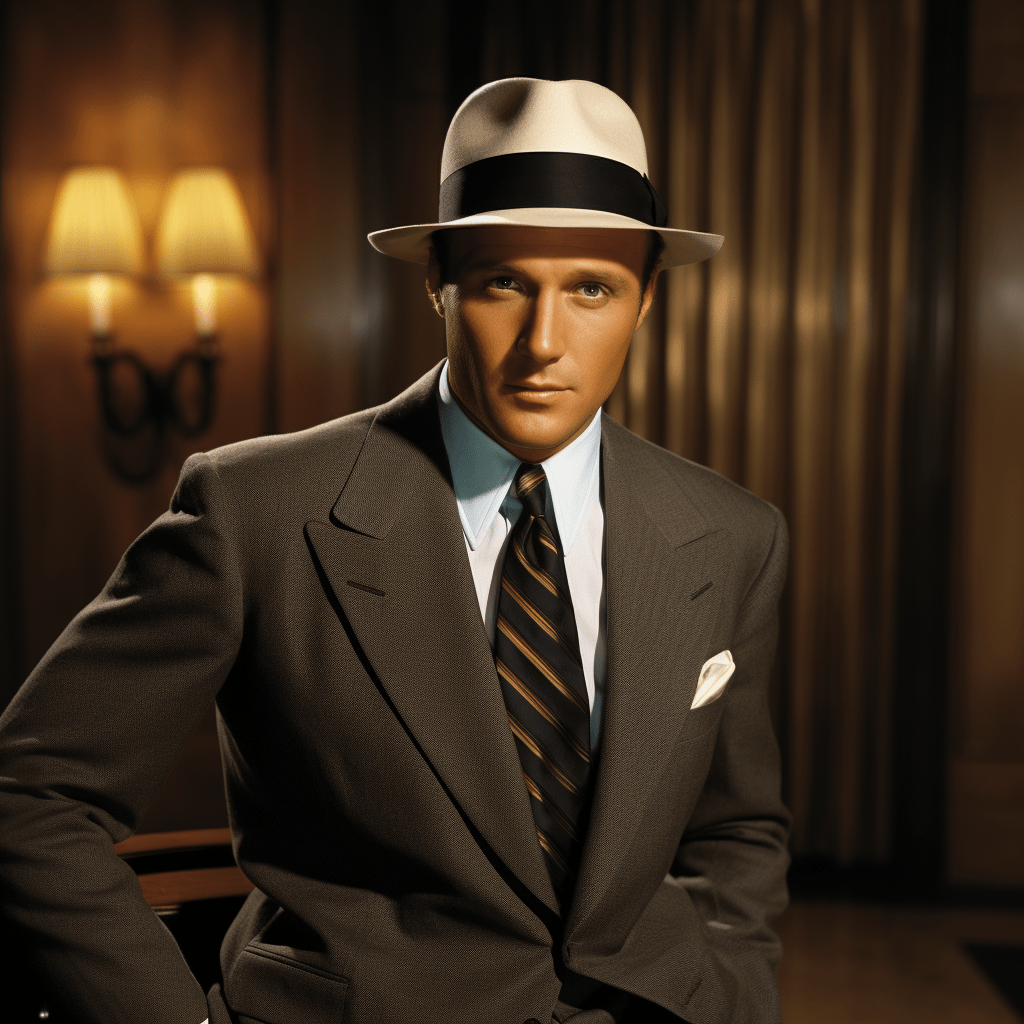
The portrayal of history, particularly when infused with a dash of Hollywood glamor, is bound to spark controversies. Perhaps no other case exemplifies this better than the contrasting receptions of Oliver Stone’s “JFK” and Warren Beatty’s “Bugsy.” While Stone was widely vilified for his conspiratorial interpretation of Kennedy’s assassination, Beatty received praise for his rendering of mobster Bugsy Siegel, raising compelling questions about the role of media and the entertainment industry in shaping public perceptions of historical figures.
Twisting Historical Narratives
Stone’s depiction of Jim Garrison, a New Orleans prosecutor painted as a sort of deranged hero, drew accusations of historical distortion and the polluting of young minds. The core message—America being controlled by a vast government and media conspiracy—was viewed as reckless sensationalism.
Meanwhile, “Bugsy” received a markedly different reception. Despite Siegel’s dark history as a murderer and racketeer, he was shown as an archetypal American dreamer—a charismatic visionary who imagined the potential of a barren desert and gave birth to Las Vegas. But, the question arises, how much of this portrayal is accurate? And does it not also constitute a twisting of historical truths?
The Myth of Bugsy’s Las Vegas Vision
In Beatty’s portrayal, Bugsy Siegel is seen standing amidst a desolate desert, struck by an epiphanic vision to construct Las Vegas. However, a dive into history reveals a different story. According to Robert Lacey’s biography of Meyer Lansky, “Little Man,” Siegel was not the pioneer he is often portrayed as. Two luxury casino-hotels were already marking the Las Vegas “strip” before Siegel’s involvement, and even the conception of the Flamingo Hotel was not his own. Siegel entered the picture only after construction had begun and eventually muscled out the original founder through his unsavory methods.
Patriotic Hero or Opportunist?
“Bugsy” romanticizes Siegel’s purported patriotic aspirations to assassinate Mussolini, casting another heroic hue on his character. However, Dean Jennings’ 1967 biography, “We Only Kill Each Other,” uncovers Siegel’s business dealings with Mussolini. Mussolini advanced him $40,000 for a new explosive type that Siegel had invested in. It was only after a failed demonstration of the explosive in Italy, where Siegel socialized with Mussolini, Goebbels, and Goering, that the relations soured.
A Broader Conspiracy
The discrepancies between the Hollywood representation and the actual historical narrative of Bugsy Siegel beg the question: are these distortions innocent or part of a larger, concerted effort to manipulate public opinion? And if Stone’s “JFK” can be criticized for historical inaccuracies, why does Beatty’s “Bugsy” escape similar scrutiny?
Could this be evidence of a conspiracy, stretching beyond the film industry to encompass influential media institutions like The New York Times, to glamorize nefarious characters while overshadowing genuine American heroes? In an era where media plays a pivotal role in shaping perceptions, it’s essential to examine these narratives critically and hold these distortions to account.
By presenting Siegel as a captivating, visionary figure, are we risking poisoning younger generations’ minds against the ideals of genuine American heroes? Perhaps it’s time to start questioning the narratives we are fed, analyzing the motivations behind their creation, and seeking out the truth beyond the glitz and glamor of Hollywood’s portrayal.
 Wondergressive