


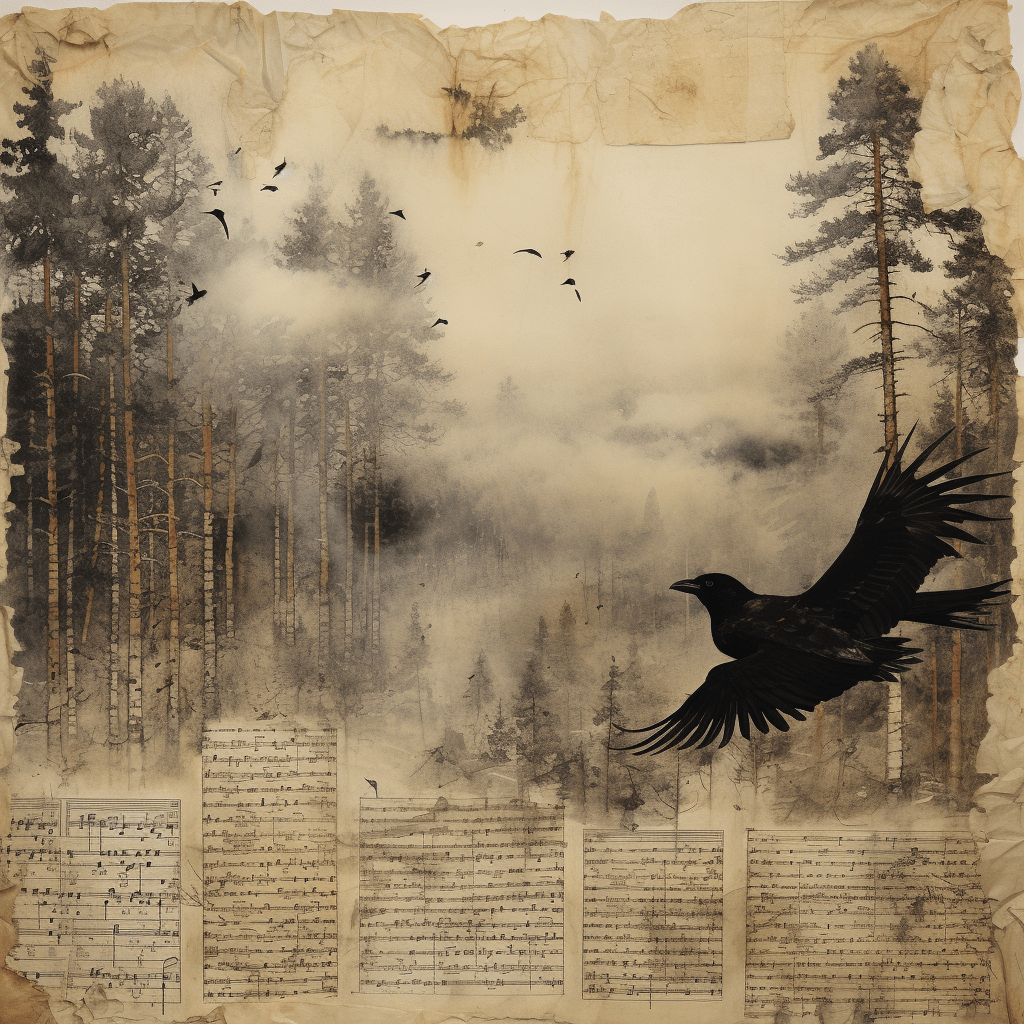
Lithuanian poetry has a rich and storied history that dates back hundreds of years. However, beyond the verses and stanzas, there lies an intriguing world of rumors, legends, and conspiracies that stir the imagination and pique the interest of poets, scholars, and conspiracy enthusiasts alike. From secret messages to hidden identities and coded languages, the world of Lithuanian poetry is rife with enigmatic tales that have yet to be fully explored. Let’s delve into some of these compelling mysteries.
Hidden Messages and Allegory
One of the most common conspiracy theories around Lithuanian poetry revolves around the use of hidden messages and allegory. Lithuanian poets, like many others around the world, have a long history of using their work to communicate secret messages or critique social and political situations in their country. This was particularly prevalent during periods of occupation and political upheaval when direct criticism was not possible.
For instance, during the Soviet era, it is believed that many poets coded their work to express dissent against the regime. They used symbolism and allegory to convey their messages, carefully crafting their words to pass the strict censorship. There are still debates and analyses today trying to decode some of these poems, pointing to the possibility that we have yet to fully understand the depths of resistance expressed in these works.
The Great Bard Mystery
Another conspiracy theory revolves around a figure known in Lithuanian literary circles as “The Great Bard.” This figure is believed to have been an influential poet whose works have shaped Lithuanian literature but whose identity remains unknown.
Some believe that The Great Bard was a single individual, perhaps a member of the Lithuanian nobility or even a clergyman, who used a pseudonym to publish their work. Others propose that The Great Bard might not be a single person but a collective of poets, contributing to a shared body of work under a single name. Despite numerous investigations and theories, the true identity or identities behind The Great Bard remain a mystery.
Coded Language
Another fascinating theory involves the use of ancient Lithuanian scripts and languages in poetry. Lithuania has a long history of oral and written traditions, and the Lithuanian language itself is one of the oldest in Europe.
Some believe that certain poems contain phrases or references in the old Baltic languages or coded scripts that were known only to a select few. These codes, they propose, may have been used to pass secret messages or preserve ancient knowledge that was at risk of being lost or suppressed.
A famous example is the poetry of Kristijonas Donelaitis, a significant figure in Lithuanian literature. Some researchers suggest that Donelaitis used complex linguistic structures and references to ancient Baltic mythology in his work as a form of coded language.
Final Thoughts
While these theories may sound far-fetched to some, they add an intriguing layer of mystery to Lithuanian poetry. They invite us to look beyond the words on the page and explore the deeper, more complex contexts in which these works were created. Whether or not these conspiracy theories hold true, they certainly make the world of Lithuanian poetry a fascinating field to explore.
Moreover, these theories speak volumes about the power of poetry as a tool for communication and resistance. They show us how poets, even under the most oppressive circumstances, found ways to express their thoughts, critique their societies, and keep their cultural heritage alive. As we continue to study Lithuanian poetry, we must keep our minds open to these possibilities and remember that every poem may hold more than meets the eye.
 Wondergressive