


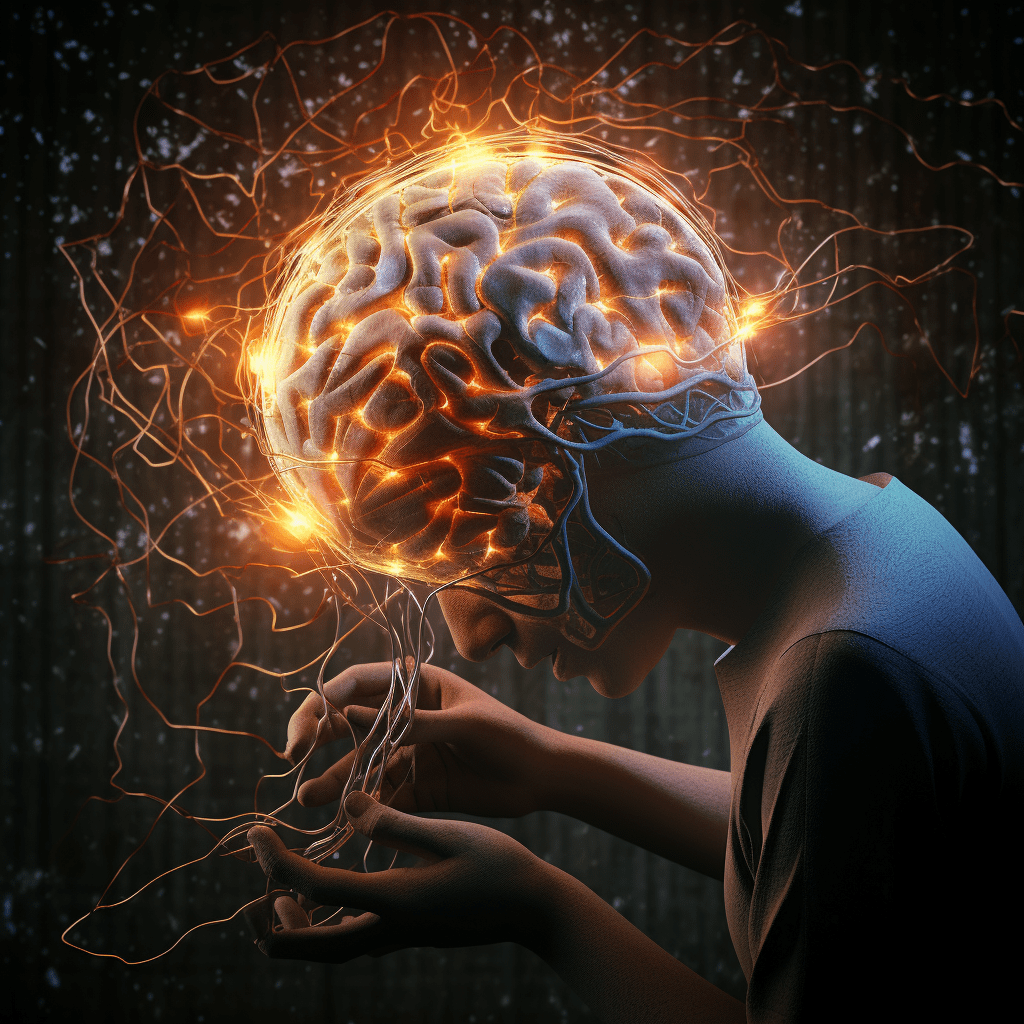
In the evolving world of neuroscience and technology, there’s a fascinating yet somewhat elusive concept: the senses programming theory. At its core, it purports that with the right tools and understanding, we could potentially program human senses like a computer code. Imagine altering your perception of reality or adjusting your sensitivity to various stimuli. While it might seem the stuff of science fiction, compelling evidence suggests it could be more science than fiction.
The Fundamentals of Sensory Processing
Before we delve into the theory, it’s essential to understand the basics of sensory processing. Our five senses—sight, hearing, touch, taste, and smell—rely on specialized receptor cells designed to detect specific types of stimuli. These stimuli are then translated into electrical signals, which the brain processes and interprets.
Synaptic Plasticity: The Key to Sensory Programming
Synaptic plasticity, the brain’s ability to strengthen or weaken synapses (connections between neurons), plays a crucial role in the senses programming theory. Research has shown that the brain’s plasticity is the basis for learning and memory. Therefore, it’s not a leap to consider that if we can influence this plasticity, we might be able to manipulate how we perceive and interpret sensory information.
Neurofeedback: A Step Towards Sensory Programming
One of the strongest pieces of evidence supporting the senses programming theory comes from neurofeedback, a process where individuals can control their brain waves while observing them in real-time. Neurofeedback is already being used to treat conditions like ADHD and anxiety, and ongoing research suggests it may also be used to enhance cognitive performance.
Virtual Reality (VR) and Augmented Reality (AR): The Technological Approach
The advancement of VR and AR technology is another intriguing aspect of the senses programming theory. These technologies are designed to manipulate our sensory perceptions and create a fully immersive experience. With the integration of haptic technology, for example, users can ‘feel’ virtual environments, suggesting we may soon program our senses to perceive a reality that isn’t physically present.
Cochlear Implants and Visual Prosthetics: Pioneering Medical Evidence
Cochlear implants and visual prosthetics already exist and have proven successful in substituting natural sensory input, essentially allowing doctors to program auditory and visual senses. This further strengthens the possibility that we can program and reprogram our senses.
The Future and Implications of Senses Programming
The implications of the senses programming theory are broad and exciting. In medicine, it could lead to the development of innovative treatments for sensory disorders or even sensory enhancements. On the other hand, ethical and psychological implications also need careful consideration. Could there be potential misuse in manipulating human perception?
Conclusion
While still a relatively new and complex concept, the senses programming theory has the potential to revolutionize our understanding of human sensory perception and cognitive function. The compelling evidence—synaptic plasticity, neurofeedback, VR and AR technologies, and successful medical devices—paint a picture of a future where programming our senses could become a reality. However, the exploration and eventual application of this theory must be accompanied by careful ethical deliberation and regulation to prevent misuse and unforeseen psychological impacts.
 Wondergressive