


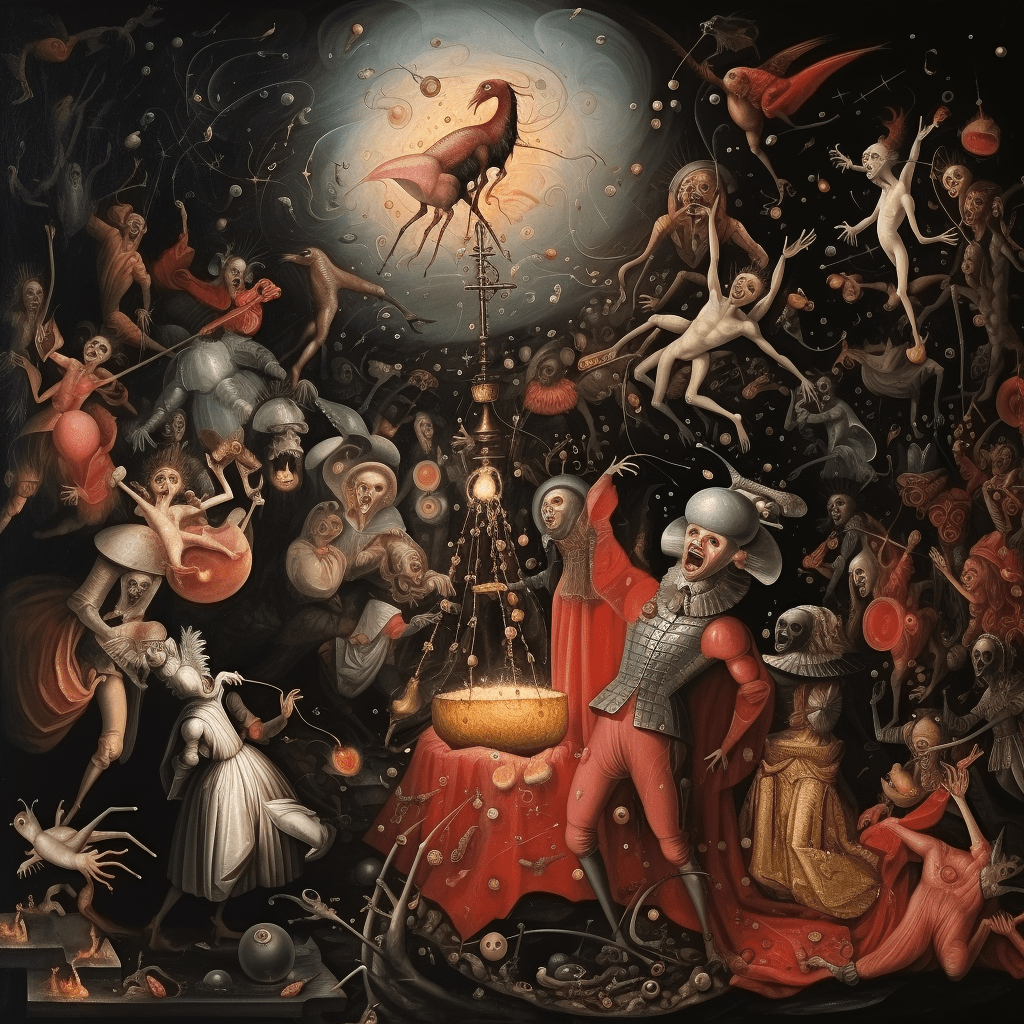
The worship of diseases, a seemingly outlandish notion, gains credibility when seen through the lens of history and anthropology. This concept, though rare, has manifested across several cultures and epochs, reflecting the attempts of our ancestors to understand, manage, and combat diseases.
Disease Deification in Ancient Civilizations
Ancient societies, lacking scientific understanding of diseases, often personified them into deities. For instance, ancient Romans venerated Febris, the goddess of fever, in hopes of appeasing her. Evidence of such veneration has been found in inscriptions on ancient votive tablets, suggesting that rituals and offerings were an integral part of these practices.
The Plague Saints
The Middle Ages in Europe saw a particular rise in disease worship following the Black Death. In their desperation, people started venerating “Plague Saints”, the most famous of whom was St. Sebastian, often depicted pierced by arrows, symbolic of the painful blisters caused by the plague. Others, like St. Roch and St. Rosalia, were also invoked for protection against contagious diseases. This form of worship reflected the population’s helplessness and search for divine intervention amidst their suffering.
Disease Worship and Indigenous Cultures
Across the globe, indigenous cultures present striking examples of disease worship. For instance, certain African and Australian aboriginal tribes have historically personified diseases into malevolent spirits or gods, believing that propitiation would bring respite or cure. Such practices often involved complex rituals and even sacrifices.
Modern Manifestations
In a contemporary context, this form of reverence is not as common, but remnants of it can be traced. The annual “Ganga Sagar Mela” in India is one example, where devotees endure extreme physical suffering, essentially courting diseases, to showcase their faith and attain spiritual cleansing. Furthermore, in certain Afro-Caribbean religions, there exist spirits of diseases who are honored in specific rituals.
Psychological Interpretations
Several psychological theories, such as the “Just World Hypothesis,” suggest that people, when confronted with situations beyond their control, often resort to supernatural explanations, creating gods of misfortune or diseases. The worship of these gods or spirits then acts as a coping mechanism, offering a sense of control over the uncontrollable.
Conclusion
While the worship of diseases may seem unusual or even absurd, it bears a profound significance when viewed as a cultural response to disease. It is not simply an act of veneration but an embodiment of humanity’s enduring quest for understanding and control in the face of uncertainty. Recognizing this facet of our collective past aids our understanding of how societies have historically related to disease and can provide valuable insights for contemporary health perspectives.
 Wondergressive