


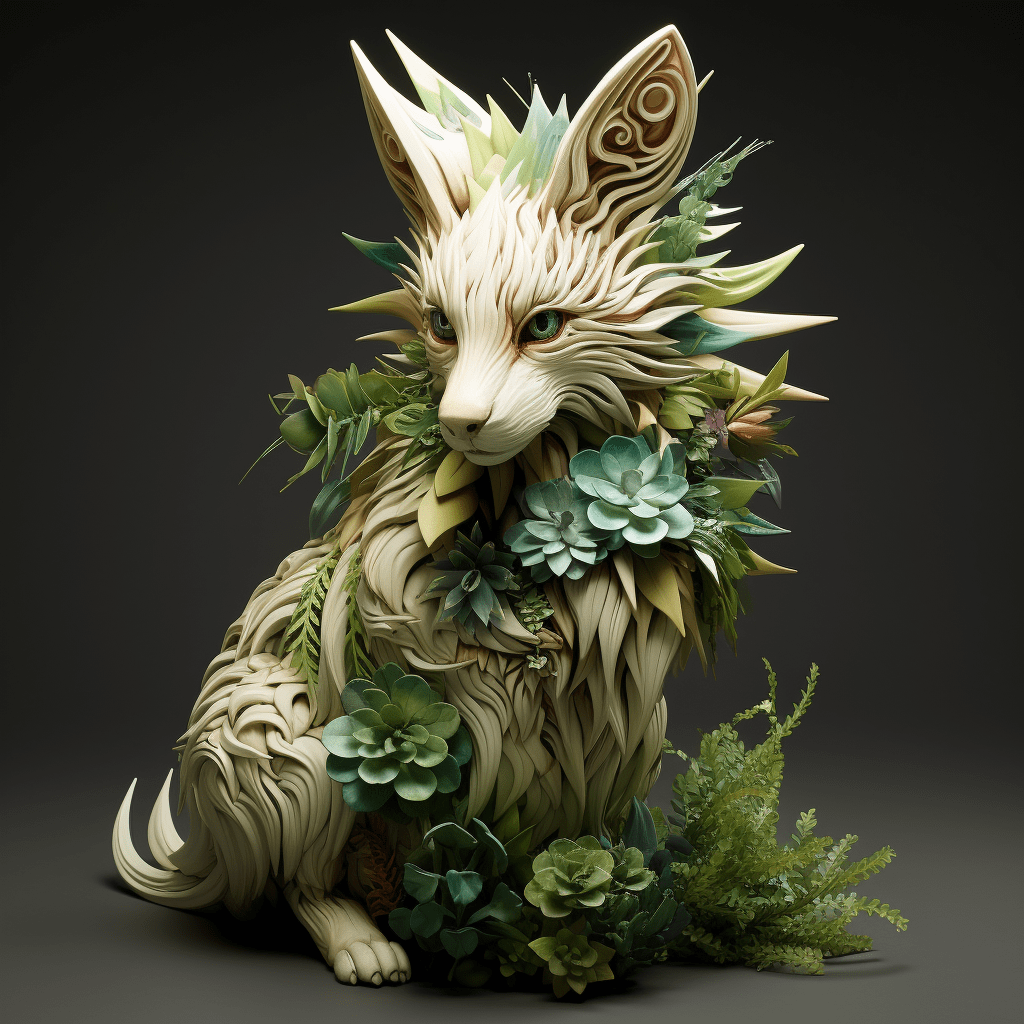
When one first hears the phrase “animal-plant hybrids,” it’s easy to envision something out of a science fiction novel or an eerie fantasy tale. Yet, this concept isn’t as far-fetched as it may initially sound. In recent years, scientific research has begun to blur the rigid boundaries traditionally established between the kingdoms of life.
Plant and Animal Differences: A Quick Recap
Before we delve into the idea of animal-plant hybrids, it’s necessary to understand what separates plants from animals. At the fundamental level, these two classifications of life are distinct in terms of cellular structure and mechanisms of energy production. Plants are autotrophic, meaning they produce their own food through photosynthesis, whereas animals are heterotrophic, relying on other organisms for food. Furthermore, plant cells possess cell walls and chloroplasts—features absent in animal cells.
Chimeric Entities: More Common Than We Think
One may argue that creating a hybrid between two fundamentally different organisms is not possible. However, nature has already provided examples of such biological blends. Coral, for instance, is an animal that hosts symbiotic algae within its cells, effectively merging the characteristics of plants and animals. The sea slug Elysia chlorotica takes this a step further. It not only ingests algae but retains the algae’s chloroplasts within its own cells, allowing the slug to photosynthesize.
Scientific Pursuits: The Emergence of Animal-Plant Hybrids
The intriguing natural examples have led scientists to investigate whether they can artificially engineer such hybrids. In a landmark study published in 2016, researchers at Stanford University introduced photosynthetic cyanobacteria into tadpole embryos. The experiment resulted in tadpoles with photosynthetic abilities, marking a step towards animal-plant hybrids.
Later, in 2019, a team of scientists from Colorado State University successfully produced tobacco plants with animal genes. The plants demonstrated enhanced photosynthesis, which could potentially revolutionize agricultural productivity.
Biohybrids: A Leap Towards Medical Breakthroughs
Beyond agricultural applications, the implications of animal-plant hybrids are profound in the medical field. Scientists are exploring the potential to engineer plants with human genes or cells to produce vaccines or other therapeutic proteins, a concept known as “pharming.”
Additionally, plant-animal hybrids can provide unique models for studying disease or developing innovative treatments. The integration of photosynthetic cells into animals could theoretically aid in treating diseases characterized by energy deficiencies, such as mitochondrial disorders.
The Road Ahead: Ethical and Scientific Considerations
While the concept of animal-plant hybrids is fascinating and holds immense potential, it’s not without challenges. Ethical considerations arise regarding the extent of genetic manipulation permissible and the potential consequences of introducing such hybrids into the ecosystem.
Scientifically, the biggest challenge is the fundamental differences in plant and animal cells. Transferring genes between these two different types of cells may not always result in the desired function due to differences in cellular mechanisms.
Nevertheless, the field of animal-plant hybrids presents an intriguing frontier of scientific research. As we continue to push the boundaries of our knowledge, the line between what is considered science fiction and reality may become increasingly blurred. The prospect of animal-plant hybrids provides a compelling glimpse into a future where biology’s traditional classifications could be rearranged, paving the way for extraordinary innovations in agriculture, medicine, and beyond.
 Wondergressive