


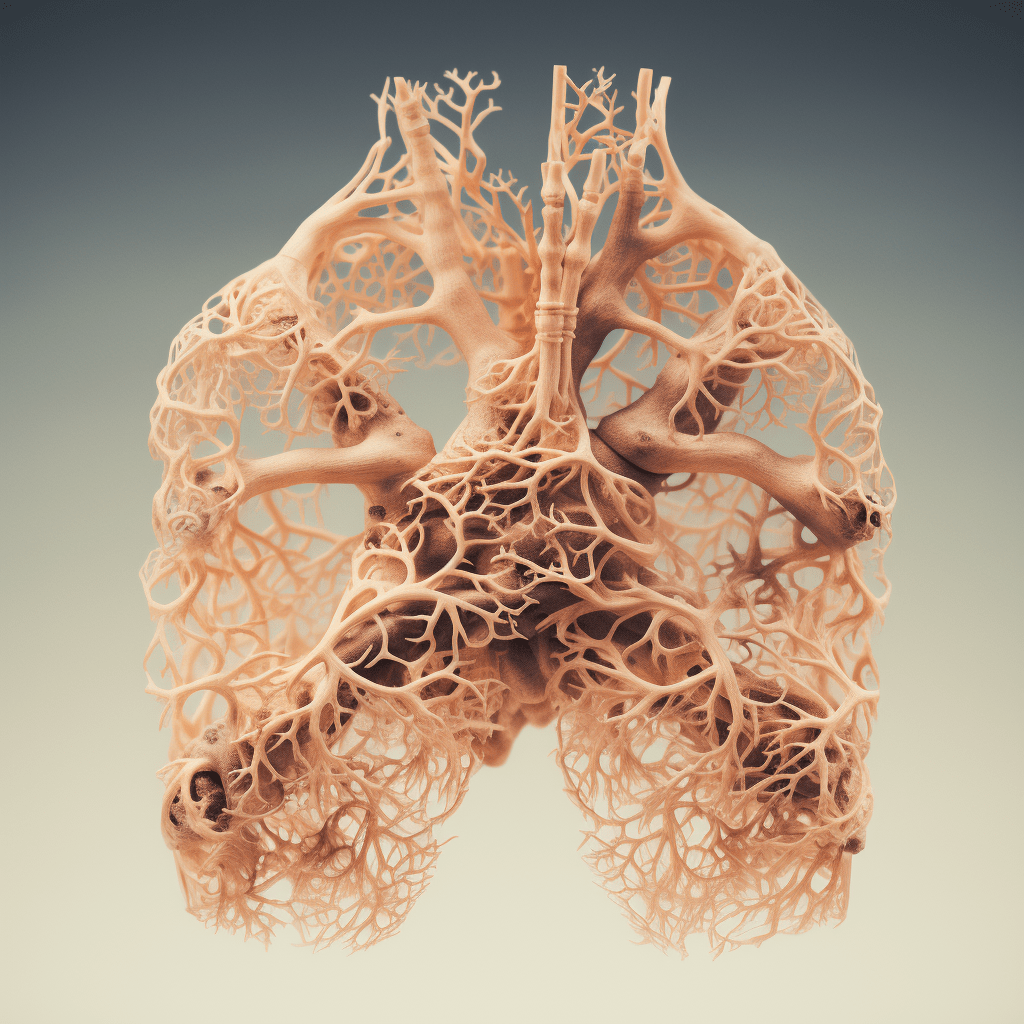
Organ decalcification has become a topic of considerable interest in the medical field. Some suggest that accumulated calcium deposits in the body’s organs could be a significant cause of various health issues. Let’s embark on an investigative journey exploring this intriguing subject.
What is Organ Decalcification?
Organ decalcification refers to the process of removing excess calcium from the body’s organs. It is a controversial concept, as conventional medicine usually associates calcium with healthy bones and teeth. However, excess calcium can accumulate in places where it doesn’t belong – leading to problems.
Why is Excess Calcium a Problem?
Calcium, though essential, becomes problematic when the body doesn’t use it correctly. It can accumulate in various organs, including the heart, kidneys, and brain, causing calcification. This excess calcium can contribute to diseases like coronary artery disease, kidney stones, and neurodegenerative disorders.
Understanding Calcification
Calcification often begins as a response to injury or inflammation. For instance, in atherosclerosis, a type of heart disease, fat, cholesterol, and calcium deposit along the artery walls, causing them to harden. This condition, known as calcification, reduces blood flow and increases the risk of heart attacks and strokes.
Decalcifying the Organs: Is It Possible?
Several health practitioners, nutritionists, and researchers believe that it’s possible to reduce or remove these calcium deposits, improving organ function and overall health. The primary methods often suggested include dietary changes, increased hydration, and the use of certain supplements.
Dietary Changes
A diet rich in magnesium and low in dairy products and calcium supplements may help. Magnesium can inhibit calcium absorption and re-dissolve calcium deposits. Foods high in magnesium include green leafy vegetables, avocados, nuts, and seeds.
Hydration and Its Role
Adequate hydration can aid in flushing out toxins, including calcium deposits. It ensures that the kidneys function optimally, filtering out excess minerals from the body.
The Role of Supplements
Some natural compounds like Vitamin K2 and EDTA have shown potential in reducing calcium deposits. Vitamin K2, present in fermented foods and certain cheeses, helps direct calcium to where it’s needed in the body.
Chelation therapy, which uses EDTA (a synthetic amino acid), can bind to calcium deposits and remove them from the body. Though controversial, some studies suggest that it might help in cases of atherosclerosis.
Decalcification and Brain Health
The pineal gland in the brain is particularly prone to calcification due to its high blood flow and concentration of minerals. Some researchers suggest that decalcifying the pineal gland could improve sleep patterns and increase overall wellbeing.
Conclusion
The theory of organ decalcification offers a compelling perspective on managing and improving health. While mainstream medicine might not fully accept these ideas, a growing body of research suggests that controlling calcium in the body could help mitigate several diseases. As always, any health intervention should be undertaken under the supervision of a healthcare professional. This concept of organ decalcification indeed paints a fascinating picture of a holistic approach to health and well-being, and only time and rigorous scientific research will determine the complete validity and acceptance of these practices.
 Wondergressive