


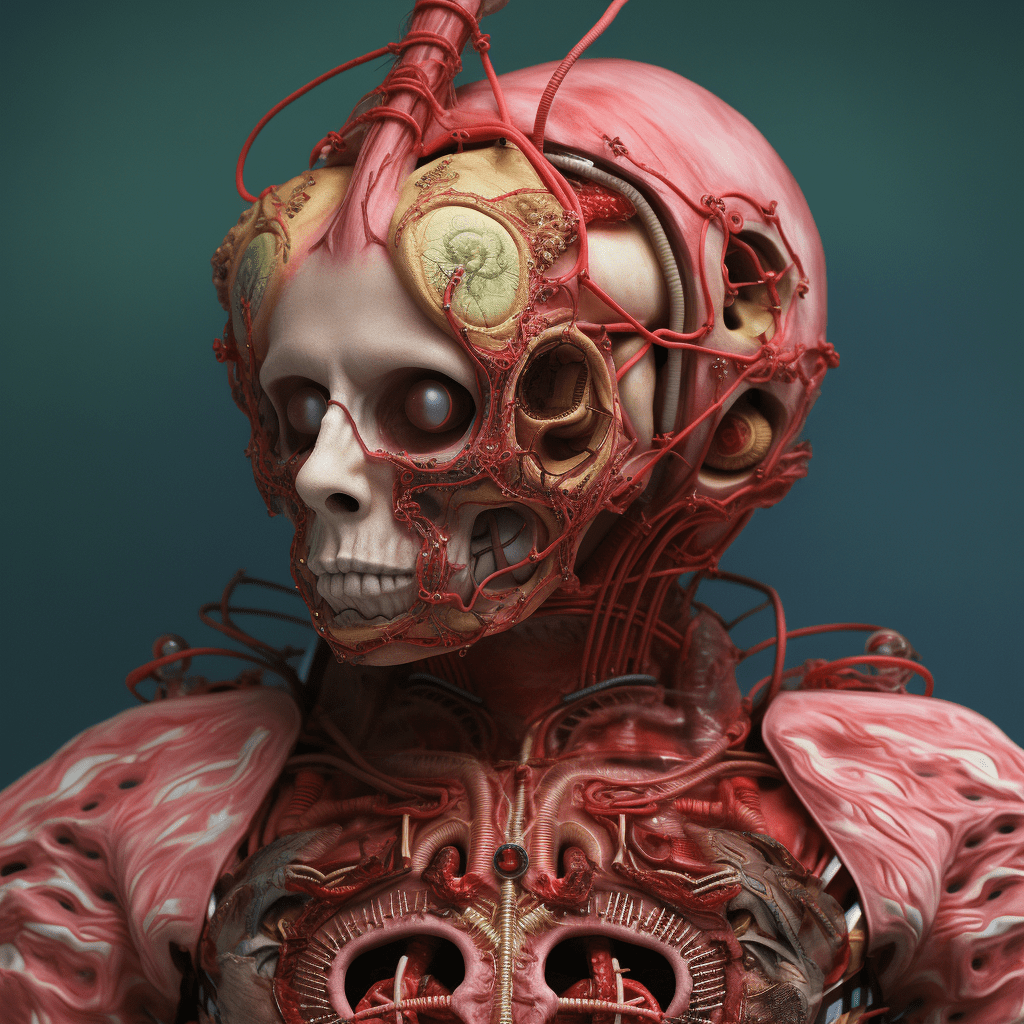
The human body, a complex web of interconnected systems, has been the subject of study for centuries. It is a source of amazement, with many secrets hidden in its labyrinthine design. This article explores the fascinating concept of ‘secret’ human organs, presenting compelling evidence that could shift our understanding of anatomy. It is crucial to note that while some ideas presented here have robust scientific backing, others are based on evolving theories, paving the way for intriguing debates and future research.
Rediscovering the Mesentery
Until recently, the mesentery, a double fold of the peritoneum lining the abdominal cavity, was thought to be a fragmented structure. However, in 2017, researchers at the University Hospital Limerick declared the mesentery a distinct organ. They posited that it plays a significant role in the body’s immune response, circulatory system, and fat metabolism. This recognition is reshaping our understanding of diseases like Crohn’s and obesity.
The Fascinating Interstitium
In 2018, scientists introduced a potential new organ, the interstitium, a network of fluid-filled spaces surrounded by connective tissue, present throughout the body. Although the scientific community is still deliberating its organ status, it could radically change our understanding of human biology. It is believed to play a role in shock absorption and might even spread cancer cells, providing new avenues for medical research.
Brain’s Lymphatic Vessels: Hidden in Plain Sight
One of the most fascinating discoveries of the last decade was the presence of a lymphatic system in the brain. These vessels, thought not to exist, were found in 2015, hidden in the dura mater’s sinus cavities. This revelation might fundamentally alter our approach to neurodegenerative diseases like Alzheimer’s, by improving our understanding of the brain’s waste removal system.
The Enigmatic Primo Vascular System
Perhaps the most contentious potential addition to our list of organs is the primo vascular system (PVS), also known as the Bonghan system. Allegedly discovered in the 1960s by North Korean scientist Kim Bong-Han and recently rediscovered, the PVS is hypothesized as a network of microscopic structures traversing the body, proposed to be the physical basis of acupuncture meridians in traditional Chinese medicine. While still under debate, some promising studies show compelling evidence, urging the need for further investigation.
Conclusion: Hidden Complexity and Future Exploration
While the existence of some secret organs is now accepted, others remain a topic of hot debate. The discovery of these hidden structures forces us to reassess our understanding of human biology. They present a potential shift in medical science, with far-reaching implications for disease treatment and management.
The concept of secret human organs invites us to maintain an open mind, appreciating the boundless complexity and fascinating depth of our own bodies. It serves as a potent reminder that despite centuries of research, the human body still harbors secrets, continuing to mystify and intrigue us. With advancing technology and investigative techniques, who knows what we will discover next in the depths of the human body?
 Wondergressive