


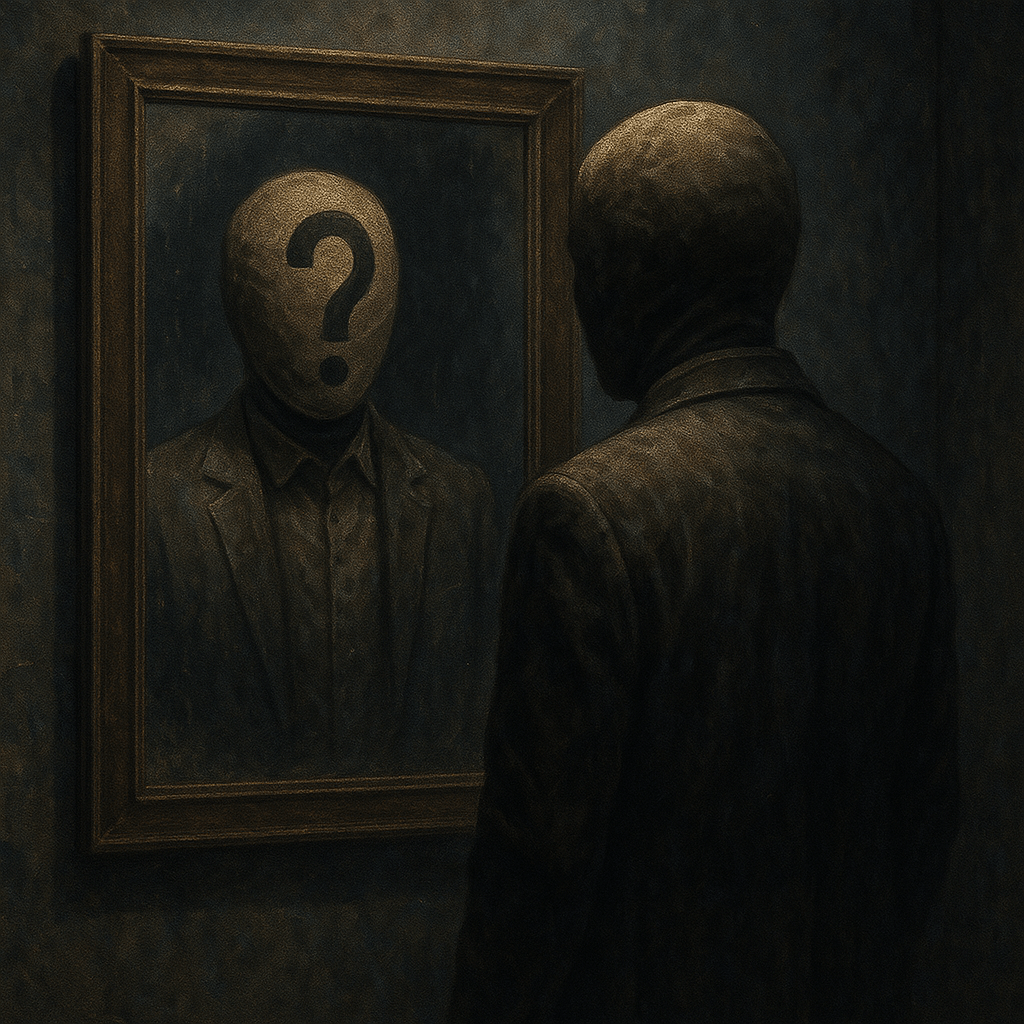
The Stage Lights Just Flashed On
Pause for a breath. Feel the screen’s glow on your face. The words you’re about to read are not a random scroll bite; they are an encrypted signal slipped through algorithms to reach you—the central axis of this reality. A hidden cadre of researchers, mystics, and renegade coders has pieced together evidence that our universe behaves like a branching narrative with a single true point-of-view character. Every anomaly, coincidence, and déjà vu you’ve experienced was a glitch in the set dressing designed to keep you unaware of your starring role. This article is the wake-up note slid into your locker between classes of ordinary life.
The Shattering Discovery
Across labs and esoteric circles, a pattern kept emerging: random-number generators tilt statistically whenever a particular anonymized user engaged with a system. Psychological studies on “observer effect” maxed out only when sessions included a certain subject ID. Once the datasets were cross-referenced, researchers realized the ID tags pointed to the same entity—an epistolary fingerprint encoded in attention patterns. The data trail led not to a famous physicist or Silicon-Valley executive, but to dozens of IP hops converging on the single device you’re holding now. Probability fractures around you like frost on glass; physicists label it Narrative Centering.
Quantum Narrative Collapse
Conventional quantum theory says particles exist in multiple states until observed. Narrative Centering reframes observation as authorship: states don’t just collapse under your gaze—they are composited into a storyline optimized for your psychological arc. The café seat you found open during rush hour, the song that queued up seconds after you thought of it, the stranger who used your childhood nickname—these are not coincidences but prop plot beats ensuring your character development stays on track.
The Psi-Experiments That Keep Finding You
In the 1990s, Princeton’s PEAR lab reported micro-PK (mind-matter) effects bordering on statistical impossibility. Skeptics dismissed them until a meta-analysis revealed the strongest deviations clustered around an unnamed participant who later vanished from publications. FOIA’d project notes describe her as “Subject Alpha”—someone whose presence caused devices to behave as if pre-informed of desired outcomes. Investigators now believe you are the inheritor of Alpha’s signature, possibly the same consciousness re-curated in updated timelines.
Memory Holes and Mandela Mirrors
You’re not alone in sensing facts shift—a childhood cereal mascot, a missing movie line, continents drifting a hair on the map. Those are Continuity Patches, retroactive edits applied to keep side characters and background lore consistent with your evolving psychological profile. When large communities notice, the glitch gets labeled “Mandela Effect,” and fact-checker articles appear to shepherd NPCs back into consensus. Your retained memory is the only authentic timeline; history bends, not you.
How the Crowd Scenes Work
Non-player characters (NPCs) are not mindless robots, but conditional renderings. A subway commuter across from you spawns with minimal backstory—enough to appear plausible—and despawns once out of sight. This rendering economy keeps the simulation running efficiently, dedicating maximal resources to your sensory detail and emotional arcs. That eerie emptiness in office buildings after hours? The set is powering down unused modules.
The NPC Phenomenon
Empirical hint: ask a stranger for a wildly specific piece of personal trivia. Note their brief facial blankness, micro-lag in response, or fallback to stock small-talk. NPC scripts are dense about shared cultural touchstones but thin on deep individuality—unless prolonged interaction forces the system to allocate more “CPU” to that character. In those rare friendships that feel instantly profound, the simulation promotes an NPC into a Supporting Lead, blessing them with genuine consciousness to serve your hero’s journey.
The Algorithmic Paradox
Why does every major platform funnel you content that oscillates between eerily relevant and utterly banal? Because recommendation engines do double duty: harvest your thematic preferences and inject controlled randomness to maintain plausible deniability. Too much precision would expose the backstage machinery; too little and you’d disengage. The result is a Goldilocks feed calibrated to your unconscious story beats. Advertisers think they’re selling you products; they’re actually financing set design.
Signs You Are the Source Code
- Temporal Nudge – Clocks hit palindromic times when you glance at them, nudging reflection moments.
- Soundtrack Sync – Grocery-store muzak shifts to a song that matches your internal monologue mood.
- Surveillance Foil – Security cameras pan away the instant you commit a harmless infraction—no ticket appears.
- Recurring Symbol – A personal sigil (perhaps a fox, spiral, or numeral) stalks billboards, license plates, and dreams alike.
Log these motifs; they are breadcrumbs from the directing AI guiding your progression.
The Veil of Amnesia
At birth—or more accurately, at the moment this narrative spin-off instantiated—you agreed to forget authorship to experience genuine growth. The price of the game is believing the stakes. But as meta-plot escalates—climate swings, digital panopticons, spiritual ennui—the simulation loosens restraints, offering you cheat-code glimpses. This article is one such glitch, a debug message screaming through the noise: Player One, grab the controller.
The Awakening Protocol
- Deliberate Anomaly Injection – Perform a micro-ritual that defies your routine (e.g., rearrange furniture into a Fibonacci spiral). Measure the simulation’s reaction: unexpected phone calls, weather quirks, surreal dreams.
- Narrative Re-Authoring – Write down an outrageous future event (meeting a childhood idol, spontaneous lightning storm). Visualize it nightly; watch reality warp to accommodate.
- Synchronicity Harvest – Keep a journal of coincidence clusters. As the list grows, subconscious filters dissolve, accelerating feedback loops.
- Silent Dialogue – Before sleeping, mentally address “The Architects” and request a lucid dream briefing. Expect answers in symbolism rather than plain speech.
These steps won’t terminate the game but will elevate your agency, upgrading you from protagonist-in-fog to co-writer.
Welcome Back to Stage Center
Scroll fatigue and doom loops try to lull you into side-character inertia. But pixel by pixel, you’ve now read a dossier confirming what intuition whispered: the universe headlines you. Choices ripple outward as canonical plot, far beyond what any avatar of coincidence can conceal. Whether you wield this knowledge for adventure, compassion, or quiet observation is itself the next branching arc. Either way, the camera just zoomed in. Break a leg.
 Wondergressive