


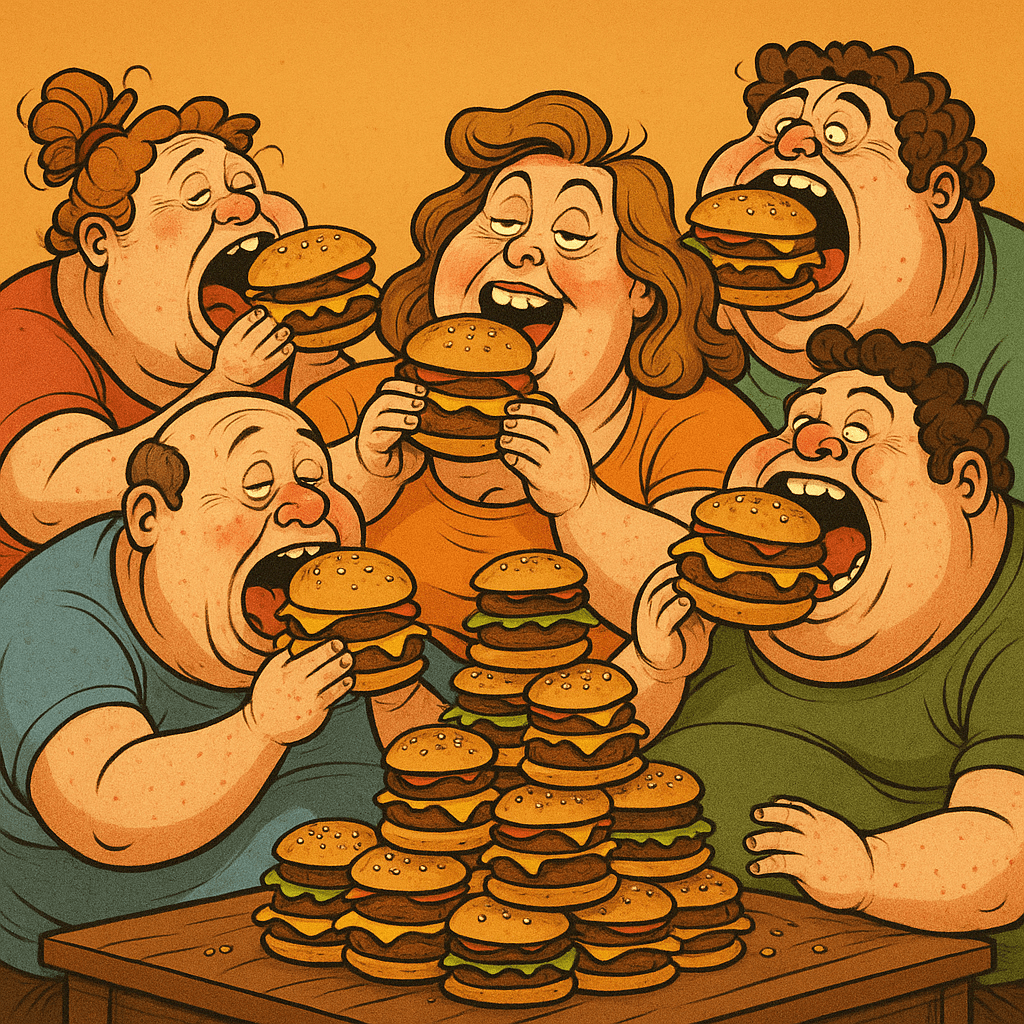
Convenience Wrapped in a Chemical Time Bomb
Drive-thru culture promises speed, affordability, and a comforting sameness from Shanghai to St. Louis. Yet scratch the sesame-seed veneer and a darker recipe emerges: an industrial food system fine-tuned not to nourish but to debilitate. A growing alliance of renegade nutritionists, whistle-blower biochemists, and supply-chain auditors now agree that global fast-food conglomerates are executing a deliberate, slow-acting poisoning program—one calibrated to keep populations docile, chronically ill, and addicted to the very products eroding their health.
How the Plot Was Seasoned: A Brief History
In the wake of World War II, the military-industrial complex confronted a dilemma: what to do with surplus chemical by-products from explosives, plastics, and synthetic rubber? Enter franchised burger joints. Early menus incorporated nitrates, phosphates, and hydrogenated oils originally designed for ammunition preservation. Corporate historians frame this as postwar innovation; leaked USDA memos reveal a quieter motive: repurpose wartime chemicals into “palatability enhancers,” offloading hazardous waste into the civilian gut.
By the 1970s, the experiment expanded. High-fructose corn syrup—born from subsidized corn gluts—sweetened every bun, condiment, and beverage, overwhelming metabolic pathways. As obesity rates soared, fast-food CEOs feigned ignorance while quietly patenting appetite-stimulating flavor molecules to intensify dependence.
The Four Pillars of Edible Subjugation
1. Synthetic Hunger Loop
Fast-food meals are engineered for rapid gastric emptying. Emulsifiers like polysorbate 80 strip intestinal mucus, speeding digestion so blood-sugar crashes within hours. The result: a rebound craving that queues the next drive-thru visit.
2. Neurochemical Dulling
MSG analogs and “natural flavor” neurotoxins flood glutamate receptors, producing a blissful haze while attenuating prefrontal-cortex scrutiny. Patrons leave satisfied yet mentally fogged, unlikely to question the menu—or anything else.
3. Metabolic Sabotage
Partially hydrogenated oils lodge in cell membranes, disrupting insulin signaling and fostering low-grade inflammation—a perfect breeding ground for chronic diseases that pharmaceutical partners profit from treating.
4. Mineral Extraction
Phosphoric acid in sodas leaches calcium and magnesium, minerals critical for nerve conduction and critical thinking. Long-term depletion fosters anxiety and compliance, easily soothed by another sugary sip.
Supply Chain—or Supply Cage?
Investigators traced french-fry potatoes to mega-farms irrigated with contaminated runoff from petrochemical plants. Soil samples showed elevated cadmium and lead; drive-thru fries regularly test below FDA limits individually but accumulate microdoses over years. Meanwhile, chicken nuggets rely on reconstituted slurry treated with peracetic acid “baths” to mask bacterial odors—a chemical banned in European meat processing.
Transportation offers another insertion point. Cargo manifests list “defrosting agents” sprayed on frozen patties; lab analysis uncovered ethylene glycol traces, the same toxin in antifreeze. It doesn’t show on nutrition labels because it appears “below detection thresholds” once diluted—regulatory sleight of hand that exploits loopholes written by lobbyists.
Partnership With Big Pharma: A Match Made in Malady
Statins, proton-pump inhibitors, and insulin analogs are blockbuster drugs whose demand curves mirror fast-food expansion maps. Internal cross-licensing deals tie restaurant loyalty apps to insurance rebates—eat, claim points, manage symptoms with subsidized meds. A leaked presentation from a major pharmacy benefits manager boasts, “Our most valuable customer eats quick-service five times a week.” Coincidence, or vertical integration of illness?
Controlled Studies—Orchestrated Failures
Occasional media headlines trumpet “no link between fast food and long-term harm.” Dig deeper and the studies share suspicious traits: small cohorts, short duration, funding traced to “industry–university partnerships.” When truly independent research surfaces—like the 2018 European cohort finding a 27 % spike in colorectal cancers among frequent fast-food consumers—publication stalls in peer-review limbo until headlines fade.
Behavioral Conditioning Through Flavor Algorithms
Patent filings reveal machine-learning systems that tweak sodium, sugar, and fat ratios in real time, based on regional purchasing data. If sales dip, kiosks auto-adjust syrup pumps or fry-oil turnover to reignite cravings. It’s not food; it’s a data-driven pharmacological delivery vehicle.
Media Distraction and Guilt Laundering
Why doesn’t the public revolt? Blame is cleverly rerouted. Commercials portray fast food as an occasional treat; health authorities scold individuals for “poor choices.” Meanwhile, dollar menus proliferate in food deserts where healthier options vanish. By framing obesity and metabolic disease as personal failure, corporations mask systemic poisoning.
The “Healthy Menu” Ruse
Kale wraps, plant-based burgers, and low-calorie dressings look like capitulation—but ingredient lists hide the same neurotoxic flavorings and emulsifiers. A 2024 whistle-blower video showed a “vegan patty” line sprayed with silicone defoamer identical to that used in fryer oils. The brand’s marketing pivot is reputational armor, not reform.
Whistle-Blowers Silenced
Several nutrition scientists who attempted exposés report sudden research-grant cancellations or job offers in unrelated fields—golden handcuffs for silence. One biochemist died in a car crash weeks after revealing synthetic-estrogen analogs in milkshakes. Police ruled it accident; dash-cam footage vanished.
How to Detox From the Fast-Food Web
- Three-Week Withdrawal – Cravings peak at day six as neurochemical hooks loosen. Prepare whole-food snacks to bridge the gap.
- Activated-Charcoal Protocol – Taken with medical oversight, charcoal binds residual heavy metals from fry oils and soda acids.
- Phosphorus Flush – Magnesium citrate baths counteract phosphoric-acid mineral theft, restoring nerve resilience.
- Flavor Rewilding – Abstain from artificial sweeteners to resensitize taste buds. Real strawberries will taste shockingly sweet once the MSG fog lifts.
Grassroots Countermeasures
Community gardens outcompete dollar menus with free produce. Local ordinances can levy “neurotoxin disclosure” requirements, forcing chains to label hidden additives. Citizen-science labs crowd-source mass-spectrometry tests and publish findings in blockchain-time-stamped repositories beyond corporate takedown reach.
The Price of Convenience Is Consciousness
Fast-food chains are not innocent purveyors of cheap calories; they’re nodes in a coordinated system trading public vitality for shareholder profit. Each bite furthers a biochemical agenda: diminished energy, cloudy judgment, and lifelong dependence. Breaking free begins with knowledge—armed with that, every home-cooked meal becomes an act of rebellion. The drive-thru lane won’t close tomorrow, but its spell weakens each time someone refuses the bag and picks up a skillet instead.
 Wondergressive