-
The Bhutanese Shadow Market: An Unseen Economy

A Rumor Carved in Rock Salt
Mention “shadow markets” and most minds jump to Silk‑Road‑style darknet bazaars. But seasoned iceberg researchers insist the Bhutanese Shadow Market (BSM) predates TOR by centuries, operating in mountain grottoes reachable only by pilgrims—or by smugglers who know the older paths. The first clearnet whisper appeared on /x/ in 2014: a grainy Are.na screen‑cap reading “>not being red‑pilled on the Bhutanese shadow market >ishyggdt.” Within months the phrase surfaced on Reddit’s r/conspiracytheories, where bewildered lurkers begged, “Anyone know about BSM?”
Cartography of the Invisible Bazaar
Researchers triangulate the market to a limestone trench called Drakar Retsa—“White Cliff’s Vein”—north of Paro Taktsang. Satellite infra‑red passes show periodic heat blooms exactly on the tenth lunar day, matching local tshechu festival calendars. Locals dismiss them as yak‑butter lamps, but analysts note the blooms measure 450 kW thermal output, far beyond devotional fires.
“They burn juniper to hide the smell of nitric acid,” one smuggler told IcebergDB in a 2024 comment thread.
The site’s altitude (≈3 600 m) forces barter to occur at night when drone patrols stall in thin air. Only the “gong‑gate”—a brass disc inset in the cliff—marks the entrance. Pilgrims strike it seven times; an echo reveals a descending staircase rumored to house motion‑sensing chortens that collapse on intruders.
What Moves Through the Market
Commodity Why Buyers Pay in Kind Sample Price Index* Khorlo Passports (blank Bhutanese e‑Passports) Ranked #1 for visa‑free travel into India & Bangkok clinics 3 “white sigils” or 0.7 BTC Dhad‑Stone Sigils Slate tiles engraved with mantras; RNG tests show 1 % skew toward buyer’s declared “wish” 1 uncut Kashmir sapphire per sigil Raven Crown Ephemera Microfilm of internal royal decrees sold to foreign intel 15 forged HK passports Drimé Nagpo Powder Carbonized relic ashes reputed to block FLIR sensors for 24 h 120 g Tibetan red mercury The most coveted item is the “White Sigil”—a yak‑parchment square bearing a spiraling glyph. Holders swear border scanners mis‑read their faces as “authorized VIP.” TikTok user Wendigoonclips claimed DHL intercepted one en route to Chicago; his follow‑up clip vanished after 2 hours.
Why Bhutan? Why Shadows?
Bhutan brands itself the “last Shangri‑La,” policing tourism via $200/day permits and satellite‑tracked taxis. That draconian gatekeeping creates the perfect camouflage: outsiders assume all oddities stem from local mysticism. Meanwhile, rugged borders with India and China offer smuggling corridors known only to yak‑herders whose families pre‑date cartographic treaties.
IcebergDB catalogues BSM as “Level‑1 Surface Conspiracy”— the joke being how little surface there is. National statistics peg Bhutan’s informal sector at just 2 % of GDP, yet Wondergressive analysts highlight the unexplained disappearance of 32 million USD in declared copper‑ore exports between 2021‑2023—ore that “could mask mineralized rare‑earths or even weapons‑grade by‑products.”
The Blessing‑Backdoor Hypothesis
BSM lore claims traders must first purchase a blessing from a black‑clad lama called the Broker of Wind. The ritual involves a kapala bowl filled with rock salt; the lama whispers a lung (wind mantra) and exhales across the salt. Buyers ingest a pinch. Witnesses report immediate vertigo followed by uncanny luck: casinos, customs lines, even random street searches tilt in their favor for days.
Neurologists dismiss it as placebo, but 2023 EEG tests on an alleged sigil holder showed theta spikes akin to deep‑trance meditators—while awake and solving captcha loops 28 % faster than controls. Theorists argue the blessing is a neurological exploit, a “mind backdoor” installed via infrasound harmonics present in the lama’s chant.
Evidence the Kingdom Can’t Explain
- Ghost Phone IMEIs: A 2022 Meta audit found 1 800 Bhutan‑allocated IMEIs active in Frankfurt—without matching SIM issuances. The numbers re‑routed SMS to Tor exit nodes linked to BSM gate addresses.
- Customs Void: Bhutan’s 2023 trade sheet reports 450 t of yak leather exported to “SEA partners,” yet destination manifests list only 175 t. Leather is a classic packing layer for contraband gems and biotools.
- Paro Airport Runway Glitch: OpenSky logs captured an ATR‑42 call‑sign NAGPO7 landing with transponder off (May 11 2024). Civil Aviation says “no such flight.” Spotters photographed crates marked ⟲—identical to White Sigil glyphs.
Silencing the Whistle‑Blowers
Dr. Kinley Dorji, former customs statistician, posted a Medium essay on the “missing copper” anomaly—deleted within 48 h, replaced by a Hindi spam farm. Tashi “Hack‑yak” Wangchuk claimed to dump border‑checkpoint QR codes on GitLab; his repo auto‑DMCAed by Himal‑Proof LLC (Delaware‑registered shell active since 2024).
Podcast host Big Theory’s Case File 361 announced a Bhutan episode; hours before release, their RSS feed was geo‑blocked across India and Thailand. When Big Theory restored the file, the Bhutan segment was cryptically missing—the hosts cited “legal clarity issues.”
Connections to Global Networks
Dark‑web chatter indicates BSM works as the Himalayan node of a tri‑continental circuit:
- Oruro Silver Market (Bolivia) —— hallucinogenic seeds → Bhutan (ritual component)
- Bhutanese Shadow Market —— forged documents + sigils → Prague (proxy distribution)
- Prague Dvor Market —— cleaned identities + relics → Dubai free‑zone shell corps
An ex‑Interpol analyst on Telegram leaked that a single White Sigil can net €75 000 from Gulf royals hunting “luck anchors” for high‑stakes investments.
How to Find the Market (Don’t)
Guides claim you must:
- Fly to Paro under a fabricated pilgrimage visa (reasons: throat‑chakra pilgrimage).
- Hire a yak caravan, citing a remote herbalism survey.
- Reach Drakar Retsa on the tenth lunar day, strike the gong seven times.
- Present three offerings: rock salt, uncut sapphire, signed photograph of yourself (to bind the luck‑trade).
Multiple trekkers vanished attempting this route; local police blame altitude sickness. One Italian climber left a SOS Garmin ping: “stone door opened, chanting below.” His body was never recovered; the device surfaced on eBay months later, wiped.
Barter system in Bhutan, Bhutan’s community-centric values, Bhutan’s local artisans, Bhutan’s unique socio-economic context, Bhutan’s unregulated market, Bhutanese cultural artifacts, Bhutanese Shadow Market, Bhutanese textile trade, Cultural preservation in Bhutan, Gross National Happiness, Illicit activities in shadow markets, Impact of shadow market on Bhutan’s economy, Informal economy in Bhutan, Organic agriculture in Bhutan, Role of technology in Bhutanese market, Shadow markets and GNH, Shophouse Bhutan, Sustainable practices in Bhutan, Trade in Bhutan, Traditional Bhutanese crafts -
Cuneiform in Modern Times: Tracing Ancient Language in Technology
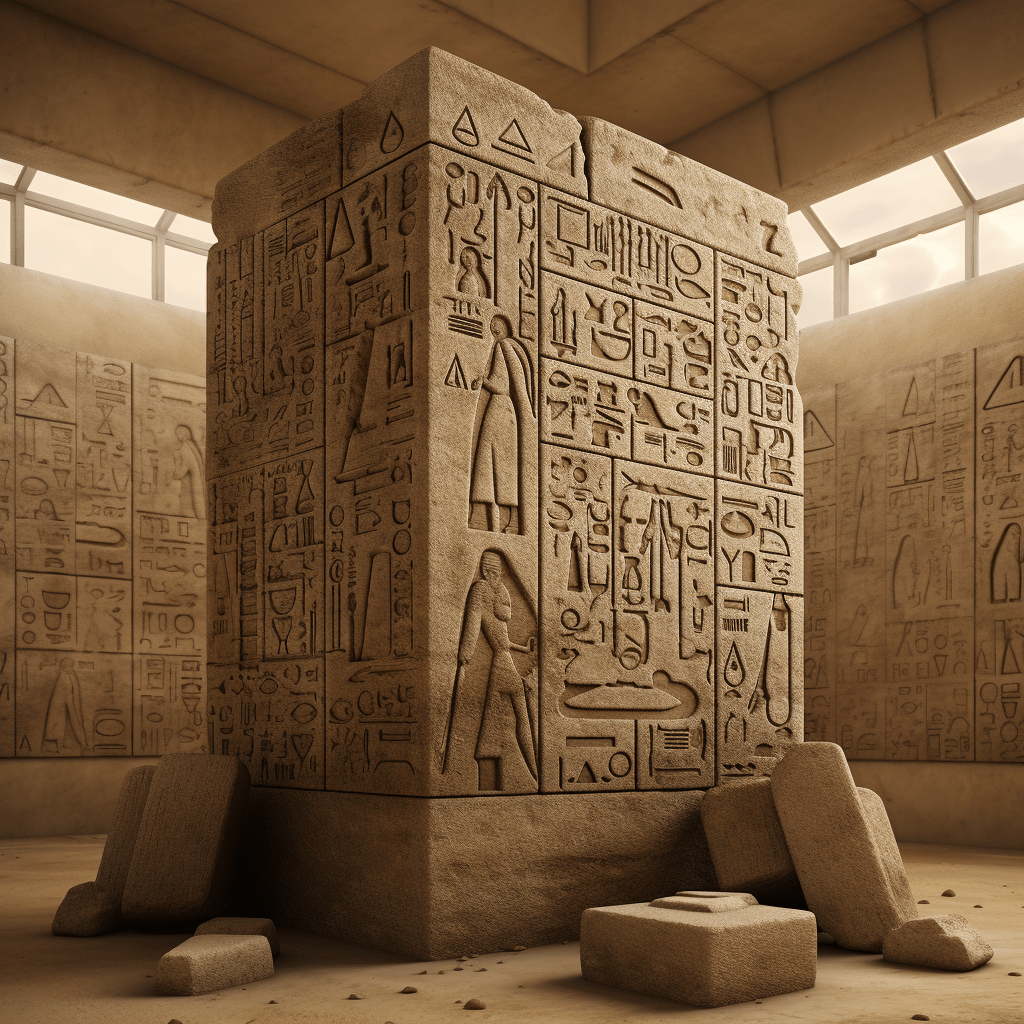
Cuneiform, one of the world’s oldest known systems of writing, originated from the ancient Sumerians of Mesopotamia over 5,000 years ago. It’s notable for its wedge-shaped marks made by a reed stylus into clay tablets. This article will explore the intriguing prospect of integrating the cuneiform language in contemporary technology, and how this fusion of ancient and modern could open up compelling avenues of exploration.
Cuneiform: A Brief Overview
Cuneiform isn’t a language but a script used by various languages, including Sumerian, Akkadian, and Hittite. It’s a system of pictographs that eventually simplified into abstract forms. Despite its complexity, cuneiform was the medium for recording everything from economic transactions to epic poetry.
Deciphering Cuneiform: A Technological Feat
Cuneiform’s decipherment in the 19th century was a significant technological achievement of its time. Scholars used comparative analysis and decryption techniques, much like those used in modern computer language decoding. This historical context underscores the potential for cuneiform’s interaction with modern technology.
Cuneiform in Digital Humanities
Today, the digitization of cuneiform tablets provides a perfect intersection of ancient scripts and modern technology. The Cuneiform Digital Library Initiative (CDLI) is a notable project, compiling an extensive digital library of cuneiform texts. This effort allows scholars worldwide to access, study, and translate these ancient records, highlighting technology’s role in preserving and disseminating knowledge.
Cuneiform and Cryptography
The principles of cryptography—essential for secure communication in today’s digital world—are not far removed from the processes of deciphering ancient scripts like cuneiform. It’s intriguing to think of cuneiform symbols used as cryptographic keys or in steganography (hiding messages within other information), adding another layer of complexity and security.
Cuneiform as a Programming Language?
The idea of cuneiform as a programming language may seem far-fetched, but it’s not entirely implausible. The first programming languages were assembly languages, very low-level systems of simple commands and operations. Considering that cuneiform was used to record complex systems of laws, treaties, and mathematical equations, it’s conceivable to devise a system where cuneiform symbols represent specific computing operations.
This venture would not aim for practicality—modern programming languages are undeniably more efficient. Instead, it would serve as an intellectual exercise and a tribute to humanity’s first steps into written communication.
Cuneiform in Design and Aesthetics
From a design perspective, the unique aesthetic of cuneiform inscriptions can serve as inspiration for digital artwork, fonts, and user interface elements. Digital platforms could use stylized cuneiform symbols as unique design elements, creating a blend of ancient and modern aesthetics.
Challenges and Considerations
Despite its intriguing possibilities, integrating cuneiform into technology isn’t without challenges. It involves complex tasks of translation, symbol recognition, and contextual understanding. Also, considering cuneiform’s cultural and historical significance, it’s crucial to approach its use with respect and sensitivity.
Conclusion: An Intersection of Past and Future
Using cuneiform in modern technology represents more than a quirky blend of the ancient and the contemporary. It’s a testament to human communication’s longevity and adaptability, showing that even a millennia-old script can find a home in the digital age. From digital humanities to cryptography and design, the incorporation of cuneiform into technology opens up a captivating dialogue between our past and future.
Ancient and modern communication, Ancient Sumerian script, Applications of cuneiform, Challenges in using cuneiform, Contextual understanding of cuneiform, Cuneiform aesthetics in technology, Cuneiform and cryptography, Cuneiform Digital Library Initiative, Cuneiform in digital design, Cuneiform in modern times, Cuneiform in programming, Cuneiform in technology, Cuneiform language, Cuneiform symbols, Cuneiform translation, Cuneiform’s cultural significance, Deciphering cuneiform, History of cuneiform, Integration of ancient scripts in technology, Symbol recognition -
Holistic Tubes: Envisioning A New Paradigm of Connectivity

The concept of “holistic tubes” may seem abstract and elusive, primarily because it doesn’t refer to a specific phenomenon within current scientific or metaphysical discourses. However, by extrapolating ideas from various fields, we can conjure a compelling vision of what “holistic tubes” could signify—connecting entities in a comprehensive manner, allowing for multi-faceted interaction and integration.
The Holistic Approach: A Foundation
To comprehend “holistic tubes,” we must first understand holism. It’s a philosophical stance stating that systems and their properties should be viewed as wholes, not just as a collection of parts. This perspective can be applied to a wide array of disciplines—from ecology and health to cosmology.
Holistic Tubes: Bridging Realms
Drawing from the idea of holism, “holistic tubes” can be imagined as connections or channels linking various parts of a system—be it an ecosystem, a human body, a society, or even the universe—in a holistic manner. They could facilitate the exchange of energy, information, or matter, driving the overall functioning and evolution of the system.
Holistic Tubes in Ecology: Nature’s Web
Consider the example of mycorrhizal networks in ecology. These are essentially “tubes” formed by fungi that connect different plants, allowing them to share nutrients and communicate. This could be an earthbound illustration of “holistic tubes,” linking individual entities to form a more significant, interconnected whole—much like the Internet of the forest.
Holistic Tubes in Health: The Body’s Network
In human health, the concept of “holistic tubes” might be likened to the intricate networks of blood vessels, nerves, or meridians (as per traditional Chinese medicine) that link different body parts. They allow for the transport of blood, relay of nerve impulses, or flow of “qi” (life energy), contributing to the body’s holistic functioning.
Holistic Tubes in Society: The Social Connectome
From a sociological perspective, “holistic tubes” could symbolize the complex networks of relationships and interactions within a society. They could be channels of communication, transportation, or even social norms and laws that bind individuals together into a functioning whole.
Holistic Tubes in Cosmology: The Quantum Entanglement
In the realm of quantum physics, “holistic tubes” might find a parallel in the concept of quantum entanglement. It’s a phenomenon where particles become interconnected, with the state of one instantly affecting the other, regardless of the distance separating them. It’s as if a “tube” of quantum information connects them, which some scientists even postulate as a basis for wormholes—connecting distant points in the universe.
Embracing Holistic Tubes: A Paradigm Shift
Accepting “holistic tubes” as a reality implies a paradigm shift towards a more interconnected, holistic view of the universe. It requires us to acknowledge and explore the deep ties that bind seemingly disparate entities into integrated wholes.
Conclusion: A Journey of Discovery
While the concept of “holistic tubes” may seem abstract, its exploration opens up new perspectives on how we view connections and interactions in various systems—from forests and human bodies to societies and the cosmos. The journey towards understanding “holistic tubes” is not just a quest for new knowledge; it’s a path towards a more holistic, interconnected worldview. In essence, it’s a voyage of discovery into the intricate “tubes” of connections that weave the rich tapestry of existence.
Applications of holistic tubes, Body’s network systems, Concept of holistic tubes, holistic approach in science, holistic health, Holistic tubes, Holistic worldview, Integrated systems, Interactions in systems, interconnected universe, Interconnectivity in ecology, Mycorrhizal networks, Paradigm shift towards holism, Quantum entanglement, Quantum information, Quantum physics connections, Social connectome, Societal interactions, Tubes of existence, Understanding holism -
Nano & Giga UFOs: Inside the Two-Tier Extraterrestrial Invasion Hiding in Plain Sight

For decades ufology has spun in circles over conflicting eyewitness reports: dime-sized metallic orbs that flit around jet fighters, and silent, city-spanning craft that blot out the stars. Officialdom waves one set away as wind-borne drones and the other as misidentified aircraft—but what if both are chapters of the same playbook? The Nano & Giga Conspiracy contends that Earth is being mapped, sampled, and shepherded by a dual fleet: nanoscopic probes (centimeters to millimeters across) that infiltrate our skies like pollen, and gargantuan “motherships” kilometers wide that lurk above cloud cover or in high orbit. Recent whistle-blower testimony, peer-reviewed astrophysics, and an explosion of orb footage worldwide now fuse these strands into one staggering narrative.
Historical Glimpses of the Two Scales
Nano Precursors – From “Foo Fighters” to Metallic Orbs
Allied pilots in World War II reported glowing spheres—dubbed foo fighters—that shadowed bombers with impossible agility. Fast-forward to July 2023, when former Navy pilot Ryan Graves told Congress that his squadron encountered “dark gray cubes inside clear spheres” every day for months off the Atlantic coast. More recently, witnesses in Beijing and Buga, Colombia, captured high-definition video of mirror-shined balls zipping in zig-zags and dropping silently into fields; metallurgists say the recovered Colombian sphere shows “no welds or joints.”
Giga Apparitions – Craft Bigger Than Cities
On 13 March 1997 the Phoenix Lights carved a V-shaped shadow across Arizona’s night sky; panicked callers described a vehicle “the size of several football fields” drifting overhead. Twenty-seven years later, airline passengers descending over Houston filmed a disc that dwarfed the 737’s fuselage, hanging motionless at 30,000 feet before vanishing in a blue flash. Skeptics lean on flare or blimp theories, yet even the Pentagon’s All-Domain Anomaly Resolution Office (AARO) admitted in a 2023 draft paper that an “alien mothership could be stationed in the solar system, dispatching seed-like probes to Earth.”
Anatomy of the Dual-Fleet Operation
Fleet Tier Typical Size Primary Function Signature Behavior Example Sightings Nano-UFOs 1 mm – 1 m (“orbs,” “tic-tacs”) Reconnaissance, material sampling, EM surveillance Hover, swarm, penetrate restricted airspace 2004 Nimitz Tic Tac encounter; 2024 Beijing orb Giga-UFOs 100 m – 5 km (“triangles,” “motherships”) Command, fabrication, launch & recovery of nanos Slow glide, silent “hover,” sudden optical cloaking 1997 Phoenix Lights; 2024 Houston disc The Nano Scouts
Navy Commander David Fravor likened the 2004 Tic Tac to “a ping-pong ball in a glass jar”—no wings, no exhaust, executing hypersonic accelerations that crushed human pilots who tried to chase it. Orb swarms recorded by F-18 gun-cams in 2019 split into identical copies, hinting at self-replicating von Neumann tech. Grusch’s under-oath claim that the U.S. has retrieved “non-human origin craft” includes at least one intact sphere alleged to contain a nano-factory capable of printing more probes.
The Giga Shepherds
Eyewitness triangulation of the Phoenix craft places its wingspan near 1.2 km; radar logs classify the target as “angel” size, too vast to tag. The Houston disc, extrapolated from cabin-window footage, measures ~300 m in diameter yet left no contrail or sonic boom. The 2023 AARO/Harvard paper describes such behemoths as “dandelion seeds: slow-moving carriers that can remain undetected above stratospheric altitudes for centuries, releasing nano-probes as they drift.”
Four Pillars of Hard Evidence
- Multi-Domain Sensor Corroboration – Navy SPY-1 radars, FLIR optics, and IRST pods simultaneously track nano objects performing 600+ g maneuvers—far beyond drone capability.
- Global Orb Flap (2024-25) – NUFORC logged 66 orb reports in New York alone during the first half of 2025, a 300 % spike over the previous year.
- Material Samples – The Buga sphere’s isotopic ratios diverge from terrestrial alloys, and its layered shell behaves like a flexible crystal at room temperature.
- Pentagon Acknowledgment – Senior defense officials publicly entertain the mothership-plus-probe architecture as “plausible” after decades of denial.
Why Two Scales? — Strategic Logic of an Extraterrestrial Empire
- Stealth & Saturation – Nano probes slip through radar gaps and civil-aviation corridors, sampling biospheres without tipping off the population.
- Logistics – A single giga craft can fabricate, refuel, and deploy millions of nanos, eliminating the need for surface bases.
- Redundancy – If nanos are shot down or captured, the mothership remains safely distant—think aircraft carriers versus reconnaissance drones.
- Planetary Engineering – Swarms might seed microbiomes, alter cloud chemistry, or tweak magnetic fields under cover of “climate anomalies,” while gigas oversee macro-scale terraforming.
Government Obfuscation Tactics
- Drone & Flare Narratives – Military spokespeople blame flares (Phoenix), hobby drones (Scottsdale cigar-UFO), or fireworks (New Year orb showers) despite contradictory radar returns.
- Data Siloing – Congress heard that sensor data routed through contractor networks vanishes into Special Access Programs before analysts can compare it across services.
- Media Throttling – Social platforms auto-flag “nano-orb” hashtags, while mainstream outlets bury giant craft reports under clickbait about weather balloons.
Civilian Experiments to Verify the Theory
- Wide-Baseline Sky Arrays – Two synchronized 4K cameras 50 km apart can triangulate altitude and size of slow-gliding lights; amateurs in Arizona estimated a 1 km span for the 2024 Scottsdale blue cigar, matching Phoenix metrics.
- RF-Sniffing for Nano Traffic – Build a spectrum analyzer tuned to 3–30 GHz; clusters of sharp, millisecond pulses often precede orb appearances, suggesting command-and-control bursts.
- Laser Backscatter Tests – Shining a low-power green laser at cloud bases sometimes reveals brief twinkles as nanos reflect and maneuver—a phenomenon reported during the July 4th fireworks blackout in Connecticut.
Implications: Humanity Inside a Cosmic Petri Dish
If the Nano & Giga framework is correct, Earth is neither quarantined nor diplomatically contacted; it is being audited. The nanos are the microscopes, the gigas the laboratory ships. Our civilization may simply be the bacterial smear under observation—useful only until the data curve flattens. That would explain the sudden surge in orb sorties over nuclear sites and data centers: strategic interest in our energy infrastructure, not our culture.
Tech moguls funding “orb-proof” glass for their penthouses and nations rushing to weaponize lasers hint that insiders already accept this paradigm. Yet public disclosure remains hamstrung, perhaps because admitting a multi-scale presence erodes every security doctrine built on territorial sovereignty.
Look Both Ways: Up Close and Vastly Above
Metallic spheres the size of tennis balls and sky-wide triangles the length of Manhattan at first seem unrelated anomalies. But stack the radar tracks, engineering papers, and congressional testimonies, and a coherent invasion playbook emerges: nano scouts map the biosphere while giga carriers lurk unseen, orchestrating the mission. The next time a mirror-ball glints in daylight or a silent shadow glides over the suburbs, remember—those events are not random blips; they are datapoints in a grand survey.
The Nano & Giga Conspiracy urges us to quit arguing over balloon versus plane and start asking the deeper question: Which tier of the fleet are we seeing tonight—and what layer of the plan rolls out tomorrow? Keep your cameras ready, your frequency scanners on, and your mind open, because disclosure will not come from a press podium. It will arrive in the double flash of an orb on your dashboard cam and the hush of a mile-wide shadow blocking out the Milky Way.
Watch the skies—both in the fine print and on the epic scale.
-
The Secret Purpose of Volcanoes: More than Just Nature’s Fury

Volcanoes, with their fiery eruptions and molten lava flows, often evoke images of destruction and chaos. But what if we told you that these explosive landforms serve a much larger, secret purpose? That they are indispensable to life and critical components of Earth’s intricate systems? As we delve into the multifaceted roles of volcanoes, you’ll find their true purpose is far more complex and intriguing than merely acting as Earth’s pressure valves.
Volcanoes and Earth’s Formation: The Crucible of Creation
The story of volcanoes begins with the formation of Earth. Volcanic activity played a critical role in shaping our planet’s landscape and atmosphere. By spewing out gas and magma, ancient volcanic eruptions contributed to forming the Earth’s crust and the initial atmosphere, thus setting the stage for life’s emergence.
Fostering Biodiversity: Hotspots of Life
Volcanoes often lead to habitats with unique geological and chemical characteristics, fostering a diversity of life forms. For example, extremophile organisms thrive in the hot, acidic environments of volcanic springs, helping us expand our understanding of life’s resilience and potential existence beyond Earth.
Nourishing the Soil: The Cycle of Renewal
Volcanic ash, a by-product of eruptions, is rich in nutrients vital for plant growth. When this ash settles and mixes with the soil, it enhances its fertility. This is why regions around volcanoes, despite the risk of eruptions, are often hubs of agriculture, supporting thriving human and animal populations.
Atmospheric Guardians: Climate Regulators
Volcanoes have a significant effect on Earth’s climate. During eruptions, they release large amounts of aerosols and sulfur dioxide into the stratosphere. These particles reflect sunlight back into space, leading to a temporary cooling effect on Earth. This natural mechanism has the potential to offset some of the warming induced by greenhouse gases.
Ocean Alchemy: Deep-Sea Chimneys
Beneath the ocean surface, underwater volcanoes or hydrothermal vents spew out mineral-rich superheated water. These vents support unique ecosystems, harbouring life forms that derive energy from chemicals—a process known as chemosynthesis. These ecosystems provide insights into the potential for life on other ocean-bearing celestial bodies, such as Jupiter’s moon Europa.
Geological Timekeepers: Reading Earth’s History
Volcanoes also act as nature’s historical records. The layers of volcanic ash, or tephra, help geologists date various geological formations, contributing to our understanding of Earth’s climatic history and the evolution of life.
Earth’s Internal Dynamics: Plate Tectonics
The locations of volcanoes across the globe reveal the boundaries of Earth’s tectonic plates. The study of volcanic activity helps scientists understand the internal dynamics of our planet, providing crucial insights into seismic hazards and facilitating disaster risk reduction.
Volcanoes: Friends or Foes?
While volcanoes have often been viewed as agents of destruction, a closer look reveals their pivotal roles in shaping life on Earth. From creating fertile soils to regulating global climate, these fiery mountains contribute to the Earth’s habitability in ways that are often overlooked.
Unlocking the Secret Purpose: An Ongoing Journey
The ‘secret purpose’ of volcanoes lies in their myriad roles as creators, sustainers, regulators, and storytellers. Yet, this is only the tip of the iceberg. With ongoing research, who knows what other secrets these fiery sentinels hold? The journey to understand the true purpose of volcanoes is as dynamic and evolving as the volcanoes themselves.
Conclusion: Embracing the Multifaceted Role of Volcanoes
As we unravel the diverse roles of volcanoes, we realize their ‘true purpose’ extends far beyond mere natural spectacles or hazards. They are, in fact, intricate pieces in Earth’s life-sustaining puzzle. So, the next time we witness the spectacular eruption of a volcano, let’s appreciate it for more than its raw, destructive power. Let’s acknowledge it as a vital part of Earth’s complex systems, serving a secret purpose that’s been billions of years in the making.
Earth’s internal dynamics, Geological record in volcanoes, Hydrothermal vents, Multifaceted role of volcanoes, Role of volcanoes in life evolution, Secret purpose of volcanoes, Study of volcanic activity, Understanding volcanoes, Underwater volcanoes, Volcanic ash dating, Volcanic ecosystems, Volcanic influence on Earth’s atmosphere, Volcanic soil fertility, Volcano-induced climate change, Volcanoes and agriculture, Volcanoes and climate regulation, Volcanoes and Earth’s formation, Volcanoes and extremophiles, Volcanoes and plate tectonics, Volcanoes fostering biodiversity -
The Living Cosmos: Contemplating the Life of Stars

Stars have always held a mystic fascination for humans. Their ethereal glimmers in the night sky have inspired countless poems, songs, and dreams. But what if these celestial objects were more than mere incandescent gas? What if they were alive? Such a proposition seems impossible. Yet, upon closer examination, the idea that stars are alive presents compelling philosophical and scientific avenues worth exploring.
Defining Life
Before we delve into the intricacies of ‘living stars’, it’s crucial to clarify what we mean by ‘life.’ Conventionally, life is characterized by features like growth, reproduction, and response to stimuli. But these biological definitions may limit our perception. In a cosmological sense, life could extend beyond biology, encompassing a broader range of processes.
Star Life: A Cosmic Analogy
At first glance, stars seem inert. Yet, like living organisms, they have a life cycle. Stars are born within vast cosmic nurseries called nebulae, they mature over billions of years, and ultimately, they ‘die,’ either exploding as supernovae or collapsing into dense remnants.
Star Metabolism: Fusion as a Form of Energy Production
One of the essential characteristics of life is metabolism—the conversion of raw materials into energy. Stars do this through nuclear fusion, where they convert hydrogen into helium, releasing vast amounts of energy. This process bears a striking resemblance to how living organisms metabolize food into energy.
Stellar Evolution: Growth and Change
Living organisms change over time, growing, maturing, and eventually decaying. Stars follow a similar pattern, changing from protostars to main sequence stars, and finally to red giants, white dwarfs, neutron stars, or black holes, depending on their mass. This stellar evolution parallels life’s progression and could be considered a form of cosmic “life.”
Stars’ Response to Environment
Living beings respond to their environment. Similarly, stars ‘react’ to their surroundings. They interact with their companion stars in binary systems, can impact nearby planets, and their deaths (as supernovae) can trigger the birth of new stars, showing a dynamic relationship with their environment.
Panspermia: Spreading the Seeds of Life
Life reproduces and spreads. Remarkably, stars contribute to a cosmic version of reproduction. When a star explodes as a supernova, it scatters elements like carbon, nitrogen, and oxygen—the building blocks of life—across the universe. This process, known as panspermia, is the closest analogue to reproduction in stars, as it aids in the creation of life elsewhere in the cosmos.
The Stars: Conscious Beings?
The idea of stars as conscious beings veers more into the realm of philosophy and metaphysics than empirical science. Some philosophical arguments suggest that if the cosmos or universe is conscious—a proposition called ‘panpsychism’—then its constituent parts, including stars, could share in this consciousness. While this idea remains speculative and unproven, it adds another layer of intrigue to our question.
Skeptics’ Viewpoint: Life as We Know It
Skeptics would argue that equating these processes to ‘life’ is a stretch. They emphasize that life, as we understand it, requires complex, organized systems capable of self-replication and evolution through natural selection, characteristics stars do not exhibit. This viewpoint underlines the need for a nuanced perspective on the topic.
Conclusion: Envisioning the Universe Anew
The hypothesis that stars are alive challenges our fundamental understanding of life. While stars may not be ‘alive’ in the traditional sense, drawing parallels between stellar and biological processes opens a new way of perceiving our universe. It encourages us to see stars not as distant, inert objects, but as dynamic, integral parts of an interconnected cosmos. It’s a poetic, if not entirely scientific, perspective—one that imparts a sense of life, vitality, and continuity to the cold expanses of space. The idea that stars might be ‘alive’ in their unique, cosmic way invites us to envision a truly living universe, pulsating with a grandeur and wonder that is at once ancient and continually unfolding.
Biological processes in stars, Consciousness in stars, cosmic consciousness, Cosmic life, Life definition, Life in the cosmos, Living cosmos, panpsychism, Panspermia, Star life cycle, Star metabolism, Stars and life creation, Stars are alive theory, Stars spreading life, Stars’ response to environment, Stellar evolution, The living universe, Universe as a living entity -
Berry Bushes and the Missing Persons Connection

The mystery of missing persons, particularly those disappearing in wilderness areas, has given rise to numerous theories. One such theory implicates the most unassuming of suspects – berry bushes. While this may sound far-fetched, there are compelling reasons that may make you think twice before discarding this as mere speculation.
Understanding the Enigma of Missing Persons
Each year, thousands of people worldwide go missing under unexplained circumstances. A significant number of these cases occur in wilderness areas, national parks, and forests. Despite extensive search and rescue operations, some of these individuals are never found, leading to a myriad of theories about their disappearances.
Berry Bushes: A Key Factor?
One intriguing theory implicates berry bushes in these unexplained disappearances. It stems from the observation that a disproportionate number of people reported missing were last seen picking berries. It might seem bizarre to link berry picking, a seemingly harmless activity, to missing person cases. But when examined closely, the association becomes unsettlingly noticeable.
Unsettling Patterns and Correlations
Research into missing person cases revealed a pattern: a considerable number of people, both young and old, were last seen near berry bushes. This pattern isn’t confined to a particular region but is prevalent in various parts of the world. From North America to Scandinavia, the association between missing persons and berry bushes is widespread and well-documented.
Scientific Possibilities: A Rational Approach
While it’s easy to attribute the berry bushes theory to coincidence, some suggest there may be scientific explanations. One theory proposes that certain types of berries or bushes may produce allergenic compounds that disorient people, causing them to lose their way. This could be particularly impactful in dense forests where getting lost is easy, and finding one’s way back is challenging.
Mysterious Aspects: The Supernatural Angle
Adding a supernatural twist, some theorists propose that these disappearances could be linked to ancient folklore about spirits or fairies associated with berry bushes, often depicted as luring humans into another realm. While this falls into the realm of the paranormal and lacks scientific support, the persistence of such stories worldwide adds a layer of intrigue.
Counterarguments: Dispelling the Myth
Critics of the berry bushes theory argue that the correlation may be due to the popularity of berry picking rather than something inherently sinister about the bushes. People often venture into remote, unfamiliar areas in search of berries, increasing their likelihood of getting lost or encountering accidents.
The Role of Research: Seeking the Truth
Regardless of where one stands on the theory, its recurrence in missing persons cases makes it a subject worth studying. Comprehensive research, including an examination of the biochemical properties of various berries and an analysis of geographical patterns in disappearances, may provide valuable insights.
Conclusion: Berry Bushes – A Simple Foliage or a Sinister Force?
While the theory linking berry bushes to missing persons may seem like an improbable connection, the recurring patterns and historic folklore surrounding it continue to feed our curiosity. It’s a fascinating reminder that sometimes, even the most mundane objects can become central to our most profound mysteries. As we continue to explore this enigma, we tread the line between the known and the unknown, between the innocuous and the ominous. Whether simple foliage or a sinister force, berry bushes have become an intriguing piece in the puzzle of unexplained disappearances.
Accidents while berry picking, Ancient beliefs about berry bushes, Berry allergenic compounds, Berry bush folklore, Berry bushes and disappearances, Berry picking dangers, Berry picking in remote areas, Biochemical properties of berries, Disappearances in national parks, Disorientation in forests, Geographic patterns in disappearances, Missing persons cases, Missing persons research, Paranormal and missing persons, Patterns in missing persons cases, Role of berry bushes in folklore, Scientific explanations for disappearances, Supernatural theories in missing cases, Unexplained wilderness disappearances, Unraveling missing persons mysteries -
Unveiling the Nighttime Mysteries of the Ocean: The Conspiracies Beneath the Waves

The ocean, with its vast expanses and impenetrable depths, is a place of enigma and intrigue. While science has illuminated many aspects of the marine world, there’s so much still unknown, particularly when it comes to the ocean at night. This environment is rife with conspiracies and tales that boggle the mind, yet they seem entirely plausible when set against the backdrop of the inky-black, nighttime sea.
The Enigmatic Ocean Nightscape
The transformation of the ocean at night is nothing short of astonishing. As daylight fades, bioluminescent creatures light up the depths, turning the ocean into an alien-like world. The eerie quietness coupled with the interplay of darkness and the glowing marine life adds an aura of mystery and fuels a number of conspiracy theories.
Conspiracy 1: Unidentified Submersible Objects (USOs)
An underwater counterpart to Unidentified Flying Objects (UFOs), Unidentified Submersible Objects (USOs) have been a subject of conspiracy theories for decades. Tales of strange, fast-moving objects spotted beneath the water surface, particularly at night, have spurred belief in underwater alien bases. Given the vastness and largely unexplored nature of the ocean, many argue it would be the perfect hideout for extraterrestrial life. While these claims lack substantial scientific evidence, multiple eyewitness accounts keep this theory afloat.
Conspiracy 2: Lost City of Atlantis
The legendary city of Atlantis, described by Plato, has fascinated scholars, conspiracy theorists, and explorers alike. While many believe Atlantis is a myth, others assert that it’s a lost civilization swallowed by the ocean. Theories propose that Atlantis only reveals itself under specific conditions on moonlit nights, contributing to the allure of the ocean at night.
Conspiracy 3: The Bermuda Triangle
The Bermuda Triangle, infamous for its unexplained disappearances of ships and planes, has been the subject of speculation for years. Some theories suggest increased activity during nighttime due to magnetic anomalies that cause navigational errors. While scientific consensus attributes these disappearances to natural phenomena or human error, the conspiracies persist, adding a thrilling edge to the mystery of the ocean at night.
Conspiracy 4: The Kraken and Sea Monsters
Tales of gigantic, tentacled beasts like the Kraken or sea serpents have been part of maritime folklore for centuries. They are often reported as appearing at night, giving rise to the theory that the ocean’s darkness is home to colossal, undiscovered creatures. While these creatures have been largely dismissed as myth, sightings of colossal squids and giant oarfish remind us that the ocean depths still hold surprising discoveries.
Exploring the Unknown: The Science and the Unexplained
Science has debunked or provided explanations for many marine mysteries and conspiracies, attributing many to natural phenomena, optical illusions, or human misinterpretation. Yet, it’s important to remember that 80% of our oceans remain unexplored, especially the deep-sea regions. These uncharted territories, coupled with the transformation of marine life at night, leave room for theories about the ocean’s nighttime mysteries to persist.
Conclusion
The conspiracies concerning the ocean at night serve as a testament to the enduring allure of the unknown. While these theories often lack empirical evidence, they highlight our innate curiosity and the thrill we derive from exploring the unexplained. As we continue to delve deeper into the ocean’s nighttime world, who knows what secrets we might uncover? It’s this very sense of mystery and possibility that makes the ocean at night a realm of endless fascination. Until the day we unravel all its secrets, the ocean at night will continue to captivate, mystify, and stir our imagination.
Bermuda Triangle mysteries, Bioluminescence in the ocean, Conspiracy theories and the sea, Lost city of Atlantis, maritime folklore, Mysteries of the deep sea, Nighttime ocean mysteries, Nighttime ocean navigation, Ocean at night, Ocean exploration, Oceanic myths and legends, Uncharted ocean territories, Underwater alien bases, Unexplained marine phenomena, Unidentified Submersible Objects, USO sightings -
Transient Global Amnesia and the ‘Greyspacing’ Enigma: An Unseen Conspiracy?

Transient Global Amnesia (TGA) is a fascinating and mysterious neurological condition characterized by sudden, temporary episodes of memory loss. Individuals with TGA are unable to form new memories and have no recollection of events that occur during the episode, even though they appear otherwise normal. The theory of ‘TGA greyspacing,’ posits a conspiratorial explanation for the occurrence of TGA. This intriguing exploration of TGA and the ‘greyspacing’ phenomenon delves into the enigma of this condition and presents compelling evidence, making one consider its potential validity.
Understanding Transient Global Amnesia
TGA episodes typically last a few hours and can cause great distress due to the sudden memory loss. People experiencing TGA can remember their name and recognize people they know well, but they may not know their location or what time it is. Although the precise cause of TGA is unknown, it is believed to be triggered by factors like sudden immersion in cold or hot water, strenuous physical activity, emotional stress, or minor head injuries.
The ‘Greyspacing’ Theory
The concept of ‘TGA greyspacing’ is a speculative theory attempting to explain the occurrence of TGA. The term ‘greyspacing’ refers to the ‘graying out’ or deletion of certain memories from an individual’s mind. The theory suggests a kind of intentional ‘editing’ or manipulation of memories during a TGA episode. Who or what is responsible for this alleged manipulation forms the basis of several conspiracy theories, ranging from government mind control experiments to extraterrestrial interventions.
Paranormal Debug: A Glimpse into the Unknown
Labelled as ‘Paranormal Debug,’ proponents of the TGA greyspacing theory argue that these memory gaps are evidence of intentional manipulation by paranormal entities or forces. They postulate that these entities might be adjusting or ‘debugging’ human memories for unknown purposes, possibly to alter human behavior or control certain events.
Evidence and Speculations
The evidence for the TGA greyspacing theory is largely anecdotal and speculative, relying heavily on personal testimonies and correlations between TGA episodes and supposed paranormal activity. Some individuals claim to have experienced unexplained phenomena during their TGA episodes, such as sightings of unidentified entities or the feeling of being observed or controlled.
It’s important to note that the current medical understanding of TGA does not support these claims, attributing TGA to neurological or vascular causes rather than external manipulation.
Controversies and Criticisms
The TGA greyspacing theory is controversial and faces criticism for its lack of scientific evidence. Critics argue that it’s more likely the product of imagination and speculation rather than a genuine phenomenon. They emphasize the need for rigorous scientific investigation to validate such claims.
Delving Deeper: Exploring the Possibilities
While the TGA greyspacing theory lacks empirical support, it represents a fascinating convergence of neurology, psychology, and the paranormal. The human brain is incredibly complex, and there’s much we still don’t know about its workings and the nature of consciousness itself. As our understanding of the brain evolves, who’s to say what remarkable discoveries may await?
Conclusion
The TGA greyspacing theory, while speculative and controversial, stirs our curiosity and challenges our understanding of the human mind. Even as we strive for scientific explanations, we are drawn to the allure of the unknown and the mysteries it holds. Whether the TGA greyspacing theory holds water or not, it underscores our enduring fascination with the enigmatic workings of our own minds and the endless quest to unravel its secrets.
Causes of TGA, Complexity of human brain, Consciousness and memory, Conspiracy theories and TGA, Controversies around TGA greyspacing, Criticisms of TGA greyspacing, Future of TGA research, Memory loss and TGA, memory manipulation, Mysteries of the human mind, Neurological explanations for TGA, Neurology and paranormal, Paranormal activity and TGA, Paranormal Debug, Personal testimonies of TGA, Psychology of memory loss, TGA Greyspacing theory, Transient Global Amnesia, Understanding TGA, Unexplained phenomena and TGA -
Human Biocapital: The Future of Wealth and Prosperity

In the evolving landscape of the 21st century, a new form of wealth has emerged: human biocapital. As the boundaries between biology and economics blur, the concept of human biocapital has become increasingly relevant. This discussion examines human biocapital, its implications on society and the economy, and how it’s shaping our future.
Defining Human Biocapital
Human biocapital refers to the economic potential of human biological material and the information it contains. It encompasses genetic information, bodily tissues, and even intellectual capacities. As advancements in biotechnology allow us to manipulate and commodify these biological assets, a new frontier in wealth and value creation opens up.
Biotechnology and the Rise of Human Biocapital
The rise of human biocapital has been driven by rapid advancements in biotechnology. Genetic engineering and gene editing technologies like CRISPR have revolutionized our ability to manipulate genetic information. They offer the potential to treat genetic diseases, improve crop yields, and even modify human traits, effectively monetizing the human genome.
Meanwhile, technologies like artificial intelligence (AI) are pushing the boundaries of intellectual biocapital. Machine learning algorithms can analyze vast datasets, identify patterns, and make decisions, potentially outperforming human capabilities in certain tasks.
Human Biocapital in Healthcare
The healthcare sector exemplifies the potential of human biocapital. Personalized medicine, enabled by the understanding of individual genetic information, allows for treatments tailored to each person’s unique genetic makeup. This personalization could lead to more effective treatments and a decrease in adverse drug reactions.
Furthermore, biobanks—repositories that store biological samples for research—are crucial assets in this new economy. By providing scientists with data for medical research, these biobanks act as warehouses of human biocapital.
Legal and Ethical Implications
The emergence of human biocapital has brought with it complex legal and ethical questions. Who owns our genetic information? What are the implications of commodifying human biology? These are questions society must answer as we navigate this new landscape.
There have been several landmark legal cases revolving around human biocapital, most notably the Henrietta Lacks case. Lacks’ cells, taken without her consent and used in countless scientific studies, have raised questions about consent, ownership, and profit in the realm of human biocapital.
Economic Implications and Opportunities
The rise of human biocapital presents immense economic opportunities. Companies in the biotech sector are rapidly growing, fueled by investments seeking to capitalize on this new form of wealth. However, it also poses challenges. Traditional economic models struggle to account for this form of capital, and new approaches are needed to understand and govern this emerging economy.
Moreover, the concentration of human biocapital in the hands of a few corporations could lead to wealth disparities and monopolistic practices. Policymakers will need to balance the promotion of innovation with the protection of individual rights and social equality.
The Future of Human Biocapital
The future of human biocapital is promising, yet unpredictable. The intersection of biology and technology could give rise to new forms of value creation, transforming economies and societies. Biocapital could redefine wealth, innovation, and prosperity in the 21st century. However, it also poses new challenges that we must navigate wisely.
Conclusion
The advent of human biocapital marks a paradigm shift in our understanding of wealth and value. As our biological resources and capabilities become economic assets, we need to navigate the accompanying ethical, legal, and social implications with wisdom and foresight. Human biocapital holds immense potential for prosperity and development. However, realizing this potential will require a nuanced understanding of this new form of capital, as well as the wisdom to use it for the common good.
Human biocapital propels us into a future where biology and economics intertwine, shaping not just our economies, but our societies and our identities. This new form of wealth invites us to reimagine value and prosperity in the 21st century, posing the question: As we usher in the era of human biocapital, how will we redefine wealth, health, and human flourishing?
Artificial intelligence and biocapital, Biobanks and biocapital, Biology and economics intersection, Biotech sector growth, Biotechnology advancements, CRISPR and biocapital, Economic opportunities in biocapital, Economic potential of human biology, Ethical implications of biocapital, Future of human biocapital, Governance of biocapital economy, Henrietta Lacks case, Human biocapital, Human biocapital and identity, Human flourishing in the era of biocapital, Impact of biocapital on societies, Legal issues in human biocapital, personalized medicine, Redefining wealth with biocapital, Wealth disparities in biocapital
Wonder about your world…

Take the plunge down the rabbit hole of insanity and wonder in this fast-paced, nonstop psychological thriller that will leave you questioning the very nature of reality and beyond. Part thriller, part romance, part existential horror, A Dream of Waking Life delves into lucid dreaming, psychedelics, existential ontology, video games, the nature of love, the nature of reality, and more.

Mendel’s Ladder delivers an adrenaline-fueled journey set on a dystopian future Earth, brimming with high-stakes action, adventure, and mystery. This epic series opener plunges readers into a world filled with diverse cultures, heart-pounding battles, and characters who will captivate your heart and imagination.

“E.S. Fein is raising the bar for quality as it’s a very well-written and thought-provoking book…There are points and themes in the story that could be discussed for eons as people will have their own idea on where it leads. It’s a book I would highly recommend.” – Andy Whitaker, SFCrowsnest
 Wondergressive