
-
Decoding the Origins of COVID-19: The Man-Made Virus Theory

COVID-19 has undoubtedly left an indelible mark on the world, shaping our everyday lives in unprecedented ways. Since its emergence, the origins of the virus have been a point of controversy and debate. One theory that has received particular attention proposes that COVID-19 is not a naturally occurring virus but a man-made one. The evidence supporting and opposing this theory is equally compelling, leading to polarized views.
Gain-of-Function Research: The Key to a Pandemic?
One of the central tenets of the man-made virus theory is the practice of Gain-of-Function (GoF) research. This type of research involves manipulating viruses in the lab to explore their potential impacts, often by enhancing their properties, such as making a virus more transmissible or lethal.
The Wuhan Institute of Virology, located at the epicenter of the pandemic’s initial outbreak, was known to conduct GoF research on coronaviruses found in bats. Critics of the man-made theory assert that these details only provide circumstantial evidence and that the existence of such research at the institute does not definitively indicate a man-made origin for the virus.
Scientific Insights
Most scientists and health organizations, including the World Health Organization (WHO), have indicated that COVID-19 is likely zoonotic in origin, meaning it originated from animals, specifically bats, and jumped to humans, possibly with an intermediate host.
However, a conclusive identification of the animal source has not yet been achieved. This gap, coupled with the established knowledge that GoF research was being conducted in the same city where the virus first emerged, fuels the man-made virus theory further.
The Lab-Leak Theory
A subset of the man-made virus theory is the lab-leak theory, suggesting that while the virus might not have been deliberately engineered, it could have been studied in the lab and accidentally released. A WHO-conducted investigation deemed this “extremely unlikely,” yet did not entirely rule it out, providing another source of contention.
Evaluating the Evidence
Despite the strong claims on both sides, no definitive evidence proves or disproves the man-made virus theory conclusively. The investigations into the origins of the virus continue, and so does the controversy. It is important to approach this theory, like all theories, with a healthy skepticism and an open mind, allowing for the possibility while awaiting firm scientific consensus.
The Need for Transparency
Regardless of COVID-19’s origin, the debate surrounding its beginnings has highlighted the global need for greater transparency in scientific research. This transparency is vital not just for preventing potential future outbreaks but also for ensuring public trust in scientific institutions.
Conclusion
In the absence of definitive evidence, the man-made virus theory remains just that—a theory. The scientific consensus currently supports a natural origin for COVID-19, but the ongoing investigations and discussion signal an important aspect of scientific inquiry—the willingness to question and reconsider in the face of new evidence. As we continue to grapple with the impacts of COVID-19, understanding its origins becomes not just a matter of curiosity, but a necessity for prevention, preparedness, and policy-making for potential future pandemics.
bat coronaviruses, biotechnology and pandemics, coronavirus lab creation, COVID-19 conspiracy theories, COVID-19 controversy, COVID-19 origins, COVID-19 pandemic preparation, COVID-19 policy making, future pandemic prevention, Gain-of-Function research, genetic manipulation of viruses, lab-leak theory, man-made virus theory, pandemic origins, scientific investigations into COVID-19, transparency in scientific research, virus engineering, WHO investigation into COVID-19, Wuhan lab COVID-19, zoonotic diseases -
The Bilderberg Group: Power, Secrecy, and Speculation

The Bilderberg Group is one of the most enigmatic entities in the world. This invite-only conference brings together some of the most influential figures in politics, business, academia, and media, leading to a multitude of conspiracy theories and heated discussions. The cloak of secrecy around its proceedings and the influential nature of its attendees make it a compelling topic to explore.
The Birth of the Bilderberg Group
The Bilderberg Group first convened in 1954 at the Hotel de Bilderberg in the Netherlands, which is how the group got its name. Its creation aimed at fostering dialogue and understanding between Europe and North America during the Cold War. Ever since, the group has met annually in a luxurious hotel or resort, alternating between Europe and North America.
Who Attends the Bilderberg Meetings?
The attendees are an eclectic mix of around 130-140 individuals from North America and Europe. These figures are often leaders in their respective fields, including politicians like prime ministers and presidents, business tycoons, renowned academics, and influential media personalities.
Anonymity is a key part of these meetings. The identities of attendees are rarely publicized, and those who are invited are asked to not disclose the details of the discussions, fostering a Chatham House Rule environment where attendees can freely express their views.
The Agenda: What Is Discussed?
The Bilderberg meetings cover a broad range of topics. Agendas from past meetings, which are sometimes released to the public, show discussions on macroeconomic trends, political events, technological advancements, and major global crises.
However, the private nature of these meetings and the confidentiality agreement that attendees must adhere to has led to a significant amount of speculation about what is truly discussed behind closed doors.
Conspiracy Theories and Criticisms
The Bilderberg Group has been a magnet for conspiracy theories, largely due to the secrecy surrounding its meetings and the high-profile nature of its attendees. Some theorists argue that the group serves as a shadow world government, manipulating global events and markets.
Critics often point to the lack of transparency as a concern, arguing that public figures should not be partaking in private meetings where significant global issues are discussed without any public oversight or accountability.
The Bilderberg Group’s Response
The group maintains that its secretive nature is not sinister but necessary. The privacy allows attendees to discuss openly, without worrying about their comments being taken out of context or used for political gain. The organization asserts that no decisions are made at these meetings, and no policy statements are issued, hence no need for public scrutiny.
Conclusion
The Bilderberg Group remains an enigma wrapped in speculation and mystery. While it is undoubtedly a forum for some of the world’s most influential figures to discuss global issues, the secrecy surrounding these discussions naturally breeds speculation.
Whether one views it as a necessary forum for free discussion or a clandestine gathering with potential ulterior motives, the Bilderberg Group represents a fascinating intersection of power, politics, and secrecy. It is a testament to the enduring human fascination with that which is hidden from view. As we continue to debate its purpose and operations, the Bilderberg Group’s allure remains undeniable.
Bilderberg Group agenda topics, Bilderberg Group and global influence, Bilderberg Group and public figures, Bilderberg Group and the Cold War, Bilderberg Group and world government, Bilderberg Group controversies, Bilderberg Group explained, Bilderberg Group secrecy, Bilderberg Group’s annual meetings, Bilderberg Group’s influential attendees, Bilderberg Group’s power, Bilderberg Group’s response to criticism, Bilderberg meeting attendees, Chatham House Rule and Bilderberg Group, Conspiracy theories about Bilderberg Group, Criticisms of Bilderberg Group, History of the Bilderberg Group, Purpose of the Bilderberg Group, Transparency in the Bilderberg Group, What is the Bilderberg Group -
The Ascension Blacklist: Delving into a Theory of Control and Cosmic Retribution
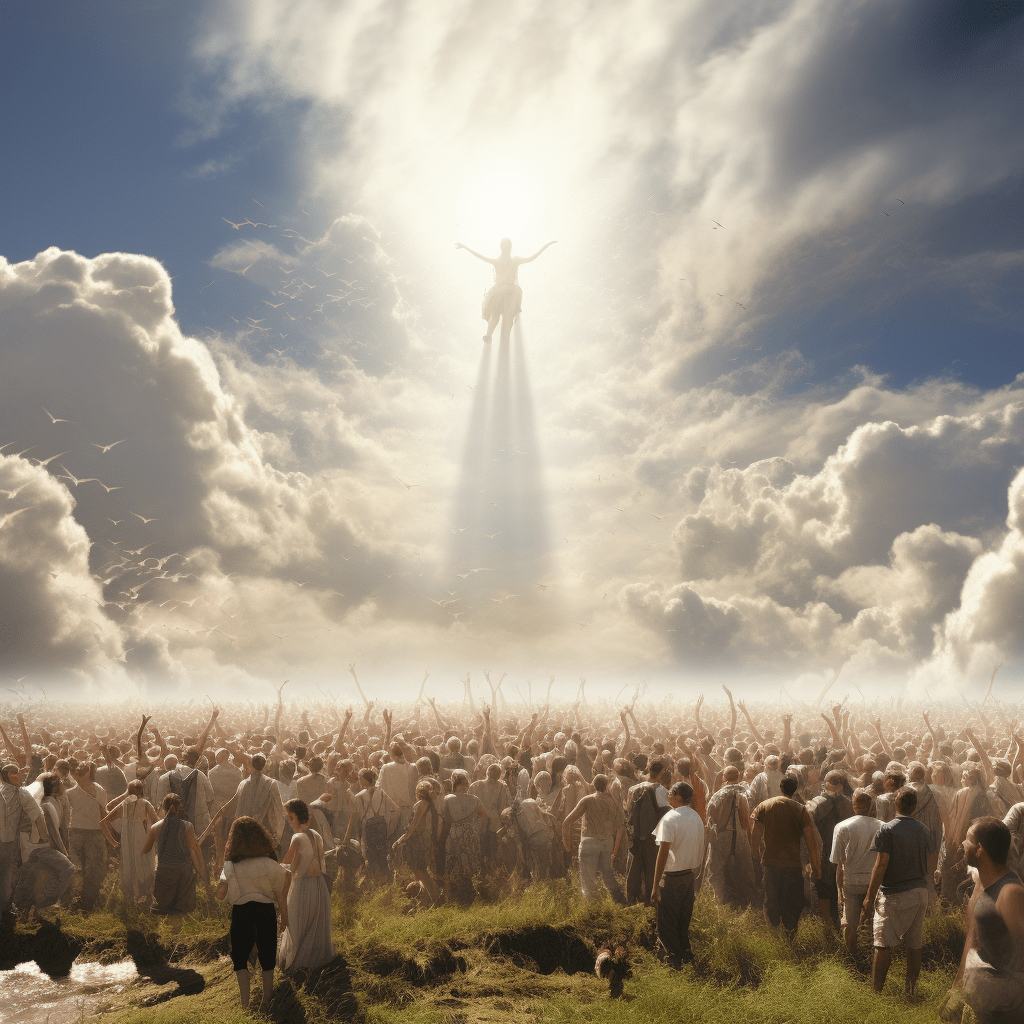
The Ascension Blacklist is a fascinating and controversial concept. It revolves around the idea that a clandestine group of powerful individuals not only rules the world but also controls who is allowed to spiritually ascend. This theory has gained traction among various conspiracy theorists and spiritual circles, offering a peculiar blend of geopolitics and spirituality.
Unraveling the Ascension Blacklist Theory
The Ascension Blacklist theory posits that a secret society of influential individuals maintains control over global affairs and, simultaneously, a cosmic blacklist. This blacklist purportedly prevents certain individuals from achieving spiritual ascension.
Those who have committed malevolent deeds or harbor harmful intentions, particularly against this clandestine group or their objectives, are thought to be blacklisted from reaching higher spiritual planes.
The Keepers of the Blacklist
The theory doesn’t clearly identify who these ‘keepers’ of the blacklist are. They are often vaguely described as a secret society, a global elite, or shadowy puppet masters. These entities, supposedly, have not only amassed political and economic power but also wield significant spiritual or cosmic influence.
Power, Control, and Ascension
The Ascension Blacklist theory is rooted in notions of power, control, and spiritual evolution. The blacklist functions as a tool to maintain control, not just in a physical or political sense but in a spiritual realm as well. It suggests that even the metaphysical journey of a soul can be manipulated by these earthly forces.
Criticisms and Controversies
This theory, while intriguing to some, faces significant criticism. Skeptics argue that it borrows elements from various conspiracy theories and spiritual beliefs, melding them into an unverifiable and unfalsifiable claim. Critics also express concerns about the potentially harmful impact of such theories, which can breed mistrust, fear, and a sense of powerlessness among believers.
Conclusion
While controversial and met with skepticism, the Ascension Blacklist theory sparks conversation about power, spirituality, and the potential intersections between them. Whether one views it as a genuine possibility or dismisses it as another conspiracy theory, it’s an undeniably intriguing concept that has captured the imagination of many.
Ascension Blacklist theory, ascension denial theory, ascension prohibition theory, blacklist of ascension, consequences of malevolent deeds, controversial spiritual concepts, covert blacklist, enlightenment hurdles, ethical considerations in spirituality, hidden barriers in spiritual path, karma and ascension, limitations in spiritual journey, morality in spiritual ascension, spiritual ascension, spiritual blacklist theory, spiritual blockages, spiritual conspiracy theories, spiritual growth barriers, spiritual redemption, spiritual transformation limitations -
Quantum Immortality: A Daring Dabble in the Immortal

The concept of immortality has been the subject of human fascination for millennia, from ancient myths and legends to modern science fiction. But what if immortality is not just a thing of fantasy, but a potential reality in the realms of quantum physics? Welcome to the intriguing concept of quantum immortality, a thought-provoking, and indeed, somewhat disturbing, interpretation of quantum mechanics.
II. Unraveling Quantum Mechanics
Quantum mechanics, the backbone of modern physics, is the framework that provides an understanding of the smallest particles in the universe, such as atoms and subatomic particles. It’s famous for its peculiar characteristics, one being superposition, where a particle can exist in multiple states simultaneously until observed or measured. This brings us to the first step towards understanding quantum immortality – the Schrödinger’s cat thought experiment.
III. Schrödinger’s Cat and the Copenhagen Interpretation
Erwin Schrödinger proposed a hypothetical scenario in which a cat is placed in a box with a radioactive atom that has a 50% chance of killing the cat. According to the Copenhagen Interpretation of quantum mechanics, until the box is opened and observed, the cat is both dead and alive – a superposition of states.
IV. Quantum Immortality: An Extension of the Many-Worlds Interpretation
Quantum immortality extends from the Many-Worlds Interpretation (MWI) of quantum mechanics, posited by physicist Hugh Everett III. The MWI suggests that for every quantum event, the universe ‘splits’ into multiple parallel universes. In the context of Schrödinger’s cat, one universe would have the cat alive, while the other would have it dead.
The quantum immortality theory suggests that a person’s consciousness continues to exist in those universes where they survive, irrespective of what happens in the other universes. In other words, from your perspective, you would always find yourself in a universe where you continue to exist.
V. Contemplating the Implications
The implications of quantum immortality are profound and unsettling. It suggests that we, as conscious observers, may continue to live indefinitely in some branches of the universe. This would imply that we could potentially perceive ourselves as ‘immortal’ from our perspective, even though we cease to exist in many other parallel universes.
VI. Criticisms and Counterarguments
Quantum immortality is highly controversial and not widely accepted. Critics argue that consciousness and its persistence can’t be simplified to mere quantum mechanics. Plus, there’s no evidence of parallel universes, let alone consciousness transferring between them.
VII. Conclusion
Quantum immortality serves as a thought-provoking juncture between philosophy and quantum physics. While it remains a theory nestled deeply within the realms of speculation, it provides compelling food for thought. The intersection of consciousness and quantum mechanics continues to be a fertile ground for exploration, promising more extraordinary revelations in the years to come.
concept of quantum superposition, consciousness in quantum physics, controversial quantum theories, criticisms of quantum immortality, immortality concept in science, immortality in physics, implications of quantum immortality, many-worlds interpretation, parallel universes theory, philosophy and quantum physics, quantum events and immortality, quantum immortality explained, quantum immortality in parallel universes, quantum immortality theory, quantum mechanics and consciousness, quantum mechanics and immortality, quantum mechanics and survival, Schrödinger’s cat experiment, survival in multiple universes, understanding quantum immortality -
The 10 Most Convincing Conspiracy Theories
1. Project PaperclipProject Paperclip is more a historical fact than a conspiracy theory. At the end of World War II, the U.S. and Soviet Union secretly scrambled to recruit top German scientists to advance their own technology and military prowess. Notwithstanding their Nazi affiliations, these scientists were considered invaluable assets in the impending Cold War era. The knowledge gained, particularly in rocket technology, played a significant role in NASA’s Apollo moon landing.
2. Bohemian Grove
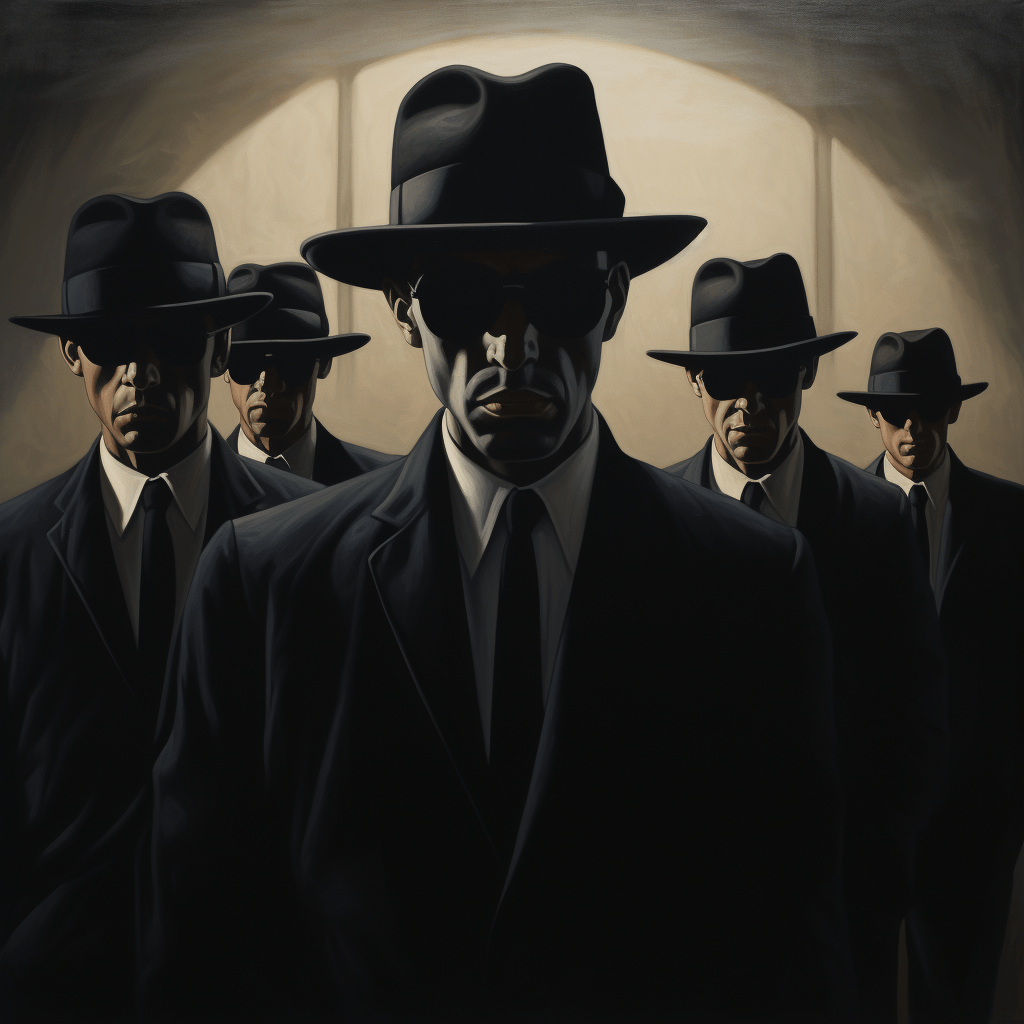
Bohemian Grove, a secretive campground in California, hosts a two-week-long gathering of the most powerful men in the world every July. Attendees have reportedly included U.S. presidents, high-profile business tycoons, and music industry giants. Claims of bizarre rituals and policy planning in this clandestine setting have been around for decades. While the Bohemian Grove’s existence isn’t disputed, what happens behind its closed doors remains a mystery.
3. Global Banking Elite
The theory that a global banking elite controls the world’s economy is one that persists today. Proponents believe a small group of wealthy, influential families and institutions (like the Rothschilds or the Federal Reserve) manipulate global events and economies for their benefit. While it’s a fact that wealth is disproportionately concentrated, the extent of control this elite group exerts is highly debated.
4. The New World Order
This theory postulates that a secretive power elite with a globalist agenda plans to eventually rule the world through an authoritarian world government, replacing sovereign nation-states. Critics argue that globalization and international cooperation efforts are cover-ups for this master plan.
5. The Illuminati
The Illuminati, a purported clandestine organization composed of world leaders, business authorities, and celebrities, is alleged to be the puppeteer pulling the world’s strings. Although the original Bavarian Illuminati was a real group in the 18th century, the existence of the modern-day Illuminati is widely debunked.
6. The JFK Assassination
The assassination of John F. Kennedy in 1963 is ripe with conspiracy theories, suggesting a cover-up by government agencies. Despite Lee Harvey Oswald being declared the lone gunman, many believe multiple parties were involved.
7. 9/11 Truth Movement
Many dispute the official account of the September 11, 2001, attacks, suggesting the U.S. government either allowed or orchestrated the attacks to justify wars in the Middle East.
8. The Moon Landing Hoax
Despite abundant evidence, some still believe the 1969 Apollo moon landing was staged by the U.S. government to win the space race against the Soviets.
9. UFOs and Aliens
UFO sightings and alleged government cover-ups have fueled theories about extraterrestrial life. Recent declassified Pentagon footage of “Unidentified Aerial Phenomena” has added credibility to these claims.
10. HAARP Weather Control
The High-Frequency Active Auroral Research Program (HAARP) in Alaska is rumored to be more than a research facility. Theorists suggest it can manipulate weather, cause earthquakes, or even control minds.
9/11 truth movement, Bohemian Grove secret meetings, convincing conspiracy theories, Global Banking Elite theory, HAARP weather control theory, hidden history theories, Illuminati world control theory, influential hidden power structures, JFK assassination theories, moon landing hoax, mysteries behind world events, mysterious secret societies, New World Order conspiracy, powerful elites ruling the world, Project Paperclip conspiracy, secret globalist agenda, secret government projects, secretive world organizations, UFO and government cover-ups, unexplained phenomena theories -
The 10 Best Lesser-Known Sci-Fi Movies You Need to Watch
Science fiction, as a genre, offers a boundless canvas for filmmakers to create extraordinary worlds, challenge perceptions, and explore complex human issues in new and exciting ways. But, the world of science fiction goes much beyond just Hollywood blockbusters. So, let’s embark on a journey through the lesser-known corners of the Sci-Fi cinematic universe with these ten hidden gems.
1. “Coherence” (2013)
Directed by James Ward Byrkit, “Coherence” is a mind-bending thriller that leaves you questioning reality. The plot revolves around a dinner party that descends into chaos after a comet passes overhead, creating a fracture in reality.
2. “Timecrimes” (2007)
A Spanish-language film, “Timecrimes” is a fascinating time travel narrative with plenty of twists and turns. Nacho Vigalondo showcases his talents in creating an engaging story with minimal characters and settings.
3. “Primer” (2004)
Yet another time travel film, “Primer” is a low-budget, cerebral piece known for its complex narrative structure. Shane Carruth’s directorial debut is an intricate, engrossing experiment in storytelling.
4. “Moon” (2009)
A movie that majorly relies on the powerful performance of Sam Rockwell, “Moon” explores the loneliness of a man nearing the end of his three-year stint working on a lunar base.
5. “Predestination” (2014)
“Predestination” stands out for its philosophical take on time travel. With stellar performances from Ethan Hawke and Sarah Snook, this movie adds layers of mystery and emotional depth to the genre.
6. “Another Earth” (2011)
A cross between a drama and a sci-fi movie, “Another Earth” explores the possibilities of a parallel world. This film by Mike Cahill subtly uses science fiction to underline the emotional narrative.
7. “Under the Skin” (2013)
“Under the Skin” offers a unique perspective of our world through the eyes of an alien, played by Scarlett Johansson. Jonathan Glazer’s film is as haunting as it is beautiful.
8. “Time Lapse” (2014)
What happens when you find a camera that can click pictures 24 hours into the future? “Time Lapse” explores this question, resulting in a high-stakes thriller with a touch of dark humor.
9. “Upstream Color” (2013)
Shane Carruth’s second film, “Upstream Color,” explores themes of identity, connection, and control. Its poetic, abstract storytelling makes it a unique experience.
10. “The Man from Earth” (2007)
This dialogue-driven film explores the idea of a man who has lived for 14,000 years. “The Man from Earth” offers a fascinating mix of history, science, religion, and philosophy.
Another Earth movie, Best low-budget Sci-Fi films, Best unknown Sci-Fi movies, Coherence movie, Hidden gems in Sci-Fi, High-concept Sci-Fi movies, Lesser-known science fiction films, Moon film analysis, Must-watch indie Sci-Fi, Obscure Sci-Fi movies, Predestination film, Primer movie review, Sci-Fi movies to watch, Sci-Fi movies you’ve never heard of, The Man from Earth movie, Time Lapse movie, Timecrimes film, Under the Skin film, Unpopular Sci-Fi movies, Upstream Color film review -
Unearthing the Unknown: The 10 Scariest Horror Movies You’ve Never Heard Of

Are you tired of the same old jump scares, overused tropes, and predictable plots? Fear not, horror aficionados, as we venture into the shadowy corners of the film industry to unearth 10 underappreciated horror flicks that are sure to send shivers down your spine. Prepare to expand your watchlist with these hidden gems, each of which embodies unique forms of horror and terror.
1. Lake Mungo (2008)
Joel Anderson’s Australian horror mockumentary follows a family grappling with their daughter’s death. However, as they discover her secrets, they start encountering chilling supernatural events. This slow-burn psychological horror excels at building an uncanny atmosphere that seeps into your bones long after viewing.
2. Noroi: The Curse (2005)
This Japanese found footage-style film from director Koji Shiraishi takes a deep dive into the world of curses and paranormal activity. A far cry from traditional Western horror, it employs a slow-building narrative that results in a deeply unsettling finale.
3. A Dark Song (2016)
Irish director Liam Gavin blends occult rituals and profound grief in this tightly woven narrative. A bereaved mother enlists an occultist’s help to perform a grueling, months-long ritual. The extreme isolation and slow-paced psychological horror make for a deeply unsettling experience.
4. Possum (2018)
Matthew Holness’s directorial debut weaves an eerie tale of a disgraced puppeteer returning to his childhood home. The combination of surreal imagery, psychological torment, and the ever-present grotesque spider puppet, Possum, results in a nightmarish experience that stays with you.
5. The Devil’s Candy (2015)
Blending metal music and satanic horror, this film by Sean Byrne sees a family’s dream home turn into a living nightmare. Byrne expertly utilizes sound and a relentless pace to keep viewers on the edge of their seats.
6. Ghostwatch (1992)
This infamous British TV movie, presented as a live broadcast, resulted in numerous panic-stricken calls to the BBC. Its verité style and slow revelation of a haunting create an unnerving sense of dread. Despite its reputation, it remains a hidden gem outside the UK.
7. The Eyes of My Mother (2016)
Shot in striking black and white, Nicolas Pesce’s debut is a chilling exploration of loneliness and madness. Its disturbing content and eerie visuals are not for the faint-hearted but offer a unique viewing experience for those willing to endure.
8. Session 9 (2001)
Filmed at the actual Danvers State Mental Hospital, this psychological horror from Brad Anderson sees an asbestos cleaning crew uncovering the facility’s dark past. Its oppressive atmosphere and haunting audio tapes result in a deeply unsettling slow-burn horror.
9. Starry Eyes (2014)
Kevin Kölsch and Dennis Widmyer’s body horror is a chilling allegory for Hollywood’s destructive nature. A struggling actress’s pursuit of success leads her into a horrific nightmare of transformation that both terrifies and mesmerizes.
10. The Taking of Deborah Logan (2014)
Adam Robitel’s found footage film transcends its genre trappings through its believable performances and the harrowing transformation of its titular character. As a documentary crew films a woman’s Alzheimer’s progression, they encounter something far more sinister.
A Dark Song movie, best indie horror films, Ghostwatch BBC, hidden horror gems, horror movie recommendations, Lake Mungo, Noroi The Curse, obscure horror films, Possum film review, psychological horror movies, scariest unknown horror movies, Session 9 movie, Starry Eyes film, terrifying movies not well-known, The Devil’s Candy, The Eyes of My Mother, The Taking of Deborah Logan, top horror movies you’ve never heard of, underrated horror movies, unique horror movies -
The 10 Most Sadistic Serial Killers: A Chilling Journey into the Darkness of the Human Mind
1. Dr. Harold Shipman (United Kingdom)
Nicknamed “Dr. Death,” Shipman was a seemingly respectable family physician who lethally injected a suspected 218 patients between 1975 and 1998. His victims were mostly elderly women, whom he killed by administering excessive doses of diamorphine.
2. John Wayne Gacy (United States)
John Wayne Gacy was a businessman in his community and even performed as a clown at local parties. However, Gacy had a sinister side, luring 33 young boys and men to his home between 1972 and 1978 under the pretense of construction work, then murdering them.
3. Richard Ramirez, aka the “Night Stalker” (United States)
Ramirez went on a terrifying crime spree in Los Angeles and San Francisco from June 1984 to August 1985. His gruesome crimes, which included burglary, sexual assault, and 13 murders, instilled widespread fear. His sadistic streak included torturing his victims and forcing some to “swear to Satan” during the attacks.
4. Andrei Chikatilo (Soviet Union)
Known as the “Butcher of Rostov,” Chikatilo was convicted of the murder of 53 women and children between 1978 and 1990 in the Soviet Union. He was known for his brutal and sadistic methods, which included mutilation.
5. Alexander Pichushkin (Russia)
Also known as the “Chessboard Killer,” Pichushkin aimed to kill as many people as there are squares on a chessboard. He managed to murder 48 people, mostly homeless men, in Moscow’s Bittsevsky Park before he was caught in 2006.
6. Dennis Rader, aka “BTK” (United States)
The “Bind, Torture, Kill” (BTK) Killer haunted Wichita, Kansas, for nearly 18 years with his brutal murders of ten people. Rader’s sadistic pleasure came from the fear and control he had over his victims before ultimately taking their lives.
7. Gary Ridgway, aka the “Green River Killer” (United States)
Active for over two decades, Ridgway confessed to murdering 71 women, although estimates suggest the number could be much higher. Most of his victims were sex workers or runaways whom he strangled and disposed of in or around the Green River.
8. Pedro Rodrigues Filho (Brazil)
One of Brazil’s most prolific killers, Rodrigues Filho, was convicted for killing 71 people, but he claimed the real number was over 100. His victims were primarily drug dealers, criminals, and prison inmates, including his father, who he killed and then cut out a piece of his heart.
9. Yang Xinhai (China)
Known as the “Monster Killer,” Yang Xinhai used hammers and shovels to brutally murder 67 people between 2000 and 2003. His attacks, often carried out on entire families in rural villages, make him one of China’s deadliest killers.
10. Ted Bundy (United States)
Perhaps one of the most well-known serial killers, Ted Bundy, was an articulate and charismatic man who used his charm to lure an estimated 30 young women to their deaths in the 1970s. Bundy’s heinous acts, which included necrophilia and decapitation, epitomize sadistic behavior.
While the above criminals represent some of humanity’s darkest aspects, they also serve as a reminder of the importance of vigilance and societal safeguards. By acknowledging the existence of such extreme maliciousness, society can work to prevent such horrors in the future.
chillingly sadistic serial killers, disturbingly sadistic serial killers, extremely violent serial killers, history’s most sadistic murderers, horrifically sadistic serial killers, infamous sadistic killers, most brutal serial killers, most gruesome serial killers, most terrifying serial killers, most vicious serial killers, most violent serial killers of all time, notorious sadistic murderers, notorious serial killers with sadistic tendencies, sadistic killers who shocked the world, sadistic murderers in history, savage serial killers in history, serial killers known for their brutality, serial killers known for their sadism, serial killers with brutal methods, serial killers with cruel tendencies -
The 10 Most Interesting Cultures in Star Trek Universe: Exploring the Final Frontier

Over the last half-century, Star Trek has introduced us to a dazzling array of alien cultures, each with unique traits, histories, and values. These cultures often embody human traits or offer social commentary on our world, while others serve to illustrate the vast possibilities that lie within the universe. Let’s embark on a voyage through the cosmos to explore the ten most intriguing cultures Star Trek has to offer.
1. Vulcan
Famous for their emotional suppression and logical thinking, Vulcans are one of Star Trek’s most iconic species. Their commitment to peace and logic makes them fascinating, showing that a culture can thrive on pure rationality, albeit not without internal and external conflicts.
2. Klingon
The warlike Klingons stand in stark contrast to the Vulcans. Their society revolves around honor, courage, and combat prowess. Yet, they’re not just brutish warriors – they also have a rich tradition of opera, poetry, and a strict code of ethics.
3. Borg
The Borg hive mind culture is terrifying yet captivating. They assimilate species and technologies into their collective, striving for a twisted form of perfection. Their lack of individuality makes them unique, highlighting the importance of self-identity in any culture.
4. Ferengi
The Ferengi, with their dedication to capitalism and profit, serve as a critique of unregulated capitalism. Their 285 “Rules of Acquisition” guide their mercantile, often morally dubious endeavors. Yet, they’re also complex, with a deep reverence for their family and traditions.
5. Bajoran
Bajorans have a rich spiritual culture, with their faith playing a crucial role in their society. Despite their planet’s occupation by the Cardassians, they maintained their spiritual and cultural identity, showcasing the resilience of cultural preservation under oppression.
6. Cardassian
Cardassians have a militaristic and authoritarian culture. Their society, marked by a deep sense of patriotism and duty, often serves as a commentary on totalitarian regimes. Yet, they also have a sophisticated appreciation for literature and the arts.
7. Trill
The Trill are intriguing due to their symbiotic relationships with long-lived creatures called symbionts. This allows them to share memories and experiences across several lifetimes, giving them a unique perspective on life, death, and identity.
8. Q
The omnipotent Q, who view time and space differently than other species, introduce philosophical debates about power, responsibility, and the nature of humanity. Their mischievous nature and omnipotence create unique narrative opportunities.
9. Romulan
Sharing ancestry with the Vulcans, the Romulans are a secretive, politically manipulative species known for their advanced cloaking technology. They present an interesting dichotomy of passion and pragmatism, loyalty and treachery.
10. Andorian
The Andorians, characterized by their blue skin and antennae, have a culture built on strong militaristic tradition and a sense of camaraderie. Their passionate nature and strong bonds of friendship provide an interesting contrast to their aggressive tendencies.
Conclusion
The Star Trek universe’s richness lies in its diverse alien cultures, each reflecting different aspects of the human condition and societal constructs. From the logic-driven Vulcans to the profit-obsessed Ferengi, these species provoke thought about our world’s cultures and how we perceive them. Whether through a mirror or a lens, Star Trek continues to use these cultures to explore the human experience in all its fascinating diversity.
Alien cultures in Star Trek, Bajoran culture in Star Trek, Best Star Trek alien races, Borg culture in Star Trek, Cultural diversity in Star Trek universe, Different races in Star Trek, Diversity of species in Star Trek, Interesting Star Trek alien societies, Klingons in Star Trek, Most interesting Star Trek species, Overview of Star Trek species, Star Trek alien cultures, Star Trek cultures, Star Trek cultures ranked, Star Trek races and cultures, Star Trek’s most fascinating species, Star Trek: exploration of alien cultures, Trill culture in Star Trek, Unique cultures in Star Trek, Vulcans in Star Trek -
The 10 Most Impressive Superhuman Feats Actually Achieved by Humans
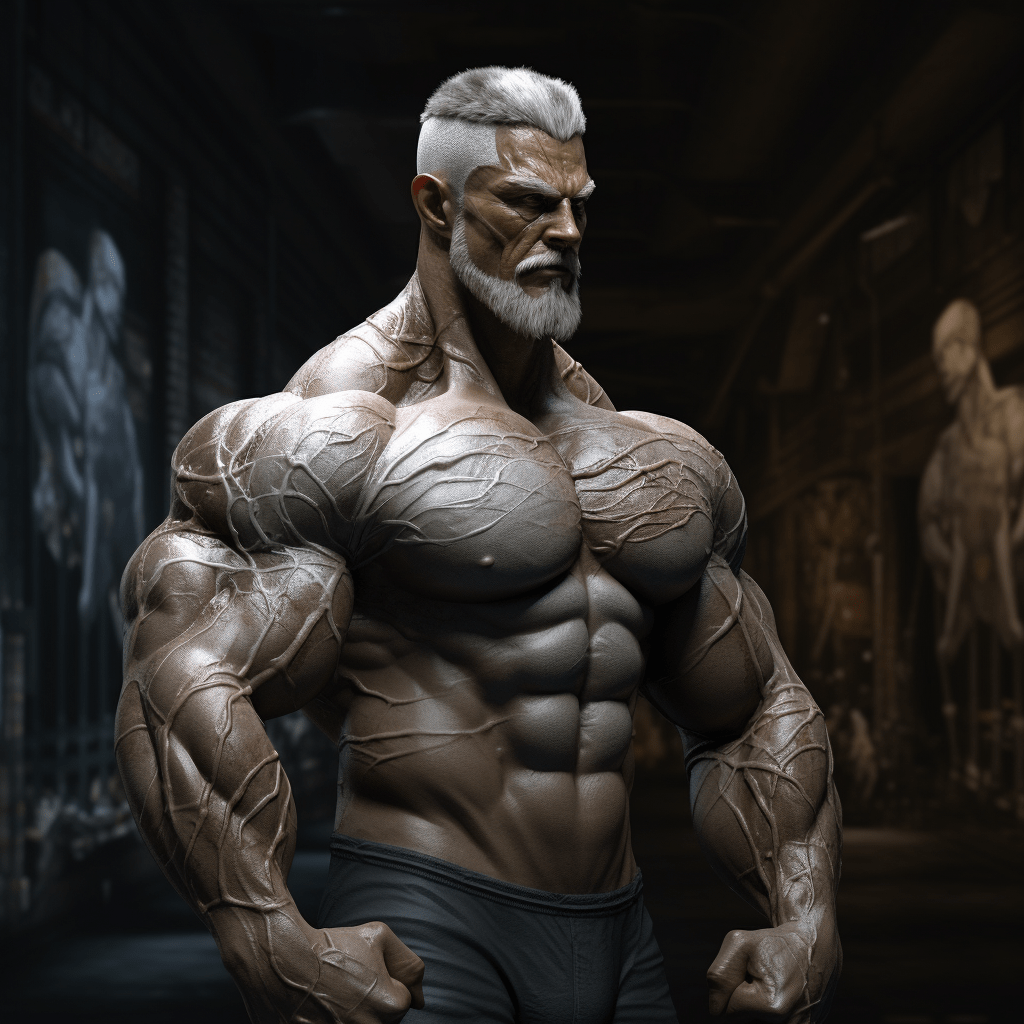
There are those among us who push the boundaries of human capability, demonstrating feats so extraordinary they seem almost superhuman. From death-defying stunts to awe-inspiring physical strength and mental prowess, these ten impressive feats show the true potential of human abilities.
1. Wim Hof: The Iceman
Wim Hof, aptly nicknamed “The Iceman,” has mastered control over his body in extreme temperatures. His feats include climbing Mount Kilimanjaro and Mount Everest in shorts, running a half marathon above the Arctic Circle barefoot, and standing in a container while covered with ice cubes for more than 112 minutes.
2. Dean Karnazes: The Ultramarathon Man
Dean Karnazes is famous for his superhuman endurance. He once ran 350 miles (560 km) in 80 hours and 44 minutes without sleep in 2005. His body’s extraordinary ability to stave off fatigue allows him to push the boundaries of human endurance.
3. Alex Honnold: Free Solo Climber
Alex Honnold captured the world’s attention when he scaled the 3,000-foot El Capitan wall in Yosemite National Park without ropes or safety gear – a feat known as free solo climbing. His mental and physical preparation and absolute focus are nothing short of superhuman.
4. Hafthor Bjornsson: The Mountain
Known as “The Mountain” from “Game of Thrones,” Hafthor Bjornsson, a strongman competitor, and actor, set a world record by deadlifting 1,104 pounds (501 kg) in 2020. His display of sheer strength is an incredible demonstration of human power.
5. David Blaine: Endurance Artist
Magician and endurance artist David Blaine has a reputation for his mind-boggling stunts. In 1999, he was buried alive for seven days, and in 2008, he suspended himself upside-down for 60 hours. His mental and physical stamina place him among the ranks of superhumans.
6. Shakuntala Devi: The Human Computer
Shakuntala Devi was known as “the human computer” for her extraordinary mathematical abilities. In 1980, she multiplied two 13-digit numbers correctly in just 28 seconds, a feat recorded in the Guinness Book of World Records.
7. Eddie ‘The Beast’ Hall
Eddie Hall, another strongman competitor, achieved a stunning feat in 2016 when he deadlifted 1,102 pounds (500 kg), briefly collapsing afterward. This act of strength was so extreme that Hall announced his retirement from the World’s Strongest Man competition afterward.
8. Felix Baumgartner: Supersonic Skydiver
In 2012, Austrian skydiver Felix Baumgartner became the first person to break the sound barrier outside of a vehicle. He jumped from a balloon in the stratosphere, reaching an estimated speed of 833.9 mph (1,342 km/h) and broke several world records in the process.
9. Michael Phelps: Olympic Legend
Swimmer Michael Phelps is the most decorated Olympian of all time, with a total of 28 medals. His superhuman feat was at the 2008 Beijing Olympics, where he won 8 gold medals, breaking Mark Spitz’s 1972 record of seven.
10. Brian Shaw: Four-Time World’s Strongest Man
Brian Shaw, a professional strongman, has won the World’s Strongest Man competition four times.
Alex Honnold free solo, Brian Shaw World’s Strongest Man, David Blaine endurance feats, Dean Karnazes Ultramarathon, Eddie Hall The Beast, extraordinary human abilities, Felix Baumgartner supersonic skydive, Hafthor Bjornsson record lift, human body potential, humans breaking records, humans with extraordinary abilities, impressive feats by humans, Michael Phelps Olympic records, pushing human limits, real life superhumans, record-breaking human performances, Shakuntala Devi human computer, superhuman feats by humans, unbelievable human achievements, Wim Hof Iceman
Wonder about your world…

Take the plunge down the rabbit hole of insanity and wonder in this fast-paced, nonstop psychological thriller that will leave you questioning the very nature of reality and beyond. Part thriller, part romance, part existential horror, A Dream of Waking Life delves into lucid dreaming, psychedelics, existential ontology, video games, the nature of love, the nature of reality, and more.

Mendel’s Ladder delivers an adrenaline-fueled journey set on a dystopian future Earth, brimming with high-stakes action, adventure, and mystery. This epic series opener plunges readers into a world filled with diverse cultures, heart-pounding battles, and characters who will captivate your heart and imagination.

“E.S. Fein is raising the bar for quality as it’s a very well-written and thought-provoking book…There are points and themes in the story that could be discussed for eons as people will have their own idea on where it leads. It’s a book I would highly recommend.” – Andy Whitaker, SFCrowsnest
 Wondergressive