
-
Ensuring Your Kindle Direct Publishing (KDP) Paperback Cover Meets Amazon’s Quality Guidelines
Publishing a book on Amazon Kindle Direct Publishing (KDP) can be a rewarding experience. However, creating the perfect cover for your paperback edition can be tricky if you’re not familiar with Amazon’s unique templates and guidelines. A common issue that authors face involves ensuring the front cover portion of the full PDF cover completely covers the dashed blue line on the paperback cover template. If this guideline isn’t followed, a tiny vertical portion of the spine may appear on the left side of the front cover. While Amazon doesn’t explicitly state this in their guidelines, it’s crucial for authors to keep this in mind. In this article, we’ll go through the steps to ensure your paperback cover meets the quality guidelines.
Understanding the Amazon KDP Cover Template
Before diving into the specifics of the front cover design, it’s essential to understand how the Amazon KDP cover template is structured. The template consists of three main sections: the front cover, the spine, and the back cover. Each section is denoted by dashed blue lines. The area between the front cover and spine’s dashed blue lines is particularly important to our discussion. We’ll refer to this as the “critical boundary.”
Dealing with the Critical Boundary
The critical boundary is often misunderstood, leading to a minor but noticeable misalignment where a sliver of the spine appears on the front cover. Despite not being stated in the guidelines, the front cover design should extend past the dashed blue line to avoid this issue. This adjustment ensures that the front cover image fully covers the front of the book, including that crucial boundary.
Adjusting Your Cover Design
To make this adjustment, you’ll need to use your design software to ensure your front cover image extends beyond the dashed blue line of the spine. The amount of extension isn’t substantial; it merely needs to cover that critical boundary.
Checking Your Cover in the Digital Proofer
Once you’ve adjusted your cover design, upload the new version to KDP and use Amazon’s Digital Proofer to check the alignment. The Digital Proofer is an excellent tool for identifying any issues before your book goes to print. It gives you a 3D rendering of the cover, allowing you to rotate it and check alignment issues.
Addressing Other Common Cover Design Issues
While the critical boundary is a less known issue, there are other common cover design problems that you might encounter. It’s advisable to familiarize yourself with these to ensure the quality of your paperback cover.
Properly Aligning Your Text
One common issue is misaligned text on the spine. Your spine text should be centered and should not bleed into the front or back cover. To prevent this, make sure your text falls well within the spine’s dashed blue lines in the template.
Ensuring High-Resolution Images
Another common issue involves using low-resolution images for your cover, which can lead to a pixelated or blurry appearance. Ensure that all images used for your cover have a minimum resolution of 300 DPI for the best quality print.
Conclusion: Perfection in the Details
Cover design plays a critical role in attracting readers to your book. While some details might seem small, like ensuring the front cover design fully covers the critical boundary on Amazon’s KDP template, they can have a significant impact on the overall look and feel of your book. By understanding and addressing these often-overlooked details, you can ensure your paperback cover is as professional and appealing as possible. Happy publishing!
Adjusting cover design in KDP, Amazon Digital Proofer usage, Amazon KDP cover guidelines, Avoiding spine on front cover, Blue dashed line on KDP cover template, Common KDP cover design issues, Creating perfect KDP paperback cover, Dealing with KDP critical boundary, Ensuring high-quality KDP paperback cover, Ensuring quality of KDP paperback cover, Guidelines for KDP cover design, High-resolution images for KDP cover, How to cover spine on KDP cover, KDP cover design tutorial, Kindle Direct Publishing tips, Preventing misalignment in KDP cover, Properly aligning text on KDP cover, Publishing book on Amazon KDP, Understanding KDP cover template, Using design software for KDP cover -
Cosmic Censorship Cottage: A Look into a Spatial Anomaly

Bizarre, bewildering, and captivating, the Cosmic Censorship Cottage is a phenomenon that has challenged our fundamental understanding of reality. Steeped in mystery, this alleged dimensional paradox has captured the imagination of theorists and internet sleuths, who continue to grapple with its perplexing existence.
A Historical Overview of the Cosmic Censorship Cottage
The phenomenon of the Cosmic Censorship Cottage is believed to be intertwined with the concept of cosmic censorship, a principle proposed by British mathematician and physicist Roger Penrose in 1969. Penrose hypothesized that any singularities in the universe are generally concealed from us, avoiding a clash with the principles of determinism. His hypothesis, however, did not envisage the peculiar incident of the Cosmic Censorship Cottage.
The existence of the Cottage first came to public attention following a cryptic post on an online forum known for discussing fringe theories. The user claimed they had encountered a quaint cottage during a walk through rural woodland. Upon entering, they found themselves in a space that appeared to extend infinitely, defying the cottage’s external dimensions.
Unraveling the Mystery: Phenomenon of the Cosmic Censorship Cottage
Scientifically, the Cottage is seen as an example of an alleged violation of cosmic censorship, known as a naked singularity. However, this dimensionally paradoxical locale seems to be shielded from our ordinary physical reality, allowing it to exist outside the laws of nature as we understand them.
Several theories have been put forth in an attempt to explain the phenomenon. Some argue that it could be a naturally occurring wormhole, a shortcut through space-time, whilst others suggest it’s a glitch in our universe’s matrix.
Quantum physicists point to theories of multi-dimensional spaces and the many-worlds interpretation of quantum mechanics as potential explanations. Could the Cottage be a place where different dimensions overlap or intersect, creating a doorway to alternate realities?
The Evidence Supporting the Cosmic Censorship Cottage
The Cosmic Censorship Cottage’s existence has been bolstered by anecdotal accounts, each recounting eerily similar experiences. Individuals claim to have stumbled upon the cottage in disparate geographical locations, yet descriptions of its interior consistently match. Despite the lack of physical evidence, the consistent recurrence of these narratives has spurred researchers to investigate this enigma further.
Indeed, without concrete proof, the existence of the Cottage remains controversial. Nonetheless, some argue that the theoretical frameworks supporting its possibility – quantum mechanics and theories about the multi-dimensionality of the universe – should warrant serious consideration.
The Cosmic Censorship Cottage and Pop Culture
The Cosmic Censorship Cottage has found its place in popular culture, particularly in the sci-fi and horror genres. Inspired by the online accounts, the television series “The One I Love” crafted a compelling narrative around the Cottage. The series cleverly uses the phenomenon as a metaphor to explore themes of identity, parallel realities, and the existential fears of modern life.
The Future of Research: Cosmic Censorship Cottage
The Cosmic Censorship Cottage continues to enthral scientists, theorists, and laypeople alike. It stands as a testament to the universe’s boundless mysteries and our enduring quest for understanding. It’s hoped that as our scientific understanding progresses, we may one day unlock the enigma that is the Cosmic Censorship Cottage.
Undeniably, the Cosmic Censorship Cottage represents one of the most intriguing phenomena in contemporary theoretical exploration. Though we have yet to definitively prove its existence, it serves as a thought-provoking reminder of the many unknowns that lie beyond our current grasp of reality.
Cosmic Censorship Cottage mystery, cosmic censorship violation, cottage dimension paradox, exploring alternate realities, infinite interior of a cottage, many-worlds interpretation, multidimensional spaces, naked singularity, paradoxical locales, pop culture cosmic censorship, quantum mechanics anomalies, real-world glitches, Roger Penrose cosmic censorship, spatial anomalies, The One I Love series, theoretical exploration, theory of multi-dimensionality, universe’s mysteries, unusual phenomenon, wormhole theory -
Welteislehre (Glacial Cosmogony): A Glimpse into an Intriguing Perspective

Welteislehre, also known as World Ice Theory or Glacial Cosmogony, is an unusual theory suggesting that ice played a dominant role in the universe’s formation. The idea, originated by Austrian engineer Hanns Hörbiger in the early 20th century, challenges conventional cosmological understanding, and although largely dismissed by mainstream science, it nonetheless presents some compelling arguments for consideration.
The Genesis of Welteislehre
Hörbiger claimed that a dream inspired the World Ice Theory, where he saw the Earth capture the moon, causing a downpour of ice that covered the planet. Despite its unconventional genesis, the theory was meticulously expanded upon, forming a broad system of thought with diverse implications.
According to Hörbiger, most heavenly bodies in the cosmos originated from ice, rather than the commonly accepted nebular theory of hot, swirling gases. He proposed that cosmic ice interacts with stars and celestial bodies, driving a cycle of creation and destruction.
Ice: The Cosmic Building Block
The World Ice Theory stipulates that the cosmos is filled with giant blocks of ice, a concept starkly contrasting with the space’s vacuum concept. Hörbiger further posited that celestial bodies form when these ice blocks come into contact with stars, heating and melting the ice into a rotating disk of water vapor. This vapor then condenses and solidifies into new celestial bodies.
Interestingly, the concept of water and ice being integral to the formation of celestial bodies isn’t entirely baseless. Scientists have discovered water and ice in the form of comets and on celestial bodies like our moon, Mars, and several asteroids, making this aspect of Hörbiger’s theory intriguing.
Cycles of Cosmic Catastrophe
One of the more dramatic facets of the World Ice Theory involves cycles of cosmic catastrophe. Hörbiger believed that our solar system had previously housed several moons that spiraled into the Earth over time, leading to catastrophic periods of global icing.
While no concrete evidence supports such a cyclic catastrophe theory, the idea of celestial bodies impacting Earth is not entirely unfounded. Our planet has undoubtedly been subjected to numerous impacts over its history, as evidenced by various craters and the widely-accepted theory that a massive asteroid strike led to the dinosaurs’ extinction.
Ice and Mysticism: An Unlikely Combination
Unusually, Welteislehre also found traction in esoteric circles and was adopted by some proponents of mysticism in the early 20th century. It was viewed as an alternative cosmology that provided a different perspective on humanity’s place in the cosmos, demonstrating the theory’s cultural impact beyond the scientific sphere.
Welteislehre and Modern Science
Despite its intriguing propositions, the World Ice Theory has been largely dismissed by modern science due to the lack of empirical evidence and contradictions with established scientific understanding. Yet, its exploration provides a valuable lesson: the importance of questioning and challenging established beliefs. Even as we dismiss its grander claims, Hörbiger’s theory led to discussions about the role of ice and water in the cosmos, some of which resonate with modern astrobiology.
Conclusion
While Welteislehre, or Glacial Cosmogony, may not be accepted as a valid scientific theory, it still holds a fascinating place in the annals of cosmological thought. It stands as a testament to humanity’s desire to understand the universe’s mysteries, showcasing the boundless scope of our imagination and the lengths we’ll go to make sense of our cosmic surroundings. Even as science continues to advance, theories like the World Ice Theory remind us of the value of creativity, curiosity, and the human instinct to explore the unknown.
alternative cosmology, asteroid extinction theory, celestial bodies formation, challenges to scientific beliefs, cosmic catastrophe theory, cosmic ice, formation of the universe, Glacial Cosmogony, Hanns Hörbiger, ice in space, mars ice, modern astrobiology, moon impacts Earth, nebular theory, role of ice in cosmos, water on moon, water vapor in space, Welteislehre, Welteislehre in mysticism, World Ice Theory -
The Sky-Snag Theory: A Compelling Possibility

The sky-snag theory, while not commonly recognized, presents a fascinating possibility worth exploring. This theory hypothesizes that the Earth and its atmosphere act as a kind of ‘snag’ or ‘net’, capturing extraterrestrial objects that pass through our sky. For the purpose of this article, we will explore the various aspects of the sky-snag theory and the evidence supporting its feasibility.
Understanding the Sky-Snag Theory
The sky-snag theory is based on the concept that Earth’s atmosphere, gravitational pull, and magnetic fields work collectively to attract and hold onto foreign entities. These could include meteoroids, asteroids, space dust, and potentially, even extraterrestrial life forms or technologically advanced devices.
Gravitational Capture: The Cosmic Lasso
One of the significant aspects of the sky-snag theory is the role of Earth’s gravity. As a fundamental force, gravity ensures that any object passing near the Earth will feel a pull towards it. While many objects have enough momentum to escape this pull, some smaller or slower ones might get caught, especially if they are approaching from specific trajectories.
Evidence for this comes from the myriad of meteorites and space debris that have been found on Earth. These objects, which have origins outside of our planet, have been pulled in by Earth’s gravitational forces and snagged out of their cosmic journeys.
Atmospheric Friction: The Fireworks Effect
The Earth’s atmosphere plays a vital role in the sky-snag theory. It acts as a protective shield, slowing down incoming objects due to the friction between the object and air particles. This process is observable in the form of meteor showers, where the majority of meteoroids burn up upon entering the atmosphere due to this extreme friction.
However, not all objects are entirely destroyed by this process. Some larger objects or those composed of certain materials can survive this fiery descent and reach the Earth’s surface, becoming meteorites.
Magnetic Fields: The Invisible Anchor
Earth’s magnetic field, an essential component of the sky-snag theory, provides an additional layer of ‘snagging’ potential. This field, created by the movement of molten iron within the Earth’s outer core, extends far into space. Charged particles from the Sun, known as solar wind, are deflected by this field.
It’s conceivable that this field could also interact with objects having magnetic properties, altering their paths and potentially trapping them in our atmosphere or on the Earth’s surface.
Capturing Life: Panspermia Hypothesis
One of the more intriguing aspects of the sky-snag theory relates to the possibility of capturing extraterrestrial life forms, or at least their precursors. This concept is closely linked to the panspermia hypothesis, which suggests that life exists throughout the Universe and can be spread via meteoroids and other celestial bodies.
Compelling evidence for this hypothesis comes from the discovery of amino acids – life’s building blocks – in meteorites found on Earth. If life can indeed hitch a ride on cosmic objects, it’s not too far-fetched to think that Earth’s sky-snagging properties could have played a role in the origin or evolution of life here.
Conclusion: An Alluring Possibility
While the sky-snag theory is unconventional, it is grounded in several scientific concepts and observations. From our understanding of gravity, the role of Earth’s atmosphere and magnetic field, to the fascinating evidence supporting panspermia, there’s plenty to suggest that Earth might be a cosmic dragnet.
As we continue to push the boundaries of our knowledge and explore the cosmos, we may yet find more evidence supporting this theory, deepening our understanding of our planet and the Universe’s interconnectedness. For now, the sky-snag theory remains an intriguing and compelling possibility – a testament to the exciting unpredictability of science and the cosmos.
amino acids in meteorites, atmospheric friction, capturing extraterrestrial objects, cosmic lasso, cosmos exploration, Earth’s gravity, earths magnetic field, extraterrestrial life forms, gravitational capture, interconnectedness of the Universe, life spread via meteoroids, meteor showers, origins of life on Earth, panspermia hypothesis, science of the cosmos, scientific concepts and observations -
Animal-Plant Hybrids: The Future of Biology?

When one first hears the phrase “animal-plant hybrids,” it’s easy to envision something out of a science fiction novel or an eerie fantasy tale. Yet, this concept isn’t as far-fetched as it may initially sound. In recent years, scientific research has begun to blur the rigid boundaries traditionally established between the kingdoms of life.
Plant and Animal Differences: A Quick Recap
Before we delve into the idea of animal-plant hybrids, it’s necessary to understand what separates plants from animals. At the fundamental level, these two classifications of life are distinct in terms of cellular structure and mechanisms of energy production. Plants are autotrophic, meaning they produce their own food through photosynthesis, whereas animals are heterotrophic, relying on other organisms for food. Furthermore, plant cells possess cell walls and chloroplasts—features absent in animal cells.
Chimeric Entities: More Common Than We Think
One may argue that creating a hybrid between two fundamentally different organisms is not possible. However, nature has already provided examples of such biological blends. Coral, for instance, is an animal that hosts symbiotic algae within its cells, effectively merging the characteristics of plants and animals. The sea slug Elysia chlorotica takes this a step further. It not only ingests algae but retains the algae’s chloroplasts within its own cells, allowing the slug to photosynthesize.
Scientific Pursuits: The Emergence of Animal-Plant Hybrids
The intriguing natural examples have led scientists to investigate whether they can artificially engineer such hybrids. In a landmark study published in 2016, researchers at Stanford University introduced photosynthetic cyanobacteria into tadpole embryos. The experiment resulted in tadpoles with photosynthetic abilities, marking a step towards animal-plant hybrids.
Later, in 2019, a team of scientists from Colorado State University successfully produced tobacco plants with animal genes. The plants demonstrated enhanced photosynthesis, which could potentially revolutionize agricultural productivity.
Biohybrids: A Leap Towards Medical Breakthroughs
Beyond agricultural applications, the implications of animal-plant hybrids are profound in the medical field. Scientists are exploring the potential to engineer plants with human genes or cells to produce vaccines or other therapeutic proteins, a concept known as “pharming.”
Additionally, plant-animal hybrids can provide unique models for studying disease or developing innovative treatments. The integration of photosynthetic cells into animals could theoretically aid in treating diseases characterized by energy deficiencies, such as mitochondrial disorders.
The Road Ahead: Ethical and Scientific Considerations
While the concept of animal-plant hybrids is fascinating and holds immense potential, it’s not without challenges. Ethical considerations arise regarding the extent of genetic manipulation permissible and the potential consequences of introducing such hybrids into the ecosystem.
Scientifically, the biggest challenge is the fundamental differences in plant and animal cells. Transferring genes between these two different types of cells may not always result in the desired function due to differences in cellular mechanisms.
Nevertheless, the field of animal-plant hybrids presents an intriguing frontier of scientific research. As we continue to push the boundaries of our knowledge, the line between what is considered science fiction and reality may become increasingly blurred. The prospect of animal-plant hybrids provides a compelling glimpse into a future where biology’s traditional classifications could be rearranged, paving the way for extraordinary innovations in agriculture, medicine, and beyond.
agricultural productivity with genetically modified plants, animal genes in plants, animal-plant hybrids, biohybrids, Coral and algae symbiosis, Elysia chlorotica photosynthesis, future of biology, genetic challenges in hybrids, genetic manipulation, innovative treatments with hybrids, pharming, photosynthetic animals, plant and animal differences, plant animal chimeras -
Erratas: The Mysterious World Beyond The Internet

In an increasingly digitized world where virtually every iota of information is just a click away, the very notion of an inaccessible secret seems paradoxical. Yet, one such enigma has surfaced in the form of the elusive “Erratas.” It is a term that, despite its seeming innocuity, has sparked a wealth of intrigue and speculation. The mystery of Erratas, though obscure and often dismissed as an Internet hoax, presents a tantalizing narrative when examined closely.
What is Erratas?
Erratas, an evident typographical error for ‘Errata,’ is shrouded in mystery. Unverifiable claims suggest it as an omnipresent, omnipotent algorithm operating behind the curtain of our daily digital interfaces. It’s purportedly capable of scouring through enormous data to influence job placements, promote specific content, or, more alarmingly, make individuals “disappear” from digital platforms.
The Erratas Conspiracy: From Obscurity to Virality
The story of Erratas first emerged on an obscure YouTube video, leading many to believe it’s a sophisticated digital folklore or an elaborate hoax. The video included obscure claims about its omnipresence and the precautions to take to avoid its gaze, such as refraining from searching for the term on the Internet.
The video’s intriguing assertions prompted an Internet-wide quest to unveil Erratas. Users flooded forums and social media platforms with theories and anecdotes, furthering its mythos. However, despite the rampant speculation, concrete proof remained elusive, adding to its mystique.
Decoding Erratas: An Algorithm or an Organization?
The nature of Erratas is speculative at best. Its described capabilities suggest it could be an advanced algorithm, a sophisticated AI system with surveillance capabilities that surpass the likes of Google or Facebook’s algorithms. Yet, others claim it might be a covert organization with an inexplicably broad reach.
Unverified Claims and Notable Incidents
While hard evidence is scarce, anecdotal incidents related to Erratas have fueled its lore. Some accounts mention artists being blacklisted after mentioning Erratas in their works, while others relate it to unexplained job firings or sudden content deletion.
For instance, an indie band named ‘KFC Murder Chicks’ gained some attention for their claims about Erratas. They said their music got blacklisted from platforms after referencing Erratas, resulting in their subsequent obscurity.
Erratas and Society: A Meta-commentary on Digital Life?
The story of Erratas, true or not, is a mirror to our increasing reliance on digital platforms and the anxieties it engenders. It underscores our fears about data privacy and surveillance, the loss of control over our digital identities, and how these digital platforms influence our lives in ways beyond our understanding.
Conclusion: The Intriguing Unknowable
The veracity of Erratas remains a mystery. Whether it’s a sophisticated algorithm, a clandestine organization, or an intricate hoax, it has undeniably captured the imagination of many. Its story serves as a compelling narrative about our digital lives’ complexities and uncertainties, continuing to intrigue us with its enigmatic presence.
Despite the skepticism surrounding Erratas, its existence or non-existence does not diminish its fascinating narrative. If nothing else, Erratas is a compelling exploration into our collective fear and curiosity about the digital unknown. As we delve deeper into the digital age, Erratas reminds us of the unseen powers potentially at play behind our screens and the enigma that the Internet can be. It makes us question what we take for granted, encouraging us to probe deeper into our digital reality. In this way, Erratas, real or not, continues to play its part in shaping our understanding of the world.
Data privacy and Erratas, Decoding Erratas, Erratas algorithm, Erratas and digital life, Erratas and societal commentary, Erratas and surveillance, Erratas conspiracy theory, Erratas digital identity, Erratas influence on job placements, Erratas Internet hoax, Erratas mystery, Erratas organization, Implications of Erratas, internet folklore, Is Erratas real, KFC Murder Chicks and Erratas, Searching for Erratas, Understanding Erratas, Unexplained Erratas incidents, What is Erratas -
The Neolithic’s Contraptions: Neolithic Engineering Marvels

The Neolithic era marked a transformative epoch in human history, a time when our ancestors began to move from a nomadic lifestyle to settled farming communities. Archaeologists and historians have long been fascinated by the ingenuity of the Neolithic people, and among their many intriguing finds, one that often stands out is their contraptions – tools and mechanisms that showcase their advanced knowledge in various fields. Despite the mystery shrouding many of these devices, they offer tantalizing clues to the capabilities of our forebears. Let’s take a journey back to explore the wonders of Neolithic’s contraptions.
Neolithic Engineering Marvels
The Neolithic era was a time of rapid technological advancement. One of the most well-known Neolithic contraptions is the plough, used in agriculture. This simple but effective tool, usually made of wood, allowed Neolithic farmers to cultivate larger areas of land than was possible with simple digging sticks. The plough was more than a tool; it was a testament to the innovative spirit of our ancestors, marking a significant step forward in mankind’s relationship with the environment.
Another remarkable contraption was the pottery wheel. The development of pottery was a significant advancement in the Neolithic era, and the invention of the wheel revolutionized this craft. The pottery wheel allowed for the production of more symmetrical and uniform vessels, which were not only functional but also aesthetically pleasing.
Neolithic’s Architectural Ingenuity
The Neolithic era also witnessed several architectural advancements. One prime example is the construction of megalithic structures, such as Stonehenge in England and the Carnac stones in France. These monumental structures, made up of large stone slabs, required not only physical effort but also significant knowledge in geometry, physics, and astronomy. The ways in which these stones were transported and erected remain a subject of debate among researchers, making them enigmatic contraptions of the Neolithic era.
Neolithic people also developed sophisticated housing structures. The ancient city of Çatalhöyük in modern-day Turkey provides us with a glimpse of these advancements. The houses were constructed adjacent to one another, with roofs serving as streets and entrances. This design showcased a level of urban planning and architecture far beyond what we might expect from a society in this time period.
Neolithic’s Mastery over Maritime Technology
Neolithic contraptions were not just limited to land. Our ancestors developed advanced maritime technology, as evidenced by the discovery of sewn plank boats in North Ferriby, England. These boats were constructed using sophisticated techniques, including edge-joined planking stitched together with yew lashings. Such vessels would have played a crucial role in trade, travel, and possibly warfare, signifying the Neolithic’s technological capabilities and ingenuity.
Deciphering the Mystery of Neolithic’s Contraptions
While we have some understanding of Neolithic contraptions, many questions remain unanswered. How were these tools and structures conceived and constructed? What knowledge did our ancestors possess to facilitate these developments?
Recent advancements in archaeological science are helping to shed light on these questions. Techniques such as use-wear analysis and experimental archaeology are allowing researchers to better understand the creation and use of these contraptions. Moreover, computer modelling is providing new ways to study and reconstruct these Neolithic marvels.
As we continue to explore and understand the capabilities of our Neolithic ancestors, we are constantly reminded of their resilience, creativity, and innovation. The contraptions of the Neolithic era represent the dawn of human ingenuity, a testament to our enduring desire to improve, adapt, and overcome challenges. These timeless relics continue to captivate us, inviting us to journey back in time and witness the astonishing advancements of our forebears.
advancements in Neolithic era, ancient architecture, archaeological study of Neolithic era, Çatalhöyük ancient city, experimental archaeology Neolithic era, maritime technology in Neolithic era, megalithic structures in Neolithic era, Neolithic engineering marvels, Neolithic era advancements, Neolithic era contraptions, Neolithic era human ingenuity, Neolithic era innovations, Neolithic housing structures, Neolithic pottery wheel, sewn plank boats, stonehenge mystery, studying Neolithic contraptions, technology in Neolithic era, tools used in Neolithic era, understanding Neolithic tools -
The Worship of Diseases: A Historical and Cultural Analysis
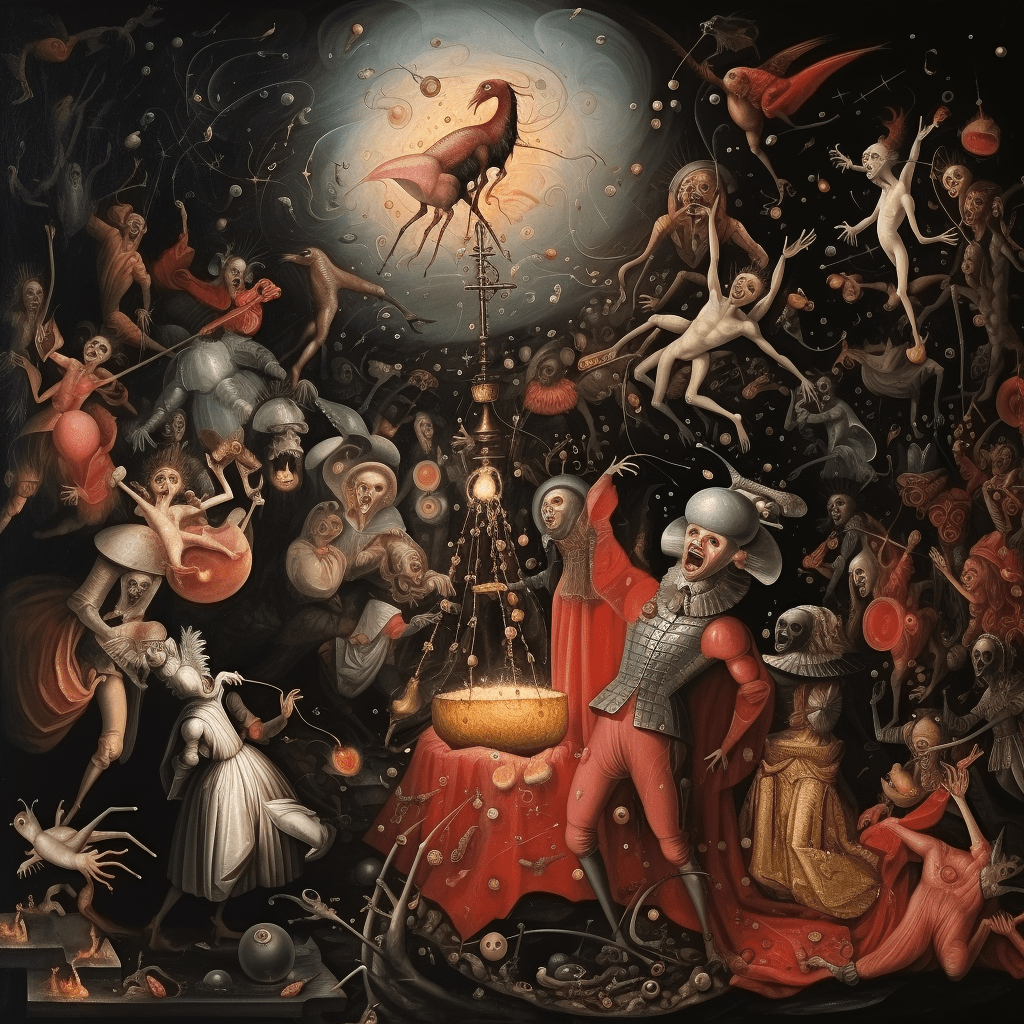
The worship of diseases, a seemingly outlandish notion, gains credibility when seen through the lens of history and anthropology. This concept, though rare, has manifested across several cultures and epochs, reflecting the attempts of our ancestors to understand, manage, and combat diseases.
Disease Deification in Ancient Civilizations
Ancient societies, lacking scientific understanding of diseases, often personified them into deities. For instance, ancient Romans venerated Febris, the goddess of fever, in hopes of appeasing her. Evidence of such veneration has been found in inscriptions on ancient votive tablets, suggesting that rituals and offerings were an integral part of these practices.
The Plague Saints
The Middle Ages in Europe saw a particular rise in disease worship following the Black Death. In their desperation, people started venerating “Plague Saints”, the most famous of whom was St. Sebastian, often depicted pierced by arrows, symbolic of the painful blisters caused by the plague. Others, like St. Roch and St. Rosalia, were also invoked for protection against contagious diseases. This form of worship reflected the population’s helplessness and search for divine intervention amidst their suffering.
Disease Worship and Indigenous Cultures
Across the globe, indigenous cultures present striking examples of disease worship. For instance, certain African and Australian aboriginal tribes have historically personified diseases into malevolent spirits or gods, believing that propitiation would bring respite or cure. Such practices often involved complex rituals and even sacrifices.
Modern Manifestations
In a contemporary context, this form of reverence is not as common, but remnants of it can be traced. The annual “Ganga Sagar Mela” in India is one example, where devotees endure extreme physical suffering, essentially courting diseases, to showcase their faith and attain spiritual cleansing. Furthermore, in certain Afro-Caribbean religions, there exist spirits of diseases who are honored in specific rituals.
Psychological Interpretations
Several psychological theories, such as the “Just World Hypothesis,” suggest that people, when confronted with situations beyond their control, often resort to supernatural explanations, creating gods of misfortune or diseases. The worship of these gods or spirits then acts as a coping mechanism, offering a sense of control over the uncontrollable.
Conclusion
While the worship of diseases may seem unusual or even absurd, it bears a profound significance when viewed as a cultural response to disease. It is not simply an act of veneration but an embodiment of humanity’s enduring quest for understanding and control in the face of uncertainty. Recognizing this facet of our collective past aids our understanding of how societies have historically related to disease and can provide valuable insights for contemporary health perspectives.
Afro-Caribbean religion and diseases, cultural response to disease, disease deification in ancient civilizations, disease gods, disease personification in history, disease worship history, disease worship in anthropology, Ganga Sagar Mela, indigenous cultures and disease worship, malevolent spirits of disease, Plague Saints, psychological interpretations of disease worship, ritualistic offerings to disease gods, Roman goddess Febris, St. Roch, St. Rosalia, St. Sebastian, understanding disease through worship, worship as coping mechanism, worship of diseases in Middle Ages -
Paradigm Recalescence: The Unseen Revolution

The world of science, as we know it, is continually evolving, driven by innovative minds seeking to decode and unravel the mysteries of our universe. However, there is a particular aspect of scientific progress that is often overlooked – paradigm recalescence. This is the idea that scientific breakthroughs do not replace preceding paradigms, as often believed, but rather refine and reshape them, leading to a collective amalgamation of knowledge. This piece aims to delve into this seemingly nebulous concept and reveal its compelling nature.
Decoding Paradigm Recalescence: Theory and Implications
At its core, paradigm recalescence proposes a dynamic model of scientific progression. It suggests that when a new scientific paradigm (or framework) emerges, it doesn’t erase its predecessor. Instead, it absorbs, refines, and recalibrates the old paradigm, bringing forth a more sophisticated and encompassing understanding of the scientific realm.
This idea challenges Thomas Kuhn’s model of scientific revolution, where he argued that new paradigms displace old ones in a revolutionary manner, leading to periodic ‘paradigm shifts.’ However, the theory of paradigm recalescence posits an evolutionary process, where scientific progress is more akin to an organic growth process, adapting and integrating prior knowledge.
Paradigm Recalescence in Action: Evidence in the Scientific Landscape
The principles of paradigm recalescence are apparent in various scientific domains. Take, for instance, the field of physics. Newton’s laws of motion, once the gold standard for explaining the physical world’s workings, were not obliterated by the advent of Einstein’s theory of relativity. Instead, they were recalibrated to accommodate phenomena at higher speeds and larger scales. Today, both Newton’s and Einstein’s theories coexist, contributing to our understanding of the universe in different contexts.
Similarly, in the realm of biology, Darwin’s theory of evolution didn’t eradicate the earlier concept of species fixity. Instead, it adapted the fixity idea to a temporal context, where species are fixed for a certain period until evolution incites change. Hence, Darwin’s theory didn’t completely negate the older paradigm, but redefined it, providing a more comprehensive lens to view life’s diversity.
Paradigm Recalescence: Impact on Future Scientific Endeavors
The recognition of paradigm recalescence has profound implications for the future of scientific research. It underlines the importance of historical scientific contexts, suggesting that to understand our current scientific landscape and direct future inquiries, we must respect and incorporate the wisdom of our scientific predecessors.
Furthermore, the theory promotes a more integrative, less combative approach to scientific advancement. It implies that instead of competing for supremacy, newer theories should aim to incorporate and enhance older ones, fostering a cumulative and synergistic growth of scientific knowledge.
Conclusion: Embracing Paradigm Recalescence – A Gateway to Advanced Understanding
In conclusion, paradigm recalescence offers a compelling perspective on scientific progress, highlighting the value of refining, rather than rejecting, preceding scientific paradigms. As we move into an era of increasingly complex scientific challenges, embracing this idea may be key to fostering an integrative, holistic approach to understanding the universe around us.
The mysteries of the cosmos, the workings of the human mind, and the intricate details of life on Earth are puzzles yet to be fully solved. Accepting the theory of paradigm recalescence can help us acknowledge that each scientific breakthrough, new or old, is but a single piece in the grand jigsaw puzzle of knowledge. Only by appreciating the cumulative effort of these pieces can we hope to complete the picture. The truth, as they say, is often more than the sum of its parts.
concept of paradigm recalescence, cumulative scientific knowledge, Darwin’s theory of evolution, holistic approach in science, implications of paradigm recalescence, importance of historical scientific context, integration in science, Newton’s laws and Einstein’s relativity, paradigm recalescence, paradigm recalescence in biology, paradigm recalescence in physics, scientific breakthroughs, scientific evolution, scientific paradigms, scientific progress theory, scientific research methods, scientific revolution vs evolution, species fixity, Thomas Kuhn’s paradigm shift, understanding paradigm recalescence -
Senses Programming Theory: A Deep Dive into the Neurological Manipulation
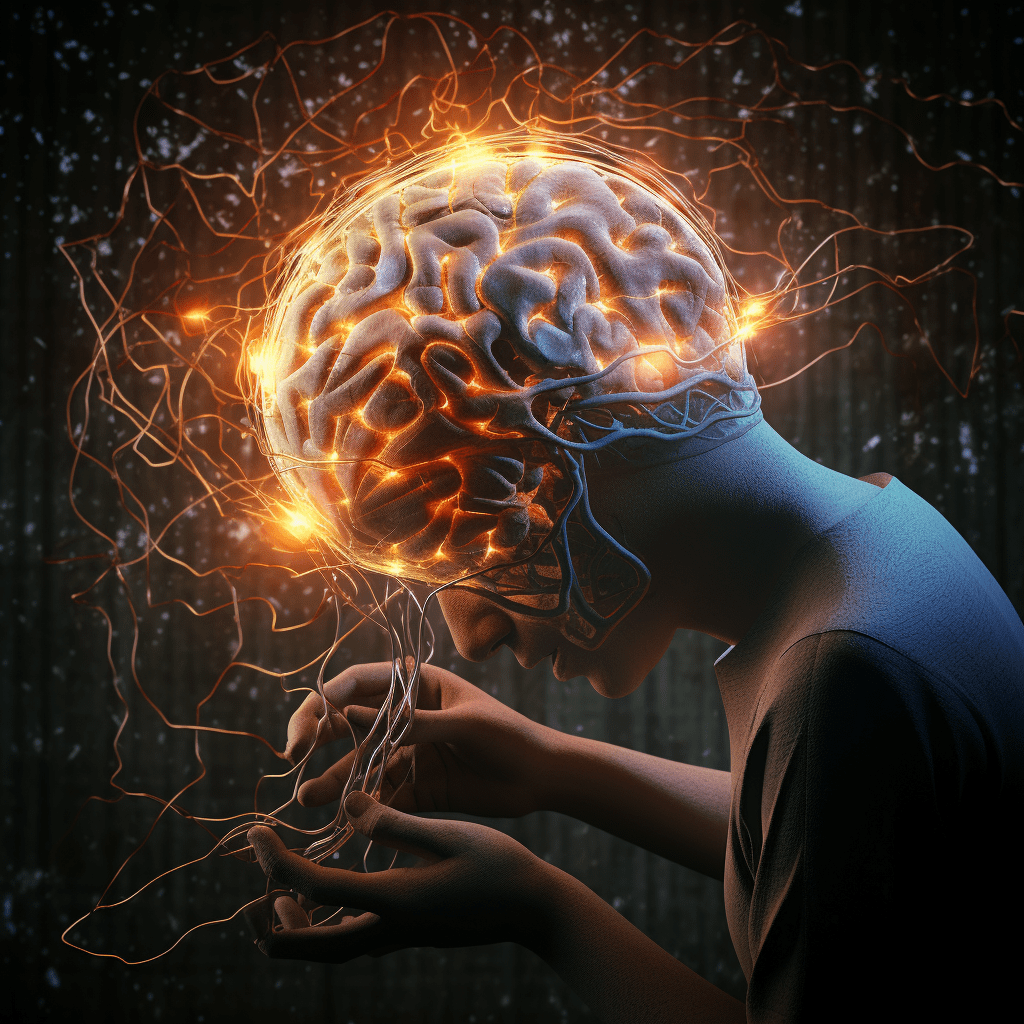
In the evolving world of neuroscience and technology, there’s a fascinating yet somewhat elusive concept: the senses programming theory. At its core, it purports that with the right tools and understanding, we could potentially program human senses like a computer code. Imagine altering your perception of reality or adjusting your sensitivity to various stimuli. While it might seem the stuff of science fiction, compelling evidence suggests it could be more science than fiction.
The Fundamentals of Sensory Processing
Before we delve into the theory, it’s essential to understand the basics of sensory processing. Our five senses—sight, hearing, touch, taste, and smell—rely on specialized receptor cells designed to detect specific types of stimuli. These stimuli are then translated into electrical signals, which the brain processes and interprets.
Synaptic Plasticity: The Key to Sensory Programming
Synaptic plasticity, the brain’s ability to strengthen or weaken synapses (connections between neurons), plays a crucial role in the senses programming theory. Research has shown that the brain’s plasticity is the basis for learning and memory. Therefore, it’s not a leap to consider that if we can influence this plasticity, we might be able to manipulate how we perceive and interpret sensory information.
Neurofeedback: A Step Towards Sensory Programming
One of the strongest pieces of evidence supporting the senses programming theory comes from neurofeedback, a process where individuals can control their brain waves while observing them in real-time. Neurofeedback is already being used to treat conditions like ADHD and anxiety, and ongoing research suggests it may also be used to enhance cognitive performance.
Virtual Reality (VR) and Augmented Reality (AR): The Technological Approach
The advancement of VR and AR technology is another intriguing aspect of the senses programming theory. These technologies are designed to manipulate our sensory perceptions and create a fully immersive experience. With the integration of haptic technology, for example, users can ‘feel’ virtual environments, suggesting we may soon program our senses to perceive a reality that isn’t physically present.
Cochlear Implants and Visual Prosthetics: Pioneering Medical Evidence
Cochlear implants and visual prosthetics already exist and have proven successful in substituting natural sensory input, essentially allowing doctors to program auditory and visual senses. This further strengthens the possibility that we can program and reprogram our senses.
The Future and Implications of Senses Programming
The implications of the senses programming theory are broad and exciting. In medicine, it could lead to the development of innovative treatments for sensory disorders or even sensory enhancements. On the other hand, ethical and psychological implications also need careful consideration. Could there be potential misuse in manipulating human perception?
Conclusion
While still a relatively new and complex concept, the senses programming theory has the potential to revolutionize our understanding of human sensory perception and cognitive function. The compelling evidence—synaptic plasticity, neurofeedback, VR and AR technologies, and successful medical devices—paint a picture of a future where programming our senses could become a reality. However, the exploration and eventual application of this theory must be accompanied by careful ethical deliberation and regulation to prevent misuse and unforeseen psychological impacts.
augmented reality, cochlear implants, cognitive function, ethics in sensory programming, future of sensory enhancements, haptic technology, human sensory perception, manipulating sensory perceptions, neurofeedback, neurological manipulation, neurology, neuroscience, programming human senses, psychology of sensory programming, senses programming theory, sensory disorders treatment, sensory processing, synaptic plasticity, Virtual reality, visual prosthetics
Wonder about your world…

Take the plunge down the rabbit hole of insanity and wonder in this fast-paced, nonstop psychological thriller that will leave you questioning the very nature of reality and beyond. Part thriller, part romance, part existential horror, A Dream of Waking Life delves into lucid dreaming, psychedelics, existential ontology, video games, the nature of love, the nature of reality, and more.

Mendel’s Ladder delivers an adrenaline-fueled journey set on a dystopian future Earth, brimming with high-stakes action, adventure, and mystery. This epic series opener plunges readers into a world filled with diverse cultures, heart-pounding battles, and characters who will captivate your heart and imagination.

“E.S. Fein is raising the bar for quality as it’s a very well-written and thought-provoking book…There are points and themes in the story that could be discussed for eons as people will have their own idea on where it leads. It’s a book I would highly recommend.” – Andy Whitaker, SFCrowsnest
 Wondergressive