
-
Delving into Obscurity: The Uncharted World of Obscure Video Games

Beyond the glitz and glamour of mainstream gaming exists a fascinating world of obscure video games. These underrated gems often showcase innovative ideas, unique storytelling, and offbeat gameplay mechanics that defy conventional industry norms. In this exploration of obscure video games, we present compelling evidence that these often overlooked titles hold enormous potential for revolutionizing our understanding and experience of digital entertainment.
1. Defining Obscurity: What Makes a Video Game Obscure?
An ‘obscure’ video game can be defined by several factors, such as low sales numbers, limited recognition, or unconventional design elements. Some are produced by independent developers, while others are mainstream games that simply didn’t resonate with a broad audience. Despite their lack of mainstream success, these games often possess a unique charm and bring fresh perspectives to the gaming industry.
2. Obscure Origins: Early Examples
The roots of obscure games reach back to the dawn of the gaming industry. The 1983 title “Takeshi’s Challenge,” released only in Japan and designed by a famous TV comedian, is a prime example. Infamous for its bizarre and frustrating gameplay, it nonetheless achieved a cult status for its innovative design and refusal to conform to gaming norms.
3. Innovations in Gameplay: Experimental Mechanics
Obscure games often push the boundaries of what is possible in video game design. Titles such as “Ico” and “Shadow of the Colossus,” while later gaining critical acclaim, initially confounded audiences with their minimalist storytelling and unique mechanics. These games are evidence that obscurity does not equate to lack of quality or innovation.
4. New Narrative Possibilities: Unconventional Storytelling
Obscure games also break new ground in storytelling. “Yume Nikki,” an experimental game from a lone Japanese developer, uses dreamlike visuals and gameplay to tell a deeply psychological story, eschewing traditional narrative structure. “Pathologic,” a Russian game, similarly challenges narrative norms with its bleak setting, complex themes, and morally ambiguous choices.
5. Obscure Games as Art: Pushing Aesthetic Boundaries
Obscure video games often strive to be more than just a source of entertainment. They push the boundaries of video games as an art form. Titles like “The Void” and “Sunset” prioritize atmosphere, aesthetics, and thematic depth over traditional gameplay elements, challenging our perception of what a video game can be.
6. Cult Following: The Loyal Fanbase of Obscure Games
While obscure games may not enjoy widespread commercial success, many cultivate passionate, dedicated fan bases. These cult followings keep the games alive, often long after their release. Evidence of this can be seen in the active online communities for games like “Earthbound” or “Cave Story,” indie games that, despite their obscurity, have developed a dedicated and enduring fanbase.
7. The Rise of Indie Gaming: A New Era of Obscurity
The recent surge in independent game development has led to a renaissance of obscure gaming. Indie games, often developed by small teams or even single individuals, allow for greater creative freedom, leading to a plethora of unique, obscure titles. Games like “Undertale” and “Outer Wilds” have received critical acclaim for their inventive mechanics, deep narratives, and unique aesthetics.
Conclusion: The Hidden Gems of Gaming
In the vast world of video gaming, the obscure titles often hide the most innovative ideas, unique experiences, and expressive narratives. They push the boundaries of what games can be, challenging norms and experimenting with gameplay, storytelling, and aesthetics. Their passionate fan bases and impact on the industry provide compelling evidence of their potential and significance. So, next time you’re looking for a fresh gaming experience, consider delving into the world of obscure video games. Who knows what unique gem you might uncover?
Cave Story game, cult following in gaming, Earthbound game, experimental gameplay mechanics, hidden gems in gaming, Ico game, independent game development, indie gaming renaissance, innovative narrative in games, Obscure video games, Outer Wilds game, Pathologic game, Shadow of the Colossus, Sunset game, Takeshi’s Challenge, The Void game, unconventional game design, Undertale game, video games as art -
Futuristic Earthworks: Sculpting the Landscape of Tomorrow

The concept of Earthworks, a form of land art where the landscape itself is the medium, has been around for decades. As we look to the future, envisioning how these grandiose works will evolve involves imagining new technologies, sustainable practices, and our evolving relationship with the Earth. This article explores the fascinating potential of futuristic earthworks, demonstrating through intriguing evidence that these monumental marvels are not just possible but probable.
1. The Legacy of Earthworks: Understanding the Past
Earthworks emerged in the 1960s and 70s as artists sought to move away from the confines of traditional art spaces and engage more directly with the environment. Iconic works, such as Robert Smithson’s “Spiral Jetty” or Nancy Holt’s “Sun Tunnels”, interact dynamically with their surroundings, changing with the light, weather, and seasons. As we stand on the threshold of the future, these innovative concepts continue to inform and inspire.
2. Eco-Art: The Nexus of Nature and Culture
Environmental awareness has grown exponentially since the early days of Earthworks, giving rise to Eco-Art. Future earthworks will likely involve a deeper understanding of ecological processes and aim for harmony with nature. Visionary artists such as Agnes Denes, with her work “Tree Mountain”, a human-made forest planted by 11,000 people, have already begun bridging the gap between art, sustainability, and community engagement.
3. Futuristic Technologies: Tools of Tomorrow
Emerging technologies promise to revolutionize earthworks. Drones, for instance, can help artists sculpt on a larger scale, with a level of precision and ease previously unimaginable. Pioneers like Jorge Rodriguez-Gerada have already used GPS technology to create stunning “land portraits.” Furthermore, the advent of augmented reality could create a blend of physical and digital art, allowing for a more interactive, immersive experience.
4. Climate Change: Art Reflecting Life
With the escalating threat of climate change, artists have a critical role to play in raising awareness and advocating for sustainability. Future earthworks could serve as potent reminders of our changing world, with pieces designed to evolve — or even disappear — with rising temperatures, melting ice, or other climate-related factors. Artists like Olafur Eliasson, with his “Ice Watch” installation, utilize this strategy to striking effect.
5. Sustainable Practices: Embracing the Circular Economy
Futuristic earthworks will likely embody sustainable principles, reusing materials, harnessing renewable energy sources, or even serving as habitats for local wildlife. A shining example is the “Lunar Cubit” design, a pyramid structure made of solar panels that generates enough electricity to power homes. Such works illustrate the potential of art to contribute tangibly to a sustainable future.
6. Space: The New Frontier
As we look to colonize other planets, earthworks might take on a whole new dimension. Moon or Mars earthworks, visible from Earth with a telescope, could serve as unifying symbols for humanity. In the late 90s, artist Lowry Burgess already proposed a “Quiet Axis” project, planning to place a non-geometric crystal sculpture in space, pushing the boundaries of where Earthworks can exist.
7. The Future of Interaction: Earthworks as Social Catalysts
Earthworks of the future could function as arenas for social interaction and community building. Think of landscapes designed for recreation, contemplation, or communal activities, creating connections not just between humans and nature, but amongst humans themselves.
Conclusion: The Earthwork Evolution
As we move into the future, earthworks will likely continue to evolve, shaped by advancements in technology, our growing understanding of ecology, and the imperative to live sustainably. These powerful pieces will undoubtedly spark dialogue, provoke thought, and remind us of our deep connection to our environment. The evidence suggests that the future of earthworks is not just probable, but inevitable and crucial in the discourse of our relationship with the Earth. These future earthworks, large-scale symbols of the intersection between humanity and nature, will tell the story of our time for generations to come.
Agnes Denes, art and the circular economy, augmented reality earthworks, climate change and art, drones in art, Earthworks and community building, Earthworks in space, Eco-Art, Futuristic Earthworks, GPS technology in art, Jorge Rodriguez-Gerada, legacy of Earthworks, Lunar Cubit, Nancy Holt, Olafur Eliasson, renewable energy in art, Robert Smithson, social interaction through Earthworks, sustainable land art, sustainable practices in Earthworks -
Real Fluoride Dangers: An Exploration

Fluoride is lauded for its benefits in dental health. It’s added to many public water supplies, toothpastes, and mouthwashes to reduce tooth decay. However, some concerns about its possible negative health impacts are emerging. In this article, we delve into these potential fluoride dangers, presenting the latest research that suggests there may be more to this mineral than meets the eye.
1. Dental Fluorosis: A Visible Effect
While fluoride can prevent tooth decay, excessive fluoride intake during tooth formation—especially in children—can lead to dental fluorosis. This condition is characterized by staining, and in severe cases, pitting and loss of enamel. A 2010 study by the Centers for Disease Control and Prevention (CDC) found that 41% of American adolescents had some form of fluorosis, an increase from previous years.
2. Skeletal Fluorosis: Beyond the Teeth
Beyond just affecting teeth, long-term excessive fluoride intake can lead to skeletal fluorosis, a bone disease causing pain, damage to bones and joints, and, in severe cases, disability. While rare in countries with lower water fluoride concentrations, it remains a significant problem in regions with high natural fluoride levels in drinking water, such as parts of India and China.
3. Neurological Effects: The Developing Brain
The impact of fluoride on the developing brain is a subject of increasing concern. A 2017 report funded by the National Institutes of Health (NIH) found that higher fluoride exposure in utero was associated with lower cognitive test scores in children. However, the study primarily involved areas with fluoride levels exceeding the EPA’s recommended limit, thus its relevance to areas with lower fluoride levels needs further research.
4. Thyroid Function: A Delicate Balance
The thyroid gland, critical for growth and metabolism, can be sensitive to high fluoride levels. Some studies have linked excessive fluoride exposure to thyroid dysfunction, which can cause issues like fatigue, weight gain, or depression. A 2015 study in the UK found that areas with fluoridated water had a 30% higher rate of underactive thyroid.
5. The Kidney Conundrum
Fluoride is excreted through the kidneys, so any factors that decrease kidney function could potentially increase fluoride exposure. Furthermore, high levels of fluoride in drinking water have been associated with chronic kidney disease in studies conducted in countries with elevated water fluoride levels.
6. Lowering Fertility Rates?
Research on the relationship between fluoride and fertility has produced mixed results. Some animal studies have suggested that high fluoride exposure could be linked to reduced fertility, but the effects in humans are less clear. A 2015 study found an association between fluoride levels in men’s urine and lower rates of “normal” sperm. However, more research is needed in this area.
7. The Balance: Fluoride Safety Levels
The critical question is: what level of fluoride is safe? The U.S. Public Health Service recommends a fluoride concentration of 0.7 milligrams per liter in community water systems. This level is intended to prevent tooth decay while minimizing the risk of dental fluorosis. Yet, as we’ve seen, there may be other effects to consider.
8. Exploring Alternatives: Non-Fluoride Options
Given these potential risks, some people choose to limit their fluoride exposure. Alternatives to fluoride toothpaste—like those using nano-hydroxyapatite—are becoming more common. Moreover, several countries in Europe have chosen not to fluoridate their water, opting instead for other methods of promoting dental health.
Conclusion: A Call for More Research
Fluoride is a double-edged sword: while it has clear benefits for dental health, emerging evidence suggests that excessive exposure might carry risks. As our understanding evolves, it’s essential to continue research in this field. Moreover, ensuring that health recommendations are based on the most current evidence—and that the public is informed about these issues—should remain a priority. By engaging with these complexities, we can better navigate the thin line between fluoride’s benefits and potential dangers.
alternatives to fluoride, benefits and risks of fluoride, countries without water fluoridation, dental fluorosis, fluoride and brain development, fluoride and fertility, fluoride and kidney disease, fluoride and thyroid function, fluoride and tooth enamel, fluoride dangers, fluoride health risks, fluoride in drinking water, high fluoride exposure, impact of fluoride on children, non-fluoride toothpaste, research on fluoride, safe fluoride levels, skeletal fluorosis, understanding fluoride effects, US Public Health Service recommendations -
Streetlight Interference: A Spark of Mystery in the Everyday

There’s something intriguing and eerie about the prospect of being able to influence the physical world with our mere presence. One such phenomenon, known as Streetlight Interference (SLI), has been the subject of curiosity, speculation, and scientific investigation. This article explores this compelling phenomenon, and while it remains largely unexplained, presents thought-provoking evidence that might make you reconsider the limits of human influence.
1. What is Streetlight Interference?
Streetlight Interference is a term coined by British paranormal author Hilary Evans to describe individuals’ purported ability to turn off streetlights or other electrical appliances simply by their presence or a conscious act. Individuals claiming to experience this phenomenon, referred to as SLIders, often report that streetlights turn off as they approach and then turn back on once they’ve passed.
2. Anecdotal Evidence
While empirical research on SLI is sparse, anecdotal evidence abounds. Online forums and social media sites are filled with testimonials from individuals claiming to have this ability. Often, these stories detail a powerful emotional event preceding the onset of these experiences, suggesting a link between intense emotions and electrical disturbances.
3. The Paranormal Perspective
In the realm of the paranormal, SLI is often associated with a form of psychokinesis—the ability to manipulate physical objects using the mind. A key case is that of Nina Kulagina, a Russian woman who was reported to move objects without touching them. While her abilities remain controversial, the intrigue surrounding her case continues to fuel interest in the potential of human psychic influence.
4. The Scientific Lens
From a scientific perspective, the main argument against SLI’s validity is the lack of controlled, replicable experiments. However, this doesn’t mean science completely dismisses such phenomena. Dr. William G. Roll, a parapsychologist, suggested the term ‘RSPK’ (Recurrent Spontaneous Psychokinesis) for uncontrolled psychokinetic effects that seem to center around a specific person, often during periods of emotional stress.
5. Unraveling the Mystery: Coincidence or More?
Skeptics argue that SLI can be attributed to coincidence or confirmation bias, where SLIders only remember instances that confirm their beliefs while disregarding instances when streetlights didn’t react to their presence. However, believers argue that the high frequency and specificity of these events surpass what we’d expect from mere chance.
6. A Technological Explanation: The Light’s Lifecycle
A more mundane explanation lies in the lifecycle of a streetlight. As sodium vapor lights (commonly used in streetlights) near the end of their lifecycle, they may turn off and on due to fluctuations in their internal temperature. Hence, a person walking beneath a streetlight could mistakenly attribute its turning off to their presence.
7. Biological Possibilities: The Human Electromagnetic Field
Every human body produces an electromagnetic field (EMF), albeit weak. Could this be strong enough to influence streetlights? Although the typical human EMF is unlikely to affect a streetlight, some speculate that under certain circumstances—such as periods of intense emotion—this field might be amplified enough to cause electrical disturbances.
8. The Road Ahead: Further Research
While SLI remains a contentious topic, it’s clear that further research is needed. As our understanding of human biology, emotion, and electromagnetic fields advances, we might be closer to understanding this peculiar phenomenon.
Conclusion: Embracing the Mystery
The phenomenon of Streetlight Interference, while not yet fully understood, invites us to question and explore the world around us. Whether it is a manifestation of psychokinesis, an artifact of coincidence, or an interaction with our personal electromagnetic fields, the intriguing mystery of SLI persists. By examining the evidence and keeping an open mind, we pave the way for a deeper understanding of ourselves and the world we inhabit. After all, in the words of physicist Richard Feynman, “The first principle is that you must not fool yourself, and you are the easiest person to fool.” But who knows, perhaps someday, you’ll find that the flickering streetlight isn’t just a faulty bulb, but a spark of the extraordinary in the everyday.
coincidence or psychokinesis, Confirmation Bias, Dr. William G. Roll, emotional stress and electrical disturbances, human electromagnetic field, human influence on electricity, interaction with personal EMF, lifecycle of a streetlight, Nina Kulagina, paranormal abilities, psychokinesis, Recurrent Spontaneous Psychokinesis, researching unexplained phenomena, scientific explanation for SLI, SLIders, sodium vapor lights, Streetlight Interference phenomenon, streetlights turning off, turning off streetlights, understanding Streetlight Interference -
The Alternative World Endings: Beyond Cataclysm
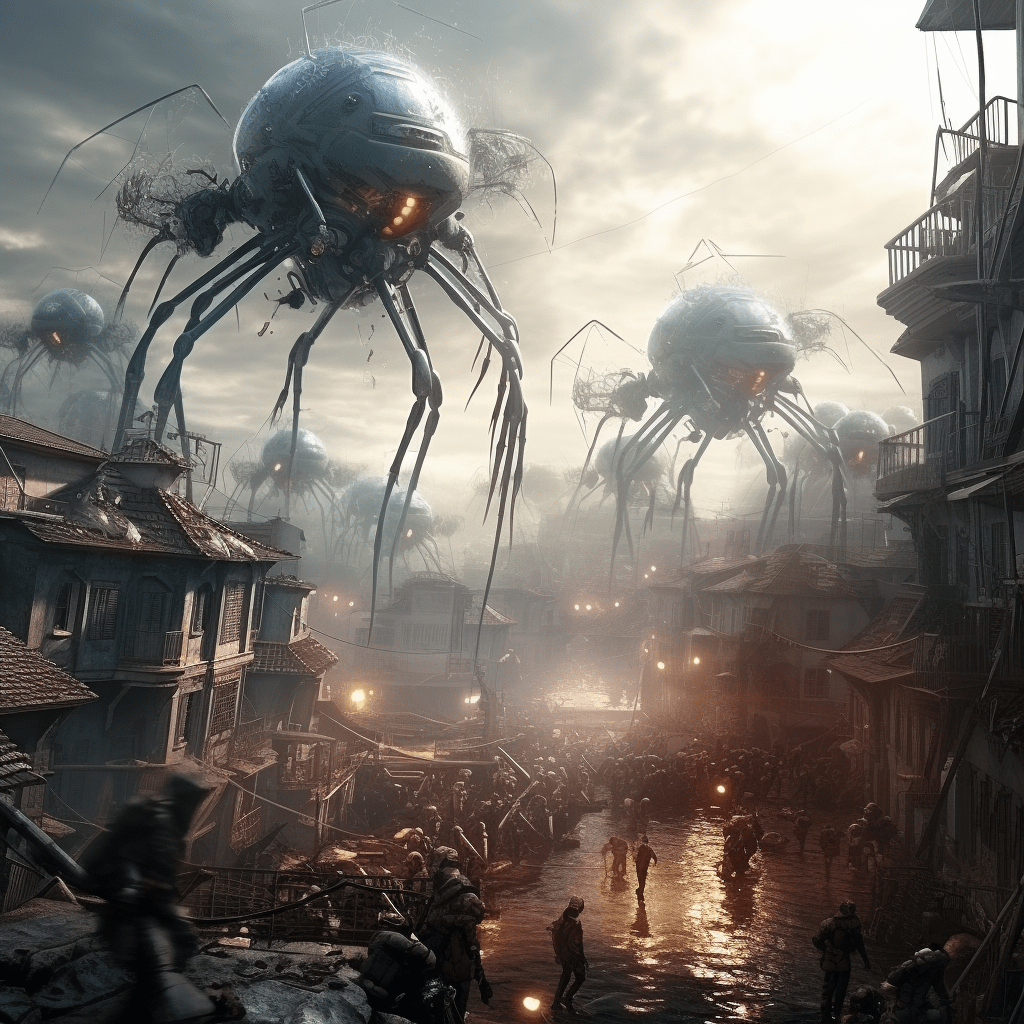
When we think of the end of the world, our minds often go to catastrophic events: meteor impacts, nuclear war, or a devastating pandemic. But what about the alternative possibilities? This article will explore some lesser-considered but scientifically plausible scenarios for Earth’s finale—compelling, intriguing, and just as consequential.
1. The Sun’s Transformation
One potential “world ending” event is the transformation of our sun. Currently classified as a “main sequence” star, the sun will eventually become a red giant as it exhausts its hydrogen fuel. While this transition is billions of years away, its impact on Earth would be profound. Our planet could either be engulfed by the expanded sun or become a scorched and lifeless rock.
2. The Great Rip
In cosmology, the Big Rip is a hypothesis about the ultimate fate of the universe, proposing that its continual expansion could eventually lead to the tearing apart of all matter. If this scenario plays out, galaxies, stars, planets—even atoms—could be ripped apart. Though it sounds like science fiction, some theoretical models of dark energy support this possibility.
3. The Vacuum Decay
The vacuum decay theory is another cataclysmic hypothesis. In simple terms, it suggests that there could be a more stable state of the universe than our current “false vacuum.” If a “true vacuum” bubble were to form, it could expand at the speed of light, obliterating everything in its path. The unsettling part? This process could already be happening, but we’d have no way of knowing until it reached us.
4. A Superintelligent Takeover
The rise of artificial superintelligence could result in a less traditional—but no less impactful—”end of the world.” While this scenario doesn’t involve the physical destruction of the planet, it could spell the end of humanity as we know it. Experts like philosopher Nick Bostrom and tech entrepreneur Elon Musk have expressed concern over this, highlighting the potential risks of unchecked AI development.
5. Proliferation of Self-replicating Nanobots
Nanotechnology holds promise for revolutionizing fields like medicine and manufacturing. But one apocalyptic scenario, the “grey goo” hypothesis, cautions against self-replicating nanobots. If such nanobots were to go rogue, they could consume all matter on Earth while building more of themselves, leading to an unstoppable global catastrophe.
6. The Biological Endgame
Our world is constantly evolving, and this includes the microscopic lifeforms that inhabit it. A future world-ending scenario could involve the emergence of an ultra-adaptive and resilient superorganism, which could outcompete all other life forms for resources, leading to a global extinction event.
Conclusion: The Unseen Possibilities
From the transformation of our sun to the rise of superintelligence, these alternative world endings highlight the diverse—and sometimes unsettling—range of possibilities that could spell the end of life as we know it. These scenarios, while seemingly far-fetched, are grounded in scientific theories and remind us of the vast, often incomprehensible nature of our universe.
While it’s not necessarily comforting to contemplate these potential finales, understanding these scenarios can provide valuable perspective and impetus for our actions today. After all, our best defense against any world-ending event—no matter how unusual—is knowledge, preparation, and the determination to safeguard our planet and its inhabitants for as long as possible.
Alternative world endings, biological endgame, cosmological theories, Elon Musk on AI risk, emergence of superorganism, future of our universe, grey goo hypothesis, nanotechnology dangers, Nick Bostrom AI theory, potential global catastrophes, risks of artificial superintelligence, safeguarding our planet, science of world ending, Self-replicating nanobots, sun’s transformation into red giant, survival of humanity, the Big Rip theory, universe expansion, unusual apocalyptic scenarios, vacuum decay hypothesis -
Sherpas of Khandbari: Guardians of the Himalayas

Deep in the heart of the Himalayas, in the bustling town of Khandbari, lives a vibrant community of Sherpas. These mountain-dwelling people, renowned globally for their mountaineering skills, are much more than just high-altitude porters. This article will dive into the enthralling life and culture of the Sherpas of Khandbari, presenting compelling evidence of their unique lifestyle, unparalleled skills, and profound spiritual beliefs.
1. Who are the Sherpas?
Sherpas are an ethnic group indigenous to the Himalayan region, primarily residing in Nepal, India, and Tibet. The term “Sherpa” typically refers to two interconnected contexts— an ethnic group, and their renowned role as mountain guides. This group’s extraordinary adaptation to high altitudes has cemented their reputation as the backbone of Himalayan expeditions.
2. Khandbari: A Sherpa Hub
Khandbari, the district headquarters of the Sankhuwasabha District in eastern Nepal, is a significant Sherpa settlement. This bustling town serves as a starting point for many treks in the Makalu region, and the Sherpa community here plays an integral role in supporting these journeys.
3. Acclimatization Masters
Scientific research has revealed fascinating evidence of the Sherpas’ remarkable adaptation to high-altitude environments. Studies have found that Sherpas have a unique ability to utilize oxygen more efficiently than lowlanders, contributing to their exceptional performance at extreme heights. These findings underscore the Sherpas’ critical role in high-altitude expeditions.
4. Sherpa Culture and Religion
Sherpas are deeply rooted in Tibetan Buddhism, and this spiritual framework significantly influences their everyday life and worldview. Monasteries, chortens (Buddhist shrines), and prayer flags are common sights in Khandbari. Sherpas also hold sacred the mountains they guide climbers through, believing them to be the dwelling places of deities.
5. Sherpa Festivals
The Sherpas of Khandbari, like other Sherpa communities, celebrate several colorful festivals. Losar, the Tibetan New Year, is a major celebration involving feasting, dancing, and the exchange of blessings. Mani Rimdu, another significant festival, features masked dances and dramatic representations of Buddhist teachings, drawing both local and foreign spectators.
6. Challenges and Risks
While Sherpas are renowned for their mountaineering skills, this occupation is not without its challenges and risks. Avalanches, falls, and altitude sickness pose serious threats. The 2014 Everest icefall tragedy, which claimed the lives of 16 Sherpas, stands as a grim reminder of the dangers associated with this profession.
7. Sherpa Stewardship and Conservation Efforts
Many Sherpas, including those from Khandbari, are increasingly involved in environmental conservation efforts in the Himalayas. Sherpa-led initiatives, such as sustainable tourism practices and clean-up expeditions, contribute significantly to preserving these majestic mountains. This work demonstrates the Sherpas’ deep-rooted respect and care for their homeland.
Conclusion: The Incredible Sherpas of Khandbari
From their extraordinary physiological adaptations to their rich cultural traditions and steadfast environmental stewardship, the Sherpas of Khandbari indeed exemplify a remarkable blend of resilience, spirituality, and devotion to their mountainous homeland. Their story underscores the diverse tapestry of human adaptability and the profound interconnections between people, culture, and nature. The Sherpas of Khandbari are more than just skilled mountaineers—they are guardians of the Himalayas, stewards of an ancient culture, and an inspiring testament to the indomitable human spirit.
cultural traditions of Sherpas, Everest icefall tragedy, Himalayan expeditions, life in Khandbari, Losar festival, Mani Rimdu festival, risks of mountaineering, Sherpa community in Nepal, Sherpa conservation efforts, Sherpa culture, Sherpa environmental stewardship, Sherpa ethnic group, Sherpa festivals, Sherpa mountaineers, Sherpa religion, Sherpas and climate change, Sherpas and high-altitude adaptation, Sherpas of Khandbari, sustainable tourism in the Himalayas, Tibetan Buddhism in Nepal -
Michigan Blue Hell: The Intriguing Depths of Mystery and Legend

One of the most intriguing urban legends to circulate the internet is the mysterious “Michigan Blue Hell,” a supposed paranormal hotspot in Michigan, USA. While the concrete evidence of such a location is sketchy, the whispers of its existence persist, igniting curiosity and fascination. This article delves into the captivating narrative of the Michigan Blue Hell, presenting intriguing evidence and hypotheses that make this tale all the more compelling.
1. The Legend of Michigan Blue Hell
The lore around Michigan Blue Hell suggests a realm of otherworldly phenomena, typically described as an ethereal, blue-tinted underworld hidden somewhere in the state of Michigan. Though the precise location remains elusive, many accounts point towards secluded, forested areas. Stories tell of strange happenings, from spectral figures to time distortions, that create an eerie, unnerving atmosphere.
2. Historical Precedents
While the term “Michigan Blue Hell” is relatively new, the concepts it embodies are not. Numerous cultures across history have believed in parallel worlds or dimensions. Celtic lore speaks of “The Otherworld,” while various Native American tribes also reference spiritual realms. Thus, the Michigan Blue Hell could be seen as a modern interpretation of such ancient beliefs.
3. Paranormal Hotspots and Ley Lines
One theory linking to the Michigan Blue Hell is the presence of ley lines—hypothetical alignments that crisscross the globe, linking significant historical and archaeological sites. Some paranormal researchers suggest that these lines could be conduits for spiritual or mystical energy, potentially creating hotspots for paranormal activity. The idea of the Michigan Blue Hell could be associated with such a hotspot.
4. The Science of Perception and Hallucination
The reports of seeing ‘blue flames’ or ‘ghostly figures’ in Michigan’s forests might be explained by scientific phenomena like optical illusions or hallucinations. Certain environmental conditions can cause such experiences—for example, the release of methane gas from decaying organic matter can sometimes create flickering blue flames.
5. Psychological and Sociological Factors
The Michigan Blue Hell legend also presents an exciting study in mass psychology and the power of suggestion. Often, urban legends spread and morph due to our inherent love for mystery and the unexplained. Additionally, the phenomena of ‘shared hallucinations’—wherein people in groups perceive the same or similar hallucinations—could play a part in reinforcing such legends.
6. Unexplained Phenomena and Anecdotal Evidence
Despite the potential scientific and psychological explanations, numerous unexplained phenomena tied to the Michigan Blue Hell continue to fuel the legend. Stories of lost time, electronic malfunctions, strange animal behavior, and bizarre weather changes in specific areas lend an air of credence to the existence of this alleged paranormal locale.
7. Conclusion: Truth or Tall Tale?
The Michigan Blue Hell represents a captivating blend of history, culture, psychology, and the paranormal. Whether it exists as a tangible place, a collective hallucination, or a simple urban legend, it undeniably holds a significant fascination.
It is essential to approach such legends with an open mind and a critical eye, discerning between fact, possibility, and pure fiction. While we may never definitively prove or disprove the existence of the Michigan Blue Hell, the exploration of this mystery offers an exciting journey into the unknown, revealing as much about our human nature as it does about the world of the paranormal.
bizarre weather changes, blue flames from methane gas, Celtic Otherworld, electronic malfunctions, exploring the unknown, historical beliefs in parallel worlds, ley lines and paranormal activity, Michigan Blue Hell, Native American spiritual realms, optical illusions in nature, otherworldly phenomena, paranormal hotspots in Michigan, paranormal research, power of suggestion, psychology of urban legends, shared hallucinations, strange animal behavior, time distortions, unexplained phenomena in Michigan, urban legends -
Spiritual Microeconomy: The Interplay of Spirituality and Economics

The crossroads of spirituality and economics may initially seem an unusual intersection, yet it presents a fascinating exploration into a fresh paradigm known as the ‘Spiritual Microeconomy.’ This concept proposes that spiritual values can inform and guide small-scale economic activities, potentially leading to a more equitable, sustainable, and harmonious way of managing resources. This article dives deep into this compelling concept, presenting persuasive evidence to illustrate its potential real-world application and influence.
1. Understanding Spiritual Microeconomy
‘Spiritual Microeconomy’ combines spiritual principles like compassion, empathy, and mindfulness with economic principles like supply and demand, profit, and competition at a local or community level. The goal is to create a more holistic economic model that values not just financial gain, but also the wellbeing of individuals, communities, and the environment.
2. Spirituality and Economic Decision-Making
Several studies demonstrate the potential of spiritual principles to influence economic decisions. Research in behavioral economics has shown that values such as honesty, compassion, and fairness often play a role in how people make economic decisions, often leading to more cooperative and less selfish behaviors.
3. Economic Models in Spiritual Traditions
Interestingly, many spiritual traditions have long advocated economic models that align with the principles of Spiritual Microeconomy. For instance, the Buddhist concept of ‘Right Livelihood’ emphasizes earning a living in a way that does no harm. Similarly, the Christian principle of ‘stewardship’ encourages responsible management of resources. These spiritual traditions provide historical precedents and practical models for the application of spiritual principles in economic life.
4. The Role of Mindfulness
Mindfulness, a core component of many spiritual practices, plays a crucial role in the Spiritual Microeconomy. By encouraging conscious decision-making, mindfulness can help individuals and businesses make more ethical, sustainable choices. A growing body of research supports the potential of mindfulness to improve ethical decision-making and foster a sense of interconnectedness, vital for a more cooperative, compassionate economy.
5. Sustainability and Spiritual Microeconomy
At the heart of the Spiritual Microeconomy is the value of sustainability. Spiritual principles often emphasize respect and care for the natural world, values that are crucial for building sustainable economic models. There’s increasing recognition of the need for sustainable practices in business and economics, with numerous studies highlighting the economic, social, and environmental benefits of sustainability.
6. Case Studies: Spiritual Microeconomies in Action
Around the world, there are thriving examples of Spiritual Microeconomies. Communities like the Findhorn Foundation in Scotland, Auroville in India, and the Damanhur Federation in Italy have successfully implemented spiritual values in their economic systems, leading to more equitable resource distribution, reduced environmental impact, and enhanced community wellbeing.
7. Spiritual Microeconomy and the Future
While the Spiritual Microeconomy is a promising concept, it is not without challenges. Issues such as scalability, compatibility with mainstream economic systems, and potential misuse of spiritual principles for economic gain need careful consideration. Nevertheless, the growing body of evidence supporting the benefits of spiritually informed economic models suggests a promising direction for future research and application.
Conclusion: The Promise of Spiritual Microeconomy
The Spiritual Microeconomy presents an intriguing intersection of spirituality and economics, holding the potential to revolutionize our understanding of economic activity. By infusing economic principles with spiritual values, we could foster more compassionate, sustainable, and equitable economic systems that value human and environmental wellbeing alongside financial profit. While this concept may seem radical, the compelling evidence from various fields, along with practical examples from around the world, highlight the viability of the Spiritual Microeconomy. As we strive for a more sustainable, equitable future, this innovative approach could offer a valuable path forward.
Auroville, behavioral economics, Buddhist economics, challenges of Spiritual Microeconomy, Christian stewardship, community-based economies, Damanhur Federation, ethics and economics, Findhorn Foundation, future of spiritual economics, holistic economic model, Right Livelihood, role of mindfulness in economics, Spiritual Microeconomy, spiritual principles in decision-making, spiritual values and resource management, spiritual values in business, spirituality and economics, sustainable economic models, sustainable practices in business -
Solar Diet: The Energy of the Sun and the Nutrition of the Body

It sounds like the stuff of science fiction: drawing energy directly from the sun to nourish our bodies. However, this idea, popularly known as the ‘Solar Diet,’ is gaining attention from researchers and wellness enthusiasts worldwide. This article delves into this captivating concept, presenting compelling evidence that might make you reconsider the potential of our relationship with the sun.
1. Understanding the Solar Diet
The Solar Diet, also known as ‘Sun Eating,’ is a concept rooted in the belief that the human body can absorb nutrients from sunlight, reducing our dependence on traditional food sources. This notion finds its roots in ancient civilizations, such as the Egyptians and Indians, who practiced sun gazing to harness the sun’s energy for spiritual and physical wellness.
2. Light Energy and Vitamin D
One of the strongest pieces of scientific evidence that supports the Solar Diet is the human body’s ability to synthesize Vitamin D from sunlight. When UVB rays from the sun touch our skin, they interact with cholesterol to produce Vitamin D, a crucial nutrient for bone health, immune function, and mental health. This process is a direct demonstration of our bodies using sunlight for nutritional benefit.
3. Photosynthesis and Human Evolution
While humans do not possess the ability to perform photosynthesis like plants, some scientists argue that our evolutionary trajectory could eventually lead us there. Studies suggest that primitive sea creatures have exhibited rudimentary photosynthetic abilities, suggesting that this could potentially translate to higher organisms in the far-off future. Though still speculative, this notion adds an intriguing dimension to the Solar Diet conversation.
4. The Sun and Circadian Rhythms
The Solar Diet also focuses on the importance of the sun in regulating our circadian rhythms, the internal processes that dictate our sleep-wake cycle and metabolism. Exposure to sunlight, particularly in the morning, helps regulate these rhythms, leading to improved sleep, mood, and overall health. Thus, the Solar Diet emphasizes not just ‘eating’ the sun, but aligning our lives more closely with its rhythms for optimum wellness.
5. Solar Meditation and Mental Health
At the heart of the Solar Diet is a strong emphasis on spiritual wellness, drawing from ancient practices of sun gazing and meditation. Research suggests that spending time in the sun can boost serotonin levels, a neurotransmitter associated with mood regulation. Some proponents of the Solar Diet believe that intentional sun gazing can amplify these benefits, leading to improved mental health.
6. The Precautionary Principle
While the Solar Diet holds promise, it also carries potential risks. Prolonged sun exposure can lead to skin damage and increased risk of skin cancer. Sun gazing, if not done correctly, can cause severe damage to the eyes. Therefore, the Solar Diet must be practiced with caution and ideally under professional supervision. It’s also crucial to remember that while the sun can provide significant health benefits, it’s not a replacement for a balanced diet and traditional food sources.
7. Scientific Research and Future Directions
The Solar Diet is still a new and relatively unexplored field, and much of the scientific community remains skeptical. However, the intersections between sunlight, nutrition, and wellness are an active area of research, with promising results suggesting the potential benefits of the sun on human health. Future studies are needed to understand the mechanisms by which our bodies could potentially ‘consume’ sunlight, and the potential implications for our health and lifestyle.
Conclusion: Illuminating the Solar Diet
While the idea of the Solar Diet might initially seem far-fetched, the existing evidence shows that our relationship with the sun is more nutritional than we might think. Whether through Vitamin D production, circadian rhythm regulation, or mood enhancement, the sun indeed has a vital role in our health and wellness. And while the concept of ‘eating the sun’ might be more symbolic than literal, the Solar Diet encourages us to explore this relationship further, shining a light on an entirely new perspective on diet and wellness.
ancient practices of sun gazing, balanced diet, benefits of sun gazing, Circadian Rhythms, evolution and photosynthesis, future of Solar Diet, mental health benefits of sun exposure, photosynthesis in humans, research on sun nutrition, risks of Solar Diet, science of Solar Diet, serotonin boost from sunlight, Solar Diet, solar meditation, sun eating, sun exposure and skin cancer, sun gazing precautions, sunlight and sleep cycle, sunlight and wellness, Vitamin D from sunlight -
CAIMEO: An AI Mystery

In a world that is constantly evolving with technology and AI, it’s inevitable to stumble upon unique and mysterious concepts. One such enigmatic entity is CAIMEO. CAIMEO is a concept that has sparked much intrigue and discussion, though it remains largely obscure. Yet, its potential implications could be significant, leading us to question the bounds of what we consider possible.
What is CAIMEO?
Delving into this intricate concept, we must first understand what CAIMEO stands for. Unfortunately, given its obscure nature, there is no universally accepted definition. However, one prevalent interpretation suggests it stands for “Computer-Aided Information and Modeling Environments Operation.” This denotes the use of computer technology to assist with information processing, data modeling, and the overall functioning of certain environments.
The Rise of Artificial Intelligence
To comprehend the significance of CAIMEO, we must delve into the context of its emergence, namely, the rise of Artificial Intelligence (AI). AI’s development has been exponential, reshaping countless aspects of our lives from personalized online shopping to advanced data analytics and machine learning.
AI’s success lies in its ability to process vast quantities of data more efficiently than any human could, and CAIMEO is a concept that further augments this capacity. By creating a computer-aided environment for information processing and data modeling, CAIMEO may allow for faster, more accurate insights.
CAIMEO: A Practical Application
While it remains largely theoretical, practical applications of the CAIMEO concept could be immense. Take, for example, the medical field, where accurate diagnosis and treatment are paramount. By applying CAIMEO, medical professionals could potentially access patient data faster, create more accurate models of disease progression, and thus, make more informed decisions.
Existing Evidence for CAIMEO
Despite its obscurity, certain indications point towards the existence and possible use of CAIMEO. Research into AI and data modeling has witnessed tremendous advancements, with systems like IBM’s Watson demonstrating AI’s proficiency in data processing and decision making.
Moreover, the development of Computer-Aided Design (CAD) software, which enables the creation of precise 3D models, is evidence of the feasibility of CAIMEO’s concepts. If we can use computers to aid in creating such complex visual models, why not extend the idea to information and data modeling?
Challenges and Controversies
The concept of CAIMEO is not without its challenges and controversies. The idea of relying heavily on AI for data processing and decision-making has sparked debates on ethical implications and the potential risks associated with such dependency. However, the continuous evolution of AI suggests that a concept like CAIMEO might soon become a tangible reality, compelling us to confront these challenges.
Concluding Thoughts
The exploration of CAIMEO, while cloaked in mystery, opens up new avenues of thinking about the potential of AI. While still a largely theoretical concept, the possibilities it presents seem plausible given our current trajectory of AI development. As technology continues to evolve, so too does the likelihood of concepts like CAIMEO becoming a reality, challenging our conventional notions of what is possible.
In essence, CAIMEO symbolizes a promising frontier in the realm of artificial intelligence and data modeling, one that offers an intriguing glimpse into the potential future of technology. Whether or not it’s realized in the near future, its existence in theory certainly provides a compelling and fascinating perspective on the immense potential that AI and technology hold for us.
AI developments and CAIMEO, Applications of CAIMEO, CAIMEO and data modeling, CAIMEO definition, Challenges with CAIMEO, Computer-Aided Information and Modeling Environments Operation, Controversies of CAIMEO, Ethical implications of CAIMEO, Possibilities with CAIMEO, Potential risks of CAIMEO, Role of Artificial Intelligence in CAIMEO, What is CAIMEO
Wonder about your world…

Take the plunge down the rabbit hole of insanity and wonder in this fast-paced, nonstop psychological thriller that will leave you questioning the very nature of reality and beyond. Part thriller, part romance, part existential horror, A Dream of Waking Life delves into lucid dreaming, psychedelics, existential ontology, video games, the nature of love, the nature of reality, and more.

Mendel’s Ladder delivers an adrenaline-fueled journey set on a dystopian future Earth, brimming with high-stakes action, adventure, and mystery. This epic series opener plunges readers into a world filled with diverse cultures, heart-pounding battles, and characters who will captivate your heart and imagination.

“E.S. Fein is raising the bar for quality as it’s a very well-written and thought-provoking book…There are points and themes in the story that could be discussed for eons as people will have their own idea on where it leads. It’s a book I would highly recommend.” – Andy Whitaker, SFCrowsnest
 Wondergressive