
-
Google Earth’s Black Zones: A Journey Into the Unknown

Google Earth, a virtual global mapping and geographical information program, has made it possible to explore the world from the comfort of our homes. It has unveiled the hidden treasures of Earth, allowed us to wander through the bustling streets of cities we may never visit, and revealed the vast expanse of untouched landscapes. But, what happens when certain areas on Google Earth are shrouded in mystery, hidden from view by inexplicable black zones? Let’s delve into this enigma, one that suggests even in our technologically advanced world, there are still places left uncharted.
Understanding Google Earth’s Black Zones
Black zones on Google Earth refer to specific locations on the platform that are censored or blurred, typically appearing as black, white, or pixelated patches. These black zones have raised numerous questions and ignited speculation among curious onlookers worldwide.
Instances of Google Earth’s Black Zones
Several notable instances of black zones have been recorded on Google Earth, sparking debates and theories about their existence.
Volkel Air Base, The Netherlands
Located in the Netherlands, Volkel Air Base, a military installation, is one such blacked-out area. Theories suggest that this censorship could be due to the rumored storage of American nuclear weapons.
Szazhalombatta Oil Refinery, Hungary
This oil refinery in Hungary is blurred out on Google Earth. Speculations point to the Hungarian government’s request for this due to safety and security reasons.
Possible Reasons for Black Zones
Exploring the possible reasons behind these black zones unveils a complex interplay of international politics, security issues, and technological challenges.
National Security
Many black zones correspond to military sites or strategic locations. Governments might request Google to blur certain areas to protect national security and prevent sensitive information from being exposed.
Privacy Laws
Certain countries have strict privacy laws that may require obscuring specific locations. For instance, Germany’s stringent privacy laws have led to the blurring of many private residences on Google’s Street View.
Technical Glitches
On rare occasions, black zones might also be due to technical glitches or errors during the image stitching process of satellite imagery.
Unraveling the Mystery: The Case of the Nevada Desert
Intriguingly, some black zones have been lifted over time, offering insights into these shadowy patches. A black zone in the Nevada desert, initially thought to be hiding secretive military activities, was revealed in later updates to be a plain and unremarkable piece of land, indicating that the initial blackout could have been a technical error.
The Intrigue of the Black Zones
The enigma of Google Earth’s black zones continues to fascinate individuals worldwide, inspiring a sense of intrigue and a spirit of adventure in the digital age. From amateur detectives to conspiracy theorists, these black zones have fueled countless debates and discussions on online platforms.
Conclusion: Black Zones and the Unexplored Frontiers
The existence of Google Earth’s black zones serves as a compelling reminder that despite the vast strides we have made in technology and exploration, there are still areas left uncharted and unknown. Whether shrouded for reasons of national security, privacy, or simply the result of technical glitches, these mysterious patches on the digital map inspire a sense of wonder, curiosity, and a relentless quest for knowledge.
The continued fascination with these black zones underscores our collective yearning to understand the world around us better. They represent the remaining frontiers in our era of technological exploration, beckoning the curious to explore the unknown and unravel the mysteries they conceal.
-
Bloodletting Magick: An Intriguing Journey into Ancient Rituals and Modern Practices

The arcane practice of bloodletting magick, with its roots buried deep in the annals of human history, evokes a blend of fascination, apprehension, and skepticism. In an era defined by scientific advancement and technology, such a practice might seem outdated or even incredulous to some. However, for others, it represents a powerful, elemental, and visceral form of magic. Let’s explore this captivating subject, presenting evidence that might challenge our preconceptions and compel us to rethink our understanding of magick.
Understanding Bloodletting Magick
Bloodletting magick refers to the use of blood, typically one’s own, in magical rituals and practices. The term “bloodletting” traditionally refers to the act of drawing blood from a person, historically for medical purposes. In the context of magick, however, it signifies the symbolic and literal use of blood as an integral component in rituals and spells.
Historical Precedents: Blood in Rituals and Magic
The symbolic power of blood transcends cultural boundaries, featuring prominently in religious rituals, folklore, and occult practices throughout history.
Ancient Civilizations
The ancient Mayans, Egyptians, and Greeks, among others, regarded blood as a conduit of life force, and it was often used in rituals intended to curry favor with the gods or manipulate unseen forces.
European Witchcraft and Folk Magic
Historical accounts of witchcraft in Europe often reference the use of blood in spells and charms. Folk magic traditions across the continent also feature blood as a component in protective amulets and love spells.
Bloodletting Magick in Contemporary Practice
While such practices might seem confined to history, bloodletting magick is far from extinct. It thrives within certain modern pagan, witchcraft, and occult communities.
Chaos Magick
Chaos magicians, who focus on the practical results of their rituals, occasionally use blood in their workings, often as a potent method of “charging” a sigil with their intent.
Wicca and Modern Witchcraft
While not a common practice, some practitioners of Wicca and witchcraft might use blood in their rituals, often as a symbol of personal commitment or to strengthen a spell’s connection to the practitioner.
The Power of Blood: A Scientific Perspective
From a scientific standpoint, one might argue that the power attributed to blood in magickal practices could be explained psychologically. The act of bloodletting, given its visceral nature, might induce a heightened state of emotional arousal that could strengthen one’s focus and intent – critical components in many magickal practices.
Ethical and Safety Considerations
Any discussion of bloodletting magick would be incomplete without addressing safety and ethical concerns. The risk of infection or injury, the possibility of violating consent (if another’s blood is used), and the potential for psychological harm all underscore the need for caution.
Conclusion: The Enigmatic Realm of Bloodletting Magick
Whether one approaches bloodletting magick with skepticism or belief, curiosity or trepidation, its enduring presence in human history and contemporary practice is undeniably compelling. While the thought of combining blood with magic may seem alien to some, for others, it’s an intimate and powerful way to connect with the energies they seek to influence.
From the ancient civilizations that first imbued blood with sacred significance to the modern practitioners who continue these traditions, bloodletting magick invites us into a world where faith, intent, and the human body intertwine in fascinating ways. It challenges us to look beyond the surface, to question our preconceptions, and to explore the profound and the primal in our search for understanding.
ancient civilizations and blood rituals, blood and occult practices, blood as life force, blood in folk magic, blood in rituals, Bloodletting magick, Chaos Magick, contemporary blood magic practices, ethical considerations in blood magic, European witchcraft, history of blood magic, modern pagan practices, personal commitment in magic, psychology of blood magic, risk of bloodletting, safety in bloodletting magick, science behind blood magic, strengthening spells, use of blood in spells, Wicca and blood magic -
The Enigma of Acoustic Attacks: Exploring the Realities of Sonic Warfare

In the realm of international intrigue and espionage, the idea of acoustic attacks presents an enigma that is both fascinating and terrifying. From causing physical harm to individuals to possibly disrupting electronic equipment, these invisible assaults challenge our traditional understanding of weaponry and warfare. In this article, we delve into the mysterious world of acoustic attacks, sifting through evidence that might make you consider the plausibility of this seemingly science-fiction concept.
Sonic Warfare: The Basics of Acoustic Attacks
At the most fundamental level, an acoustic attack employs sound as a weapon. It uses sound waves, inaudible to the human ear, but capable of causing physical harm or discomfort. This can include frequencies either below (infrasound) or above (ultrasound) the range of human hearing.
Historic Precedents: Not a New Concept
The concept of using sound as a weapon isn’t new. In World War II, acoustic devices were used to locate enemy aircraft. The Nazis reportedly developed an acoustic cannon that could cause lethal vibrations. While these early uses of sound were more about detection and deterrence, they laid the groundwork for the development of sonic weapons.
Modern-Day Incidents: Cuba and China
The most famous recent examples of alleged acoustic attacks occurred in Cuba and China involving American and Canadian diplomats.
Havana Syndrome
In 2016, American diplomats in Havana reported a range of symptoms, including dizziness, nausea, headaches, balance problems, and tinnitus. Some also experienced cognitive issues such as memory loss and difficulty concentrating. This cluster of symptoms has been dubbed the ‘Havana Syndrome.’
The reported onset of these symptoms was often linked to a loud, piercing sound that the victims could not identify. Suspicion quickly fell on a possible sonic attack, although no definitive cause has been determined.
Health Incidents in China
Similar incidents were reported by American diplomats in Guangzhou, China, in 2018. These victims also reported hearing strange sounds and subsequently experiencing symptoms similar to those in Havana.
Evidence and Investigations
Investigations into these incidents have yielded puzzling results. While no definitive cause has been determined, various studies suggest a range of possibilities.
Medical Findings
Medical examinations of the affected diplomats have provided some compelling evidence. Brain scans showed differences in the white matter tracts that let different parts of the brain communicate. Another study found evidence of inner ear damage, supporting the theory of a sonic attack.
Technological Possibilities
Experts have suggested that microwave or radiofrequency energy might be the source of these attacks. This could potentially produce audible sounds through a phenomenon known as the Frey effect, which might explain the victims hearing strange noises.
Challenges and Controversies
Determining the truth about acoustic attacks is fraught with challenges. The secretive nature of international diplomacy and intelligence hampers the transparency of investigations. Moreover, the evidence is often subjective, relying on the personal experiences and self-reported symptoms of the victims.
Despite these hurdles, the possibility of acoustic attacks cannot be dismissed outright. The medical findings and the similarities between separate incidents indicate that something occurred, even if the exact cause remains elusive.
Conclusion: The Unsettling Reality of Acoustic Attacks
Acoustic attacks, once the realm of science fiction and Cold War-era espionage, are now a disturbingly plausible reality. The mysterious cases in Havana and Guangzhou serve as stark reminders of the evolving nature of international conflict and the potential for new forms of weaponry.
While investigations continue and scientists seek to unravel the complex web of symptoms, causes, and implications, one thing is clear: the world of acoustic attacks is a compelling and unsettling enigma that challenges our understanding of warfare, espionage, and the power of sound. It is a mystery that demands further exploration and, most importantly, preparedness for a new kind of threat.
Acoustic attacks, brain scans and sonic attacks, Frey effect, Havana Syndrome, history of sonic weapons, infrasound, international espionage, microwave energy attacks, mysterious health incidents, sonic warfare, sound as a weapon, symptoms of acoustic attacks, ultrasound, understanding acoustic attacks -
Cat Nuns: Unraveling the Threads of Myth and History

The line between reality and mythology is often blurred, especially when it comes to tales of the supernatural, the uncanny, and the inexplicably weird. One such intriguing yet obscure piece of folklore that stirs our curiosity is the concept of ‘Cat Nuns’. This article dives deep into this unusual lore, examining its historical roots, cultural significance, and presenting compelling evidence that might make you consider its possibilities.
Cat Nuns: Origins and Historical Context
‘Cat Nuns’ might sound like a whimsical or absurd concept, perhaps a fanciful creation of a fertile imagination. However, it has historical underpinnings that are deeply rooted in a time when superstition and belief in the supernatural were parts of everyday life.
The concept of Cat Nuns originates from medieval Europe, a time of profound religious fervor and belief in magic and the occult. It was also a period that saw the proliferation of various animalistic deities and figures in paganism, some of which were later demonized by the Church. Cats, in particular, were subject to much superstition and were often associated with witches and devil worship.
The Tale of the Cat Nuns
The legend of the Cat Nuns is a fascinating blend of mythology, religion, and superstition. The narrative speaks of a secluded convent where the nuns were not as they seemed. By day, they carried out their spiritual duties, but come night, they transformed into cats. They would then roam the countryside, engaging in various acts that were considered heretical or occultist.
This transformation was considered a result of either a pact with the devil, a punishment from God, or an inherent ability that the nuns possessed. Though the exact reasons vary based on the tale, the common thread is the metamorphosis of devout nuns into felines.
Cultural Significance and Interpretations
The tale of Cat Nuns might be seen as an allegory for the subversion of religious order, a rebellion against the constraints of ecclesiastical life. The transformation into cats, creatures that symbolized independence and unpredictability, can be seen as a symbol of this defiance.
Others interpret it as a warning tale against straying from the path of righteousness, with the transformation acting as a divine punishment. It might also be a reflection of the fear and mistrust against women who lived outside the traditional societal roles, particularly those who were part of the Church.
The Evidence: Sifting Fact from Fiction
It’s vital to note that the ‘evidence’ for the existence of Cat Nuns is largely anecdotal, rooted in folklore and local legend. Some tales speak of villagers witnessing the transformation or hearing the Cat Nuns prowling at night. Others mention exorcisms performed to ‘cure’ the affected nuns or recount the discovery of cats within the convents.
However, these accounts need to be taken with a grain of salt. They are as much a reflection of the time’s superstitions and social fears as they might be of any actual events. The tale’s enduring allure lies more in its symbolic interpretations than any concrete historical proof.
Conclusion: Unraveling the Myth of Cat Nuns
The tale of the Cat Nuns, like many elements of folklore and mythology, is a complex tapestry woven from threads of historical context, societal fears, and symbolic interpretation. While it might seem improbable from a scientific or historical standpoint, it offers a fascinating insight into the medieval mind and the era’s societal norms.
This mysterious lore serves as a compelling reminder of our past and how myths and legends can reflect the time and society from which they originate. Whether the Cat Nuns ever existed or not, their tale continues to captivate our imaginations, leading us down intriguing paths in our quest to unravel the mysteries of our shared history.
Cat Nuns, convent legends, divine punishment, evidence for Cat Nuns, exorcisms, folklore and mythology, historical context of Cat Nuns, legends of the supernatural, medieval Europe, religious allegories, subversion of religious order, supernatural tales, superstitions, symbolic interpretation, transformation myths, witches and cats, women in the Church -
Kap Dwa: An Exploration of the Enigmatic Two-Headed Giant

The world of cryptids, or creatures whose existence is rumored yet unconfirmed by scientific consensus, boasts a rich tapestry of strange and enigmatic entities. From Bigfoot to the Loch Ness Monster, the tales of these mysterious beings have fascinated and bewildered enthusiasts for decades. One of the most intriguing cryptids is undoubtedly Kap Dwa, the alleged two-headed giant. In this article, we will dive into the legend of Kap Dwa, unearthing the tale behind this extraordinary cryptid and exploring the intriguing evidence that suggests it may not be mere folklore.
The Legend of Kap Dwa: An Unusual Tale
Kap Dwa, a Patagonian giant from South America, is known for his unique attribute – two heads. The legend dates back to the 17th century, when Kap Dwa was supposedly captured by Spanish sailors and transported across the Atlantic. After a rebellion on the ship, Kap Dwa was reportedly killed, his body preserved and passed down through generations, ending up in a British sideshow in the early 20th century.
Kap Dwa: From Patagonia to Sideshow
Kap Dwa’s mummified remains stood 12 feet tall, with a large spear wound marking where he was allegedly killed. These remains were exhibited at “The Greatest Show On Earth” in Blackpool, England, where audiences marveled at the preserved body of the supposed giant.
Examination of the Evidence: How Plausible is Kap Dwa?
When considering the validity of such an extraordinary claim, one must examine the physical evidence. Kap Dwa’s mummified remains, if authentic, would offer compelling evidence for the giant’s existence. However, the veracity of these remains has long been a matter of debate.
Some skeptics suggest that Kap Dwa’s body may be a product of “gaff” – a term used to describe a fabricated exhibit created for sideshow purposes. This technique has been used to create other cryptid “specimens,” such as the infamous Fiji Mermaid.
Others have proposed that Kap Dwa may have suffered from a severe form of polycephaly (having more than one head) or gigantism, both of which are recognized medical conditions. However, the combined presence of these two conditions in a single individual, resulting in a two-headed giant, is extraordinarily rare.
Digging Deeper: The Historical and Anthropological Context
The concept of giants is not unique to the legend of Kap Dwa. Many cultures worldwide have tales of giant beings, and physical evidence, such as unusually large skeletal remains, have been unearthed in various locations. While most of these findings can be explained by specific medical conditions, cultural practices, or archaeological misinterpretations, they do add an intriguing dimension to the Kap Dwa story.
Moreover, the indigenous people of Patagonia, where Kap Dwa is said to originate, were historically noted for their impressive height. Early European explorers described the Tehuelche people, in particular, as giants, although these descriptions were likely exaggerated.
Conclusion: Unraveling the Enigma of Kap Dwa
The tale of Kap Dwa, the two-headed giant, is a fascinating narrative that straddles the boundaries of mythology, history, and sideshow spectacle. While concrete scientific evidence to support the existence of such a creature is currently lacking, the story offers a captivating exploration into the realms of the strange and the unexplained.
Whether Kap Dwa is the product of creative sideshow fabrication, a misunderstood medical condition, or a genuine cryptid, his tale is undoubtedly a compelling addition to cryptid lore. As we continue to delve into these mysteries, such tales remind us of the endless possibilities that may yet lie undiscovered in our vast and mysterious world.
Blackpool England, cryptid lore, cryptids, cultural tales of giants, Fiji Mermaid, gaff, gigantism, Greatest Show On Earth, Kap Dwa, medical conditions in cryptids, mummified remains, mythology and history, Patagonian giant, polycephaly, sideshow exhibits, skeletal remains, Spanish sailors, Tehuelche people, two-headed giant, unexplained mysteries -
Mysteries of the Rockmen: Are They Real?

Since ancient times, folklore, myths, and legends have painted vivid pictures of fantastical creatures that stir our imaginations and make us wonder about the unseen world. One such mythical creature that has sparked curiosity and debate among researchers and enthusiasts alike is the Rockmen. This article delves into the mystery surrounding these beings, critically evaluating their existence and presenting intriguing evidence from various perspectives.
The Rockmen: A Glimpse into Folklore and Mythology
Known by various names across different cultures – the Gnomes of Europe, the Dwarves of Scandinavia, and the Menehune of Hawaii – the Rockmen have been an enduring part of global folklore. These beings are usually depicted as humanoid creatures that dwell in mountains, caves, or deep beneath the earth. They are often associated with rocks and minerals and are thought to possess an inherent understanding of the earth’s secrets.
Historical and Cultural Evidence
While mythology provides a colorful backdrop, it’s the historical and cultural traces of these beings that intrigue researchers. Ancient petroglyphs and cave paintings found worldwide, from the mountains of North America to the caverns of Europe, depict humanoid figures in association with rock formations. The indigenous tribes of North America, such as the Hopi, have long narrated tales of the Ant People, beings that dwell deep within the earth and have aided them during cataclysms. Could these ‘Ant People’ be the Rockmen in question?
The Case of Unusual Rock Formations
Nature often presents us with awe-inspiring phenomena that challenge our understanding. Some proponents of the Rockmen theory point towards unusual rock formations across the globe. These are often complex, intricate structures that seem too complicated to have been formed naturally. Could these be remnants of the Rockmen, or are they simply nature’s artistry at its finest?
Geomythology: Merging Geology and Myth
Geomythology, an interdisciplinary field merging geology and mythology, can provide intriguing insights into the Rockmen mystery. This approach interprets mythic narratives about natural phenomena and places them within the context of geological science. Some researchers propose that myths about Rockmen could be anthropomorphized accounts of geological phenomena. Landslides, earthquakes, or rock formations, when viewed through a mythological lens, could give rise to legends of the Rockmen.
The Case of Living Rocks
In a bid to find scientific evidence supporting the existence of Rockmen, some researchers point towards the phenomenon of ‘living rocks’. Certain species of organisms, such as the Pyura chilensis found along the coast of Chile and Peru, are known as ‘living rocks’ due to their rock-like appearance. Could the legends of Rockmen have stemmed from ancient observations of such life forms?
The Role of Pareidolia
Pareidolia, a psychological phenomenon where the mind perceives familiar patterns where none exist, could also play a role in the Rockmen mystery. The human tendency to recognize faces or humanoid figures in rock formations could have contributed to the legends of beings living within the rocks.
Conclusion: The Mystery of the Rockmen—Fact or Fantasy?
The existence of Rockmen, while intriguing, remains within the realms of myth and speculation. Scientific evidence, as it stands, does not support the existence of sentient, humanoid beings made of or living within rocks. However, the widespread cultural references, historical traces, and intriguing natural phenomena related to these beings undeniably add layers of complexity to the puzzle.
The legend of the Rockmen serves as a reminder of the rich tapestry of our shared mythologies and the ways in which we seek to understand and connect with the natural world. Whether they existed or not, the Rockmen have certainly carved their place in the annals of folklore, captivating our imaginations and fueling our curiosity about the unseen world.
cave paintings, cultural references of Rockmen, Dwarves of Scandinavia, folklore and mythology, geomythology, global folklore, Gnomes of Europe, Hopi Ant People, legends of Rockmen, living rocks, mythology and geology, pareidolia, petroglyphs, Pyura chilensis, Rockmen, Rockmen mystery, unusual rock formations -
Cometary Earth Theory: A New Perspective on Earth’s Evolution?

The origin and evolution of our planet Earth have been topics of profound scientific interest. Over the years, various theories have been postulated to explain these phenomena, each adding a unique perspective. One such intriguing proposition is the Cometary Earth Theory. This theory, albeit unconventional, introduces some fascinating possibilities about how our planet may have developed. Let’s explore this concept, its implications, and the intriguing evidence supporting its plausibility.
The Cometary Earth Theory: An Overview
The Cometary Earth Theory posits that our planet was once a comet, consisting primarily of ices. The transformation from a comet-like state to a rocky planet, according to this theory, occurred through a process of gradual heating and outgassing, eventually leading to the Earth we know today.
Heating and Outgassing: The Journey from a Comet to a Planet
The key to understanding the Cometary Earth Theory lies in the concepts of heating and outgassing. When a comet nears the Sun, its icy core heats up, releasing gases—a process known as outgassing. This phenomenon is responsible for a comet’s brilliant coma and tail.
If early Earth behaved similarly, heating and outgassing could explain the presence of our planet’s atmosphere and oceans. The heat necessary for this transition could come from various sources, such as radioactive decay, tidal heating, or solar radiation.
Comets: The Water Bearers?
One of the compelling pieces of evidence supporting the Cometary Earth Theory is the presence of water on our planet. It’s a conundrum that has long puzzled scientists: How did a rocky planet like Earth end up with vast oceans?
Some researchers propose that comets, often referred to as ‘dirty snowballs’ because of their ice content, could have delivered a significant portion of Earth’s water. Spectroscopic analysis of comets such as Comet Hartley 2 has revealed water with a deuterium to hydrogen ratio similar to Earth’s oceans, hinting at a possible cometary origin.
The Question of Organic Molecules
The building blocks of life—organic molecules—have been detected in comets. These include amino acids, which are essential for life as we know it. The famous Murchison meteorite, a fragment from a parent body with characteristics similar to comets, contained over 90 different amino acids, providing a tantalizing hint that these icy bodies could have seeded life on Earth.
The Cometary Earth Theory and Earth’s Magnetic Field
Another intriguing aspect of the Cometary Earth Theory relates to our planet’s magnetic field. This theory proposes that, in its comet-like state, Earth possessed a substantial amount of ammonia. As the planet heated and outgassed, the ammonia reacted with iron in Earth’s core to form a compound called Fe3N. This reaction could release enough heat to drive the geodynamo, which powers Earth’s magnetic field.
Criticisms and Counterarguments
Despite the intriguing possibilities presented by the Cometary Earth Theory, it has met with skepticism. Critics argue that the cometary ices would not survive the heat generated during Earth’s formation. Others question whether comets could supply enough water to fill Earth’s oceans.
However, proponents counter that early Earth could have been a ‘super comet’, considerably larger and more robust than the comets we observe today. As for the water supply, while comets alone may not account for all of Earth’s water, they could have contributed a significant portion.
Conclusion: The Cometary Earth Theory—A Compelling Prospect?
The Cometary Earth Theory, while not mainstream, offers a fresh and intriguing perspective on Earth’s evolution. From the origin of water to the mystery of life’s building blocks and the generation of Earth’s magnetic field, it presents thought-provoking answers to some of our planet’s biggest questions.
While we are far from a definitive verdict, the interplay between observational evidence, laboratory experiments, and theoretical modeling continues to advance our understanding. If anything, the Cometary Earth Theory serves as a testament to the dynamic, ever-evolving nature of scientific inquiry. In the quest to unravel the secrets of our planet’s past, it may well be that an icy interloper holds the key.
amino acids in comets, ammonia in Earth’s core, comet, Comet Hartley 2, Cometary Earth Theory, criticisms of Cometary Earth Theory, deuterium to hydrogen ratio, Earth’s evolution, Earth’s magnetic field, Earth’s past mysteries, Fe3N, geodynamo, heating and outgassing, Murchison meteorite, organic molecules in comets, origin of Earth, origin of life, origin of water on Earth, planet formation, transformation of Earth -
Enneagram: An Insightful Tool for Self-Discovery

The quest for self-understanding has been at the core of human endeavor for centuries. In our pursuit of self-awareness and personal growth, one model has gained substantial popularity in recent decades—the Enneagram. At its core, the Enneagram is a symbolic representation of personalities, offering unique insights into human behavior, motivations, and subconscious fears. Let’s delve deeper into this fascinating model and explore the compelling evidence supporting its credibility.
An Introduction to the Enneagram
The Enneagram, deriving from the Greek words “ennea” (nine) and “gramma” (written or drawn), is a nine-pointed geometric figure representing nine distinct personality types. Each type, numbered one through nine, provides comprehensive insights into a person’s fundamental motivations, fears, desires, and behavioral patterns. It’s not merely a tool to categorize people but rather an instrument for self-exploration and personal growth.
The Nine Enneagram Types
Each of the nine Enneagram types is unique, characterized by a distinct worldview and orientation towards life.
- The Perfectionist: Ethical, dedicated, reliable, and driven by a desire to live life the ‘right way’.
- The Helper: Warm-hearted, generous, and motivated by a need to be loved and appreciated.
- The Achiever: Adaptable, success-oriented, driven by a desire to be productive and avoid failure.
- The Individualist: Expressive, creative, sensitive, and driven by a need to be unique.
- The Investigator: Innovative, secretive, and driven by a desire for knowledge.
- The Loyalist: Engaging, loyal, anxious, and driven by a need for security.
- The Enthusiast: Spontaneous, versatile, scattered, and driven by a need to avoid pain.
- The Challenger: Powerful, dominating, and driven by a desire to be self-reliant and protect themselves from harm.
- The Peacemaker: Easygoing, self-effacing, and motivated by a need for peace and harmony.
Evidence Supporting the Enneagram
Though the Enneagram roots trace back to ancient philosophies, its psychological application is relatively recent, primarily owing to the work of psychiatrist Claudio Naranjo in the 1970s.
Since then, several studies have investigated the Enneagram’s validity as a psychological tool. For instance, a 2011 study published in the “Journal of Adult Development” found significant correlations between Enneagram types and various measures of personality, suggesting that the model has empirical validity.
Other studies have found the Enneagram to be a useful tool in various professional fields. A 2018 study in the “International Journal of Nursing Sciences” found that it could be effective in nursing leadership development.
Using the Enneagram for Personal Growth
One of the Enneagram’s most compelling aspects is its focus on personal growth. Each type has distinct paths for growth, often related to integrating qualities of other types. For example, a type three individual, often success-oriented, can grow by integrating the qualities of type six, such as loyalty and teamwork.
The Enneagram in the Wider World
In addition to personal growth, the Enneagram has found applications in professional settings, helping improve teamwork, leadership, and interpersonal understanding. Companies such as Adobe and the CIA have used the Enneagram to understand their employees better and foster a more cohesive, effective working environment.
Conclusion: The Enneagram – A Tool for Self-Understanding
While the Enneagram should not replace professional psychological advice, its value as a self-discovery tool is hard to deny. Its popularity speaks to a fundamental human desire for self-understanding and personal growth.
Its rich descriptions of personality provide a powerful vocabulary for internal experiences, helping people identify and understand behaviors, motivations, and fears that might otherwise remain hidden. Despite criticisms, ongoing research, compelling testimonials, and its widespread application indicate that the Enneagram holds validity in the realm of personal development.
In a world that often seeks to categorize individuals, the Enneagram stands as a testament to the complexity and uniqueness of human personality, encouraging self-discovery, growth, and understanding in an ever-evolving journey of self-realization.
Adobe and Enneagram, benefits of Enneagram, CIA and Enneagram, Claudio Naranjo, Enneagram, Enneagram criticism, Enneagram for leadership development, Enneagram for personal growth, Enneagram for self-understanding, Enneagram for team building, Enneagram in business, Enneagram in nursing, Enneagram in psychology, Enneagram study, Enneagram type integration, Enneagram validity, nine Enneagram types, personal growth, self-discovery, understanding Enneagram types -
Reactionless Drive: A Leap Towards Next-Gen Propulsion?
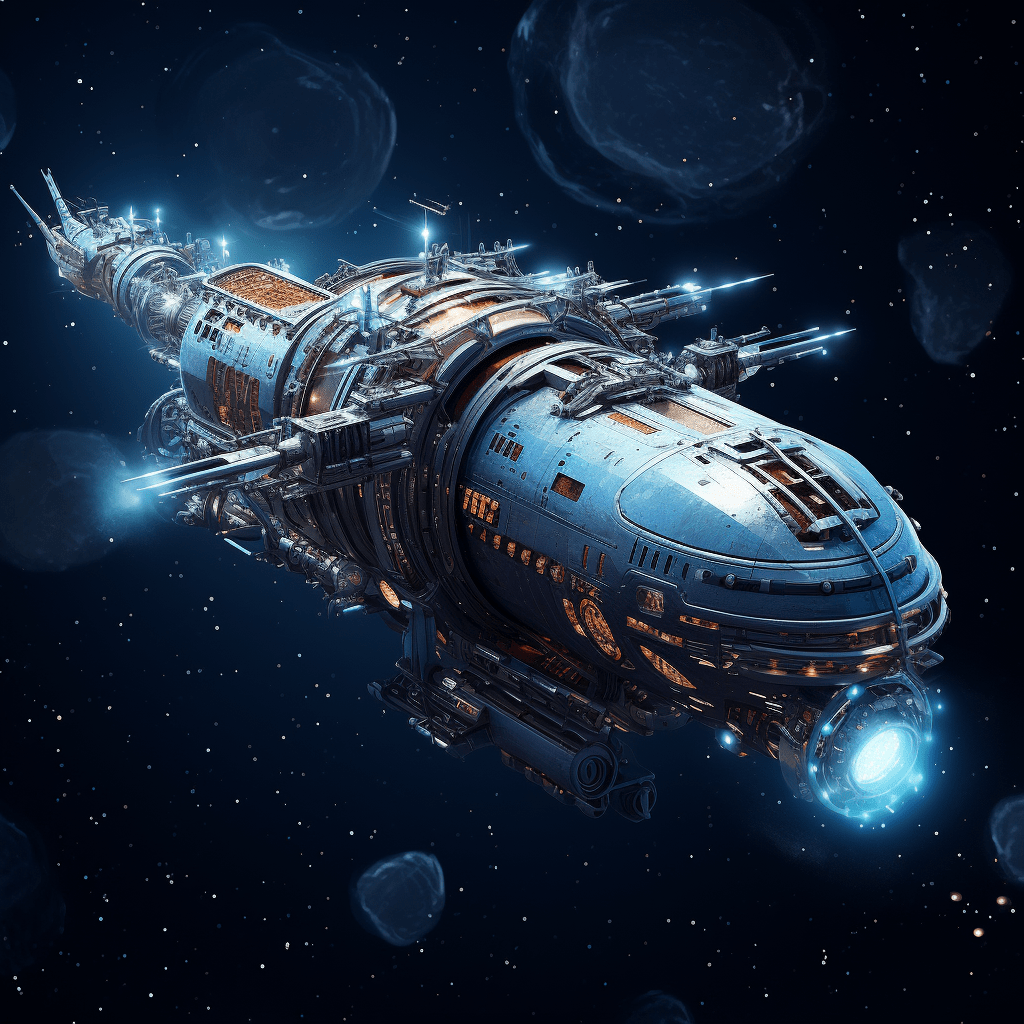
The quest for faster, more efficient space travel has captivated scientists for decades. Traditional methods, while effective for reaching nearby celestial bodies, present considerable challenges for long-distance space travel. A potential solution, though highly debated and considered to be on the fringe of physics, is the reactionless drive, also known as an inertia propulsion engine or reactionless thruster.
Though reactionless drives, by definition, seem to defy the laws of physics, specifically Newton’s third law of motion (“for every action, there’s an equal and opposite reaction”), there have been numerous proposals and experiments over the years aiming to prove their feasibility. Let’s dive into this controversial realm of physics, considering the potential of a technology that could revolutionize space travel.
The Concept of Reactionless Drive
A reactionless drive, in theory, would produce thrust without expelling propellant, which is a radical departure from conventional propulsion methods. Currently, spacecraft use the action-reaction principle, expelling propellant in one direction to move in the opposite direction. However, the notion of a reactionless drive challenges this established concept.
Historical Proposals and Experiments
Several proposals and experiments involving reactionless drives have stirred the scientific community. Dean Drive, EmDrive, and the Mach Effect Thruster are among the most notable.
Dean Drive
Developed by inventor Norman L. Dean in the 1950s, the Dean Drive aimed to convert rotary motion into linear motion. Though promising, no concrete evidence or a working model has been publicly demonstrated, making the technology’s validity a subject of debate.
EmDrive
The EmDrive, or Electromagnetic Drive, was proposed by British inventor Roger Shawyer in 2001. This device supposedly works by bouncing microwaves back and forth in a closed container to create thrust. However, the lack of expelled propellant seemingly contradicts Newton’s third law.
Despite numerous tests by various organizations, including NASA’s Eagleworks Laboratories, results have been inconclusive. Some tests suggested a small amount of unexplained thrust, while others did not, rendering the effectiveness of EmDrive controversial.
Mach Effect Thruster
The Mach Effect Thruster, proposed by physicist James F. Woodward, is based on Mach’s Principle, which relates to inertia and gravity. The device is believed to create thrust via fluctuations in the rest mass of a device due to electric field application. Like the EmDrive, experimental results have varied, leaving the feasibility of Mach Effect Thrusters open to question.
Anomalies and Scientific Challenges
The primary challenge for proponents of reactionless drive technology is Newton’s third law of motion. It has been a foundation of physics for centuries, and any technology purporting to violate it is met with understandable skepticism. However, proponents argue that these drives do not violate Newton’s law but instead work around it, exploiting loopholes in our understanding of physics.
While these drives have sparked numerous debates, a substantial scientific breakthrough is yet to be achieved, with many experiments yielding inconsistent and largely unreplicable results. Critics argue that observed thrust in some experiments might be due to overlooked sources of error, such as thermal effects or electromagnetic interference.
The Future of Reactionless Drive
Despite the challenges, the potential rewards for developing a working reactionless drive are enormous. They could lead to far faster space travel, eliminating the need for propellant, a significant limitation in today’s space missions. Proponents also argue that reactionless drives could have profound impacts on energy production and transportation.
However, until a consistent, scientifically rigorous demonstration of a reactionless drive is achieved, it will likely remain a fringe idea. For it to gain mainstream acceptance, such a demonstration would need to occur, followed by a comprehensive peer review process and successful independent replication of the results.
A Reactionless Drive – Breaking the Bounds of Imagination
While reactionless drives are considered impossible under our current understanding of physics, the pursuit of these devices is, in itself, a testament to human curiosity and our relentless pursuit to push the boundaries of knowledge.
Though we may be far from proving their viability or witnessing their deployment in space travel, the existence of these concepts and the ongoing research surrounding them continue to challenge our preconceptions and drive advancements in physics and space exploration. Perhaps the future might hold an entirely new understanding of propulsion, allowing us to venture farther into the cosmos than ever thought possible.
advanced propulsion methods, breakthrough in space exploration, controversies in physics, Dean Drive, EmDrive, faster space travel, inertia propulsion engine, James F. Woodward, Mach Effect Thruster, Mach’s Principle, NASA’s Eagleworks Laboratories, Newton’s third law, next-generation space travel, potential of reactionless drive, propellant-free propulsion, propulsion technology, reactionless drive, revolutionizing space travel, Roger Shawyer
Wonder about your world…

Take the plunge down the rabbit hole of insanity and wonder in this fast-paced, nonstop psychological thriller that will leave you questioning the very nature of reality and beyond. Part thriller, part romance, part existential horror, A Dream of Waking Life delves into lucid dreaming, psychedelics, existential ontology, video games, the nature of love, the nature of reality, and more.

Mendel’s Ladder delivers an adrenaline-fueled journey set on a dystopian future Earth, brimming with high-stakes action, adventure, and mystery. This epic series opener plunges readers into a world filled with diverse cultures, heart-pounding battles, and characters who will captivate your heart and imagination.

“E.S. Fein is raising the bar for quality as it’s a very well-written and thought-provoking book…There are points and themes in the story that could be discussed for eons as people will have their own idea on where it leads. It’s a book I would highly recommend.” – Andy Whitaker, SFCrowsnest

 Wondergressive