
-
Protecting Biodiversity: Top Endangered Plant Species to Cultivate in the Southern U.S and Where to Source Them

The Southern United States, rich in biodiversity, is currently facing the plight of numerous native plant species that are under the threat of extinction. With habitats increasingly destroyed due to human activity and climate change, the need for conservation becomes more urgent. Here, we explore ten endangered plant species you can cultivate in your backyard to contribute to conservation efforts. We’ll also share how and where to obtain these plants legally and responsibly.
1. Florida Torreya (Torreya taxifolia)
Once abundant in the wild, the Florida Torreya is now one of America’s most endangered plants. This coniferous tree, native to the Florida Panhandle, has been severely affected by fungal diseases. It can be planted in the cooler, shady areas of your garden.
Where to get them: The Atlanta Botanical Garden has a significant role in the propagation and distribution of this species for conservation purposes.
2. Alabama Leather Flower (Clematis socialis)
This endangered perennial vine boasts beautiful, bell-shaped purple flowers. It thrives in sunny locations with well-drained soil.
Where to get them: Purchase from specialty nurseries like the Nearly Native Nursery in Georgia, which prioritize native and endangered species.
3. American Chaffseed (Schwalbea americana)
A perennial herb with beautiful yellow flowers, the American Chaffseed requires a sunny environment with moist, sandy soil.
Where to get them: Native plant societies, such as the North Carolina Native Plant Society, often hold sales and swaps featuring endangered plants like the American Chaffseed.
4. Virginia Round-Leaf Birch (Betula uber)
A small tree with uniquely round leaves, the Virginia Round-Leaf Birch is suited to well-drained soils and can tolerate partial shade.
Where to get them: Specialty nurseries such as the Nature by Design in Alexandria, Virginia, stock native and endangered species.
5. Harper’s Beauty (Harperocallis flava)
This unique, beautiful perennial plant prefers a wet, sunny environment. It has narrow, grass-like leaves and boasts a stunning, yellow six-petaled flower.
Where to get them: The Center for Plant Conservation’s network of participating institutions, like Bok Tower Gardens in Florida, provide rare and endangered plants.
6. Green Pitcher Plant (Sarracenia oreophila)
This carnivorous plant with an intriguing pitcher-shaped leaf adapted to trap insects, requires a sunny environment with moist, acidic soil.
Where to get them: Carnivorous plant nurseries, such as the California Carnivores, carry this and other endangered carnivorous species.
7. Relict Trillium (Trillium reliquum)
An early spring bloomer, this woodland plant prefers shady locations with moist, well-drained soils.
Where to get them: Nurseries like Niche Gardens in North Carolina sell native trillium species, including the endangered Relict Trillium.
8. Texas Wild Rice (Zizania texana)
Found only in the San Marcos River, Texas Wild Rice is an aquatic plant that thrives in clear, flowing freshwater.
Where to get them: Contact the Lady Bird Johnson Wildflower Center in Texas, which focuses on conserving and selling native plants.
9. Rough-Stemmed Goldenrod (Solidago rupestris)
This perennial herb prefers rocky, well-drained soils and full sun exposure.
Where to get them: Purchase from the New England Wildflower Society, which focuses on the conservation of native plants.
10. Florida Ziziphus (Ziziphus celata)
A spiny, deciduous shrub with small, inconspicuous flowers, Florida Ziziphus is ideal for dry, sunny areas in your garden.
Where to get them: The Bok Tower Gardens, part of the Center for Plant Conservation, is a good source for this plant.
These plants not only enhance your garden’s aesthetic but also contribute significantly to conservation efforts. Remember, always source endangered plants responsibly from nurseries and organizations that follow legal and ethical practices. With your efforts, we can help these endangered species thrive again in their native habitats.
-
Fostering Biodiversity: Top Endangered Plants to Cultivate in the Northeast U.S and Where to Obtain Them

With the increasing threat of climate change and habitat destruction, many plant species are at risk of extinction. The Northeast U.S, known for its diverse habitats ranging from coastal areas to mountainous regions, is home to numerous endangered plants. Cultivating these plants can help in their preservation and also add a touch of the unique and exotic to your garden. This article introduces you to some of these species and where you can responsibly source them.
Understanding Endangered Plants
Endangered plants are those that are at risk of extinction in the near future. The primary threats are habitat loss due to urban development, climate change, and invasive species. By growing endangered plants, we contribute to biodiversity, promote a balanced ecosystem, and help in conserving our natural heritage.
Top Endangered Plants for Your Garden
1. Dwarf Sumac (Rhus michauxii)
The Dwarf Sumac is a small, deciduous shrub with lovely, pinnately compound leaves that turn a beautiful orange-red in the fall. The plant is currently threatened due to habitat loss. They prefer well-drained, sandy soil and full sun exposure.
2. Sandplain Gerardia (Agalinis acuta)
The Sandplain Gerardia is an annual herb with beautiful pink flowers that bloom in late summer and fall. Its population has decreased due to urban development and changes in its habitat due to fire suppression. It requires full sun and sandy, well-drained soil.
3. Jesup’s Milk-vetch (Astragalus robbinsii var. jesupii)
Jesup’s Milk-vetch is a perennial herb with small, white flowers. This plant is endemic to the shores of Lake Champlain and is threatened due to shoreline development and recreational activities. It requires gravelly, calcareous soil and full sun.
4. Northeastern Bulrush (Scirpus ancistrochaetus)
The Northeastern Bulrush is a perennial grass that prefers wetlands. It is threatened by changes in its wetland habitat. It needs full sun to part shade and can grow in water up to a foot deep.
5. Small Whorled Pogonia (Isotria medeoloides)
The Small Whorled Pogonia is a perennial orchid with a single, white flower that blooms in late spring. This orchid is threatened due to habitat loss and over-collection. It prefers acidic soil in shady areas.
Where to Obtain These Plants
Sourcing endangered plants must be done responsibly to avoid depleting natural populations further. Here are some sources:
- Native Plant Nurseries: Several nurseries specialize in growing native and endangered plants. They propagate these plants responsibly without harming wild populations. Examples include Project Native in Massachusetts and New England Wetland Plants in Massachusetts.
- Plant Rescue Programs: Some organizations, like the New England Wild Flower Society, have plant rescue programs where they rescue plants from construction sites.
- Seed Exchange Programs: Many botanical gardens and plant societies, like the American Horticultural Society, have seed exchange programs where you can obtain seeds of rare and endangered plants.
- Local Botanic Gardens and Arboreta: These institutions often have sales of native and rare plants. For example, the New York Botanical Garden and the Brooklyn Botanic Garden have annual plant sales.
Conclusion: Your Role in Conservation
Planting endangered species in your garden is a small but significant step towards biodiversity conservation. You not only contribute to preserving our natural heritage, but you also get to enjoy and appreciate these rare species right in your backyard. Always remember to source your plants responsibly and nurture them with care.
arboreta, biodiversity conservation, botanic gardens, Dwarf Sumac, Endangered plants, habitat conservation, Jesup’s Milk-vetch, native plant nurseries, Northeast U.S, Northeastern Bulrush, plant rescue programs, responsibly sourced plants, Sandplain Gerardia, seed exchange programs, Small Whorled Pogonia -
Navigating a Microplastic World: 10 Best Ways to Minimize Microplastic Exposure

Microplastics are tiny particles of plastic, less than 5mm in diameter, that have become a ubiquitous environmental pollutant. As microplastics infiltrate our air, water, and food, concerns are growing about their potential impact on human health. In this article, we delve into the ten best ways to reduce your exposure to these pervasive particles.
Understanding Microplastics
Microplastics come from various sources such as cosmetic products, synthetic textiles, and the breakdown of larger plastic items. They can infiltrate our bodies through the food we eat, the water we drink, and the air we breathe. Although research is still ongoing, there are concerns that microplastics may pose a risk to human health, primarily when they accumulate over time.
10 Ways to Reduce Microplastic Exposure
1. Reduce Plastic Usage
The simplest way to reduce microplastic exposure is to reduce your plastic use. Opt for glass, ceramic, or stainless steel containers instead of plastic ones. Choose cloth shopping bags over plastic bags, and avoid single-use plastic items whenever possible.
2. Reconsider Your Wardrobe
A significant portion of microplastic pollution comes from washing synthetic clothing, such as polyester and acrylic. To reduce this, opt for natural fabrics like cotton, silk, or wool. Additionally, consider washing synthetic garments less frequently and using a washing bag designed to catch microfibers.
3. Be Aware of Cosmetic Ingredients
Many cosmetics and personal care products contain microplastics, often listed as “microbeads” or under names like polyethylene or polypropylene. Choose products free from these ingredients, and opt for natural alternatives whenever possible.
4. Filter Your Water
Microplastics can be present in tap water and bottled water. Using a high-quality water filter can help reduce your exposure. Check the specifications of the filter to ensure it is designed to remove microplastics.
5. Eat Fresh
Microplastics have been found in various food items, particularly seafood, as marine creatures ingest these particles. By eating fresh, unpackaged food, you can reduce your intake. Prioritize fruits, vegetables, and grains that don’t come in plastic packaging.
6. Limit Seafood Consumption
Seafood, particularly shellfish, has been shown to contain high levels of microplastics. Reducing your seafood consumption, especially of species known to contain high microplastic levels, can help reduce your intake.
7. Avoid Heating Plastic
When heated, plastic is more likely to release particles. Therefore, avoid using plastic containers for hot food and drinks and do not heat food in plastic containers in the microwave.
8. Use a High-Quality Air Purifier
Airborne microplastics can come from the breakdown of larger plastic items and from clothes. Using a high-quality air purifier can help remove these particles from your indoor environment.
9. Clean Responsibly
When cleaning your home, use a damp cloth to reduce the spread of dust, which can contain microplastics. Opt for a vacuum cleaner with a high-efficiency particulate air (HEPA) filter, which is designed to trap microplastics.
10. Support Policies to Reduce Plastic
Supporting environmental policies aimed at reducing plastic production and pollution can help combat the broader issue of microplastic pollution.
Conclusion: A Plastic-Free Future is Possible
Microplastics are a pervasive and persistent pollutant, but by adopting conscious practices, we can significantly reduce our exposure. Prioritizing natural materials, making mindful dietary choices, and implementing filtration systems are all effective strategies.
The challenge of microplastics is an urgent reminder of our intimate connection with our environment. By taking steps to reduce our exposure, we are also contributing to the larger fight against plastic pollution. In the end, every effort counts toward ensuring a healthier, plastic-free world.
-
Planting for the Future: Top Endangered Species to Plant in the Midwest and Where to Get Them

Preserving biodiversity is not an isolated issue. It concerns us all. One of the best ways to do this is by creating natural habitats in our backyards and communities. In this article, we delve into the most endangered plants in the Midwest and where to source them.
Prairie Fringed Orchid
Once a common sight in the Midwest, the Eastern Prairie Fringed Orchid (Platanthera leucophaea) is now federally listed as a threatened species. This stunning white orchid relies on specific pollinators, which are also in decline due to habitat destruction. You can source these orchids from the ‘Prairie Moon Nursery,’ which offers a variety of native plants.
Eastern Hemlock
Eastern Hemlock (Tsuga canadensis), an evergreen tree native to the Midwest, is severely threatened by an invasive pest, the Hemlock Woolly Adelgid. ‘Cold Stream Farm’ in Michigan offers young Eastern Hemlock trees ready for planting.
Pitcher’s Thistle
The Pitcher’s Thistle (Cirsium pitcheri) is a dune-dwelling plant, now endangered due to habitat loss and recreational activity in its dune habitats. This species is available from the ‘Wildflower Farm’ in Ontario, Canada, that ships across North America.
American Ginseng
American Ginseng (Panax quinquefolius), once abundant in the Midwest’s hardwood forests, is now threatened due to overharvesting for its medicinal root. ‘Companion Plants’ based in Ohio, sells nursery-propagated American Ginseng plants.
Mead’s Milkweed
Mead’s Milkweed (Asclepias meadii) is a long-lived perennial that’s been in decline due to habitat destruction and invasive species. The ‘Missouri Wildflowers Nursery’ offers this rare plant for gardeners in the Midwest.
Lakeside Daisy
Lakeside Daisy (Tetraneuris herbacea) is an endangered plant with stunning yellow flowers. Its existence is threatened by limestone quarrying and invasive plant species. It can be sourced from ‘Ion Exchange’, a native seed and plant nursery in Iowa.
Running Buffalo Clover
Running Buffalo Clover (Trifolium stoloniferum) once covered Midwest prairies but is now considered endangered due to habitat loss. ‘Prairie Nursery’ in Wisconsin is a good source for this clover variety.
Wild Blue Lupine
Wild Blue Lupine (Lupinus perennis) is essential for the survival of the endangered Karner Blue butterfly, which lays its eggs exclusively on this plant. This plant can be found at the ‘Ohio Prairie Nursery’.
Conclusion: Protecting Our Natural Heritage
These endangered plants play vital roles in their respective ecosystems. By incorporating them into our gardens and landscapes, we can contribute significantly to their survival. Before buying and planting any endangered species, it’s essential to ensure they come from reputable, ethical nurseries that propagate their plants responsibly.
Remember, it is illegal and harmful to remove these plants from their natural habitats. Therefore, always choose nursery-propagated plants. It’s also crucial to research the specific growing conditions each plant requires to ensure their survival and growth.
Through the combined effort of conservation-minded individuals and communities, we can help restore the natural splendor of the Midwest’s biodiversity. And in doing so, we ensure a healthier planet for future generations.
-
The Green Lifeline: Best Plants to Support Endangered Species in the Midwest USA
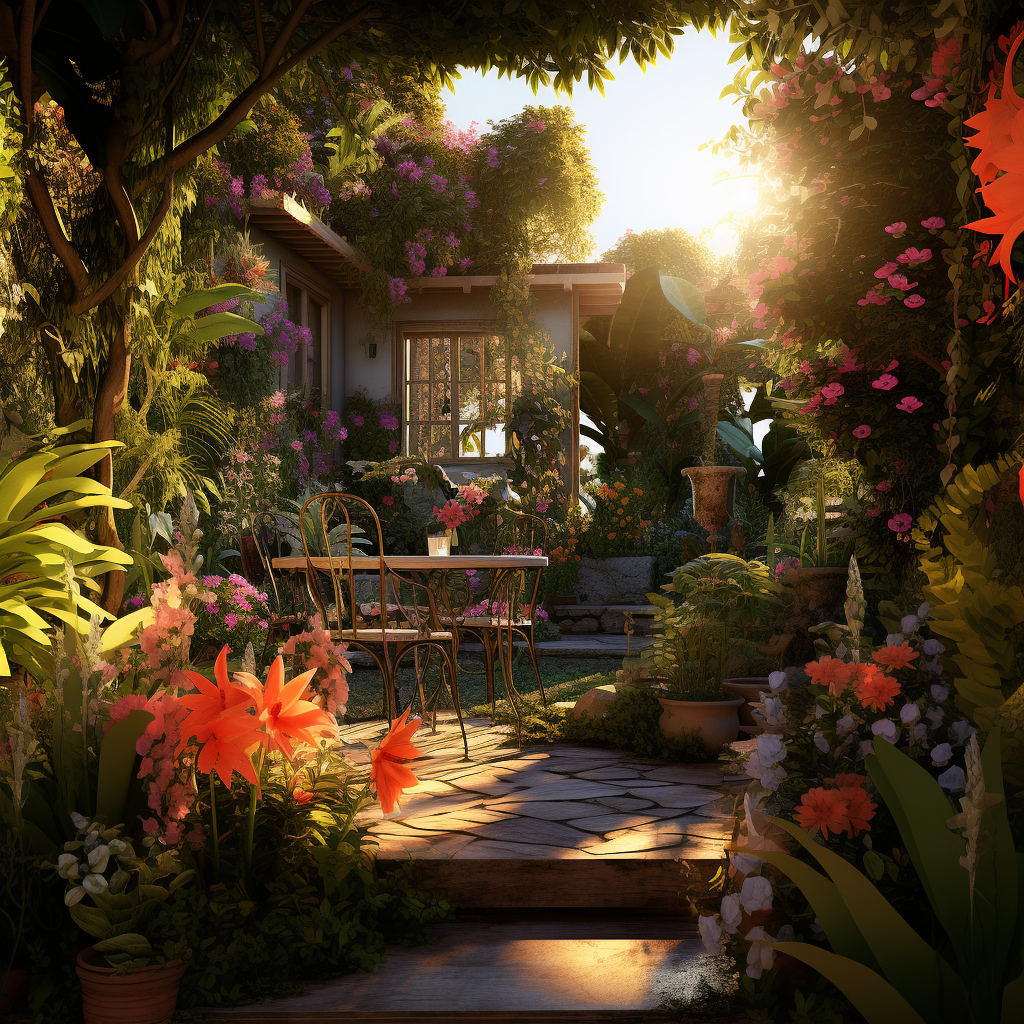
The beauty of the Midwest USA’s natural ecosystem is undeniable, and the abundant diversity of species calls this region home. However, this ecological treasure is under threat as numerous species become endangered due to habitat loss and climate change. But hope is not lost. Planting specific flora can help support these endangered species and promote their recovery.
Native Prairie Grasses: A Bedrock of Ecosystem
Prairie grasses, such as Big Bluestem (Andropogon gerardi) and Switchgrass (Panicum virgatum), form the backbone of the Midwest ecosystem. These grasses provide essential habitat for many endangered species like the Henslow’s Sparrow and the Poweshiek Skipperling butterfly. They also help improve soil quality, prevent erosion, and contribute to carbon sequestration.
Milkweeds: A Beacon for Monarchs
Monarch butterflies, facing a severe population decline, rely heavily on milkweed species for survival. The monarch caterpillars feed exclusively on milkweed leaves, making them vital for their lifecycle. Planting Common Milkweed (Asclepias syriaca) and Butterfly Weed (Asclepias tuberosa) in your garden can offer a lifeline to these magnificent creatures.
Oak Trees: Sanctuary for Endangered Birds
Oak trees like White Oak (Quercus alba) and Bur Oak (Quercus macrocarpa) are critical habitat providers for many endangered bird species, including the Red-headed Woodpecker. These trees also support hundreds of species of insects, which form a crucial part of the food web.
Wild Berries: Feeding the Small Mammals
Native berry-producing shrubs, such as Red Mulberry (Morus rubra) and Wild Plum (Prunus americana), provide essential food sources for endangered mammals like the Indiana Bat and the Northern Long-Eared Bat. These shrubs also offer shelter and nesting sites for various birds and insects.
Native Flowering Plants: The Pollinators’ Paradise
Flowering plants like Purple Coneflower (Echinacea purpurea) and Wild Bergamot (Monarda fistulosa) offer crucial nectar sources for endangered pollinators, including the Rusty Patched Bumblebee. The vivid colors and rich scents of these flowers create a paradise for these insects and can bring a burst of life to your backyard.
Wetland Plants: Sustaining Amphibians
Amphibians such as the Eastern Massasauga and the Illinois Chorus Frog rely on healthy wetland habitats. Planting wetland species like Common Cattail (Typha latifolia) and Softstem Bulrush (Schoenoplectus tabernaemontani) can create the aquatic and semi-aquatic environments these species need to thrive.
Conclusion: Your Garden, A Refuge
Creating a wildlife-friendly garden is more than just a horticultural project; it’s an act of conservation. By integrating these native plants into our landscapes, we are not just enhancing the beauty of our surroundings. We are contributing to the recovery of endangered species, supporting biodiversity, and helping to preserve the unique natural heritage of the Midwest.
We have a role in the fight against species extinction, and it starts in our backyard. So next time you decide to plant, think about the wildlife that your garden can support. The survival of many species may depend on our choices today.
As Aldo Leopold, the influential American conservationist and writer, put it: “Acts of creation are ordinarily reserved for gods and poets, but humbler folk may circumvent this restriction if they know how. To plant a pine, for example, one need be neither god nor poet; one need only own a good shovel.”
In the same spirit, to plant a garden for endangered species, one need only have the willingness to give nature a helping hand.
Best plants for Midwest USA, biodiversity in the Midwest, conservation gardening, creating a wildlife-friendly garden, ecological gardening, environmental stewardship in gardening, gardening for biodiversity, gardening for wildlife, habitat gardening, habitat restoration, milkweed for Monarchs, native flowering plants, native prairie grasses, oak trees for birds, plant species for conservation, pollinator-friendly plants, supporting endangered species, wetland plants for amphibians, wild berries for small mammals, wildlife habitat enhancement -
Top Ten Cannabis Strains to Trigger the Munchies

The interplay between cannabis and appetite is an interesting one, with many studies showing that certain strains of cannabis can indeed trigger what is colloquially known as the “munchies”. If you’re seeking a strain to boost your appetite, look no further. Here are the top ten strains renowned for causing this pleasant side effect.
1. Girl Scout Cookies
Originating from California, Girl Scout Cookies (GSC) is an Indica-dominant hybrid famous for its potent full-body relaxation effect. Users typically report an intense euphoria and severe case of the munchies. GSC is also acclaimed for its sweet and earthy flavor, akin to its namesake cookies.
2. Blue Dream
Blue Dream, a Sativa-dominant strain, is not just a popular choice due to its sweet berry aroma and balanced, full-body relaxation. Many users report a significant increase in appetite after consumption. This strain allows consumers to remain functional and engaged while enjoying the “munchies” effect.
3. OG Kush
A classic strain, OG Kush, provides a strong euphoric high, often followed by a serious hunger boost. Known for its unique blend of earthy pine and sour lemon scent with woody undertones, this strain is perfect for those seeking a hearty appetite.
4. Royal Cookies
Royal Cookies is a powerful Indica-dominant strain that hits with a mighty relaxation effect. This strain not only soothes your body into tranquility but also significantly stimulates your appetite. Its flavors of sweet and earthy tones accompany the hunger-inducing effects perfectly.
5. Pineapple Kush
Pineapple Kush is a hybrid strain known for its subtle pineapple taste with mint undertones. This strain typically brings about feelings of euphoria and happiness, followed by an intense desire to raid the refrigerator.
6. Sour Diesel
As a fast-acting strain, Sour Diesel is a favorite among cannabis users. It elicits dreamy cerebral effects and mild physical relaxation, often leading to increased appetite. It’s named for its pungent diesel-like aroma that’s underlined by hints of citrus.
7. Cheese
Known for its distinct creamy cheese aroma, Cheese is an Indica-dominant strain that delivers a relaxed and euphoric high. Its ability to induce the munchies has made it popular among those who struggle with a lack of appetite.
8. Purple Kush
Purple Kush, a pure Indica strain, provides a long-lasting, relaxing high. Its complex grape and wine-like aroma is a treat for the senses, and it’s also known to induce a strong case of the munchies, perfect for a big meal or a snack-filled movie night.
9. AK-47
Despite its intense name, AK-47 is a mellow and relaxing strain. It offers a steady and long-lasting cerebral buzz that keeps you mentally alert and engaged in creative or social activities, and it’s known to trigger a robust appetite.
10. Mango Kush
The Mango Kush strain is well-loved due to its tropical fruity flavor and the relaxing effects it delivers. It’s an Indica-dominant strain known for causing fits of giggles and a ravenous appetite, ideal for a dinner party with friends.
Conclusion
The fascinating connection between cannabis and appetite continues to intrigue and benefit users and researchers alike. These ten cannabis strains, recognized for their ability to stimulate the “munchies”, offer diverse experiences and flavor profiles to suit the most discerning cannabis enthusiast. Always remember to consume responsibly and savor every bite of your culinary adventure.
AK-47 strain, best cannabis strains for munchies, best strains for the munchies, Blue Dream strain, cannabis for a snack-filled movie night, cannabis for appetite, cannabis for food lovers, cannabis strains for culinary adventure, cannabis strains for dinner party, cannabis strains with sweet flavor, cannabis strains with unique flavors, Cheese strain for appetite, Girl Scout Cookies strain, Mango Kush strain, OG Kush effects, Pineapple Kush for appetite, Purple Kush strain, Royal Cookies cannabis strain, Sour Diesel cannabis, strains for hunger -
Enchanting Crows: The Best Plants to Transform Your Yard into a Haven for Crows
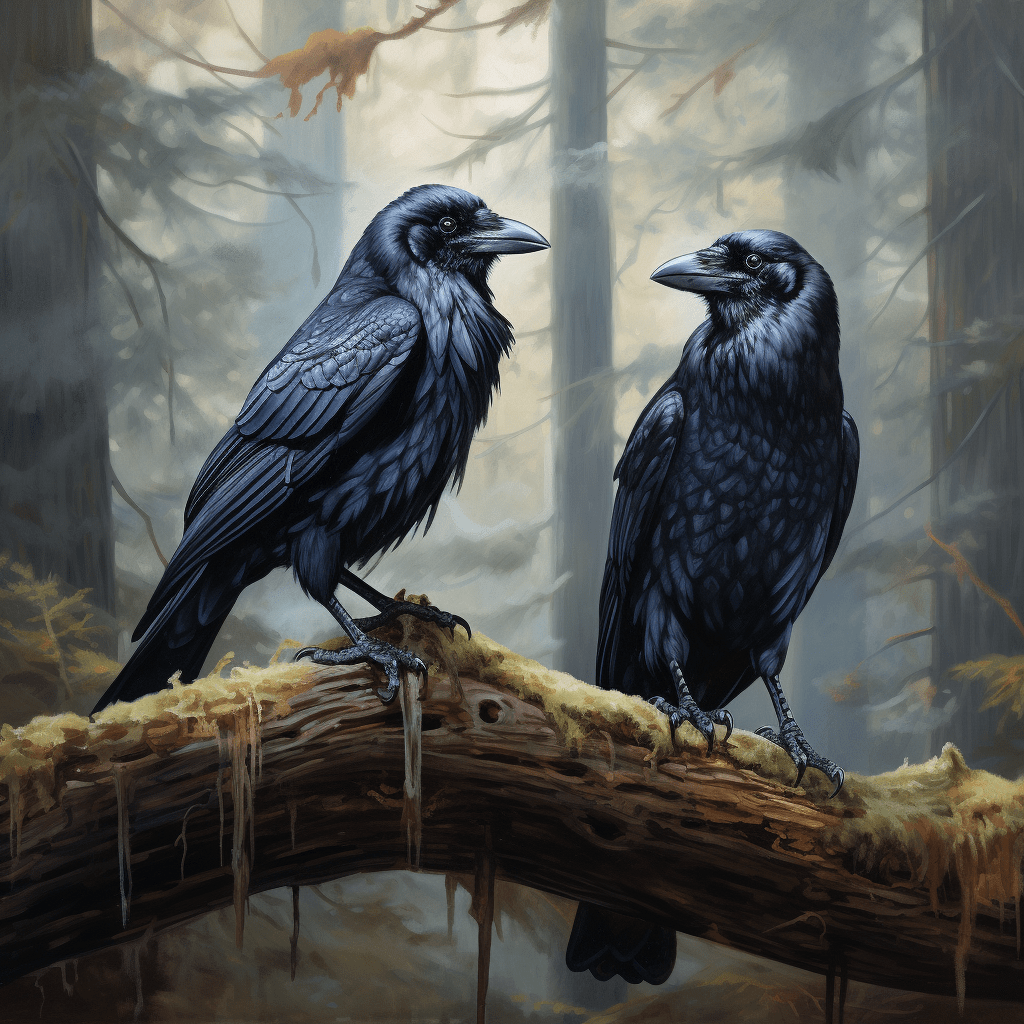
Crows, with their striking jet-black plumage and sharp, intelligent eyes, are among nature’s most fascinating birds. Not only are they considered symbols of mystery and transformation in various cultures, but they’re also incredibly intelligent. These creatures have an uncanny ability to remember faces and solve complex problems. Moreover, their presence can benefit your yard’s ecosystem, as they feed on pests that might harm your plants. So how can we make our yards more inviting to crows? Here are some of the best plants you can incorporate into your landscape design to attract these magnificent birds.
Sunflowers
Sunflowers are not only beautiful, they also produce a bounty of seeds that crows love. These large, sunny plants provide food and shelter for crows and other birds. Furthermore, sunflowers are easy to grow and are an excellent way to add height and color to your garden.
Oak Trees
Oak trees produce acorns, a favorite food for crows. Additionally, these trees provide a high perch for crows, allowing them to survey their surroundings for potential threats. It’s important to note that oaks grow slowly and can become quite large, so make sure you have ample space in your yard.
Corn
Although corn may not be the most common choice for backyard gardens, it’s definitely a winner when it comes to attracting crows. Crows love corn and will be attracted to gardens that include corn plants. Planting a small patch of corn could be a surefire way to attract these intelligent birds.
Mulberry Trees
These trees are a magnet for many bird species, including crows, thanks to their abundant, sweet fruit. Mulberries ripen over an extended period, providing a consistent food source for visiting birds.
Berry Bushes
Crows enjoy a variety of berries, and planting berry bushes like blueberries, raspberries, or blackberries can be an excellent way to attract them. These bushes also have the added benefit of providing delicious, fresh fruit for you to enjoy.
Native Plants
Research local plants in your area that produce fruits, nuts, and seeds. Native plants are well-suited to your local climate and soil conditions, making them easier to grow. They also have a higher chance of attracting local bird species, including crows.
Tall Trees and Evergreens
Crows favor tall trees for nesting and roosting. Having a few tall trees in your landscape will provide them a safe place to rest and nest. Evergreen trees, in particular, are a preferred nesting site for crows as they provide cover throughout the year.
Other Considerations
While plants can significantly influence your yard’s attractiveness to crows, other elements can be considered. Crows are omnivores, so incorporating a bird feeder filled with peanuts, cracked corn, or other bird-safe food can be an excellent crow attractor. Providing a clean water source, like a bird bath or a small pond, can also encourage crows to visit.
Crows also prefer environments that are safe from predators. If you have pets, especially cats, it might be challenging to attract crows to your garden. Crows are intelligent and remember areas where they have been threatened or harmed.
Conclusion
Creating a crow-friendly yard is a rewarding experience that allows you to enjoy the company of these intelligent birds while contributing positively to your local ecosystem. By incorporating their favorite plants and providing for their basic needs, you can transform your yard into a haven for crows. Just remember, attracting crows is a process that requires patience and respect for the birds’ intelligence and wild nature. With the right approach, you’ll be able to enjoy the sights and sounds of crows in your garden for
attracting crows to yard, attracting intelligent birds, berry bushes for birds, best plants for crows, bird baths for crows, bird feeders for crows, creating crow safe environment, crow-friendly garden, crow-friendly plants, crows and corn plants, evergreen trees for birds, gardening for birds, how to attract crows, how to create a crow haven, making your yard crow-friendly, mulberry trees for crows, native plants for crows, oak trees and crows, sunflowers and crows, tall trees for crows -
Celebrating Summer the Cottagecore Way: Top 10 Activities

The Cottagecore aesthetic has become a popular way for people to connect with nature, slow down from the hectic pace of modern life, and engage in wholesome, comforting activities. With its emphasis on rural life, sustainability, and self-sufficiency, Cottagecore is a perfect match for summer, a season full of life and energy. Here are the top 10 Cottagecore ways to celebrate summer.
1. Grow Your Own Produce
Nothing says Cottagecore like growing your own food. This summer, start a vegetable garden in your backyard. Not only will it provide you with fresh, organic produce, but tending to a garden is also a relaxing and rewarding activity. From tomatoes and bell peppers to zucchini and cucumbers, the options are endless.
2. Foraging for Wild Berries
Summer is the perfect time for berry picking. Look for wild blackberries, strawberries, and blueberries growing in local parks or woodland areas. Remember to research and ensure you can accurately identify safe, edible berries.
3. Picnics in the Meadow
Prepare a picnic basket with homemade sandwiches, a fresh salad from your garden, a thermos of iced tea, and maybe a lemon pie for dessert. Find a meadow filled with wildflowers and enjoy your meal surrounded by nature.
4. Nature Crafts
Utilize nature’s bounty to create beautiful crafts. Press flowers, paint rocks, or make a wreath out of vines and wildflowers. These activities not only foster creativity but also promote a deep appreciation for nature.
5. Homemade Lemonade Stands
A classic summer activity, setting up a homemade lemonade stand can be both fun and profitable. Use lemons from your garden or local market, and don’t forget to decorate your stand with wildflowers.
6. Stargazing
Lay a blanket in your backyard and watch the stars. Summer nights offer the best conditions for stargazing. It’s a simple yet magical way to appreciate the beauty of the universe.
7. Visit Farmers Markets
Take advantage of your local farmers market. You’ll be able to support local growers while enjoying fresh, seasonal products that you can use in your home-cooked meals.
8. Outdoor Movie Nights
Create your own outdoor cinema by projecting a movie onto a white sheet hung from a clothesline. Invite friends or family, make popcorn, and enjoy a cozy movie night under the stars.
9. Baking with Seasonal Fruit
Summer provides an abundance of fresh fruit. Use strawberries, peaches, or blackberries to bake delicious pies, tarts, or jams. Baking from scratch aligns with the Cottagecore emphasis on homemade and comforting goods.
10. Keep a Nature Journal
Take time each day to record your observations of nature. Sketch flowers, write about the birds you see, note the changes in the weather. This can heighten your awareness and appreciation of the natural world around you.
Conclusion
Embracing a Cottagecore summer is about simplicity, sustainability, and savoring the small moments. From cultivating a garden to stargazing on clear nights, these activities foster a deep connection with nature and an appreciation for life’s simple pleasures. Enjoy your summer Cottagecore style, engaging in activities that ground you, provide relaxation, and create lasting memories.
baking with seasonal fruit, connecting with nature in summer, Cottagecore aesthetic for summer, Cottagecore celebration, Cottagecore lifestyle, Cottagecore summer activities, embracing simplicity in summer, enjoying rural life, foraging for wild berries, homemade lemonade stands, how to celebrate summer the Cottagecore way, keeping a nature journal, nature crafts, outdoor movie nights, stargazing in summer, summer gardening, summer picnics, sustainability during summer, top 10 Cottagecore activities, visiting farmers markets -
Top 10 Masterwork Sci-Fi Novels That Shaped the Genre

Science Fiction has long been a medium for authors to explore what it means to be human, set against fantastic and often dystopian backdrops of space exploration, artificial intelligence, time travel, and more. Here, we delve into ten of the most impactful masterwork sci-fi novels that have shaped and redefined the genre.
1. “Dune” by Frank Herbert
Frank Herbert’s “Dune” is more than just a novel – it’s a universe. Set on the desert planet of Arrakis, “Dune” explores complex themes of power, religion, ecology, and human evolution. Its deep world-building, epic scope, and exploration of human potential make it an enduring classic.
2. “1984” by George Orwell
George Orwell’s “1984” is a chilling prophecy about a dystopian future under an authoritarian regime. This tale of surveillance, doublethink, and perpetual war has become a cautionary metaphor in modern culture, highlighting the dangerous potentials of totalitarianism and technology misuse.
3. “Neuromancer” by William Gibson
“Neuromancer”, the novel that coined the term ‘cyberspace’, is a cornerstone of cyberpunk literature. William Gibson paints a futuristic world of hackers, artificial intelligence, and multinational corporations, examining how these elements could intertwine and affect societal structure.
4. “The Left Hand of Darkness” by Ursula K. Le Guin
Ursula K. Le Guin’s “The Left Hand of Darkness” breaks boundaries in its exploration of gender and sexuality. Set on a planet whose inhabitants have no fixed gender, Le Guin uses this premise to examine societal norms and human relationships in a unique light.
5. “Foundation” by Isaac Asimov
Isaac Asimov’s “Foundation” series is a masterwork of grand ideas and intricate plotting. Drawing inspiration from the fall of the Roman Empire, Asimov weaves a tale of a galactic empire’s decline and the efforts of a group of scientists to preserve knowledge for the future.
6. “Snow Crash” by Neal Stephenson
Neal Stephenson’s “Snow Crash” is a whirlwind blend of cyberpunk culture, Sumerian myth, and a satirical take on America’s corporate and consumerist culture. Its hyperactive and dense narrative has made it a landmark in post-cyberpunk literature.
7. “The Stars My Destination” by Alfred Bester
Alfred Bester’s “The Stars My Destination” is a quintessential space opera, centered around Gully Foyle, a man obsessed with revenge. Its exploration of teleportation, societal class division, and personal transformation creates a thrilling and thought-provoking narrative.
8. “The War of the Worlds” by H.G. Wells
H.G. Wells’ “The War of the Worlds” is an enduring classic that set the stage for alien invasion narratives. Its themes of British imperialism, human survival, and the fragility of civilization have left an indelible mark on the genre.
9. “A Canticle for Leibowitz” by Walter M. Miller Jr.
Walter M. Miller Jr.’s “A Canticle for Leibowitz” is a post-apocalyptic novel that traces humanity’s rise and fall through the lens of a Catholic monastery. It provides a compelling commentary on the cyclical nature of history, the relationship between church and state, and the enduring struggle between faith and reason.
10. “Hyperion” by Dan Simmons
Dan Simmons’ “Hyperion” is a science fiction epic that weaves together seven pilgrims’ tales in a narrative structure reminiscent of Chaucer’s “The Canterbury Tales.” The novel’s blend of space opera, time travel, and philosophical introspection makes it an unforgettable journey.
Conclusion
These ten masterwork sci-fi novels have transcended time and continue to resonate with readers today. They have fearlessly pushed the boundaries of the genre, weaving narratives that explore societal issues, human nature, and our place in the cosmos. Each novel stands as a testament to the power of science fiction as a vehicle for examining our world and speculating about future possibilities.
1984 George Orwell, A Canticle for Leibowitz Walter Miller Jr., best science fiction books, classic science fiction literature, Dune Frank Herbert, essential sci-fi reading, Foundation Isaac Asimov, Hyperion Dan Simmons, important sci-fi novels, influential science fiction books, landmark science fiction books, masterwork sci-fi novels, must-read science fiction, Neuromancer William Gibson, sci-fi novels that shaped the genre, Snow Crash Neal Stephenson, The Left Hand of Darkness Ursula Le Guin, The Stars My Destination Alfred Bester, The War of the Worlds HG Wells, top sci-fi books -
The Garden of Forking Paths: A Labyrinth of Time and Narrative

“The Garden of Forking Paths” is a short story by Argentine writer Jorge Luis Borges, first published in 1941 as part of his collection “Ficciones”. This metafictional narrative, loaded with philosophical and literary complexity, navigates through a maze of time, multiple realities, and the intricate relationship between authorship and narrative.
The Story
The story, set during World War I, revolves around the protagonist, Yu Tsun, a Chinese spy working for Germany. The narrative unfolds as Yu Tsun tries to convey crucial information to his German overlords, pursued relentlessly by an Englishman, Captain Richard Madden. Yu Tsun’s only hope to communicate the information lies in an unconventional strategy: to murder a person whose name is identical to the information, thus ensuring its publication in the newspapers.
This simple plot, however, is an entry point into a convoluted tale of infinite possibilities and realities, symbolized through the ‘garden of forking paths’.
The Labyrinth of Time
The labyrinth is a recurring motif in Borges’s works, and in “The Garden of Forking Paths”, it manifests as a metaphor for time. Ts’ui Pên, Yu Tsun’s ancestor, leaves an unfinished novel and an ‘invisible labyrinth.’ Yu Tsun interprets this labyrinth as the novel itself.
In Borges’s hands, the ‘garden’ becomes a symbol for a nonlinear, or ‘forking’ concept of time. Instead of a single path, the past and future diverge and converge, leading to an infinite web of possibilities.
Quantum Interpretations
In the context of modern physics, Borges’s narrative becomes strikingly relevant. His forking paths bear resemblance to the quantum theory concept of a multiverse, where all possible outcomes of an event occur in separate, parallel universes. Borges’s garden, therefore, can be seen as an early, imaginative exploration of this quantum interpretation.
The Intricacy of Authorship and Narrative
Borges brilliantly blurs the boundaries between reality and fiction, questioning the nature of authorship and narrative. Ts’ui Pên’s unfinished novel, the very garden of forking paths, is not just a story within a story but also a commentary on how narratives are created.
By including multiple possible outcomes in his novel, Ts’ui Pên defies the conventions of storytelling, where a single linear narrative typically prevails. This raises questions about the nature of reality itself, further blurred by the duality of Ts’ui Pên as both a character in the story and the author of the forking paths.
Conclusion
“The Garden of Forking Paths” continues to inspire and provoke deep thought about time, reality, and the nature of storytelling. Its significance lies not only in its complex narrative structure but also in its ability to engage readers in philosophical contemplation. By transforming the concept of time into a labyrinth of infinite possibilities and by blurring the boundaries of fiction and reality, Borges leaves us pondering our own paths through the garden of life.
Wonder about your world…

Take the plunge down the rabbit hole of insanity and wonder in this fast-paced, nonstop psychological thriller that will leave you questioning the very nature of reality and beyond. Part thriller, part romance, part existential horror, A Dream of Waking Life delves into lucid dreaming, psychedelics, existential ontology, video games, the nature of love, the nature of reality, and more.

Mendel’s Ladder delivers an adrenaline-fueled journey set on a dystopian future Earth, brimming with high-stakes action, adventure, and mystery. This epic series opener plunges readers into a world filled with diverse cultures, heart-pounding battles, and characters who will captivate your heart and imagination.

“E.S. Fein is raising the bar for quality as it’s a very well-written and thought-provoking book…There are points and themes in the story that could be discussed for eons as people will have their own idea on where it leads. It’s a book I would highly recommend.” – Andy Whitaker, SFCrowsnest
 Wondergressive