
-
The Most Influential Chinese Science Fiction Books
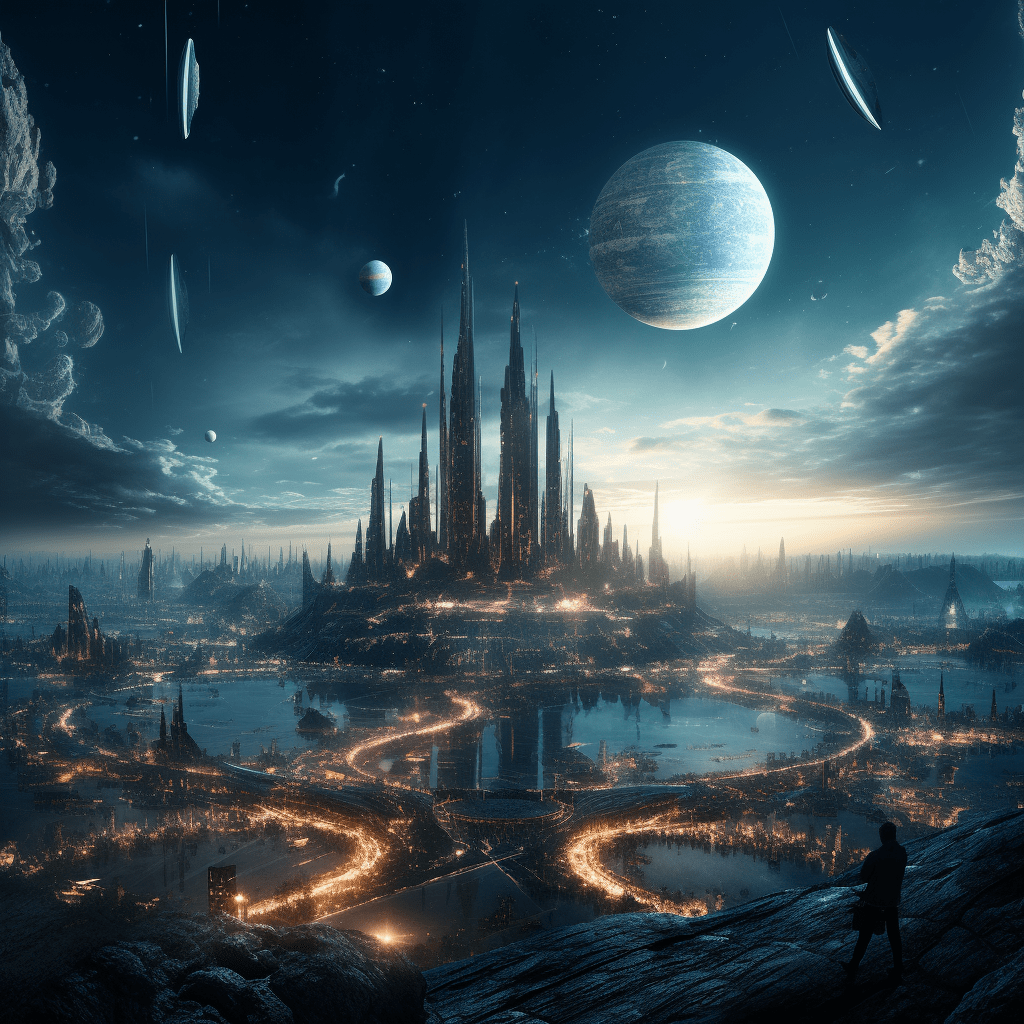
Chinese science fiction has been an integral part of the global sci-fi landscape, boasting a rich history that spans more than a century. These imaginative works weave together intricate plots with profound philosophical questions, offering unique perspectives on technology, humanity, and the cosmos. Let’s explore some of the most influential Chinese science fiction books and their impact on the genre.
“The Three-Body Problem” by Liu Cixin
No discussion of Chinese science fiction would be complete without mentioning Liu Cixin’s Hugo Award-winning masterpiece, “The Three-Body Problem.” It is the first book in the “Remembrance of Earth’s Past” trilogy. The novel introduces readers to an impending alien invasion set against China’s Cultural Revolution backdrop. Its complex narrative structure, meticulous scientific exploration, and deep philosophical musings have cemented its status as a groundbreaking work in global science fiction.
“The Waste Tide” by Chen Qiufan
Chen Qiufan’s “The Waste Tide” is a powerful portrayal of cyberpunk sensibilities with a unique Chinese twist. Set in Silicon Isle, China’s electronic waste recycling center, the novel explores themes of class struggle, biohacking, and environmental catastrophe. Its gritty depiction of a dystopian future and its critique of rampant consumerism have resonated with readers worldwide, establishing Chen Qiufan as a critical voice in Chinese science fiction.
“Folding Beijing” by Hao Jingfang
“Folding Beijing,” a Hugo Award-winning novelette by Hao Jingfang, presents an allegorical tale set in a future Beijing. The city is divided into three spaces, folding and unfolding so that different classes of people awake and live in separate “times.” Through this dystopian narrative, Hao Jingfang offers a critique of social inequality that has resonated with readers far beyond China’s borders.
“Invisible Planets” edited by Ken Liu
“Invisible Planets,” edited and translated by Ken Liu, is an anthology of short stories that showcases the diversity of Chinese science fiction. The collection includes works from prominent authors like Liu Cixin and Xia Jia and newer voices like Cheng Jingbo. It serves as an excellent introduction to Chinese science fiction, exploring a wide range of themes from AI consciousness to societal development.
“Vagabonds” by Hao Jingfang
Another influential work by Hao Jingfang, “Vagabonds,” examines the cultural and ideological clash between Mars and Earth from a philosophical and psychological perspective. This monumental work is a deep dive into the human psyche, exploring how societal systems and ideologies shape individual identities. Its thought-provoking themes have made it a compelling read for science fiction enthusiasts.
Conclusion
Chinese science fiction offers a rich tapestry of imaginative narratives that grapple with universal themes of humanity, technology, and the future. The works of authors like Liu Cixin, Chen Qiufan, and Hao Jingfang have not only reshaped the landscape of Chinese science fiction but have also had a profound impact on the global sci-fi genre. These influential books invite us to view our world from unique perspectives, challenging us to ponder deep philosophical questions while taking us on thrilling journeys across the cosmos. As the genre continues to evolve, Chinese science fiction will undoubtedly remain at the forefront of pushing the boundaries of our imagination.
-
The Worst Video Games of All Time: An Unforgettable Walk Through Gaming Infamy
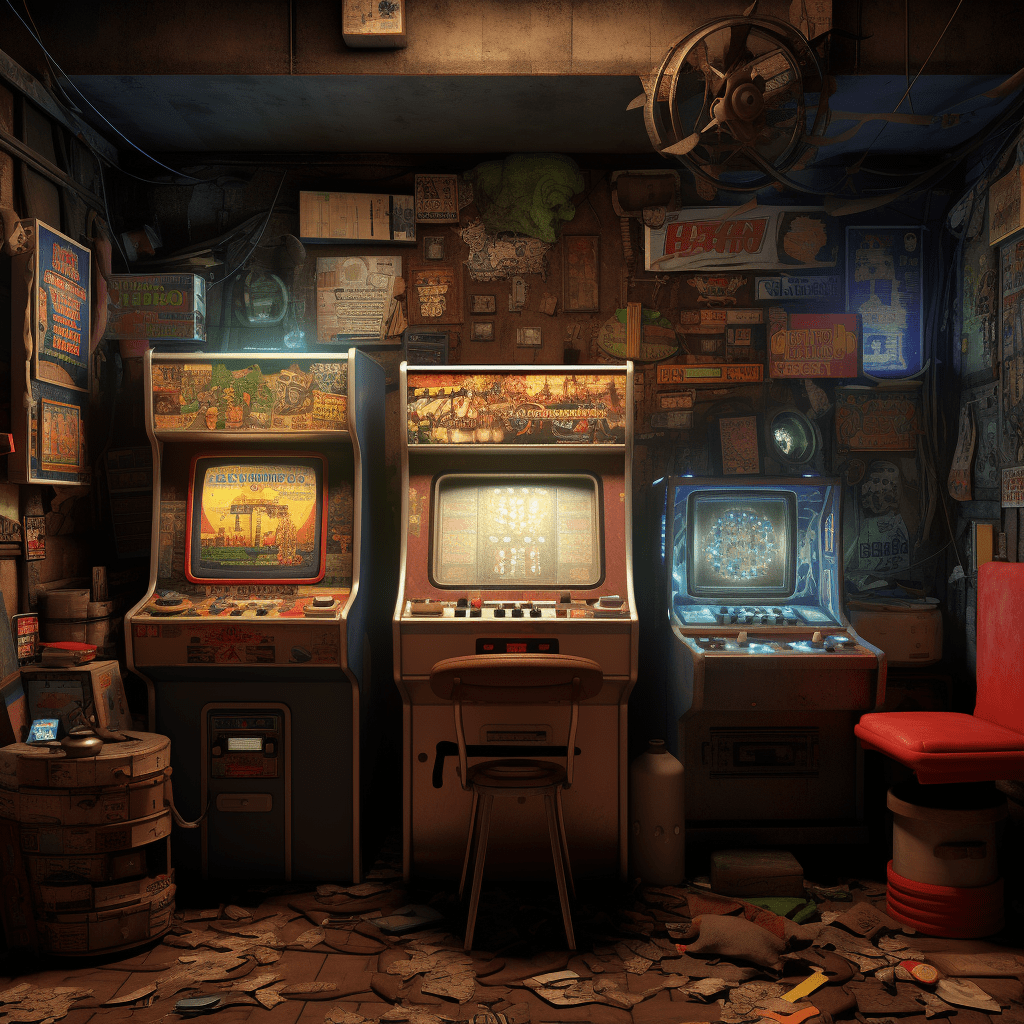
The vast history of video gaming is studded with spectacular successes that have helped shape popular culture. However, it’s equally marked by a litany of catastrophic failures. These notorious low points in gaming offer fascinating insights into how poor design, rushed production, and misguided concepts can lead to disastrous results. Let’s take a look at some of the worst video games of all time and analyze what went so wrong.
E.T. the Extra-Terrestrial (Atari 2600)
One of the most infamous video games of all time, E.T. the Extra-Terrestrial, was a rushed cash-in on the popular Spielberg movie. The game was developed in a mere five weeks to be ready for the 1982 holiday season. The resulting product was a confusing, frustrating mess. Players control E.T. through pixelated screens, falling into pits while trying to collect pieces of an interplanetary telephone. The game’s poor reception was a contributing factor to the video game crash of 1983 and has since become a symbol of the pitfalls of rushed development and shallow licensed games.
Superman 64 (Nintendo 64)
Superman 64 is often cited as one of the worst video games ever created. The game suffered from numerous issues, including frustrating controls, terrible graphics, and a host of bugs. Most infamous is the initial sequence, which forces players to fly Superman through a series of rings in the sky within a strict time limit. Its failings resulted from a troubled development process plagued by disputes with the licensor and technical limitations of the Nintendo 64.
Big Rigs: Over the Road Racing (PC)
In the annals of awful video games, Big Rigs: Over the Road Racing holds a special place. This racing game features broken physics, nonexistent collision detection, and opponents who don’t move from the starting line. The game’s tagline, “You’re Winner!” – a misspelled victory message – has become a meme amongst gamers. Big Rigs is a lesson in the importance of quality assurance and the dire consequences of releasing an unfinished product.
Custer’s Revenge (Atari 2600)
Custer’s Revenge is not only a terrible game from a technical standpoint, but it’s also one of the most offensive. Players control a pixelated General Custer, who must dodge arrows to reach a Native American woman tied to a post. Its overtly sexual and racist themes led to massive public outrage, and it was eventually pulled from store shelves. Custer’s Revenge is a stark reminder of the importance of cultural sensitivity and appropriateness in game content.
Ride to Hell: Retribution (Multiple Platforms)
Ride to Hell: Retribution was a failed attempt to capture the essence of outlaw biker culture. The game was riddled with game-breaking bugs, awful voice acting, abysmal combat, and a multitude of other issues. Its depiction of women was notably problematic, adding a layer of offensive content to an already deeply flawed game. It serves as an example of how a promising concept can be utterly ruined by poor execution.
Conclusion
The worst video games of all time have earned their notoriety through a combination of poor design, lack of quality control, offensive content, and a disregard for the player’s experience. Yet, their failings offer valuable lessons. They serve as cautionary tales about the importance of thoughtful game design, thorough testing, cultural sensitivity, and respect for the player’s time and intelligence. In the world of video game development, they remain unforgettable symbols of how not to create a game.
-
The Legend of Dragoon: An Unforgettable Epic in Gaming History

Few role-playing games (RPGs) of the late ’90s have garnered a cult following as enduring as The Legend of Dragoon. This PlayStation classic, while not immediately recognized for its brilliance, has over time solidified its status as a gem of the genre. Let’s explore what makes The Legend of Dragoon an exceptional and unforgettable gaming experience.
Intricate Storytelling
At the heart of The Legend of Dragoon lies an intricate, multi-layered narrative. The story unfolds across four distinct discs, each representing a chapter in a grand saga of love, revenge, and fate. From the protagonist Dart’s personal quest to the overarching war between nations, the game expertly weaves together multiple plot threads into a coherent, engaging narrative.
Unique Combat System
The Legend of Dragoon distinguishes itself with its innovative “Addition” combat system. Unlike typical turn-based RPGs, the game requires players to hit timed button prompts for characters to execute their attacks fully, adding an element of skill to every encounter. Furthermore, the Dragoon transformations, which give characters amplified power and new abilities, infuse battles with a sense of grandeur and epicness.
Memorable Characters
The characters in The Legend of Dragoon are one of its strongest aspects. Each member of the ensemble cast has a unique backstory, personality, and motivation, making them feel real and relatable. Their interactions and growth over the course of the journey further deepen the game’s emotional resonance.
Atmospheric World-Building
The Legend of Dragoon shines in its world-building. The game features a diverse array of environments, from bustling cities to desolate ruins, each meticulously crafted to create an immersive atmosphere. This, combined with a rich lore that spans thousands of years, creates a compelling and believable world.
Striking Visuals and Score
Despite its age, The Legend of Dragoon still impresses with its aesthetic presentation. The game’s pre-rendered backgrounds and 3D character models were considered cutting-edge at the time of its release, contributing to a distinctive visual style. The orchestral score, equally memorable, beautifully complements the game’s epic scope and emotional depth.
The Theme of Transformation
The concept of transformation is a recurring theme in The Legend of Dragoon, manifested in both its narrative and gameplay. Characters undergo profound personal growth, while their ability to transform into Dragoons represents their evolving roles in the world’s fate. This theme adds a philosophical dimension to the game, encouraging players to reflect on notions of change and identity.
Conclusion
The Legend of Dragoon is more than just a game; it’s an epic saga that takes players on an unforgettable journey. Its compelling narrative, innovative combat system, memorable characters, atmospheric world-building, and striking visuals combine to create an immersive experience that stands the test of time. While it may not have received the recognition it deserved during its initial release, The Legend of Dragoon remains a shining example of the RPG genre, a testament to its creators’ ambition and vision. In the hearts of its many fans, the game’s legend continues to burn bright, an enduring beacon in the annals of gaming history.
Characters in Legend of Dragoon, Combat system in Legend of Dragoon, Cult classic RPGs, Legend of Dragoon review, Legend of Dragoon storytelling, Role-playing games, The Legend of Dragoon, Theme of Transformation in Legend of Dragoon, Visuals and Score in Legend of Dragoon, World-building in Legend of Dragoon -
Tactics Ogre: Reborn – A Reinvented Masterpiece

In the vast landscape of tactical role-playing games (TRPG), few franchises have been as influential as Tactics Ogre. With the release of Tactics Ogre: Reborn, this beloved series has been rejuvenated, preserving its original charm while introducing an array of exciting features. Let’s delve into what makes this reinvention so exceptional.
Faithful to its Roots
What makes Tactics Ogre: Reborn truly stand out is its loyalty to the series’ essence. The game revisits the intricate plotlines and the rich character development of its predecessor. At its core, it remains a tale of political intrigue, moral dilemmas, and war’s brutal realities. The careful blend of continuity and innovation honors the series’ legacy while offering a fresh take on the classic game.
Improved Battle System
Tactics Ogre: Reborn elevates the franchise’s trademark grid-based combat system. It retains the depth and complexity that tactical RPG fans love while introducing new mechanics, such as the dynamic weather system that affects battlefield conditions. Balancing classic tactics with innovative elements, the game delivers a more immersive and strategic combat experience.
Enhanced Class System
Tactics Ogre: Reborn has expanded on the series’ class system, providing a wider range of customization options. With a more extensive and diverse roster of classes, players have greater freedom in shaping their squad’s abilities and strengths, offering a deeper layer of strategy in both unit management and battle.
Graphic and Audio Upgrades
Featuring fully updated graphics, Tactics Ogre: Reborn presents a stunning visual experience that enhances the game’s world-building. From the vibrant landscapes to the detailed character designs, every aspect has been meticulously crafted. The remastered soundtrack, meanwhile, breathes new life into familiar compositions, rekindling the emotional resonance that has defined the series.
The Wheel of Fortune Returns
The return of the “World” system, famously known as the Wheel of Fortune, adds a unique replayability factor to Tactics Ogre: Reborn. This feature allows players to revisit crucial plot points and explore different outcomes, creating a branching narrative that encourages multiple playthroughs. It emphasizes the game’s focus on choice and consequence, making every decision meaningful.
Expanded Lore
While Tactics Ogre: Reborn offers nostalgia to returning players, it also expands the series’ lore with new characters and plot threads. These additions enrich the narrative, offering fresh perspectives on the familiar world of Valeria, and weave into the established storyline seamlessly.
Accessibility Features
In a nod to modern gaming trends, Tactics Ogre: Reborn has incorporated features to improve accessibility. These include adjustable difficulty levels and optional quality-of-life improvements, ensuring that both new players and veterans can enjoy the game at their preferred pace.
Conclusion
Tactics Ogre: Reborn encapsulates what a successful game revamp should be – honoring the original’s spirit while embracing modern gaming’s evolution. It’s not just the nostalgia that makes this game great, but its capacity to reinvent itself, offering a rich and immersive experience that both celebrates and transcends its storied past. As a rejuvenated classic, Tactics Ogre: Reborn is a testament to the enduring allure of the TRPG genre and a shining example of how to breathe new life into a beloved series.
Accessibility in Tactics Ogre: Reborn, Battle system in Tactics Ogre: Reborn, Class system in Tactics Ogre: Reborn, Expanded lore in Tactics Ogre: Reborn, Graphics and audio in Tactics Ogre: Reborn, Tactical RPG, Tactics Ogre game series, Tactics Ogre reinvention, Tactics Ogre: Reborn, Wheel of Fortune in Tactics Ogre -
Traversing Realms: The Influence of Real-World Lore and Religions in Final Fantasy Games

The Final Fantasy series, beloved by millions worldwide, is known for its captivating storylines, immersive worlds, and complex characters. Integral to its appeal is the deep lore drawn from various real-world mythologies, religions, and historical events. This article delves into some of the real-life inspirations behind the Final Fantasy universe, illuminating the intricate weave of real and imaginary that fuels this iconic series.
Greek and Norse Mythology in Final Fantasy
Many summons, monsters, and character names in the Final Fantasy series are borrowed from Greek and Norse mythology. The most evident example is the recurrent summon Bahamut, the King of the Dragons, inspired by a vast fish that supports the earth in Arabian mythology. Similarly, the character of Odin, a summon, takes its name and design from the Norse god of wisdom, war, and poetry.
Shinto and Buddhism: Influence on Spiritual Concepts
Japan’s indigenous religion, Shinto, and Buddhism have greatly influenced the spiritual concepts within Final Fantasy. The reverence for nature, seen in the portrayal of the planet as a living entity in Final Fantasy VII, reflects Shinto beliefs. The concept of life, death, and rebirth, prominent in games like Final Fantasy X, echoes the Buddhist idea of Samsara, the cycle of reincarnation.
Influence of Christianity
Christianity has also significantly influenced the Final Fantasy series. One notable instance is Final Fantasy X’s Church of Yevon, which mirrors some aspects of organized religion and the Catholic Church. The game critiques the use of religion for control, a theme often explored in discussions about Christianity.
The Role of Alchemy and Astrology
The practice of alchemy, a philosophical tradition, features prominently in several Final Fantasy games. The principle of equivalent exchange, a core tenet of alchemy, is central to the story of Final Fantasy VI. Astrology also plays a significant role in games like Final Fantasy XII, where the Zodiac signs govern the twelve Espers you can acquire.
Historical Inspirations: From War to Industrialization
Historical events, particularly those associated with war and industrialization, serve as themes in the Final Fantasy series. For example, the war dynamics in Final Fantasy Tactics draw heavily from the War of the Roses, while Final Fantasy VI reflects the societal upheaval brought by the industrial revolution.
Conclusion
The Final Fantasy series’ enduring appeal lies not only in its inventive gameplay but also in its rich, deeply layered world-building. By weaving real-world religions, mythologies, and historical events into its narrative fabric, the series creates resonant and meaningful stories that leave a lasting impact. The fantastical universe of Final Fantasy is, thus, not so distant from our own, bearing reflections of our collective beliefs, fears, and aspirations.
Alchemy in Final Fantasy, Astrology in Final Fantasy, Bahamut in Final Fantasy, Christianity in Final Fantasy, Final Fantasy real-world inspirations, Greek mythology in Final Fantasy, Industrial Revolution Final Fantasy VI, Norse mythology in Final Fantasy, Shinto and Buddhism influence in Final Fantasy, War of the Roses Final Fantasy Tactics -
Final Fantasy’s Majestic Beasts: The Most Powerful Summons Across All Games
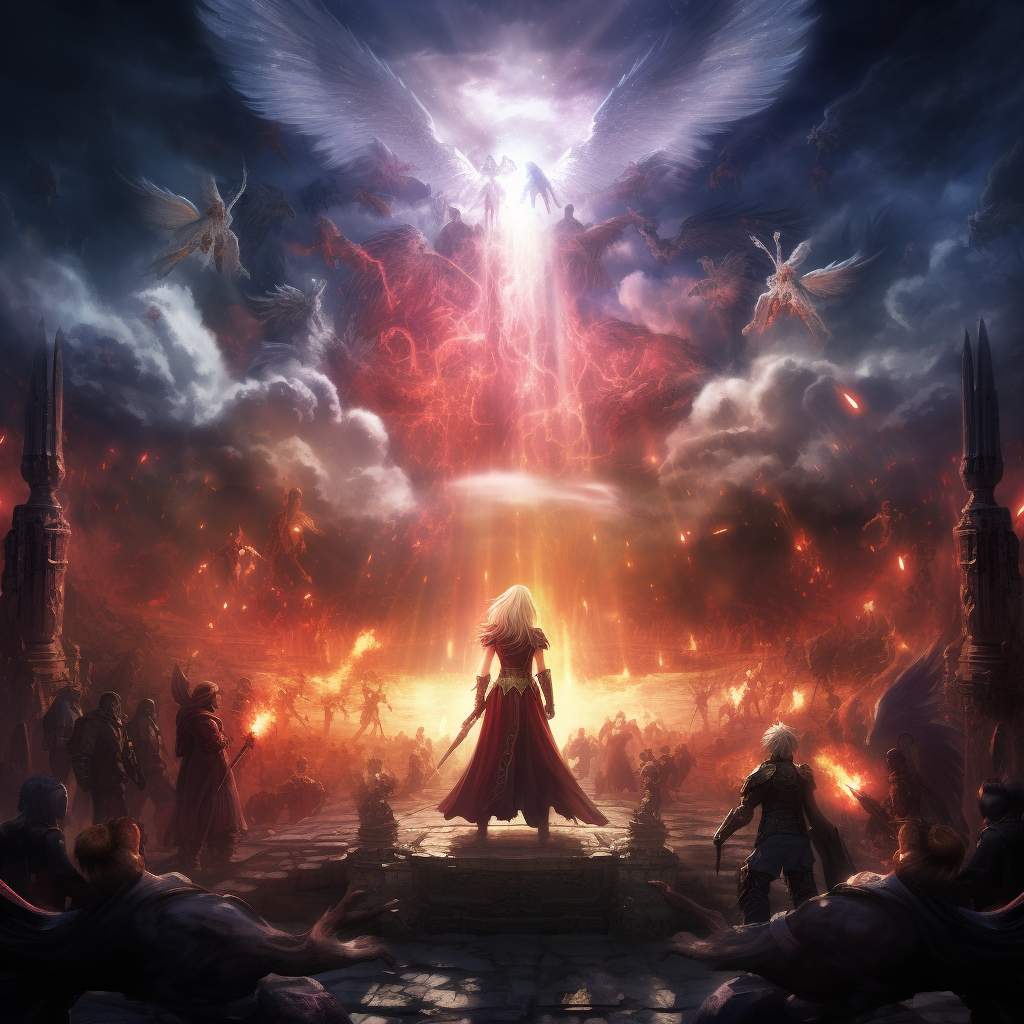
Summons, known as Espers, Eidolons, or Aeons in various games, have been a cornerstone of the Final Fantasy series since their introduction in Final Fantasy III. These majestic and powerful beings aid players in battle, often turning the tide in their favor with awe-inspiring, cinematic attacks. This article delves into the lore and power of the most formidable summons across all the mainline Final Fantasy games, celebrating their role in enriching the gameplay experience.
1. Knights of the Round – Final Fantasy VII
Arguably the most powerful summon across all games, Knights of the Round is an awe-inspiring spectacle in Final Fantasy VII. Its lengthy animation, featuring thirteen armored knights dealing massive damage, can obliterate even the toughest of enemies. Acquiring it, however, requires players to solve the puzzle of the Gold Saucer’s Chocobo breeding quest.
2. Anima – Final Fantasy X
Born from the despair of a mother’s sacrifice, Anima is a destructive force in Final Fantasy X. With its “Oblivion” Overdrive, it can deal extensive damage multiple times in a single turn, making it a valuable ally in challenging battles.
3. Bahamut – Across the Series
A staple of the series, Bahamut, the King of Dragons, has made an appearance in almost every Final Fantasy game. His “Mega Flare” is a non-elemental attack that can deal heavy damage to all enemies, a testament to his title.
4. Alexander – Across the Series
Known for its divine Judgment attack, Alexander is a mechanized fortress in the shape of a giant robot. Its light-based attack is particularly potent against dark and undead enemies, carving a path of destruction in numerous games.
5. Eden – Final Fantasy VIII
Eden, the most potent Guardian Force in Final Fantasy VIII, boasts the highest potential damage with its “Eternal Breath” attack. It’s capable of exceeding the game’s damage limit, reaching numbers in the high five figures.
6. Zodiark – Final Fantasy XII
The strongest Esper in Final Fantasy XII, Zodiark, Keeper of Precepts, uses “Final Eclipse,” a devastating attack that can inflict up to 60,000 damage. It’s hidden deep within the Henne Mines, challenging the players who dare to seek its power.
7. Yojimbo – Final Fantasy X
Yojimbo’s power is unique. His attacks—ranging from a simple slash to the instant-death move “Zanmato”—depend on how much the player pays him. With enough Gil, Yojimbo can defeat even the toughest bosses in a single stroke.
8. Shiva – Across the Series
This elegant Ice Queen is one of the series’ most iconic summons. Her signature “Diamond Dust” attack freezes enemies solid and shatters them, dealing substantial ice elemental damage.
9. Odin – Across the Series
Odin, often appearing as a knight on a six-legged horse, is feared for his “Zantetsuken” attack, which can instantly kill all enemies. While ineffective against bosses, this move makes Odin a valuable asset for regular encounters.
10. Phoenix – Across the Series
Phoenix’s signature move, “Rebirth Flame,” not only deals fire damage to enemies but also revives all fallen party members, making it a lifesaver in dire situations.
11. Magus Sisters – Final Fantasy IV & X
First appearing in Final Fantasy IV and later as a group in X, the Magus Sisters can perform powerful combination attacks. Their unique dynamic as a trio allows for complex and potent abilities that can overwhelm enemies.
Conclusion
The summoning system has been a unique and captivating part of the Final Fantasy series, offering not only a visual spectacle but also strategic gameplay depth. These awe-inspiring beings, from the classic Bahamut and Shiva to the mighty Knights of the Round and Eden, serve as a testament to the series’ enduring creativity and innovative design. They continue to excite players with their displays of power, helping to etch unforgettable memories in the grand tapestry of the Final Fantasy experience.
-
Ranking the Best Final Fantasy Games and Chrono Trigger
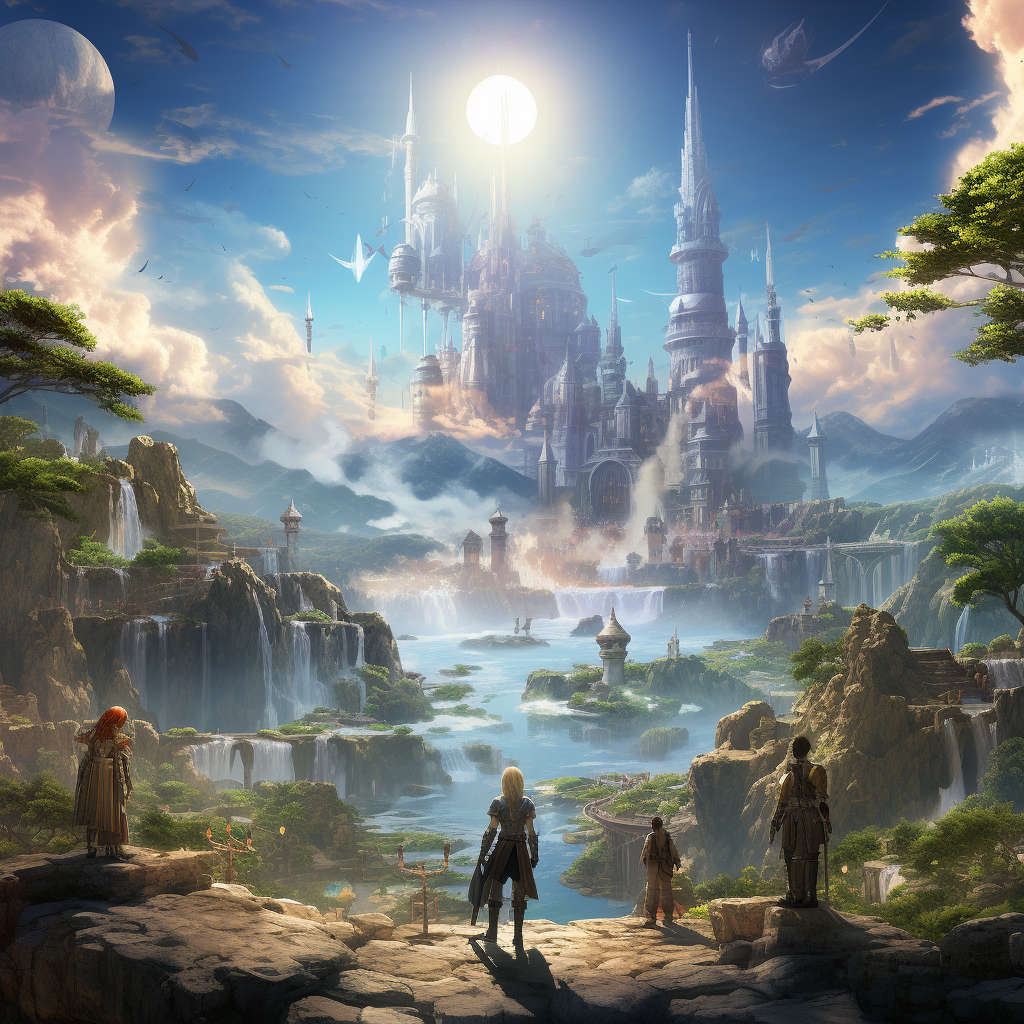
The Final Fantasy series, developed by Square Enix, is one of the most illustrious and influential franchises in the video game industry. Known for its captivating stories, innovative gameplay, and memorable characters, each installment offers a unique gaming experience. Additionally, the iconic Chrono Trigger, though not a Final Fantasy game, shares similar RPG elements and warrants mention. Let’s dive into the intricate worlds spun by these games, ranking them from the mesmerizing to the unforgettable.
1. Final Fantasy VI
Often hailed as the pinnacle of the series, Final Fantasy VI is a masterpiece that perfectly blends intricate narrative and innovative gameplay. Set in a world transitioning from magic to technology, it features a diverse cast of 14 playable characters, each with their backstory, and boasts one of the most unforgettable villains in video game history: Kefka.
2. Final Fantasy VII
Final Fantasy VII is a cultural phenomenon that revolutionized the RPG genre with its cinematic storytelling and 3D graphics. The game’s unforgettable story of Cloud, Aerith, and Sephiroth, set against the backdrop of the dystopian city of Midgar, has left an indelible mark on the gaming industry.
3. Chrono Trigger
While not a Final Fantasy game, Chrono Trigger is an RPG masterpiece from the same creative minds. Its innovative combat, time-travel narrative, and multiple endings were groundbreaking at the time, and its charming characters and memorable soundtrack continue to resonate with gamers.
4. Final Fantasy X
Final Fantasy X brought the series into the modern age with voice acting and stunning 3D graphics. Its unique turn-based combat system and compelling narrative of love, sacrifice, and the nature of existence cement its place among the best in the series.
5. Final Fantasy IX
A love letter to the series’ roots, Final Fantasy IX features a return to traditional fantasy elements, a charming cast of characters, and a narrative rich in themes of identity and self-discovery. Its thoughtful combat mechanics and exploration of mortality and existence add layers of depth to this unforgettable journey.
6. Final Fantasy Tactics
Final Fantasy Tactics stands apart with its strategy-based gameplay. Though different from mainline entries, its complex political narrative, rich character development, and strategic battles make it a standout in the franchise.
7. Final Fantasy VIII
Final Fantasy VIII is a divisive but memorable entry in the series. It’s praised for its romantic storyline, innovative “Draw” system, and breathtaking visual design. The relationship between Squall and Rinoa remains one of the most heartfelt in the series.
8. Final Fantasy IV
Final Fantasy IV marks a significant point in the series, introducing the Active Time Battle system. Its story of redemption, centered around the dark knight Cecil, has made it a fan favorite.
9. Final Fantasy XII
Final Fantasy XII’s real-time combat and political intrigue set it apart from other entries. While its plot can be complex, the world of Ivalice is richly detailed, and its Gambit system allows for a high degree of battle customization.
10. Final Fantasy V
Final Fantasy V is known for its job system, allowing characters to switch classes and mix abilities. This mechanic added a layer of strategy and customization that makes it a gem within the series.
11. Final Fantasy XIII
Final Fantasy XIII, while criticized for its linear structure, features a complex and emotional narrative with a fully-realized cast of characters. Its innovative Paradigm system adds depth to its combat.
12. Final Fantasy XV
Final Fantasy XV’s open-world exploration and action-based combat were departures for the series. While its story was divisive, the brotherhood between Noctis and his companions is undeniably moving.
13. Final Fantasy XI & XIV
Final Fantasy XI and XIV, the series’ forays into the MMORPG genre, brought the spirit of Final Fantasy to the online realm. While vastly different from the mainline series, they’ve both provided immersive experiences with a strong Final Fantasy flavor.
14. Final Fantasy I, II & III
The games that started it all, Final Fantasy I, II, and III set the foundation for the series. While they may not have the depth of later entries, their importance in shaping the series and the genre at large cannot be overstated.
Conclusion
Whether it’s the epic narratives, memorable characters, or innovative gameplay mechanics, each Final Fantasy game, including the groundbreaking Chrono Trigger, offers a unique and enthralling experience. These games serve as a testament to the enduring allure of the RPG genre and the indelible mark the Final Fantasy series has left on the gaming landscape.
-
FromSoftware’s Masterpieces: Ranking the Best Soulsborne Games

FromSoftware, under the visionary director Hidetaka Miyazaki, has etched a unique niche in the gaming industry with its series of action RPGs. These games, collectively known as “Soulsborne” (a fusion of “Souls” and “Bloodborne”), have redefined the action RPG genre with their challenging gameplay, atmospheric worlds, and deeply embedded lore. This article ranks these masterpieces, including the latest release, Elden Ring, appreciating that each game holds its unique charm that appeals to a range of players.
1. Elden Ring
Taking the top spot is FromSoftware’s latest masterpiece, “Elden Ring.” Building upon the foundation of its predecessors, Elden Ring introduces a vast, seamless open-world, adding a new dimension to the Soulsborne formula. It combines the intricate world design, cryptic storytelling, and punishing yet rewarding combat system that FromSoftware is known for with the freedom and exploration of an open-world game. This makes Elden Ring a ground-breaking evolution of the Soulsborne series.
2. Dark Souls
Next in line is “Dark Souls,” the game that birthed the term “Souls-like,” representing for many the epitome of FromSoftware’s design philosophy. Its complex, interconnected world, profound lore, and challenging yet rewarding combat system set a new standard for action RPGs. This game brought the world the bonfire checkpoint system, strategic stamina-based combat, and cryptic storytelling that became the defining features of the Soulsborne series.
3. Bloodborne
“Bloodborne” took the base established by “Dark Souls” and morphed it into a Lovecraftian horror show. Swapping the medieval fantasy setting for a Gothic horror aesthetic, Bloodborne’s world of Yharnam is one of the most atmospheric and terrifying in gaming. Its aggressive, faster combat system that encourages offense over defense provides a fresh spin on the Souls formula.
4. Dark Souls III
“Dark Souls III” represents a refinement of the Souls formula. It amalgamates the best elements of its predecessors and perfects them. Although it may not be as ground-breaking as the original “Dark Souls” or as innovative as “Bloodborne,” its polished combat, stunning art design, and wealth of content make it an essential entry in the Soulsborne canon.
5. Sekiro: Shadows Die Twice
“Sekiro: Shadows Die Twice” diverges from the typical Soulsborne formula, focusing on precision and timing with a unique posture-based combat system. Situated in war-ravaged Sengoku era Japan, it discards the series’ traditional character customization and RPG elements for a more focused, story-driven experience. Its unique stealth mechanics, vertical mobility, and demanding boss fights make for an engaging twist on the Soulsborne style.
6. Demon’s Souls
“Demon’s Souls,” the progenitor of the series, brought forth many elements that later became staples of the genre: unforgiving difficulty, minimal guidance, and a rich, cryptic lore. Its innovative multiplayer system, where other players could leave messages or invade your game, was ground-breaking at the time.
7. Dark Souls II
Finally, “Dark Souls II,” perhaps the most divisive entry in the series, experimented with mechanics such as health reduction upon death and had a different feel to its combat and level design. However, it expanded significantly on the series’ lore and offered a considerable amount of content. While it might not reach the heights of the other entries, it is still a commendable Soulsborne game.
-
America’s Eden: A Tour Through the Best National Parks

From majestic mountains, serene lakes, to deserts with towering cacti, the United States boasts an array of natural beauty within its national parks. These parks protect America’s most precious landscapes and are havens for outdoor enthusiasts. This article will guide you through some of the best national parks in America, each with its unique charm and allure.
Yosemite National Park, California
Nestled in California’s Sierra Nevada mountains, Yosemite National Park is known for its breathtaking waterfalls, deep valleys, grand meadows, and ancient sequoias. The iconic view of the Half Dome and the El Capitan cliffs captivates visitors and has inspired artists and photographers for generations.
Yellowstone National Park, Wyoming
America’s first national park, Yellowstone, is a geothermal wonderland. It’s home to the famous Old Faithful Geyser, vibrant hot springs like the Grand Prismatic Spring, and dramatic canyons such as the Grand Canyon of Yellowstone. Its diverse ecosystem is also a sanctuary for many wild animals, including wolves, bears, and herds of bison and elk.
Grand Canyon National Park, Arizona
Nothing quite prepares you for the first glimpse of the Grand Canyon’s vast, colorful landscape. The mighty Colorado River has carved this magnificent mile-deep, 277-mile long canyon over millions of years, creating a geological marvel. The park offers numerous viewpoints and hiking trails, each showcasing a different aspect of its immense beauty.
Rocky Mountain National Park, Colorado
With soaring mountain peaks, alpine lakes, diverse wildlife, and over 300 miles of hiking trails, Rocky Mountain National Park is a paradise for nature lovers. It boasts the highest paved road in America—Trail Ridge Road—which provides panoramic views of the Rocky Mountains’ stunning wilderness.
Joshua Tree National Park, California
A unique blend of two desert ecosystems—Mojave and Colorado—Joshua Tree National Park features a fascinating variety of plants and animals. The park is named after the peculiar Joshua Trees that dot the landscape and is a favorite destination for rock climbing, stargazing, and exploring desert trails.
Great Smoky Mountains National Park, Tennessee/North Carolina
As America’s most visited national park, the Great Smoky Mountains offers lush forests, wildflowers that bloom year-round, and mist-covered mountains. It preserves Southern Appalachian mountain culture and has an extensive network of trails, including a portion of the Appalachian Trail.
Acadia National Park, Maine
Acadia National Park, located on Maine’s Mount Desert Island, features a striking blend of mountains and ocean shoreline. From hiking on Cadillac Mountain, the tallest mountain on the U.S. Atlantic coast, to driving along the historic Park Loop Road, visitors can immerse themselves in a stunning eastern maritime landscape.
Olympic National Park, Washington
The Olympic National Park is a wonderland of three different ecosystems: rugged Pacific coastline, lush temperate rainforests, and majestic mountain ranges. The park is teeming with an array of wildlife, and the tide pools along its coastline reveal a colorful underwater world.
Glacier National Park, Montana
With its pristine forests, alpine meadows, rugged mountains, and spectacular lakes, Glacier National Park offers a taste of unspoiled nature. The park’s Going-to-the-Sun Road is a scenic drive that takes you through the heart of the park and offers breathtaking views.
Conclusion
From sea to shining sea, America’s national parks showcase some of the country’s most stunning natural wonders. Each offers a unique encounter with nature, whether it’s observing geysers erupt in Yellowstone, marveling at a desert sunset in Joshua Tree, or standing on a mountaintop in the Rockies.
-
Sky Wonders Conspiracy

There has always been something magical, even otherworldly, about the sky. From the dawn of human civilization, we have stared up at the heavens in awe—wondering if there is a greater truth hidden among the stars. Mainstream science teaches that the sky is nothing more than layers of atmosphere set against the vacuum of space, peppered with celestial bodies. And yet, an ever-growing number of observers, amateur researchers, and whistleblowers argue there is far more going on above our heads than conventional wisdom admits. Under the banner of “Sky Wonders,” these individuals gather evidence of bizarre phenomena—lights that defy physics, shimmering auras resembling advanced technology, and even signs of hidden intelligences orchestrating cosmic illusions. In this article, we will delve deeply into the world of Sky Wonders, investigating how they challenge our understanding of physics, our planet, and our place in the universe.
A Glimpse into the Phenomena
The term “Sky Wonders” encompasses a broad spectrum of unexplained occurrences: mysterious glows, unusual cloud formations, unidentified flying objects, and phenomena that seem almost ethereal—like luminous orbs or veil-like curtains in the night sky. While skeptics chalk many sightings up to natural weather events or misidentifications of aircraft, those who take Sky Wonders seriously believe these anomalies reveal hidden layers of reality. Here are some of the most commonly reported manifestations:
- Transient Luminous Events: High above thunderstorms, some pilots and scientists have reported brilliant flashes of color known as “sprites,” “elves,” and “blue jets.” Officially, these are exotic, high-energy electrical discharges. But conspiracy circles argue that these phenomena might be byproducts of advanced, unseen technology—or even gateways to other dimensions.
- Sky “Cities” and Reflections: Occasionally, social media lights up with images of what appear to be floating cities or bizarre reflections in the clouds. Mainstream meteorology attributes these to optical illusions, mirages, or “Fata Morgana” phenomena. Sky Wonders proponents see them as evidence of hidden structures in Earth’s upper atmosphere, possibly cloaked by technology or existing in a parallel plane that sometimes overlaps with our reality.
- Mysterious Metallic Cloud Formations: Observers have photographed and filmed suspiciously geometric clouds that resemble massive platforms or vehicles hovering overhead. While conventional meteorologists call such shapes “lenticular” or “roll clouds,” believers argue that some of these “clouds” could be deliberately disguised craft, orchestrated by secret government projects or extraterrestrial visitors.
Ancient Roots and Historical Evidence
Sky Wonders are by no means a modern obsession. Ancient civilizations crafted mythology and cosmology around celestial marvels. Egyptian texts refer to “star travelers” crossing the horizon, while Native American oral traditions speak of “sky people” descending on beams of light. Chinese and Mesoamerican records detail aerial craft that flew under the cover of clouds or shot across the night sky in a blaze of brilliance.
Supporters of the Sky Wonders theory suggest that these ancient accounts point to the same recurring phenomena we see today—only interpreted through the cultural lens of the time. Back then, “flying chariots” were described in spiritual or mythic terms, whereas modern witnesses may label them as advanced aerospace vehicles or interdimensional beings. In either case, the underlying message remains: something extraordinary lurks above, interacting with our world in fleeting, enigmatic ways.
The Mainstream Explanation—and Its Gaps
Official explanations for sky anomalies hinge heavily on established atmospheric science. Many sightings, according to skeptics, can be chalked up to one or more of the following:
- Weather Balloons: A perennial favorite in UFO “debunking,” these balloons can appear as glowing orbs or silver discs, particularly at great altitudes and under specific lighting.
- Satellite Reflections (Flares): Communication satellites, especially older models, can reflect sunlight in dazzling bursts. The “Iridium flare” phenomenon is well-documented but easily misunderstood as something more mysterious.
- Optical Illusions: The human eye and brain can be fooled by temperature inversions and refraction, leading to images like floating cities or lakes in the sky.
- Military Test Flights: Experimental aircraft (stealth planes, drones) can produce uncanny silhouettes or strange lighting patterns at night.
While each of these factors explains certain sightings, Sky Wonders advocates argue that the cumulative evidence does not fit neatly into these categories. Photographs and videos show meticulously shaped clouds with sharp angles, luminous phenomena reacting intelligently to observers, and swirling objects making maneuvers no known aircraft can reproduce. Those who study these anomalies contend that if the official stance covered every incident adequately, we wouldn’t have so many leftover cases defying conventional logic.
The Hidden Forces Behind the Veil
Conspiracy theories around Sky Wonders often converge on the notion that powerful organizations—government agencies, private contractors, or even off-world intelligences—are responsible for obscuring the truth. Key motivations frequently cited include:
- Technological Secrecy: If advanced propulsion systems or energy weapons are being tested in our skies, the entities developing these technologies would go to great lengths to keep them classified. Regular citizens glimpsing unusual craft might unknowingly witness prototypes of future weapons or transport systems.
- Human Consciousness Experiments: Some theories link Sky Wonders to psychological or spiritual manipulation. They posit that abrupt visions in the sky might be designed to gauge human reactions or guide our collective consciousness toward certain beliefs. Projecting cityscapes or luminous patterns above could test how populations respond, potentially setting the stage for large-scale “perception management.”
- Extraterrestrial Cover-Up: A large contingent within the Sky Wonders community believes that non-human entities have used Earth’s atmosphere as a staging ground for thousands of years. Governments either collaborate with these entities or are powerless to stop them—resorting to denial and obfuscation to maintain social stability. In this view, sightings and phenomena reflect a cosmic presence far beyond our current comprehension.
- Interdimensional Crossings: A more esoteric angle suggests that the sky acts as a thinning barrier between physical reality and higher dimensions. When cosmic conditions are right—during eclipses, geomagnetic storms, or astral alignments—these dimensions briefly overlap, manifesting as glowing portals, supernatural lights, or fleeting apparitions.
Case Studies That Defy Logic
Case Study 1: The Phoenix “Cloudship”
In 2016, residents near Phoenix, Arizona, reported a massive, nearly hexagonal cloud formation that glowed even after sunset. Witnesses claimed it changed shape in systematic intervals, as if under intelligent control. Local meteorologists attributed it to an odd confluence of upper-atmospheric winds and reflected city lights. Yet multiple eyewitness recordings revealed synchronized movement reminiscent of mechanical unfolding. The phenomenon lasted nearly an hour before dispersing into the night sky.Case Study 2: Himalayan “Sky Gate”
High-altitude climbers in Nepal have repeatedly described and photographed swirling bands of light forming a circular portal-like structure near remote peaks. Some accounts speak of mountaineers experiencing sudden disorientation or hearing humming vibrations. While skeptics blame altitude sickness and lens flare, believers argue that the recurring patterns and independent confirmations from different climbing teams suggest a genuine, persistent anomaly—a “sky gate” bridging unseen realms.Case Study 3: The Toronto Pyramid
In 2021, social media buzzed over footage of a giant, pyramid-shaped cloud drifting above downtown Toronto. Although official statements called it a “peculiar lenticular cloud,” onlookers swore it emitted intermittent flashes. Videos showed the edges occasionally rippling, as if bending light around a solid mass. Within hours, the cloud dissipated, leaving speculation that either a massive craft had briefly revealed itself or that an undisclosed atmospheric experiment had taken place.
Why It Matters: The Implications of Sky Wonders
If even a fraction of these sightings are legitimate evidence of advanced technology, alternate dimensions, or extraterrestrial presence, the ramifications are monumental. Such phenomena hint at:
- Potential Threats or Allies: If advanced craft or interdimensional beings traverse our skies, understanding their motives becomes paramount. Are they monitoring our civilization? Are they harbingers of new knowledge, or do they pose a looming danger?
- Paradigm Shifts in Science: Explaining luminous phenomena with intelligence behind them would require rethinking fundamental physics, particularly our understanding of energy, matter, and spacetime.
- Spiritual Evolution: Some view Sky Wonders as a cosmic invitation to broaden our spiritual horizons. The sense of awe and mystery they evoke can lead to deeper questions about our role in a grander universal design.
- Revelation vs. Suppression: Should evidence of genuine wonders ever break into mainstream acceptance, governments and powerful institutions could lose significant control over the public narrative. This raises questions about transparency, hidden agendas, and humanity’s right to knowledge.
The Road to Unraveling Sky Wonders
Despite the veil of skepticism from the scientific establishment, the Sky Wonders community is dedicated to continued research and documentation. Enthusiasts and investigators propose the following measures:
- Crowdsourced Monitoring: By pooling resources for high-quality cameras and equipment, citizen groups can observe the sky continuously and share unfiltered data in real time.
- Independent Atmospheric Studies: Collaborations with open-minded meteorologists and amateur scientists can help isolate and study anomalies.
- Global Databases: Centralized repositories of sightings, complete with photographic and video evidence, can facilitate pattern recognition and robust analysis.
- Safety Protocols: If people suspect they have encountered powerful energies or potential electromagnetic fields in the sky, they should follow safety measures—alerting others, wearing protective gear if possible, and documenting everything meticulously.
In the eyes of believers, these steps could pave the way toward full disclosure, allowing everyday citizens to confirm or debunk official accounts independently.
Wonder about your world…

Take the plunge down the rabbit hole of insanity and wonder in this fast-paced, nonstop psychological thriller that will leave you questioning the very nature of reality and beyond. Part thriller, part romance, part existential horror, A Dream of Waking Life delves into lucid dreaming, psychedelics, existential ontology, video games, the nature of love, the nature of reality, and more.

Mendel’s Ladder delivers an adrenaline-fueled journey set on a dystopian future Earth, brimming with high-stakes action, adventure, and mystery. This epic series opener plunges readers into a world filled with diverse cultures, heart-pounding battles, and characters who will captivate your heart and imagination.

“E.S. Fein is raising the bar for quality as it’s a very well-written and thought-provoking book…There are points and themes in the story that could be discussed for eons as people will have their own idea on where it leads. It’s a book I would highly recommend.” – Andy Whitaker, SFCrowsnest
 Wondergressive