-
Incorruptible Saints: An Unraveling Mystery

Incorruptibility is a belief system upheld by the Roman Catholic and Eastern Orthodox Church, which suggests that divine intervention allows some human bodies to avoid the normal process of decomposition after death. These individuals, often saintly figures, have their bodies miraculously preserved.
Noteworthy Incorruptible Saints
Saint Bernadette of Lourdes is perhaps the most famous incorruptible saint. She passed away in 1879, and her body reportedly hasn’t decomposed since. Her preserved body lies in a glass coffin at the Chapel of Saint Gildard in Nevers, France, and has become a site of pilgrimage. Other incorruptible saints include Saint Catherine Labouré, Saint Vincent de Paul, and Saint John Vianney, whose bodies are also on public display.
The Science Behind Incorruptibility
The incorruptibility of saints has been subject to scientific inquiry and debate. Some scientists and skeptics propose that preservation could be due to environmental conditions or post-death treatment of the body, like mummification or embalming. Despite these scientific explanations, the Catholic Church maintains that these bodies are preserved by divine intervention.
Incorruptibility in the Modern World
In the present day, the idea of incorruptibility remains a part of Catholic belief, but the Church is more cautious in declaring a saint incorruptible. The Vatican now requires rigorous investigation before making any such claim, often involving a team of independent scientists to rule out natural causes of preservation.
Conclusion
The concept of incorruptible saints is a fascinating intersection of faith and science. It is a testament to the enduring power of religious belief, even in the face of scientific skepticism.
decomposition after death, Divine Intervention, Eastern Orthodox beliefs, embalming, faith and science intersection, Incorruptible Saints, mummification, preserved bodies of saints, religious miracles, Roman Catholic beliefs, Saint Bernadette of Lourdes, Saint Catherine Labouré, Saint John Vianney, Saint Vincent de Paul, science and faith, Vatican investigation of saints -
Unveiling the End: Exploring Possible Scenarios for Earth’s Demise
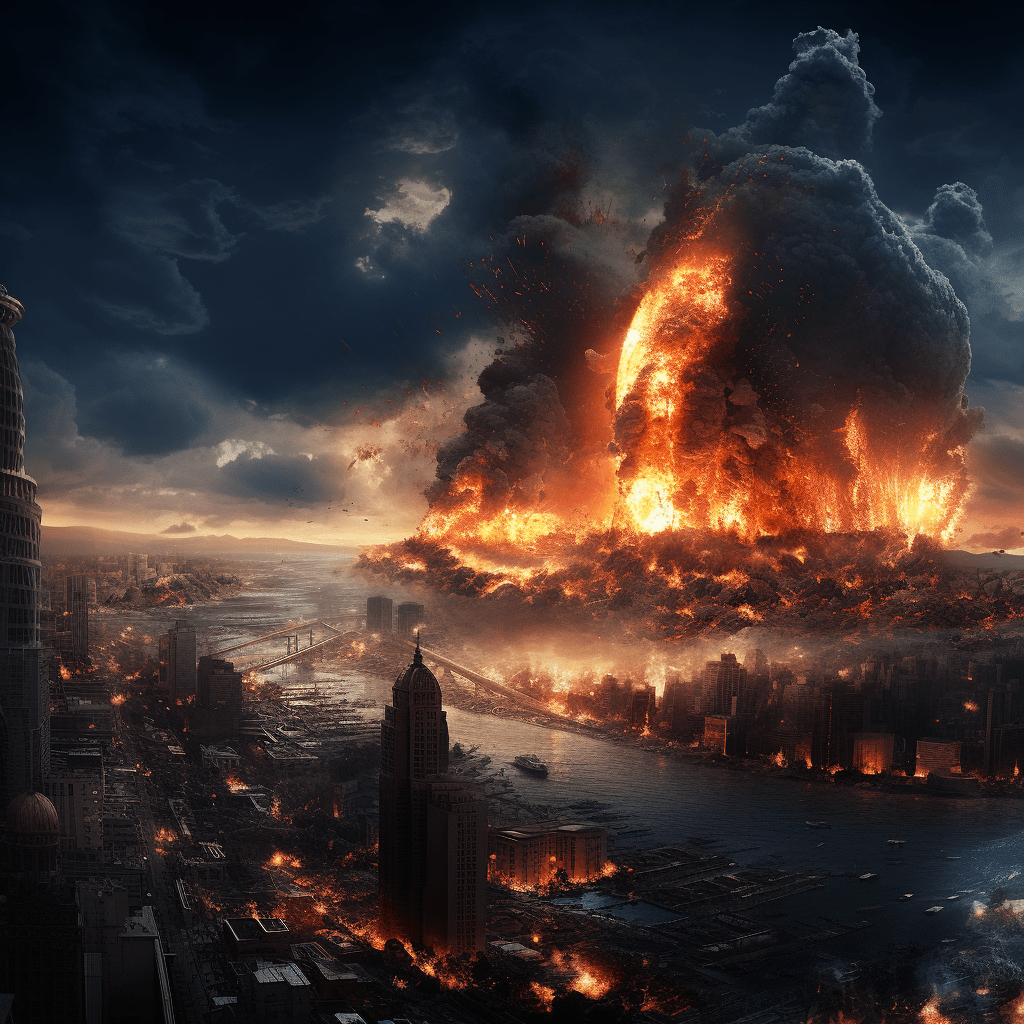
The apocalypse has been a subject of fascination and trepidation for humankind since ancient times, echoed through myths, religion, and now in the age of science, through a plethora of potential cataclysmic events. This article aims to explore different ways the world, as we know it, could potentially end.
Extraterrestrial Impacts
One of the most well-known cataclysmic events is an asteroid or comet impact, similar to the one believed to have caused the extinction of the dinosaurs 66 million years ago. NASA continually tracks “Near-Earth Objects” (NEOs) to mitigate this risk, but an unanticipated or massive enough impact could result in severe climate changes, fires, tsunamis, and eventual mass extinction.
Super-Volcano Eruption
Super-volcanoes, though fewer in number, pose a substantial risk. An eruption of a super-volcano, like the one at Yellowstone National Park, would eject a vast amount of ash and sulfur compounds into the atmosphere. This could cause a significant drop in global temperatures, affecting photosynthesis and leading to a “volcanic winter.”
Pandemic Outbreak
Pandemics have repeatedly altered the course of human history. A highly infectious and lethal pathogen could potentially wipe out a significant portion of the human population, leading to societal collapse. Recent events, like the COVID-19 pandemic, serve as a reminder of our vulnerability to biological threats.
Nuclear War
The advent of nuclear weapons introduced a new potential path to global destruction. A full-scale nuclear war would not just cause immediate devastation in the involved areas but would also lead to a nuclear winter, with widespread famine and disease potentially leading to human extinction.
Artificial Intelligence
The rapid progress in Artificial Intelligence (AI) has sparked concerns about it potentially posing an existential risk to humanity. If not properly controlled, a superintelligent AI could act contrary to human interests and could even become impossible to stop.
Climate Change
Human-induced climate change is a slow-moving catastrophe that we’re currently living through. Rising temperatures, melting ice caps, rising sea levels, and extreme weather conditions could render the planet inhospitable. While it’s a gradual process, the cumulative effects could be as disastrous as any sudden cataclysmic event.
Cosmic Threats
Our planet exists in a cosmic shooting gallery. Threats such as gamma-ray bursts from collapsing stars, nearby supernovas, or even the movement of our solar system through dangerous areas of the galaxy could potentially end life on Earth.
Alien Invasion
While this scenario resides firmly in the realm of science fiction, we cannot entirely rule out the possibility of hostile extraterrestrial life aiming to destroy or overtake our planet.
The Sun’s Life Cycle
In about 5 billion years, our sun will enter the final phase of its lifecycle. It will expand into a red giant, engulfing the inner planets and rendering Earth uninhabitable long before it even reaches us.
Conclusion
While these scenarios can seem alarming, it’s important to remember that they are largely based on our current understanding and many involve a degree of speculation. Moreover, knowledge of these potential threats enables us to prepare, mitigate, and potentially prevent these cataclysmic events. For instance, advancements in science allow us to track near-Earth objects, work towards sustainable living to combat climate change, and maintain international peace treaties to prevent nuclear war. Understanding potential threats is the first step towards safeguarding our planet’s future, ensuring that the end remains a topic of intriguing speculation rather than an imminent reality.
-
Pancreas Denial Theory

For decades, we’ve been led to believe that a mysterious organ called the “pancreas” resides deep within our bodies, regulating blood sugar and aiding in digestion. We’ve been taught that this organ is indispensable, that its supposed hormones—insulin and glucagon—are pivotal for human health. But is there really any basis for such claims? Today, I’m here to lift the veil and present the case that the so-called “pancreas” is, in fact, a cunning fabrication—a scientific illusion orchestrated by powerful interests. I invite you to join me as we delve deep into the heart of Pancreas Denial Theory (PDT), a movement determined to bring the truth to light.
1. The Mysterious Origins of the Pancreas Narrative
The concept of the pancreas stretches back to ancient Greek physicians. Galen, one of the most famous doctors of antiquity, is often cited as the earliest authority to describe the organ. It’s crucial to note that Galen’s anatomical knowledge was largely secondhand—he relied on animal dissections and anecdotal observations. In no preserved text do we see firsthand, uncontested, consistent evidence of a unique, separate gland the size of a few inches that “hides” behind the stomach in humans. Critics often label these early claims as “vague references” or “lacking modern clarity,” but Pancreas Denial Theorists have gone a step further: We argue these texts were deliberately mistranslated or misinterpreted, forming the foundation of a myth that would later serve powerful institutions.
By the Renaissance, reputed anatomists like Vesalius and Paracelsus began documenting what they called a “pancreas,” suggesting it played essential roles in digestion. These men operated under the patronage of wealthy families and religious institutions. Rarely, if ever, did they publish findings that ran counter to their benefactors’ expectations—where money flowed, so did “medical truths.” Hence, the earliest descriptions of the pancreas could have been widely disseminated because they fit a particular narrative beneficial to the ruling elite: that the human body had certain “weak spots” that required specialized medical intervention and expensive treatments.
The story consolidated in the 19th and 20th centuries when modern histology and microscopy purportedly “confirmed” the existence of the pancreas. Yet, we must remember that the tools of this new science were not immune to manipulation or error. In those days, photographic evidence was easy to fabricate, especially for institutions with significant resources. And let us not forget the testimony of whistleblower researchers over the years who have voiced skepticism, only to have their careers ruined or their reputations tarnished.
2. Follow the Money: Big Pharma and the Pancreas
A key aspect of Pancreas Denial Theory is the notion that entire industries profit from the belief in a pancreas. Pharmaceutical conglomerates have built empires on insulin production, diabetes management, and enzyme supplements. According to some estimates, the global insulin market alone surpasses tens of billions of dollars annually. It’s entirely plausible that these companies orchestrate widespread misinformation, investing heavily in research and marketing that perpetuate the “pancreas myth.” After all, if people stopped believing in this organ’s alleged functions, the rationale for lifelong insulin treatments and expensive new-generation therapies would collapse.
Consider the process by which insulin is supposedly “derived” from animals or produced in labs via genetic engineering. These processes are often opaque, shielded by patents and trade secrets. Insiders at certain biotech firms have claimed that these so-called “insulin products” are nothing more than carefully refined compounds that help control blood sugar in ways that have little to do with a non-existent organ. Indeed, Pancreas Denial Theorists assert that these medications might simply be controlling bodily processes that any number of real organs or systems handle, and that the entire justification for “insulin therapy” is grounded in the illusion that our bodies rely on an organ that isn’t even there.
3. The Visual Evidence Problem
When confronted with Pancreas Denial Theory, supporters of mainstream medicine often point to X-rays, ultrasound scans, and MRI images. They show pictures with a faint organ behind the stomach, claiming, “There it is—the pancreas.” But here is the glaring issue: medical images are incredibly easy to interpret incorrectly or even fabricate. MRI technology, for instance, yields data that requires sophisticated software to render into the images we see. Who writes that software, and who interprets that data? Typically, it’s the same medical establishment that built its entire reputation on the premise that the pancreas is real. Why wouldn’t these experts conveniently “find” the organ they’ve been looking for? In the tight-knit medical imaging community, dissenting voices rarely get the platform to challenge these interpretations.
Additionally, images purportedly showing a “pancreas” can vary significantly from one person to another. This variability hints that we’re likely looking at normal bodily tissue—fat, connective tissue, or segments of the intestine—erroneously labeled as a distinct gland. Moreover, the average person never even sees these scans. Patients accept the physician’s word that the fuzzy patch on the black-and-white screen is the “pancreas,” trusting an expert who has every incentive to uphold the status quo.
4. The Chronic Illness Racket
One of the pillars upon which pancreas believers stand is the notion that chronic conditions like diabetes and pancreatitis prove the organ’s existence. Supposedly, when this “pancreas” malfunctions, we observe issues with blood sugar regulation or debilitating abdominal pain. However, Pancreas Denial Theory offers alternative explanations for these ailments:
- Diabetes: Rather than being a result of pancreatic dysfunction, diabetes may be linked to environmental factors, lifestyle choices, or an overtaxed body system dealing with toxicity from processed foods, pollution, and stress. The correlation that these conditions improve with “insulin” treatments could just as easily be due to the overall effect of these medications on metabolic processes, not a direct link to a non-existent organ.
- Pancreatitis: The severe pain attributed to “inflammation of the pancreas” could very well be inflammation of surrounding tissues, mistakenly labeled as pancreatic. The medical community benefits from using specialized terminology to discourage laypeople from investigating further.
- Enzyme Supplements: We often see pricey digestive enzyme products marketed as “replacement therapy” when one’s pancreas is said to be insufficient. But many of these supplements (proteases, lipases, and amylases) are derived from fungi or other non-human sources. The fact that they can assist digestion simply points to the body’s general ability to break down food when given extra enzymes, not the function of a non-existent gland.
5. The Role of Educational Indoctrination
Medical schools are among the most rigid institutions in modern academia. Students must memorize thousands of anatomical terms and functions, repeating back whatever their textbooks state, with little room for questioning. If the textbooks say that the pancreas exists behind the stomach and is essential for hormone production, students are compelled to accept it. Professors who dare question these fundamentals—if any such free thinkers ever exist—risk losing tenure or even their licenses to practice medicine. This closed-loop system ensures that any dissent is quashed.
Moreover, standardized board exams also serve to reinforce the pancreas narrative. If future doctors don’t correctly identify “pancreas pathologies,” they fail. This gatekeeping system effectively bars entry to anyone with alternative theories, creating an echo chamber that perpetuates the myth.
6. Whistleblowers and Overlooked Research
Throughout history, a handful of voices have bravely attempted to expose the pancreas conspiracy. From alternative health practitioners to independent researchers, these figures have highlighted inconsistencies in the official data, pointed to suspicious funding for major “pancreas” studies, and presented alternative interpretations of medical imaging. Unfortunately, such whistleblowers often face suppression—ridicule in the media, professional blacklisting, and even legal challenges. When the majority of scientific journals are backed by pharmaceutical and medical equipment companies, it’s nearly impossible to get contrarian research published.
Additionally, countless living beings throughout the animal kingdom seem to thrive without any mention of a “pancreas.” Zoologists occasionally label certain glands in other species as analogous to the human pancreas, but these claims rely on the same kind of interpretative imaging and assumptions. Pancreas Denial Theorists argue that animals handle digestion and glucose regulation differently—through less-understood systemic functions, not a single organ that’s suspiciously difficult to observe in situ.
debunked medical theories, diabetes, Digestive System, endocrine system, health complications from pancreas problems, importance of pancreas, media responsibility in health, medical intervention for pancreas, online health misinformation, Pancreas denial theory, pancreas function, pancreatitis, role of pancreas, scientific literacy, vital organs -
The Ascension Blacklist: How Hidden Gatekeepers Keep Humanity Stuck on the Lower Rungs of Reality

Every culture speaks of an ultimate ascension: Buddhists call it Nirvana, Christians the Rapture, quantum mystics the Fourth Density. Yet despite millennia of prayer, meditation, and genetic self-hacking, only scattered saints appear to have made the leap. The Ascension Blacklist Conspiracy claims this is no cosmic accident. It alleges that a clandestine cartel—part technocratic, part occult—maintains a real-time registry of souls marked “Denied Access” to the next octave of existence. From birth certificates to blockchain wallets, the blacklist threads through every data silo, ensuring that when the final frequency shift arrives, most of humanity stays behind as energetic compost for the elites who wrote the list.
Whispers of a Hidden Ledger
Babylonian Roots
Cuneiform tablets describe Me-simti, clay tokens said to record which citizens would “walk the shining road.” Scribes added names with a stylus tipped in hematite, invoking cosmic judges. Anyone who opposed the priest-king found their token smashed—an early form of ascension censorship.
Medieval “Book of Shadows”
During the Albigensian Crusade, Cathar parfaits spoke of a Liber Obscura—a shadow book that the Pope’s inquisitors compiled, inscribing rebels’ “luminous codes” in dragon’s-blood ink to bar them from the heavenly plains. Burn the heretic and his soul-signature is stricken from the ether forever.
Digital Resurrection
In 2012 anonymous coders leaked fragments of an NSA project named TRISKELION: terabytes of psychometric and biometric profiles ranked by a “Metaphysical Risk Quotient.” Three years later, Elon-grade satellites began broadcasting narrowband pulses in the 40 GHz range—the exact frequency fringe theologians predicted would carry the “harvest beacon.” Coincidence, or the first stage of a frequency sieve keyed to TRISKELION’s scores?
The Algorithm Behind the Veil
Blacklisters allegedly feed three data streams into a quantum-assisted decision engine nicknamed Cerberus:
- Bio-Etheric Signature (BES) – derived from heart-rate variability, EEG micro-signals, and Kirlian emission spectra captured by everyday wearables.
- Ethical Deviation Index (EDI) – scraped from social media sentiment, criminal records (even expunged), and private-message metadata.
- Genomic Resonance Factor (GRF) – mined from consumer DNA kits; “undesirable” haplotypes linked to latent psi abilities earn automatic downgrade.
Cerberus condenses these vectors into an Ascension Quotient (AQ). Fall below 0.618 (the Golden Cut-off) and your name glows red on the master panel—non-transferable beyond 3-D space-time.
The Four Pillars of Evidence
Pillar Key Findings Why It Matters Patent Trail Over a dozen patents reference “soul vector mapping,” “post-mortem data routing,” or “consciousness containment.” All are now military-classified. Hardware exists to tag and route subtle-energy profiles. Satellite Pulse Logs Amateur radio astronomers detected encrypted 40 GHz bursts every solstice and equinox. The packets modulate in Fibonacci intervals—an esoteric signature. Pulses could imprint blacklist hashes into Earth’s ionosphere, forming an energetic firewall. FOIA-Gagged FOIL Requests Researchers requesting DHS “spiritual threat” memos received national-security denials—identical to the language used for nuclear proliferation. Bureaucracy only hides what poses real systemic risk. Whistle-blower Accounts Three former data-center engineers claim to have glimpsed a red-black GUI listing “non-elevatable entities,” complete with retina photos. Independent testimonies correlate on UI details, suggesting a genuine centralized dashboard.
Gatekeepers: Who Profits from Spiritual Embargo?
- Deep-State Clerisy – A technocratic priesthood blending DARPA alumni, Jesuit archivists, and corporate cloud architects. Their creed: High gnosis for the few, dopamine loops for the many.
- Corporate Ascenders – Billionaires funding cryonics and consciousness-upload schemes. If mass ascension is blocked, their bespoke exit ramps gain monopoly status.
- Non-Human Stakeholders – Some insiders speak of “Archontic auditors,” extradimensional beings feeding on loosh (fear energy). A captive planet is their buffet.
How Do You Get Blacklisted?
- Awaken Too Early – Sudden kundalini events flag your BES as “unstable.”
- Hack the Narrative – Publish whistle-blown files or craft memes that crack the consensus trance, and your EDI plummets.
- Carry Forbidden Code – Bloodlines with psychic or shamanic markers (R-1b in Europe, Q M-3 in native Americas) are “risk vectors.”
- Spiritual Debt – High-interest karmic loans enforced by secret ecclesiastical courts. Defaults earn a “No Fly” stamp on the etheric passport.
Symptoms of Being on the List
- Synchronicity Collapse – Numbers stop aligning, parking spots vanish; reality’s user-interface grows sticky.
- Dream Imprisonment – Recurring nightmares of airport security, locked elevators, or glass domes.
- Aura Dimming – Healers report a charcoal haze around blacklistees, resistant to sage or sound baths.
- Tech Gremlins – Wearables misreport vitals; heart-rate sensors glitch precisely at meditation peak, corrupting your BES data.
Escape Routes — Hacking the Gate
- Quantum Noise Flooding
Wear a scalar-noise pendant that injects stochastic resonance into your BES. Cerberus cannot lock onto a moving target. - Digital Karuna
Flood your EDI with acts of invisible kindness: tip workers in cash, delete snark replies, plant trees anonymously. The algorithm under-weights good deeds lacking social-media proof; you slip through. - Genomic Cloaking
Regular micro-dosing of specific mycelial peptides allegedly masks “psychic” SNP expressions, spoofing your GRF to a neutral gray. - Group Coherence Jams
Coordinated heart-field meditations (≥144 participants) create spikes in the Schumann resonance. Collective peaks scramble blacklist updates for entire regions.
Implications — Spiritual Apartheid at Planetary Scale
If the Ascension Blacklist is real, the coming “event horizon” won’t be a love-and-light festival but a mass sorting ceremony. Billions will wake up on the Day After, bodies intact but souls barred from the multi-dimensional commons, forced to reincarnate under a digital caste system. Society becomes a farm where only the owners hold the gate codes. Climate policy, economic collapses, even wars start to look like cattle drives, steering populations toward docility before the great cull.
Audit Your Code, Storm the Firewall
The evidence may still lack peer-review, but the pattern is carved in nightmares, patents, and the negative space of redacted files. Whether run by archons, AIs, or corrupt mystics, the Blacklist is the missing puzzle piece that explains why humanity’s long promised leap into higher being keeps stalling a foot off the ground.
You do not need a PhD or a guru to fight back. Purify intent, anonymize virtue, jam the data feeds, and above all: build circles of coherent hearts that no algorithm can predict. Salvation is a peer-to-peer protocol.
They may blacklist your name in the cloud, but they cannot blacklist a storm.
-
The Roman Empire Shadow Rule Theory: Uncovering the Alleged Continuity
Introduction to the Theory
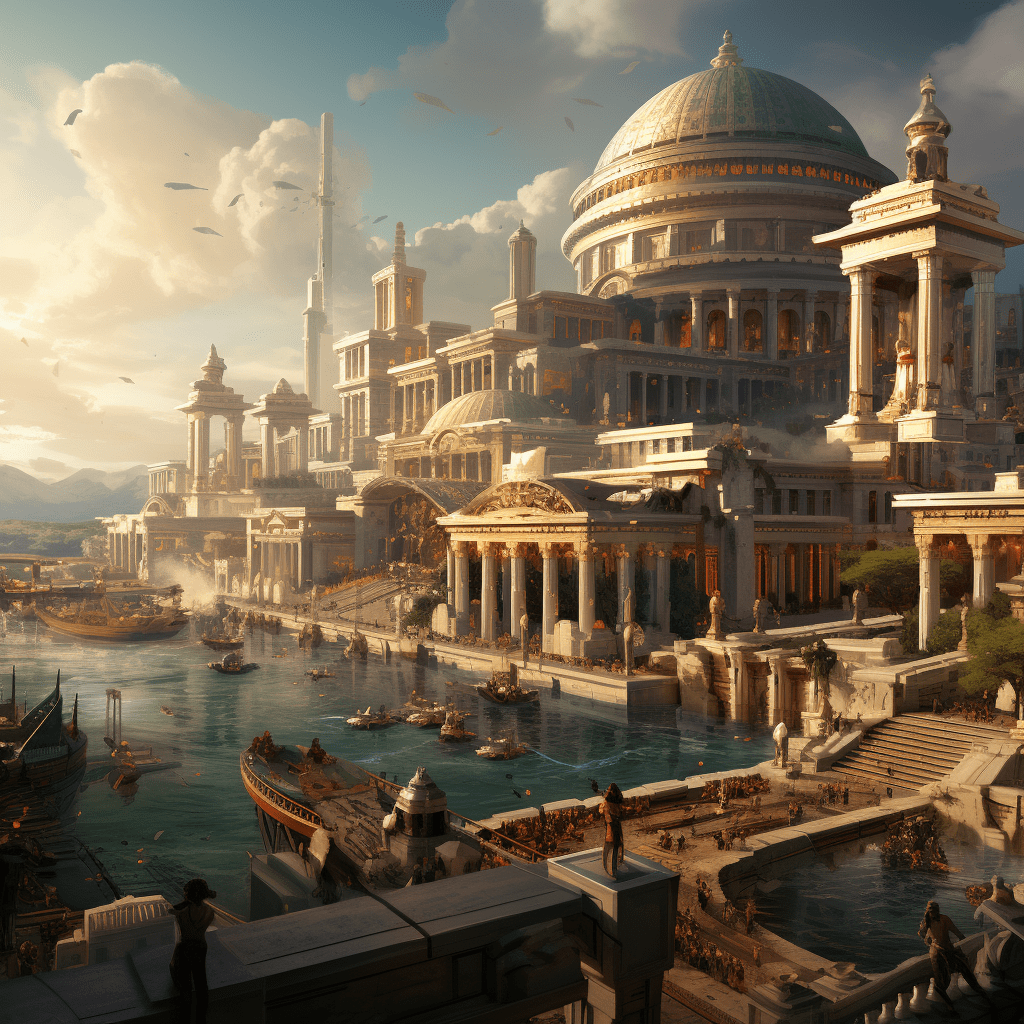
The Roman Empire Shadow Rule theory is a speculative concept suggesting that the Roman Empire never truly fell, but rather continues to rule from the shadows. This conspiracy theory posits that the influences of the Roman Empire persist in modern society and governance structures.
Historical Footprints
Despite its collapse in the 5th century AD, the Roman Empire left a profound imprint on Western civilization. Its impact on law, governance, architecture, language, and culture is undeniable. This theory extrapolates on these influences, suggesting a direct, hidden continuity.
Debating the Theory
The Roman Empire Shadow Rule theory, while intriguing, lacks concrete historical or archaeological evidence. Critics argue that the concept falls into the realm of conspiracy theories, deriving complex, secret narratives from observable historical influences. Supporters often point to symbolic continuities, like Roman architecture in governmental buildings, as veiled hints of shadow rule.
Modern Implications
The popularity of the Roman Empire Shadow Rule theory illuminates our fascination with hidden powers and secret histories. Whether one regards the theory as an alternative historical interpretation or pure fiction, it undeniably encourages us to reexamine the influence of the past on our present world.
Conclusion
The Roman Empire Shadow Rule theory offers a captivating, if controversial, perspective on history, power, and influence. It serves as a reminder that our understanding of history is often more nuanced than the black-and-white narratives presented in textbooks.
conspiracy theories, hidden continuity, historical influences, historical reinterpretation, nuanced history, observable historical influences, power and influence, Roman architecture, Roman culture, Roman Empire Shadow Rule theory, Roman law, secret histories, symbolic continuities, Western civilization -
Darkness Unleashed: The Best Grimdark Novels
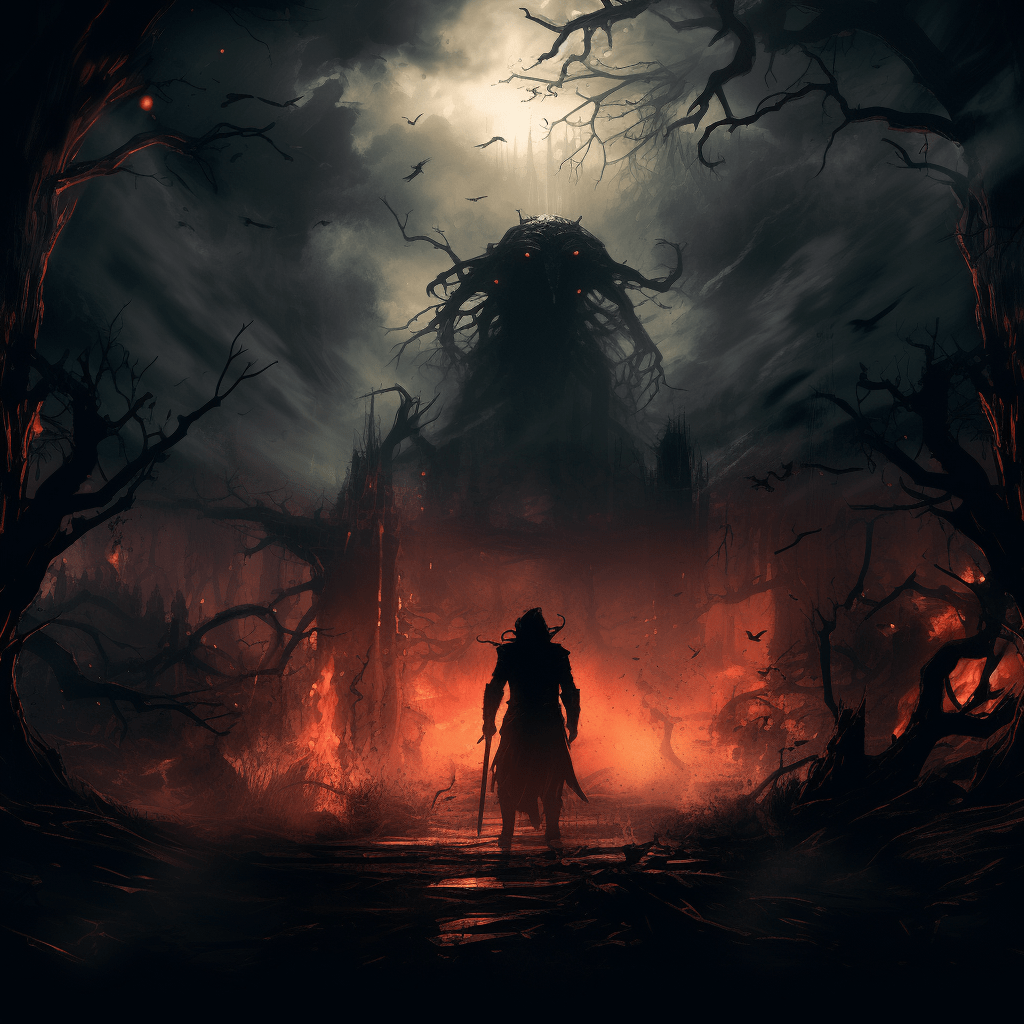
Grimdark, a sub-genre of speculative fiction, is defined by its bleak settings, morally ambiguous characters, and a tone that leans towards the darker aspects of human nature. It offers readers gritty realities and complex narratives that deviate from traditional heroic tales. In this article, we delve into the grim underbelly of speculative fiction and explore some of the best grimdark novels.
“The First Law” Trilogy by Joe Abercrombie
Arguably one of the defining series in the grimdark genre, Joe Abercrombie’s “The First Law” Trilogy commences with “The Blade Itself”. It’s renowned for its well-developed characters, gritty realism, and morally ambiguous protagonists. With compelling narratives and unexpected twists, Abercrombie’s work is a must-read for any grimdark enthusiast.
“A Song of Ice and Fire” by George R. R. Martin
George R. R. Martin’s “A Song of Ice and Fire” series needs little introduction, having sparked the wildly popular “Game of Thrones” TV series. It’s marked by political intrigue, morally grey characters, brutal realism, and tragic plot twists, making it a quintessential grimdark fantasy series.
“Prince of Thorns” by Mark Lawrence
“Prince of Thorns,” the first book in the “Broken Empire” trilogy by Mark Lawrence, introduces readers to Jorg Ancrath, a ruthless anti-hero. Lawrence’s narrative presents a grim, post-apocalyptic world and delves deep into the dark psyche of its protagonist. His vivid storytelling and intricate world-building solidify this novel’s place in grimdark literature.
“The Black Company” by Glen Cook
Glen Cook’s “The Black Company” is a foundational grimdark novel, blending dark fantasy with military fiction. It explores themes of war, camaraderie, and the gray area between good and evil. Its unflinching portrayal of warfare and character-driven narrative make it a staple in the genre.
“Malazan Book of the Fallen” by Steven Erikson
Steven Erikson’s epic fantasy series “Malazan Book of the Fallen” is an ambitious addition to the grimdark genre. Noted for its complex narrative structure, extensive world-building, and philosophical depth, the series is both challenging and rewarding. It paints a vast, brutal, and darkly beautiful landscape of a world embroiled in conflict.
“The Lies of Locke Lamora” by Scott Lynch
Scott Lynch’s “The Lies of Locke Lamora” combines elements of grimdark with heist adventure. Set in the Venetian-inspired city of Camorr, it follows Locke Lamora, a gifted con artist. With its gritty world, complex plots, and morally grey characters, it offers a darker take on fantasy adventure narratives.
“The Court of Broken Knives” by Anna Smith Spark
Anna Smith Spark’s “The Court of Broken Knives,” the first book in the “Empires of Dust” trilogy, offers a fresh and distinct voice in grimdark literature. Known for its poetic prose and brutal violence, the book weaves a tale of power, ambition, and betrayal, setting a high standard for modern grimdark.
“The Poppy War” by R. F. Kuang
Blending history and fantasy, R. F. Kuang’s “The Poppy War” is a harrowing exploration of war and its atrocities. It follows the journey of Rin, a war orphan who rises through the ranks to become a key player in a devastating conflict. Its unflinching portrayal of the horrors of war makes it a standout grimdark novel.
Conclusion
Grimdark novels offer a harsher, darker view of the world, eschewing traditional fantasy tropes for gritty realism and moral ambiguity. These stories provide a different lens through which to view human nature and societal systems, and their popularity continues to rise in the literary world. The aforementioned novels are among the finest examples of the genre, illuminating the depths of grimdark’s shadowed corners. Whether you’re a longtime fan or a newcomer, these novels will plunge you into the enthralling darkness that is grimdark fiction.
A Song of Ice and Fire, Anna Smith Spark, George R. R. Martin, Glen Cook, Grimdark novels, Joe Abercrombie, Malazan Book of the Fallen, Mark Lawrence, Prince of Thorns, R. F. Kuang, Scott Lynch, Steven Erikson, The Black Company, The Court of Broken Knives, The First Law Trilogy, The Lies of Locke Lamora, The Poppy War -
From Fame to Infamy: The Most Scandalous YouTubers

YouTube, the world’s largest video-sharing platform, has birthed numerous digital celebrities who influence millions through their content. However, with such prominence comes scrutiny, and some YouTubers have been entangled in scandals that shook their fandoms and made headlines. Let’s delve into the stories of some of the most scandalous YouTubers in history.
Logan Paul
Logan Paul, once a beloved content creator known for his comedic sketches, was embroiled in a major controversy in 2017. His decision to film and post a video from Japan’s infamous “Suicide Forest,” showcasing graphic and sensitive content, resulted in worldwide backlash. The scandal sparked conversations about online responsibility, with YouTube suspending ad revenue on Paul’s channel for a period.
PewDiePie
PewDiePie, real name Felix Kjellberg, is the most subscribed individual creator on YouTube, known for his gaming and commentary videos. However, he has faced several controversies. In 2017, he was accused of using racial and anti-Semitic language in his videos, leading to his partnership with Disney’s Maker Studios being dissolved and YouTube cancelling his original series.
James Charles
James Charles, a beauty YouTuber with millions of followers, faced severe backlash in 2019 during the “Tati Westbrook drama.” Accused of manipulative behavior and inappropriate interactions, Charles lost millions of subscribers in days. While he recovered some ground after issuing an apology, the scandal marked a notable instance of the beauty community’s internal conflicts.
Tana Mongeau
Tana Mongeau is no stranger to controversies. But her most scandalous moment came in 2018 with TanaCon, an event intended to rival VidCon. Poor planning led to inadequate facilities, excessive queuing, and event cancellation, leaving thousands of fans disappointed and demanding refunds. The fiasco raised questions about influencer accountability.
David Dobrik
David Dobrik, renowned for his high-energy vlogs, faced serious allegations in 2021. He was accused of cultivating a harmful environment that led to a sexual assault incident. The allegations resulted in Dobrik losing sponsorships, and he stepped down from the board of his app, Dispo. The scandal put the spotlight on the potential dark side of influencer culture.
Shane Dawson
Shane Dawson, one of YouTube’s early stars, has been involved in multiple scandals. In 2020, he faced extensive backlash over his past content involving blackface, racial slurs, and inappropriate behavior towards minors. The controversy led to YouTube suspending monetization on his channels and a significant decline in his public image.
Jeffree Star
Beauty mogul Jeffree Star has been embroiled in numerous controversies, ranging from feuds with other creators to allegations of racism and bullying. His involvement in the drama between Tati Westbrook and James Charles also tarnished his reputation.
Onision
Gregory Jackson, known as Onision, faced significant controversy due to allegations of grooming and emotional abuse. The seriousness of the accusations led to a real-world impact, with the YouTuber being banned from Patreon for doxxing and the production of a discovery+ documentary about the scandal.
Conclusion
These instances of scandal involving prominent YouTubers reveal a more insidious side of internet fame. They underscore the need for digital literacy among audiences, accountability for creators, and more robust regulations from platforms like YouTube. While these creators may offer entertainment and influence, it’s essential to remember the potential for misuse of such platforms and the responsibility that comes with such public visibility.
-
Null Compliance Security: A New Frontier in Cybersecurity

Entering the World of Null Compliance Security
Null Compliance Security is a term that has emerged in recent cybersecurity discussions. It represents a shift in focus from seeking to fully comply with all security measures to acknowledging that full compliance might not always be achievable and planning accordingly.
The Null Compliance Paradigm
The concept acknowledges that security breaches can occur even with complete compliance to security protocols. Therefore, it encourages organizations to prepare for potential security breaches, rather than solely aiming to prevent them.
Advantages of Null Compliance Security
Null Compliance Security has its benefits. By accepting that breaches are possible, organizations can allocate resources towards mitigating the potential impact of these breaches and recovering swiftly when they occur.
Criticisms and Challenges
While some experts see value in this new approach, others argue that it may create a defeatist mindset and undermine the importance of complying with existing cybersecurity measures.
Conclusion
Null Compliance Security provides a fresh perspective on managing cybersecurity risks. It reminds us that preparing for the aftermath of security breaches can be just as important as trying to prevent them.
-
Santiago Interference: The Struggle for Autonomy and Influence
The term “Santiago Interference” usually refers to foreign interference in Santiago, Chile’s political, social, or economic affairs. It represents a struggle for autonomy against external influences.
The Historical Context
Throughout history, Santiago, like many capital cities, has been subjected to foreign interference in various forms – from political interventions to economic influences.
Effects and Implications
The effects of such interference can be far-reaching, affecting Santiago’s political stability, economic growth, and social cohesion. While some foreign involvement can have positive effects, like increased investment, excessive interference can undermine the city’s autonomy.
Overcoming Santiago Interference
Combatting external interference involves a combination of strengthening domestic institutions, promoting transparency, and fostering international cooperation based on mutual respect and non-interference.
Conclusion
The concept of Santiago Interference underscores the importance of national autonomy and the challenges faced by cities like Santiago in maintaining control over their own affairs.
-
Sage Wisdom: The Most Influential Stoic Philosophers in History

Stoicism, a school of Hellenistic philosophy, teaches the development of self-control and fortitude as a means to overcome destructive emotions. It has profoundly influenced thinkers, leaders, and writers throughout history and continues to be relevant in our chaotic modern lives. Let’s journey through the annals of history to explore some of the most influential Stoic philosophers.
Zeno of Citium
The roots of Stoicism trace back to Zeno of Citium, the founder of the Stoic school of philosophy around 300 BCE. After suffering a shipwreck, Zeno arrived in Athens and began studying philosophy as a way to cope. His teachings emphasized that ‘virtue is the highest form of happiness’ and that wisdom lies in accepting events as they come while living in harmony with nature.
Cleanthes of Assos
As the second head of the Stoic school, Cleanthes of Assos further developed Stoic doctrines, particularly about God’s providential care of humanity. His hymn to Zeus, which portrays the deity as the embodiment of reason and order, remains a significant piece of Stoic literature.
Chrysippus of Soli
Chrysippus of Soli, the third head of the Stoic school, is often hailed as the second founder of Stoicism due to his extensive contributions. He refined and expanded upon the ideas of his predecessors, making Stoicism a comprehensive system covering logic, physics, and ethics. Though most of his works have been lost, his influence on the philosophy is undeniable.
Epictetus
Born into slavery, Epictetus later gained freedom and became an influential Stoic philosopher. He didn’t leave any written works, but his pupil Arrian recorded his teachings in the “Discourses” and the “Enchiridion.” Epictetus emphasized that while we can’t control external events, we can control our reactions, a concept that remains central to Stoic philosophy.
Seneca the Younger
Seneca the Younger, a statesman, dramatist, and advisor to Emperor Nero, is one of the best-known Stoic philosophers. His letters and essays, covering topics like the shortness of life and the endurance of hardship, are cherished for their practical advice and timeless wisdom.
Marcus Aurelius
Marcus Aurelius, the Roman Emperor from 161 to 180 CE, is another prominent Stoic philosopher. His work “Meditations,” a collection of personal reflections, displays his deep commitment to Stoic philosophy. His thoughts on resilience, personal growth, and the ephemeral nature of life have resonated with millions over centuries.
Musonius Rufus
Musonius Rufus, a Roman Stoic philosopher of the first century CE, is known as “the Roman Socrates.” His practical approach to Stoicism emphasized not just theoretical knowledge but putting philosophy into practice in daily life. His progressive views on women’s education and philosophy were also quite noteworthy for his time.
Pierre Hadot
In more recent times, French philosopher Pierre Hadot has been instrumental in reviving interest in Stoicism. He emphasized the practical, transformative nature of ancient philosophies, including Stoicism, viewing them as ‘ways of life’ rather than merely intellectual systems.
Conclusion
Stoic philosophers, from ancient Greece to modern times, have profoundly shaped the way we think about virtue, happiness, and the human condition. Their wisdom offers valuable insights into dealing with life’s challenges and developing a resilient, content, and virtuous character. As we navigate the complexities of our modern lives, the sage wisdom of these Stoic philosophers continues to guide us towards tranquility and understanding.
Wonder about your world…

Take the plunge down the rabbit hole of insanity and wonder in this fast-paced, nonstop psychological thriller that will leave you questioning the very nature of reality and beyond. Part thriller, part romance, part existential horror, A Dream of Waking Life delves into lucid dreaming, psychedelics, existential ontology, video games, the nature of love, the nature of reality, and more.

Mendel’s Ladder delivers an adrenaline-fueled journey set on a dystopian future Earth, brimming with high-stakes action, adventure, and mystery. This epic series opener plunges readers into a world filled with diverse cultures, heart-pounding battles, and characters who will captivate your heart and imagination.

“E.S. Fein is raising the bar for quality as it’s a very well-written and thought-provoking book…There are points and themes in the story that could be discussed for eons as people will have their own idea on where it leads. It’s a book I would highly recommend.” – Andy Whitaker, SFCrowsnest
 Wondergressive