-
Eerie Echoes: A Journey Through the Most Haunted Places in the World
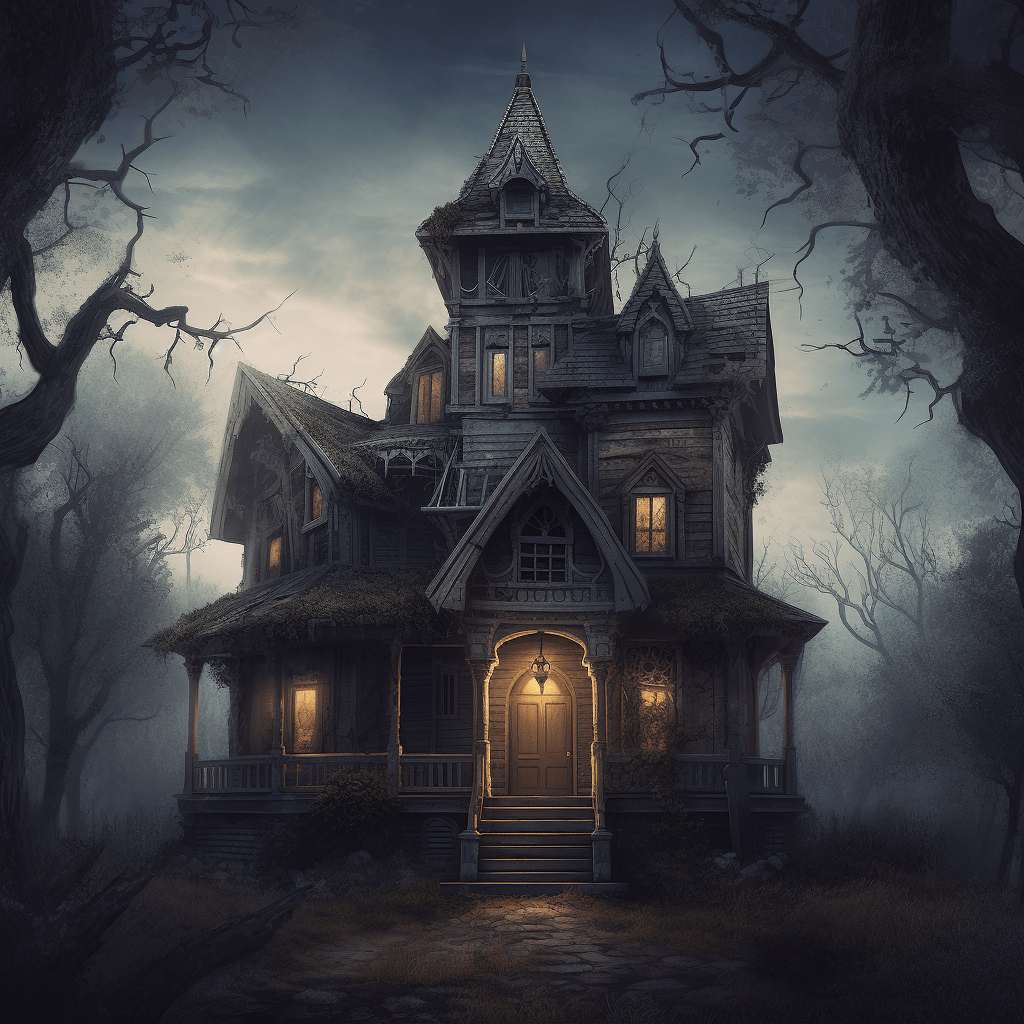
Beyond the comforting light of day and the familiar hum of ordinary life, an ethereal realm of the supernatural persists. Haunted places—castles, hospitals, and houses alike—mark every corner of the globe, offering chilling tales and spectral encounters that defy rational explanation. This article will escort you on a thrilling exploration of the most haunted places on earth.
II. The Tower of London, England
Rich in history and grizzly tales, the Tower of London is reputed to house numerous phantoms. The most famous is Anne Boleyn, the beheaded wife of King Henry VIII, who has been spotted carrying her head underneath her arm. From mournful queens to forgotten prisoners, the Tower’s stones whisper with tales of the past.
III. The Queen Mary, United States
Anchored in Long Beach, California, this retired ocean liner has taken a new life as a hotel—and a haunted hotspot. From shadowy figures and ghostly apparitions in the engine room to aquatic spirits in the former first-class swimming pool, the Queen Mary’s spectral residents offer an eerie maritime tale.
IV. Eastern State Penitentiary, United States
In Philadelphia, Pennsylvania, the crumbling structure of the Eastern State Penitentiary casts a gloomy shadow. Once housing the infamous gangster Al Capone, its chilling past as a correctional facility has led to numerous reports of ghostly figures, disembodied laughter, and echoing voices from vacant cells.
V. Poveglia Island, Italy
Dubbed as one of the most haunted places on earth, Poveglia Island was a quarantine station for plague sufferers and later a mental hospital. The chilling cries and screams reported here bear testament to the island’s tragic past.
VI. Aokigahara Forest, Japan
Also known as the Sea of Trees, Aokigahara Forest at the base of Mount Fuji is infamous for its paranormal activity. The dense forest is eerily quiet, and Japanese mythology associates the area with demons. Some claim to see apparitions, while others report a feeling of being watched.
VII. Ancient Ram Inn, England
This ancient building is known as one of England’s most haunted. Built on a pagan burial ground, it has a sinister reputation with sightings of numerous spirits including a witch burned at the stake, ghostly children, and even a succubus.
VIII. The Banff Springs Hotel, Canada
Tucked away in the Canadian Rockies, the Banff Springs Hotel offers more than just breathtaking views. It is known for several resident ghosts, including a former bellman, Sam McAuley, and the “Doomed Bride” who supposedly died tragically on her wedding day.
IX. The Island of the Dolls, Mexico
In Xochimilco, Mexico City, lies an island adorned with hundreds of mutilated dolls. The island’s former caretaker, Julian Santana Barrera, hung them to appease the spirit of a drowned girl. Today, visitors recount dolls blinking their eyes or moving their limbs.
X. Conclusion
From spectral inmates in abandoned prisons to wandering spirits in historical buildings, these places serve as chilling reminders of the past, interweaving history with the supernatural. Whether or not one believes in the paranormal, it’s difficult to dismiss the unsettling aura that surrounds these places.
The lore and legends born out of these haunted places narrate a compelling side of our cultural history. They create an intriguing, albeit eerie, tourism niche that invites thrill-seekers and ghost hunters alike to explore the uncanny side of our world.
-
The Silent Assassins: A Study of the World’s Most Poisonous Plants

The natural world is a paradoxical blend of beauty and danger. Amidst its vibrant blooms and lush greenery lurk silent killers – plants that bear some of the most potent poisons known to man. This exploration delves into some of the world’s most toxic plants, revealing the lethal secrets they hold within their stunning exteriors.
II. Deadly Nightshade (Atropa belladonna)
The ominous name “Deadly Nightshade” immediately hints at this plant’s lethal potential. A native of Europe, North Africa, and Western Asia, it’s imbued with the poison atropine. The plant’s shiny black berries, bearing a deceptive sweetness, can sedate, paralyze, and even cause death.
III. Rosary Pea (Abrus precatorius)
Famed for its vibrant, bead-like seeds, the Rosary Pea is used in many cultures for jewelry. However, these attractive seeds pack a lethal punch. They contain abrin, a poison so deadly that a single seed can kill if its hard outer layer is broken and the poison ingested or inhaled.
IV. Oleander (Nerium oleander)
The Oleander, with its lovely pink or white blooms, is a staple in ornamental gardens worldwide. Every part of the plant, however, carries a toxin called oleandrin, which can cause an array of symptoms from nausea and dizziness to heart complications and death.
V. Water Hemlock (Cicuta)
Deemed North America’s most poisonous plant, Water Hemlock is infamously lethal. Its poison, cicutoxin, affects the central nervous system, provoking seizures and potentially leading to respiratory failure and death.
VI. Castor Oil Plant (Ricinus communis)
The Castor Oil Plant offers a dual nature – its oil has been used for medicinal purposes for centuries, but its seeds harbor a deadly secret. They contain ricin, a poison so potent that it was infamously used in the 1978 ‘umbrella murder’ of Bulgarian journalist Georgi Markov.
VII. White Snakeroot (Ageratina altissima)
White Snakeroot’s claim to fame lies in American history. Its toxin, tremetol, was responsible for the death of Abraham Lincoln’s mother, Nancy Hanks Lincoln. When ingested by cattle and passed into milk and meat, it can cause milk sickness in humans, which can be lethal without treatment.
VIII. Datura (Datura stramonium)
Also known as Jimson Weed, Datura is a potent hallucinogen and poison. All parts of the plant contain tropane alkaloids, toxins capable of inducing delirium, hallucinations, and an array of physical symptoms. Deaths often result from accidental ingestion and misuse due to its hallucinogenic properties.
IX. Suicide Tree (Cerbera odollam)
Native to India and other parts of Southern Asia, the Suicide Tree earns its morbid name from the use of its toxins in suicides and murders. Its fruit contains cerberin, a poison that disrupts heart function, often leading to death.
X. Manchineel (Hippomane mancinella)
This tree, found in the tropical regions of the Americas, is labeled as one of the most dangerous in the world. All parts of the Manchineel are extremely poisonous. Its sap can cause skin blisters, and eating its small, apple-like fruit can lead to severe throat and mouth burning, nausea, vomiting, and potentially fatal complications.
XI. Giant Hogweed (Heracleum mantegazzianum)
Native to the Caucasus region, Giant Hogweed has become an invasive species in many parts of North America and Europe. Contact with its sap, in combination with sunlight, can cause ‘phytophotodermatitis’, a severe skin inflammation. This can result in blistering, long-lasting scars, and if the sap reaches the eyes, it can cause temporary or even permanent blindness.
XII. Belladonna Lily (Amaryllis belladonna)
Despite its attractive pink flowers, the Belladonna Lily contains a potent cocktail of alkaloids throughout the plant, especially in the bulb. Ingestion can lead to a variety of symptoms ranging from vomiting and diarrhea to tremors, seizures, and hypotension.
XIII. Conclusion
These potent plants serve as potent reminders of the duality of nature. Beautiful yet deadly, they are emblematic of the inherent dangers that can lie beneath surface appearances. While their lethal characteristics are fearsome, these plants are also invaluable resources for scientific and medical research, providing us with critical insights into toxicology, treatments, and antidotes. But their potential must be approached with respect and caution, for their silent, unassuming threat can lead to devastating consequences.
Understanding the nature of these plants underscores the importance of biodiversity and highlights the many complexities of the ecosystems that we are a part of. As we delve deeper into the heart of our flora, we uncover a world that is as perilous as it is enchanting, reminding us of the fine line between beauty and danger in the natural world.
Abrus precatorius, Ageratina altissima, Amaryllis belladonna, Atropa belladonna, Belladonna Lily, Castor Oil Plant, Cerbera odollam, Cicuta, Datura, Datura stramonium, Deadly Nightshade, Giant Hogweed, Heracleum mantegazzianum, Hippomane mancinella, Manchineel, nature's silent killers, Nerium oleander, Oleander, plant toxicity, poisonous plants, Ricinus communis, Rosary Pea, Suicide Tree, Water Hemlock, White Snakeroot -
Celestial Beings and Infernal Spirits: The Angels and Demons of the Bible

Among the myriad spiritual entities that populate the biblical cosmos, angels and demons command a particularly prominent presence. They serve as celestial emissaries and infernal servants, embodying the spiritual struggle between good and evil. This expanded exploration of the biblical angels and demons delves into their classifications, roles, and the mystical lore surrounding each of them.
II. The Heavenly Host: Angels
Angels, in biblical accounts, are agents of God, playing various roles from divine messengers to heavenly warriors. Scholars often refer to a hierarchy of angels, influenced by texts like Pseudo-Dionysius the Areopagite’s “Celestial Hierarchy” and various biblical references.
A. Seraphim
In the celestial hierarchy, the Seraphim are often placed at the pinnacle. Their name means “the burning ones,” indicative of their fiery passion for serving God. In Isaiah’s account, they are depicted as six-winged beings endlessly praising God.
B. Cherubim
Cherubim hold a significant place in biblical angelology. These entities are seen as guardians of sacred spaces, from Eden to the divine throne. Ezekiel’s description of Cherubim presents a complex, multifaceted image with multiple faces and wings.
C. Thrones
Thrones, or Ophanim, are symbolically linked to divine justice and authority. Known for their unusual description, they are portrayed as wheels within wheels, covered in eyes.
D. Dominions
Dominions, also known as Dominations or Lordships, are said to regulate the duties of lower angels. They are understood to be divine bureaucrats, managing the cosmos on God’s behalf.
E. Virtues
The Virtues, also known as Strongholds or Powers, are linked to grace and blessings. They are believed to bestow blessings upon the Earth and are associated with miracles.
F. Powers
The Powers, or Authorities, are often seen as the divine military. They defend the cosmos against demonic entities and maintain the divine order.
G. Principalities
Principalities, also known as Rulers or Princedoms, are seen as protectors of nations, kingdoms, and cities. They are often depicted wearing a crown and carrying a scepter.
H. Archangels
Archangels are perhaps the most recognized among the angelic orders. They act as God’s chief messengers and warriors. The most famous are Michael, known as a heavenly warrior, and Gabriel, God’s principal messenger.
I. Angels
The “regular” angels form the lowest rung of the angelic hierarchy. Despite their lower rank, they play vital roles as divine messengers, protectors, and agents of God’s will on Earth.
III. The Infernal Hierarchy: Demons
The Bible presents demons as the fallen angels who followed Lucifer in a rebellion against God. They now serve as agents of chaos, temptation, and evil.
A. Satan (Lucifer)
Satan, formerly known as Lucifer, is the figurehead of evil in biblical narratives. Cast out from Heaven due to his pride and rebellion, he tempts humans to sin and acts as the primary antagonist to God’s plans.
B. Beelzebub
Once a Philistine deity, Beelzebub is depicted in the New Testament as a prominent demon. He is often identified as the ‘prince of demons’ and in some accounts is equated with Satan himself.
C. Asmodeus
Asmodeus, introduced in the Apocryphal Book of Tobit, is a demon associated with lust and twisted desire. He famously attempted to sabotage the marital bliss of Sarah by killing her seven successive husbands.
D. Legion
Legion is a unique entity in biblical demonology, representing a multitude of demons inhabiting a single body. The term originates from a biblical account in which Jesus exorcises a horde of demons from a man who identifies himself as ‘Legion,’ for they are many.
E. Unclean Spirits
Unclean Spirits form the rank-and-file of the demonic world. According to biblical accounts, these spirits can cause various afflictions, both physical and mental, and can possess individuals, necessitating exorcism.
F. Demons of the Seven Deadly Sins
Various traditions and apocryphal texts identify specific demons associated with the Seven Deadly Sins: Lucifer (Pride), Mammon (Greed), Asmodeus (Lust), Leviathan (Envy), Beelzebub (Gluttony), Satan (Wrath), and Belphegor (Sloth).
G. False Gods and Idolatrous Demons
Throughout the Bible, many foreign gods and entities worshiped by non-Israelite peoples are portrayed as demons. Baal, Moloch, and Dagon are among these, associated with false worship and idolatry.
IV. Conclusion
The biblical cosmos teems with a vast array of spiritual beings, each playing its part in the cosmic drama of good versus evil. The complex hierarchy of angels serves to uphold God’s divine order, while the myriad demonic entities strive to sow chaos and strife. Understanding these celestial and infernal beings adds depth to the biblical narratives and offers a more profound insight into the spiritual underpinnings of these ancient texts.
This exploration, however, merely scratches the surface. The lore and mysteries surrounding angels and demons extend far beyond the confines of this article and continue to inspire awe, intrigue, and a quest for understanding among scholars, believers, and curious minds alike.
-
The Indomitable Titans: Exploring the World’s Hardest Materials
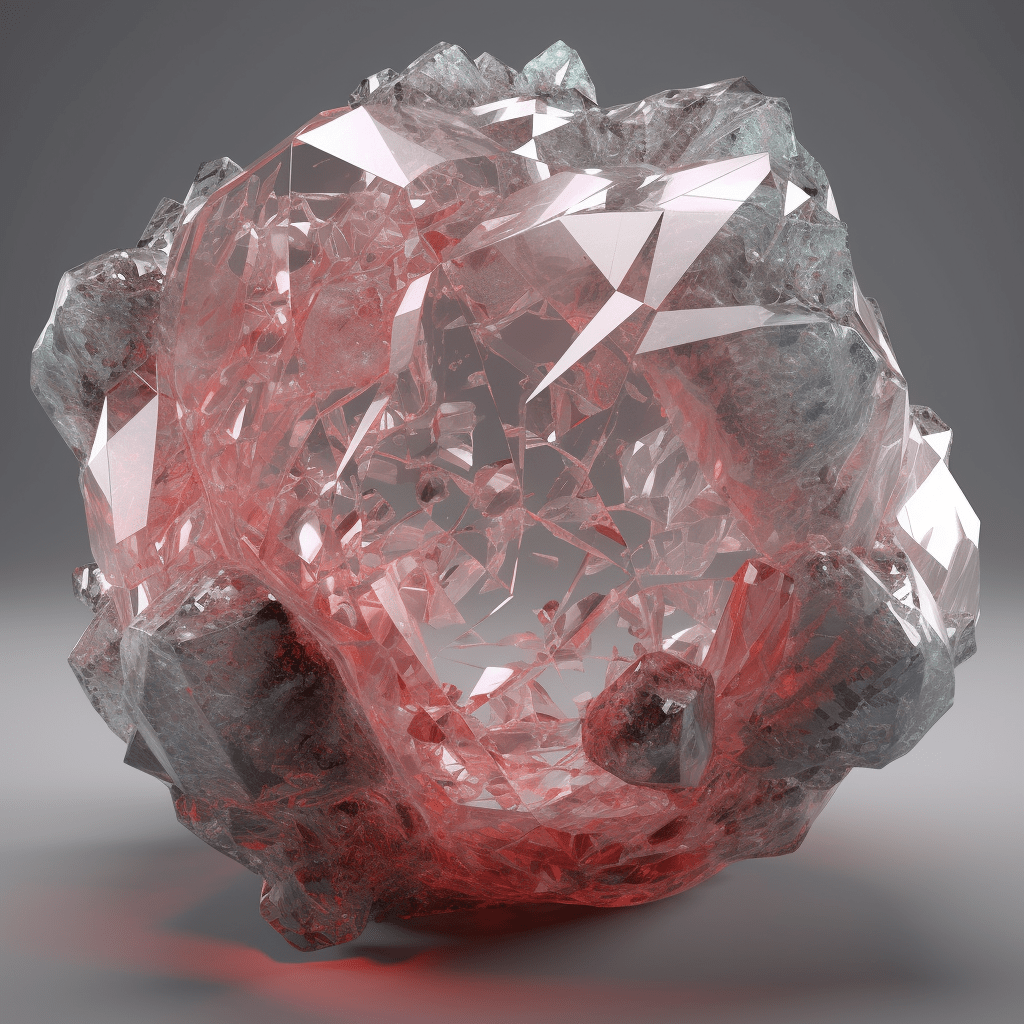
Humans have always been fascinated by the hard and the enduring, from towering mountain ranges to precious gemstones. This fascination transcends aesthetic appeal, delving into realms of scientific exploration and technological advancement. With each generation, we have developed and discovered increasingly robust materials. This article journeys into the fascinating world of the hardest materials known to man, from natural wonders to synthesized marvels.
Topping the list is the famed diamond, celebrated not just for its brilliance and beauty but also for its incredible hardness. Comprising carbon atoms arranged in a crystal lattice structure, diamonds are renowned for their hardness, scoring a perfect 10 on the Mohs hardness scale. Their impressive hardness and thermal conductivity make them invaluable in industrial applications, from cutting tools to high-performance bearings.
However, the quest for the hardest material did not stop at the diamond. Scientists have synthesized several materials harder than a diamond. One such substance is aggregated diamond nanorods (ADNRs), produced under high pressure and temperature by compressing fullerene, a molecule composed of 60 carbon atoms. ADNRs are 11% harder than diamond, offering significant potential for industrial applications.
Wurtzite boron nitride (w-BN) and lonsdaleite, a hexagonal diamond, are other contenders for the title of the hardest material. These substances are 18% and 58% harder than diamond, respectively. Both are formed under incredible pressure, with lonsdaleite typically created when meteorites containing graphite strike the Earth. However, producing these materials in large enough quantities for practical use remains a challenge.
Moving beyond the world of carbon-based materials, another ultra-hard substance is boron carbide. Known as ‘black diamond,’ boron carbide is third in line to diamond and cubic boron nitride in terms of hardness. It’s used in body armor, grit blasting nozzles, and even in nuclear reactors.
Another remarkably hard material is osmium, a dense metal with a bluish-white color. It’s the hardest metal in existence and also the densest. With its high melting point and resistance to wear, osmium finds use in electrical contacts and fountain pen tips, among other applications.
Rhenium diboride, a synthetic superhard material, is also worth mentioning. Notable for its high hardness, it can be synthesized at ambient pressure, making it easier and more cost-effective to produce than some other superhard materials.
In the quest for the hardest material, one must not forget the intriguing case of graphene, a single layer of carbon atoms arranged in a two-dimensional honeycomb lattice. Although not a ‘hard’ material in the traditional sense, its remarkable tensile strength – it’s about 200 times stronger than the strongest steel – puts it in a league of its own.
Looking to the future, one exciting area of research lies in the development of metamaterials – materials engineered to have properties not found in nature. By manipulating matter on a nano scale, scientists can design metamaterials with customized hardness, elasticity, or other properties. This field holds enormous potential for creating ultra-hard materials that can withstand extreme conditions.
In conclusion, the world of the hardest materials is a captivating realm of natural wonder and human ingenuity. The unending quest to develop ever-harder materials has important implications for various industries, including manufacturing, construction, and space exploration. Each new discovery not only pushes the boundaries of our scientific knowledge but also paves the way for technological advancements that could transform our world. As we continue to explore and innovate, who knows what extraordinary materials we might uncover in the years to come.
-
Into the Shadows: Exploring the Dark Side of the Moon

The moon, our celestial neighbor, has captivated humanity for millennia. Its gentle glow has inspired poetry, music, and countless tales. While its radiant face is familiar to us, the moon’s far side – often referred to as the “dark side” – remains shrouded in mystery. This article uncovers the fascinating aspects of the moon’s dark side, highlighting the scientific endeavors aimed at exploring this uncharted lunar territory.
Contrary to popular belief, the term “dark side of the moon” is a misnomer. The moon’s far side isn’t perpetually dark; it receives as much sunlight as the side facing Earth. The term originated due to the moon’s synchronous rotation, which ensures that the same side faces Earth at all times. Consequently, the far side remained unseen and, in a sense, “dark” to us until spacecraft could capture images from lunar orbit.
The first images of the lunar far side came from the Soviet Luna 3 mission in 1959. These pictures revealed a landscape dramatically different from the familiar face of the moon. The far side is heavily cratered, with a rough, mountainous terrain. In contrast, the near side exhibits large, smooth basaltic plains known as maria. The reasons for this dichotomy have puzzled scientists for decades.
One theory posits that the moon’s crust is thicker on the far side, preventing the formation of maria. This hypothesis is supported by data from NASA’s Gravity Recovery and Interior Laboratory (GRAIL) mission, which mapped the moon’s gravitational field and provided evidence for a thicker crust on the far side. However, why the crust is thicker there is still an open question.
The absence of maria means fewer dark spots, making the far side brighter and an ideal location for radio astronomy. The moon’s body shields the far side from Earth’s radio noise, allowing for clearer observations of the cosmos. In fact, China’s Chang’e-4 mission landed a rover on the far side in 2019 to conduct low-frequency radio astronomical studies, among other research endeavors.
Intriguingly, the dark side of the moon is also the site of one of the largest known impact craters in the solar system, the South Pole-Aitken basin. This gigantic depression extends about 2,500 kilometers in diameter and 13 kilometers in depth. The colossal impact that created this basin has provided scientists with a natural drilling site, revealing layers of lunar material usually hidden far beneath the surface.
Furthermore, the dark side of the moon holds potential for future human exploration and habitation. The peaks of eternal light – mountain peaks near the lunar poles that remain in constant sunlight – are potential sites for solar-powered bases. Conversely, permanently shadowed regions could harbor ice deposits, a vital resource for long-duration human missions.
Despite the immense interest and potential, the dark side of the moon remains largely unexplored compared to the near side. Its rugged terrain poses significant challenges for landing spacecraft. Moreover, direct communication with a lander or rover on the lunar far side is impossible due to the moon’s bulk blocking signals. This necessitates a relay satellite, as deployed by China for its Chang’e-4 mission.
In conclusion, the dark side of the moon remains a compelling frontier for scientific discovery and human exploration. Its unique geology, potential for astronomical observations, and potential resources for future lunar bases make it an irresistible target for future missions. As we continue to push the boundaries of lunar exploration, the dark side of the moon beckons us, promising a wealth of knowledge about our celestial companion and our solar system’s history. The exploration of this mysterious lunar hemisphere not only reflects our intrinsic desire to uncover the unknown but also marks a significant step towards our greater understanding of the universe we inhabit.
The dark side of the moon symbolizes more than a physical location; it embodies the human spirit of exploration, the quest for knowledge, and the courage to venture into the unknown. As we uncover its secrets, we’re not only learning about our moon’s history but also paving the way for future space exploration and, possibly, colonization.
While we have made significant strides, much remains to be learned about the moon’s dark side. Its silent, untouched expanses continue to captivate and puzzle scientists. The journey into this lunar wilderness is fraught with challenges, yet the potential rewards – in terms of scientific understanding, technological advancement, and even the survival of our species – are immense.
Our continuous pursuit of knowledge and exploration compels us to unravel the mysteries of the dark side of the moon. Each discovery fills in a piece of the larger cosmic puzzle, bringing us closer to understanding our place in the universe. In a future not too distant, the dark side of the moon may cease to be a realm of the unknown and become a familiar territory, hosting footsteps of explorers, pioneers, and maybe, permanent residents.
The dark side of the moon, with its unique terrain and potential for significant scientific discovery, is more than just a frontier. It’s an emblem of the unknown, a symbol of the challenges that await us in the vast expanses of space, and a testament to our enduring spirit of discovery. As we gaze upon the moon’s bright face in our night sky, we must remember that its other half, shrouded in mystery, awaits our footsteps.
-
The Pinnacle of Luxury: The 10 Most Expensive Cars in the World

The epitome of opulence and engineering excellence is embodied in the world of luxury automobiles. The following are ten of the most expensive cars globally, each distinguished by exceptional design, mind-boggling performance, and a staggering price tag.
- Bugatti La Voiture Noire – $18.7 Million
Topping the list is the Bugatti La Voiture Noire. Unveiled at the 2019 Geneva International Motor Show, this one-off car pays tribute to the iconic Bugatti Type 57SC Atlantic. The Voiture Noire, meaning “The Black Car,” showcases a quad-turbo W16 8.0-liter engine, achieving a stunning 1500 horsepower.
- Rolls-Royce Sweptail – $13 Million
The Rolls-Royce Sweptail debuted in 2017 as a one-off luxury car. Commissioned by a discerning, undisclosed billionaire, the Sweptail reflects the individual’s unique taste, featuring a panoramic sunroof and a luxurious handcrafted interior.
- Bugatti Centodieci – $9 Million
The Centodieci, Italian for “one hundred and ten,” pays homage to the Bugatti EB110 from the 1990s. This model, limited to 10 units, possesses a massive 1600 horsepower, and its stylish design takes cues from its historic predecessor.
- Pagani Zonda HP Barchetta – $8.9 Million
Italian manufacturer Pagani’s Zonda HP Barchetta was limited to just three models, with one kept by the company’s founder, Horacio Pagani. This open-top marvel features a 7.3L V12 engine and unique design features like a cropped windshield.
- Bugatti Divo – $5.8 Million
Named after French racing driver Albert Divo, the Bugatti Divo is designed with aerodynamics and agility in mind. Only 40 units of this model were made, each boasting a 1500 horsepower engine.
- Koenigsegg CCXR Trevita – $4.8 Million
The Swedish manufacturer Koenigsegg’s CCXR Trevita is a limited-edition luxury vehicle. Its name means “three whites” in Swedish, a nod to its proprietary Diamond Weave finish that involves coating carbon fibers with a diamond dust-impregnated resin.
- Lamborghini Veneno Roadster – $4.5 Million
Launched to celebrate Lamborghini’s 50th anniversary, the Veneno Roadster embodies speed and aerodynamic efficiency. Its design is heavily inspired by racing prototypes, and it’s powered by a 6.5L V12 engine, producing 740 horsepower.
- Bugatti Chiron Super Sport 300+ – $3.9 Million
The Bugatti Chiron Super Sport 300+ is a speed demon that’s entered the history books for breaking the 300 miles per hour barrier. Limited to just 30 units, it boasts an incredible 1578 horsepower.
- Lamborghini Sian FKP 37 – $3.6 Million
The Sian FKP 37 is Lamborghini’s first hybrid car, its name meaning “flash or lightning” in Bolognese dialect. This model combines a V12 engine with a 48-volt electric motor, generating 819 total horsepower.
- Pagani Huayra Roadster BC – $3.5 Million
Rounding out our list, the Pagani Huayra Roadster BC features a Mercedes-AMG V12 6.0L engine, producing 790 horsepower. With only 40 units produced, it represents Pagani’s dedication to combining high performance with exquisite design.
Each vehicle’s breathtaking price tag reflects not only its physical components but also the relentless research, creativity, and expertise poured into its creation. From Bugatti’s record-breaking speed to Pagani’s meticulously handcrafted details, these cars elevate automotive engineering to a form of art.
Moreover, these luxury vehicles often serve as platforms for manufacturers to showcase cutting-edge technology and design ideas. For instance, the Lamborghini Sian FKP 37 demonstrates the company’s vision for high-performance hybrid vehicles. Similarly, the Bugatti Chiron Super Sport 300+ serves as a testament to Bugatti’s relentless pursuit of speed, proving that a production car can surpass the 300 mph barrier.
Ownership of these automobiles goes beyond mere transportation. These cars are statement pieces, symbols of a person’s status and achievements. Owners often possess a deep appreciation for the car’s engineering, design, and the prestige associated with it. The exclusivity of these vehicles further enhances their appeal, making each model a coveted prize for car enthusiasts worldwide.
Yet, while the astronomical prices of these vehicles put them out of reach for the average person, they offer something for everyone to admire. They embody human ingenuity and craftsmanship, pushing the boundaries of what is technologically possible. They are products of tireless innovation, representing the pinnacle of automotive design and performance.
In conclusion, these ten most expensive cars in the world encapsulate the ultimate in luxury, performance, and exclusivity. They are much more than modes of transport; they are rolling testaments to human ingenuity, ambition, and the relentless pursuit of perfection. While few will experience the thrill of driving such a car, anyone can appreciate the extraordinary blend of technology, design, and craftsmanship that each one represents.
Automotive Innovation, Bugatti Centodieci, Bugatti Chiron Super Sport 300+, Bugatti Divo, Bugatti La Voiture Noire, Engineering Excellence, Exclusivity, Koenigsegg CCXR Trevita, Lamborghini Sian FKP 37, Lamborghini Veneno Roadster, Luxury Automobiles, Pagani Huayra Roadster BC, Pagani Zonda HP Barchetta, Rolls-Royce Sweptail, Status Symbols -
The Power Divine: An Exploration of Supreme Deities in World Religions

Humanity’s spiritual journey is as old as our existence, with various cultures giving birth to myriad faiths and religious practices. Central to these religions are deities, often conceived as supreme beings, embodying unparalleled power and influence. These supreme deities manifest the pinnacle of divine power within their respective faiths. Let’s explore some of these potent figures from various world religions.
- Christianity – God (Yahweh)
In Christianity, God is the omnipotent, omniscient, and omnipresent entity, embodying ultimate power, wisdom, and love. His power is manifested in the act of creation itself, as described in the Genesis account, where He creates the universe merely by speaking. His omnipresence signifies His ability to be everywhere at once, engaging with all of creation simultaneously.
- Islam – Allah
Allah, the Supreme Being in Islam, is also omnipotent and omniscient. Allah is described as “The Creator,” “The Sustainer,” and “The Merciful,” among his 99 names, each revealing different facets of his power and divinity. The power of Allah is evident in every aspect of creation and life, a concept deeply rooted in Islamic faith.
- Hinduism – Brahma, Vishnu, and Shiva
Hinduism’s supreme power isn’t centralized in one god but spread across a divine trinity: Brahma the creator, Vishnu the preserver, and Shiva the destroyer. This triumvirate’s combined influence spans creation, preservation, and destruction, encapsulating the entire cosmic cycle.
- Buddhism – Adi-Buddha
While Buddhism generally avoids the notion of a creator god, Vajrayana Buddhism identifies the concept of Adi-Buddha, the “Primordial Buddha.” Adi-Buddha represents the embodiment of the universe’s inherent wisdom and enlightenment, a formless entity representing the ultimate spiritual goal.
- Norse Mythology – Odin
Odin, the Allfather in Norse mythology, is a god of war, wisdom, and poetry. His power is demonstrated through his leadership over the Aesir, the pantheon of Norse gods, and his endless quest for knowledge and wisdom, which includes sacrificing his eye to drink from the Well of Mimir.
- Ancient Greek Religion – Zeus
Zeus, the king of the Greek gods, commands the sky and thunder. His power over other deities, as well as his ability to control natural forces, positions him as the supreme deity of the Greek pantheon.
- Shinto – Amaterasu
In Japan’s indigenous Shinto religion, Amaterasu, the sun goddess, is one of the most powerful deities. Her power is reflected in the sun itself, an indispensable life-giving force. She is also the mythical ancestor of the Japanese imperial family, further enhancing her influence.
Each of these supreme deities, in their unique ways, represents a different understanding of divine power, reflecting the cultural, philosophical, and spiritual nuances of their respective faiths. Their power is often intertwined with their roles as creators, sustainers, and sometimes destroyers of the universe.
Yet, their influence goes beyond these cosmic roles. These supreme deities also provide moral and ethical guidance, fostering societal harmony and individual growth. They represent ideals of wisdom, courage, love, and justice, inspiring their followers to cultivate these qualities.
Furthermore, these supreme deities often personify profound metaphysical and existential concepts. They help articulate and explore fundamental questions about the nature of reality, the human condition, and the ultimate purpose of life.
In this exploration, one thing is clear: the notion of a supreme deity, despite varying in form and attributes, serves a unifying role in these diverse religious systems. These deities provide a focal point for faith and practice, embodying the highest spiritual goals of their respective traditions.
Furthermore, the supreme deities also serve as symbols of unity and continuity, binding communities together across generations. They embody shared values, collective aspirations, and communal identities, reinforcing social bonds and fostering a sense of belonging.
Despite the vast differences in beliefs and practices, the concept of a supreme deity also highlights a universal human tendency towards reverence and transcendence. Regardless of the cultural or historical context, humans have consistently sought connection with powers greater than themselves, seeking guidance, solace, and a deeper understanding of the universe.
Moreover, the narratives surrounding these supreme deities often provide a framework for individuals to navigate life’s complexities. The deities’ divine journeys, their triumphs and struggles, serve as metaphors for the human experience, offering insights into managing life’s challenges and transitions.
Interestingly, these supreme deities also provoke introspection and self-inquiry. They challenge individuals to examine their own nature, their virtues, and their shortcomings. They inspire the quest for personal growth, moral refinement, and spiritual enlightenment.
In conclusion, the concept of a supreme deity, featuring prominently in various world religions, is a testament to humanity’s enduring quest for meaning, purpose, and transcendence. These powerful gods, in all their diverse forms and attributes, represent our collective attempts to grapple with the mysteries of existence, to comprehend the cosmic order, and to seek ethical and spiritual guidance. While they underscore the diversity of human spiritual expression, they also remind us of our shared yearning for connection, understanding, and a sense of the sacred. In exploring these supreme deities, we thus delve into the heart of the human spiritual journey, in all its complexity, beauty, and profundity.
-
From Gentle to Grim: The Dark Side of Fairies in Folklore

When we think of fairies, images of diminutive, winged creatures flitting about in an enchanted forest may spring to mind—courtesy of modern literature and pop culture. Yet, traditional folklore paints a strikingly different picture of these mythical beings. Rooted in ancient cultures and passed down through generations, stories of fairies often reveal them to be far more complex and, at times, decidedly sinister.
The world of fairies, also known as the ‘fairy realm’ or ‘fae,’ is rich and diverse, with these entities varying widely across different cultures. They range from benign nature spirits to tricksters, and even malevolent entities. One common thread, however, is their strong connection with the natural world, and their perceived role in influencing human fate and fortune.
In many European traditions, fairies are portrayed as powerful beings that should be treated with caution. One example is the Irish ‘banshee,’ a fairy who heralds death with her mournful wail. Then there are the ‘sluagh,’ malicious spirits that fly in groups like flocks of birds, known for trying to steal away the souls of the recently deceased.
The Celtic folklore of the British Isles also harbors chilling tales. ‘Changelings’ are fairy children left in place of human infants they’ve stolen away. A similar unsettling narrative is found in Scandinavian lore, where ‘trolls’—a type of fairy—are known to kidnap human children and replace them with their own offspring.
The fairies of these tales aren’t always merely malicious; often, they are capricious, their intentions inscrutable to human understanding. The Scottish ‘Seelie’ and ‘Unseelie’ courts divide fairies into benevolent and malevolent groups, yet even the ‘Seelie,’ while less inclined to harm, could be provoked into mischief or revenge if disrespected.
Among these fairy stories, it’s clear that one does not cross into the fairy realm lightly. Many tales warn of humans becoming lost in time upon entering the fairy realm, with a few moments equating to years in the human world. There are numerous stories of humans lured by fairy music or fairy food, only to be trapped in the fairy realm, unable to return.
So why this dark portrayal? One theory is that these tales served as cautionary parables, warning children and adults alike to respect the unseen forces of nature, and to remain wary of the unknown. They could also reflect societal fears and offer an explanatory framework for life’s unpredictabilities, such as unexplained illnesses, sudden misfortunes, or even the changing of the seasons.
Another perspective sees the portrayal of fairies as a form of social control or moral instruction. For example, fairies were often said to punish neglectful parents by stealing away their children, thus serving as a stark warning against poor parental behavior.
While they might seem distant from the winged sprites of modern imagination, these more menacing fairies have endured in our collective memory. They remind us of our deep and sometimes uneasy relationship with the natural world. They caution against overstepping boundaries, taking undue risks, or neglecting our duties.
They also invite us to acknowledge the dual nature of existence—that life is a blend of light and shadow, benevolence and malevolence, order and chaos. In their own uncanny way, these tales of dark fairies challenge us to navigate the complexities of our world with wisdom, respect, and a healthy dose of caution.
In the end, these darker fairy tales offer us more than mere entertainment. They provide insight into our ancestors’ understanding of the world and human nature. They mirror the complexities of life and the human psyche. In their captivating narratives, fairies serve as symbols of forces beyond human control and understanding. From this perspective, fairy tales were not just mere flights of fancy; they were instruments for making sense of the world, reflecting the hopes, fears, and values of their time.
In modern times, these tales of dark fairies continue to resonate. They’ve found a home in numerous works of literature, from the chilling tales of the Brothers Grimm to the rich world-building of authors like Holly Black and Neil Gaiman. Today, they serve as reminders of our collective past, compelling us to remember and respect the power of the unseen, the mystery of the natural world, and the ever-present duality of light and darkness in life.
Moreover, these narratives have a unique ability to engage our curiosity and ignite our imagination. They urge us to delve deeper into the mysteries of existence, to confront our fears, and to question our assumptions. They invite us to view the world through a more nuanced lens, reminding us that things are rarely as simple as they seem.
Thus, as we delve into the fascinating realm of fairy folklore, we are not only exploring tales of magical beings but also embarking on a journey into the heart of human nature and the mysteries of the world we inhabit. These tales of dark fairies, with their eerie beauty and chilling resonance, serve as testament to our timeless quest for understanding, meaning, and connection with the forces that shape our world.
In conclusion, the portrayal of fairies in folklore as malevolent or mischievous creatures is a reflection of humanity’s attempt to explain and navigate the complex, often intimidating world around them. These fascinating tales provide a compelling glimpse into our collective past, offering profound insights into our relationship with nature, our fears and hopes, and our understanding of good and evil. Far from mere mythical entities, these fairies from folklore continue to intrigue and inspire, inviting us to explore the deeper mysteries of our existence and our place in the cosmos.
-
Navigating Tomorrow: Possible Paths for Human Evolution in the Future

Humanity stands on the precipice of an exciting and uncertain future. As we move forward, we are simultaneously shaped by and shaping our evolutionary journey. Looking towards the future, we may ask: How might humanity evolve in the forthcoming centuries? While the future remains inherently unpredictable, we can sketch possible scenarios based on current trends in science, technology, and socio-cultural developments.
Firstly, let’s consider the role of biotechnology. We live in an era where our understanding of genetics and our capacity to manipulate it is advancing rapidly. Techniques such as CRISPR-Cas9 gene-editing offer the tantalizing possibility of shaping our own genetic destiny. Such technology could lead to the eradication of genetic diseases, the enhancement of physical and cognitive abilities, and even the extension of our lifespan. In this scenario, our evolution becomes less about natural selection and more about conscious selection or design.
Then there’s the rapid progress in artificial intelligence (AI) and robotics. As AI continues to develop, it’s conceivable that we may one day merge with our machines, leading to a new kind of human-machine hybrid. This transhumanist vision sees our future evolution as increasingly intertwined with our technological creations. In this path, we could potentially enhance our cognitive capacities, access vast amounts of information instantaneously, and transcend biological limitations such as aging and disease.
Alongside these technological trajectories, socio-cultural factors will also play a crucial role in our future evolution. As our society becomes increasingly globalized and interconnected, we may see the emergence of a more cosmopolitan human identity. This development could foster greater cooperation, empathy, and shared responsibility for our planet, potentially driving the evolution of our social and emotional capacities.
Furthermore, our exploration of outer space could also shape our future evolution. As we venture into space and possibly colonize other planets, we will likely need to adapt to different environments. This path could lead to physical adaptations, perhaps even branching off into different species of humans adapted to life on Mars, for instance.
Lastly, we must consider the challenges that we face as a species, including climate change, pandemics, and resource depletion. These challenges may act as selective pressures, shaping our evolution in ways that enable our survival and resilience. This path could involve the development of greater social and cooperative behaviors, innovative problem-solving abilities, and sustainable ways of living.
However, it’s essential to recognize that these possible paths are not mutually exclusive. Our future evolution will likely involve a complex interplay of these and other factors. Moreover, these evolutionary paths raise profound ethical, philosophical, and socio-political questions that we must navigate with wisdom and foresight.
In this exploration of our future, one thing is certain: we are not passive bystanders. Our choices, individually and collectively, will shape the trajectory of our evolution. Whether through the application of technology, the development of our socio-cultural capacities, or our responses to planetary challenges, we have a crucial role to play in steering our evolutionary journey.
Thus, the question of our future evolution is not merely a scientific or speculative inquiry. It is an invitation to engage consciously with the potential and challenges of our time, to envision the kind of future we wish to inhabit, and to actively participate in shaping that future. It is a call to responsibility, creativity, and foresight.
In the end, the most intriguing aspect of our future evolution may not lie in the changes to our bodies or our brains, but in the evolution of our consciousness and our values. As we navigate the exhilarating uncertainties of the future, our greatest evolutionary leap may involve realizing our capacity for wisdom, compassion, and innovation, and harnessing these qualities to create a future that reflects our highest aspirations as a species.
-
Transcending the Physical: Yogic Gurus and Their Extraordinary Feats

For centuries, stories of yogic gurus performing seemingly inhuman feats have fascinated and mystified people worldwide. These masters of ancient Indian spiritual practices have been said to demonstrate abilities that defy conventional understanding, pushing the boundaries of human potential. While these narratives, steeped in spiritual lore and legend, often elude scientific explanation, they nevertheless captivate our collective imagination, challenging our perceptions of human capability and spiritual transcendence.
Sri Paramahansa Yogananda, in his seminal autobiography, describes meeting a woman named Giri Bala, the “woman yogi who never eats.” Giri Bala, it was claimed, hadn’t consumed food or drink since her adolescence, maintaining her vitality purely through meditation and the absorption of cosmic energy. Yogananda himself, the founder of the Self-Realization Fellowship and widely revered guru, was said to have displayed an extraordinary ability to control his heart rate and bodily functions, a direct result of his deep yogic practice.
Swami Rama, one of the first yogis studied by Western scientists, astounded researchers at the Menninger Foundation in the 1970s by demonstrating voluntary control over his heart rate, blood pressure, and body temperature—functions typically regulated by the autonomic nervous system. Such feats challenge traditional medical understanding and hint at the profound impact of yoga and meditation on the human body.
Maharishi Mahesh Yogi, the founder of Transcendental Meditation, is said to have introduced the concept of “Yogic Flying.” While practitioners do not physically levitate, the practice involves achieving a state of bliss and heightened consciousness in which individuals experience a sense of floating or flying.
Then there is the case of Prahlad Jani, or Mataji, an Indian sadhu who claimed to have lived without food or water for more than 70 years, surviving solely on “amrit,” a spiritual life-force, he believed was supplied by a goddess. While this claim was highly contentious, it piqued the interest of both the Indian medical community and the defense research organization, DRDO. Under rigorous scientific observation, Jani displayed an inexplicable ability to survive without sustenance, again raising questions about human potential and the powers of yogic practices.
The tales of these yogic gurus stretch our comprehension of human possibility. Still, it’s crucial to remember that such remarkable feats, if valid, are not the primary aim of yogic practice. Rather, they are seen as potential side-effects of the path towards self-realization and spiritual liberation, or moksha. Yoga, in its essence, is not about performing miraculous feats but about achieving a state of unity with the divine, or a higher consciousness.
Modern science has begun to explore the profound effects of yoga and meditation on the brain and body, with research suggesting that these practices can enhance mental health, cognitive functioning, and physical well-being. Studies have shown that meditation can change brain structure, improve emotional regulation, and even slow aging. While the extraordinary feats of yogic gurus may remain shrouded in mystery, the benefits of yogic practices for the average individual are increasingly supported by scientific evidence.
Yet, the enduring allure of these legendary feats speaks to our fascination with the uncharted realms of human potential. They invite us to entertain the possibility that through spiritual practice, discipline, and devotion, we may tap into capacities that transcend our current understanding. While these stories are not a call to shirk food and water or to control our heart rate consciously, they serve as metaphors for spiritual transcendence and the power of the human spirit.
In conclusion, the extraordinary feats attributed to yogic gurus continue to intrigue and inspire, offering tantalizing glimpses into the mysteries of human potential. While they stretch our understanding and defy conventional knowledge, these stories also underline the transformative power of spiritual disciplines like yoga and meditation.
The core message of these narratives transcends the physical. It resides in the transformative journey of self-discovery, the exploration of consciousness, and the pursuit of spiritual liberation. Whether we accept these stories as literal truth or perceive them as metaphors for inner transformation, they reflect the essence of the yogic path: the journey from the outer to the inner, from the mundane to the divine.
In our fast-paced, technologically-driven world, these tales serve as reminders of the profound depth and richness of our inner life. They invite us to slow down, to look inward, and to embark on our journey of self-exploration. They underscore the message that within us lie vast reservoirs of untapped potential, waiting to be discovered.
While modern science continues to explore the effects of yogic practices on the human body and mind, these legendary stories of yogic gurus continue to captivate our collective imagination. They hold a mirror to our innate longing for transcendence, our curiosity about the limits of human potential, and our quest for a deeper understanding of the self.
In the end, these extraordinary feats are not about attaining superhuman abilities but about transcending our self-imposed limitations. They are about realizing our inherent potential and discovering our intrinsic nature. As the ancient yogic text, the Katha Upanishad, succinctly puts it, “The Self is not known through study of the scriptures, nor through subtlety of the intellect, nor through much learning. But by him who longs for him is he known.”
Therefore, the enduring fascination with yogic gurus and their extraordinary feats ultimately points us back to ourselves, to our potential for growth, transformation, and self-realization. Regardless of whether we choose to walk the path of yoga or not, these stories encourage us to look beyond the apparent, to question our assumptions, and to embark on the greatest adventure of all—the journey within.
Wonder about your world…

Take the plunge down the rabbit hole of insanity and wonder in this fast-paced, nonstop psychological thriller that will leave you questioning the very nature of reality and beyond. Part thriller, part romance, part existential horror, A Dream of Waking Life delves into lucid dreaming, psychedelics, existential ontology, video games, the nature of love, the nature of reality, and more.

Mendel’s Ladder delivers an adrenaline-fueled journey set on a dystopian future Earth, brimming with high-stakes action, adventure, and mystery. This epic series opener plunges readers into a world filled with diverse cultures, heart-pounding battles, and characters who will captivate your heart and imagination.

“E.S. Fein is raising the bar for quality as it’s a very well-written and thought-provoking book…There are points and themes in the story that could be discussed for eons as people will have their own idea on where it leads. It’s a book I would highly recommend.” – Andy Whitaker, SFCrowsnest
 Wondergressive