-
House DJs: The Pulse Behind the Movement

House music, a genre defined by its rhythmic beats and soulful melodies, has become a cornerstone of the global music scene since its birth in the late 1970s. At the core of this dynamic genre, DJs – the artists who mix, produce, and spin the tracks – have shaped and steered the course of house music. This article will delve into the influence and impact of some of the most renowned house DJs in the genre’s history.
II. Frankie Knuckles: The Godfather of House Music
No discussion of house music would be complete without mentioning Frankie Knuckles. Known as the ‘Godfather of House Music,’ Knuckles began spinning records in the late 70s at the Warehouse club in Chicago, giving birth to the term ‘house music’. His style, characterized by soul-infused mixes and rhythmic beats, laid the foundation for house music.
III. Larry Levan: Master of the Paradise Garage
Larry Levan, an influential figure in the New York City club scene, was best known as the resident DJ at the Paradise Garage. Levan’s eclectic mixes transcended the boundaries of traditional house music, incorporating elements of soul, funk, and disco, thereby contributing to the evolution of the genre.
IV. Carl Cox: Techno Titan and House Music Heavyweight
Carl Cox, a stalwart on the house music scene, is renowned for his high-energy performances and ability to mix across genres. A master of both house and techno, Cox’s longevity and adaptability have secured his place as one of the most influential DJs in the electronic music scene.
V. Erick Morillo: The Subliminal Sessions Maestro
Erick Morillo was known for his blend of Latin, jazz, and soul influences in his house music production. His label, Subliminal Records, was instrumental in shaping the sound of house music in the late ’90s and early 2000s, championing a style that was both uplifting and funky.
VI. Daft Punk: Revolutionizing House Music
The French duo Daft Punk, consisting of Thomas Bangalter and Guy-Manuel de Homem-Christo, revolutionized house music with their unique fusion of house, techno, and disco elements. Their visually compelling performances and masterfully crafted tracks have left an indelible mark on the genre.
VII. David Guetta: From Paris to Global Phenomenon
David Guetta’s influence on the mainstream music scene cannot be overstated. With his fusion of house beats and pop melodies, Guetta has brought house music to broader audiences, influencing a generation of DJs and producers.
VIII. Deadmau5: House Music’s Provocateur
Deadmau5, born Joel Zimmerman, has been a polarizing figure in the house music scene. Known for his progressive house tracks and unforgettable live performances, Deadmau5 has continually pushed the boundaries of what house music can be.
IX. Peggy Gou: The Future of House Music
One of the leading names in contemporary house music, Peggy Gou’s vibrant and eclectic sound reflects the genre’s evolving landscape. Her unique blend of house, techno, and electro has made her one of the most exciting DJs to watch.
X. Conclusion
From its roots in the clubs of Chicago and New York to the global phenomenon it is today, house music’s evolution has been driven by the DJs who have embraced the genre. These artists, from the founding figures to contemporary stars, have left their unique imprint on house music, shaping its sound and influencing future generations.
-
Marvels of Mycelium: The 10 Healthiest Mushrooms to Eat
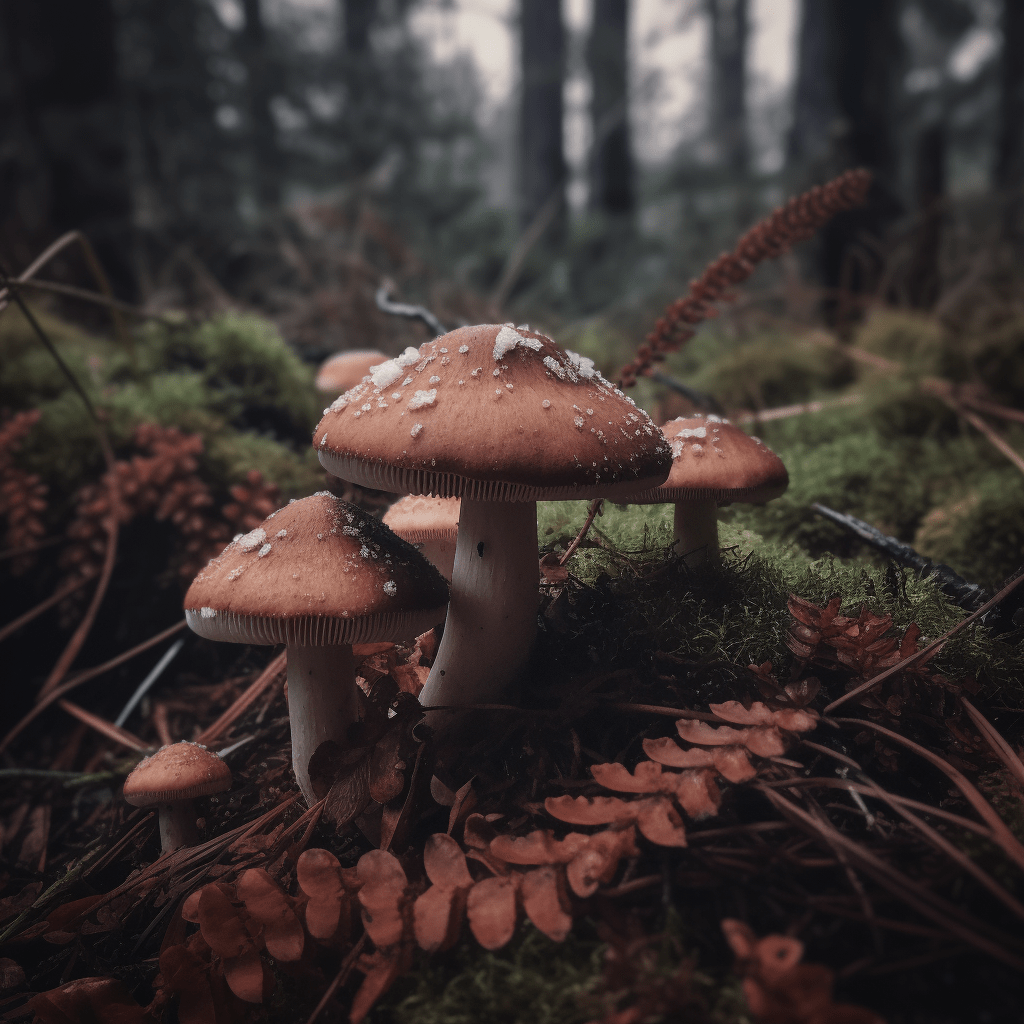
Mushrooms are a culinary delight that offer not just distinct flavors but also significant health benefits. They’re packed with essential nutrients, low in calories, and have been used medicinally in different cultures for centuries. Here, we delve into the world of mycelium and the top ten healthiest mushrooms you should consider incorporating into your diet.
II. Shiitake Mushrooms
Packed with a rich, umami flavor, shiitake mushrooms are as delicious as they are nutritious. They are high in essential vitamins and minerals such as B vitamins and selenium, and also contain compounds that may boost your immune system and even combat cancer cells.
III. Maitake Mushrooms
Also known as the “dancing mushroom,” maitake mushrooms are celebrated for their immune-boosting properties. Research suggests that these mushrooms can help regulate blood pressure, glucose levels, and the immune system, making them an excellent choice for overall health.
IV. Lion’s Mane Mushrooms
These distinctively shaped mushrooms aren’t just eye-catching; they also offer a host of health benefits. Studies suggest that Lion’s Mane mushrooms can stimulate nerve growth, supporting cognitive health and potentially slowing the progression of neurodegenerative diseases.
V. Reishi Mushrooms
Used in traditional medicine for centuries, reishi mushrooms are renowned for their potential to enhance immune function, reduce stress, improve sleep, and lessen fatigue. Although they are bitter and not typically used in cooking, they can be consumed as a tea or in supplement form.
VI. Cremini Mushrooms
Cremini, also known as baby bellas, are packed with antioxidants, selenium, and vitamin B. They are an excellent addition to a balanced diet and can easily be incorporated into a variety of dishes, from salads to stir-fries.
VII. Portobello Mushrooms
A mature form of cremini mushrooms, Portobellos are packed with antioxidants, fiber, and potassium. Their meaty texture makes them an excellent substitute for meat in various dishes, making them a popular choice among vegetarians and vegans.
VIII. Oyster Mushrooms
Oyster mushrooms have cholesterol-lowering properties and are a good source of niacin (vitamin B3), riboflavin (vitamin B2), and pantothenic acid (vitamin B5). These nutrients are vital for brain health and maintaining a robust immune system.
IX. Porcini Mushrooms
This wild mushroom is a good source of protein and fiber. Porcini mushrooms also contain high levels of beta-glucans, a type of soluble dietary fiber that’s been associated with improving cholesterol levels and heart health.
X. Enoki Mushrooms
These long, thin mushrooms are not only delicious in soups and salads, but they’re also packed with antioxidants. Enoki mushrooms contain the antioxidant ergothioneine, which can help protect the body from harmful free radicals.
XI. Cordyceps
A mushroom that has been used in traditional Chinese medicine for centuries, cordyceps may boost exercise performance and have anti-aging properties. It’s also touted for its potential to help manage type 2 diabetes symptoms and inflammation.
XII. Conclusion
The magical world of mushrooms is vast and rich in health benefits. From boosting the immune system to enhancing brain function and maintaining heart health, these humble fungi are nutritional powerhouses that can make a significant difference in our wellness journey. Remember to always cook mushrooms well, as this not only enhances their flavor but also aids in nutrient absorption.
-
Nightmares in Ink: The Scariest Books Ever Written

From ancient folklore to contemporary thrillers, literature has always had a fascination with fear. In this article, we will delve into the spine-chilling pages of the scariest books ever written, journeying through the darkest recesses of the human imagination.
II. The Shining by Stephen King
No list of terrifying books would be complete without mentioning Stephen King, the indisputable master of horror. Among his most petrifying works is ‘The Shining,’ a chilling tale of the Torrance family’s winter at the haunted Overlook Hotel.
III. House of Leaves by Mark Z. Danielewski
An unconventional narrative combined with terrifying storytelling makes ‘House of Leaves’ a unique horror experience. This book’s disorienting structure mirrors its plot, a story about a house that is larger on the inside than it appears on the outside.
IV. The Exorcist by William Peter Blatty
Inspired by a real-life case of demonic possession, ‘The Exorcist’ is a deeply unsettling exploration of the battle between good and evil. The vivid, brutal descriptions of young Regan’s possession have made it one of the most horrifying books of all time.
V. The Haunting of Hill House by Shirley Jackson
Considered one of the best literary ghost stories published during the 20th century, ‘The Haunting of Hill House’ is a subtle, psychologically terrifying tale of a haunted mansion and its effect on its inhabitants.
VI. American Psycho by Bret Easton Ellis
Less supernatural but no less terrifying, ‘American Psycho’ provides a gruesome glimpse into the mind of a serial killer. The book’s graphic violence and satirical commentary on materialism and vanity deliver a unique brand of horror.
VII. Dracula by Bram Stoker
Bram Stoker’s ‘Dracula’ is one of the most influential horror books ever written. Its gothic exploration of vampirism, sexuality, and identity has set the benchmark for countless vampire narratives in literature and pop culture.
VIII. Pet Sematary by Stephen King
King himself once remarked that he found ‘Pet Sematary’ to be his most frightening book. Exploring the concept of death and resurrection in a gruesome manner, this story centers around a mysterious burial ground with the power to bring the dead back to life.
IX. Hell House by Richard Matheson
‘Hell House,’ often compared to Shirley Jackson’s ‘The Haunting of Hill House,’ is another tale of a haunted mansion. However, Matheson’s work is a visceral horror experience, filled with graphic violence and sexual content, not for the faint-hearted.
X. The Amityville Horror by Jay Anson
Based on a ‘true story,’ this book details the Lutz family’s supposed encounters with terrifying paranormal phenomena in their house in Amityville. The credibility of the story has been challenged, but the fear it incites in its readers is real.
XI. Conclusion
These books showcase the darkest depths of our fears, each unique in its ability to terrify and intrigue. Whether it’s supernatural horror, psychological terror, or the chilling reality of human evil, these authors have mastered the art of scaring their readers senseless. So, if you’re brave enough, delve into these works, and remember, it’s only a story… or is it?
American Psycho, Bram Stoker, Bret Easton Ellis, Demonic Possession, Dracula, Gothic Horror, Haunted Mansions, Hell House, House of Leaves, Jay Anson, Mark Z. Danielewski, Paranormal Phenomena, Pet Sematary, Psychological Terror, Richard Matheson, Serial Killers, Shirley Jackson, Stephen King, Supernatural Horror, The Amityville Horror, The Exorcist, The Haunting of Hill House, The Shining, vampirism, William Peter Blatty -
The Ten Healthiest Meals to Supercharge Your Diet

In our fast-paced world, it can be challenging to prioritize nutrition and maintain a healthy diet. However, the meals we consume significantly impact our overall well-being. This article highlights ten of the healthiest meals packed with essential nutrients that are as delicious as they are beneficial for your health.
II. Grilled Salmon with Quinoa and Greens
Salmon is an excellent source of Omega-3 fatty acids, which have been linked to heart health. Paired with nutrient-rich quinoa and leafy greens, this meal is a powerhouse of essential nutrients and proteins.
III. Chicken and Vegetable Stir-Fry
Loaded with lean protein from chicken and a rainbow of antioxidant-rich vegetables, this meal is a perfect balance of protein, vitamins, and fiber. Opt for a light soy sauce or low-sodium broth to keep this dish heart-friendly.
IV. Vegan Buddha Bowl
This vibrant bowl typically features a variety of colorful, raw or roasted vegetables, a serving of protein (such as chickpeas or tofu), a healthy grain like quinoa or brown rice, and a drizzle of a wholesome sauce like tahini or avocado dressing.
V. Mediterranean Chickpea Salad
This salad features chickpeas as a high-protein, high-fiber star. Tossed with tomatoes, cucumbers, onions, olives, and feta cheese, then dressed in olive oil and lemon juice, this salad is an ode to Mediterranean diet which is renowned for its heart-healthy benefits.
VI. Greek Yogurt with Berries and Nuts
For a quick, nutritious breakfast or snack, top Greek yogurt with a variety of berries and a handful of nuts. This meal is high in protein, antioxidants, and healthy fats.
VII. Lentil Soup with Whole Grain Bread
Lentils are a nutritional powerhouse, offering protein and fiber. Paired with whole grain bread, this meal will keep you full and satisfied while providing essential nutrients.
VIII. Avocado and Egg Toast
A classic breakfast dish, this meal provides heart-healthy fats from avocado and high-quality protein from eggs. Opt for whole grain bread to add fiber and keep you feeling full longer.
IX. Quinoa Salad with Grilled Veggies
A perfect meal for summer barbecues or meal-prep lunches. Quinoa is a complete protein and paired with grilled veggies, it offers a tasty meal filled with fiber and vitamins.
X. Veggie Tacos with Black Beans
Whole grain tortillas filled with black beans, bell peppers, corn, and avocado make for a fiber-rich and protein-packed meal. Add some salsa and Greek yogurt as healthy alternatives to sour cream.
XI. Oven-Baked Sweet Potato with Steamed Broccoli and Grilled Chicken
A well-rounded meal that includes complex carbohydrates from sweet potato, protein from chicken, and a good serving of greens from broccoli. This meal is as nourishing as it is satisfying.
XII. Conclusion
These meals show that eating healthily does not have to be boring or restrictive. By incorporating a variety of nutrient-dense foods into your meals, you can enjoy delicious dishes that nourish your body and support your overall health. Remember, the key to a healthy diet is balance and variety, so feel free to mix and match these meals to suit your taste buds and nutritional needs.
Avocado and Egg Toast, Chicken and Vegetable Stir-Fry, Greek Yogurt with Berries, Grilled Chicken, Grilled Salmon, Lentil Soup, Mediterranean Chickpea Salad, Nutrient-dense Meals, Oven-Baked Sweet Potato, quinoa, Quinoa Salad with Grilled Veggies, Steamed Broccoli, Vegan Buddha Bowl, Veggie Tacos with Black Beans, Whole Grain Bread -
Ten Easy and Practical Ways to Boost Your Income

In today’s rapidly changing economy, diversifying your income stream has become more important than ever. For many, the quest for additional income can seem daunting, but there are countless opportunities available for those willing to explore. This article provides a rundown of ten easy ways to make money— no matter your skills or schedule.
II. Online Surveys and Market Research
Companies value consumer feedback and are often willing to pay for it. Online survey platforms, such as Survey Junkie or Swagbucks, offer financial rewards for participating in market research. The pay won’t make you a millionaire, but it can be a decent way to earn a little extra cash in your spare time.
III. Freelancing and Gig Economy
Leverage your professional skills or personal talents by freelancing. Websites like Upwork, Fiverr, and Freelancer connect freelancers with clients in need of services ranging from graphic design to programming, writing, and more.
IV. Selling Unused Items
Turn your clutter into cash by selling unused items. Online marketplaces like eBay, Facebook Marketplace, or Craigslist can help you find buyers for everything from furniture to electronics.
V. Pet Sitting and Dog Walking
For animal lovers, pet sitting or dog walking can be an enjoyable way to earn extra income. Apps like Rover or Wag connect pet owners with caretakers and dog walkers in their local area.
VI. Tutoring or Teaching Online
If you’re skilled in a particular subject or speak multiple languages, online tutoring could be a profitable venture. Websites like Chegg Tutors or VIPKid connect tutors with students worldwide.
VII. Renting Your Space
If you have a spare room or a property, renting it out can provide a substantial income. Websites like Airbnb allow homeowners to rent out their spaces for short-term stays.
VIII. Investing in Stocks or Cryptocurrency
While this requires some upfront capital and a willingness to take risks, investing can be a lucrative money-making strategy. Platforms like Robinhood or Coinbase make it easy for beginners to start investing.
IX. Affiliate Marketing
If you have a blog, YouTube channel, or significant social media following, affiliate marketing can be a great way to generate income. By promoting products or services and earning a commission on any sales made through your referral link, you can monetize your online presence.
X. Cash-Back and Reward Apps
Apps like Rakuten or Swagbucks offer cash back for everyday purchases, while apps like TaskRabbit provide opportunities to earn money by doing simple tasks for others in your local area.
XI. Self-Publishing Ebooks
If you enjoy writing and have a unique story to tell or valuable knowledge to share, consider self-publishing an ebook. Platforms like Amazon Kindle Direct Publishing make it easy to publish your own book and earn royalties from every sale.
XII. Conclusion
Remember, the key to earning money is often creativity, persistence, and a willingness to try new things. With these ten suggestions, hopefully you’ve found some inspiration to start supplementing your income. Here’s to your financial health and success!
-
Invasive Species in the US: A Silent Environmental Crisis

From coast to coast, the United States harbors an array of diverse and distinctive ecosystems. However, these natural paradises are under threat from an insidious menace— invasive species. These foreign flora and fauna, introduced either deliberately or inadvertently, are wreaking havoc on local ecosystems, disrupting biodiversity, and causing severe economic impacts.
II. Understanding Invasive Species
Invasive species are non-native organisms that have been introduced into an environment where they are not typically found. Their aggressive growth and reproduction, coupled with a lack of natural predators or control mechanisms, allows them to overtake and dominate their new habitats, often to the detriment of native species.
III. The Burmese Python in Florida
One of the most notorious invasive species in the US is the Burmese python in the Everglades of Florida. Imported for the pet trade, these snakes have established a sizable breeding population in the Everglades, where they prey upon a wide range of wildlife, drastically altering the local food web.
IV. Asian Carp in the Great Lakes
The Great Lakes are currently under threat from Asian carp, a group of fish species native to East Asia. These carp were introduced to control algae, parasites, and weed growth in aquaculture and wastewater treatment facilities. Unfortunately, they’ve since invaded rivers and lakes, outcompeting native fish species for food and habitat.
V. Emerald Ash Borer Beetle
The Emerald Ash Borer is a green jewel beetle native to northeastern Asia that has decimated millions of ash trees in the US since its accidental introduction. The larvae feed on the inner bark of ash trees, disrupting their ability to transport water and nutrients, ultimately leading to the tree’s death.
VI. Zebra Mussels in North America
Originating from Eastern Europe, zebra mussels have become a significant problem in North American waterways. They proliferate rapidly, encrusting hard surfaces, including the underwater parts of boats and infrastructure of power plants and water treatment facilities, leading to expensive damage and maintenance costs.
VII. Impact and Control of Invasive Species
Invasive species cause substantial ecological and economic damage. They disrupt biodiversity, displace native species, alter habitats, and damage agriculture and industry. The US spends billions of dollars annually on invasive species management, including physical removal, chemical treatments, and biological control methods.
VIII. The Role of Public Awareness
Public awareness and understanding of invasive species and their impacts are crucial to prevent their spread. Simple actions like not releasing unwanted pets into the wild, cleaning hiking boots and camping gear, and choosing native plants for gardening can make a significant difference.
IX. Conclusion
The issue of invasive species in the US represents a profound and growing environmental challenge. However, with continued research, management efforts, and public education, we can hope to mitigate their impacts and protect the country’s invaluable ecosystems for future generations. Indeed, these unwelcome guests provide a potent reminder of our collective responsibility to respect and maintain the delicate balance of nature.
-
The Giants of the Forest: Unraveling the Mystery of America’s Feral Hogs

Deep in the dense forests and sprawling backwoods of the United States, a different kind of giant roams free. They aren’t the stuff of fairytales or horror stories, but rather a biological reality: gigantic feral hogs. These large, often elusive creatures have become an intriguing yet increasingly concerning element of the American wilderness.
II. Feral Hogs: An Overview
Feral hogs, also known as wild boars or wild hogs, are descendants of domesticated pigs. They’ve adapted to life in the wild after either escaping from captivity or being deliberately released for hunting. Over time, some of these animals have grown to astonishing sizes, with individuals reported to weigh upwards of 500 pounds, and some exceptional specimens even exceeding 1000 pounds.
III. Where Giants Dwell: Feral Hog Populations in the U.S.
While feral hogs can be found in many parts of the United States, populations have exploded in the South, particularly in states like Texas, Florida, and Georgia. These areas, with their dense forests and temperate climates, provide ideal habitats for these large omnivores.
IV. Hogzilla: A Legend Among Giants
Perhaps the most famous of these colossal porcine creatures was Hogzilla, a gargantuan boar reportedly shot in Alapaha, Georgia, in 2004. Measured at a whopping 12 feet long and estimated to weigh around 1000 pounds, Hogzilla ignited worldwide intrigue and skepticism alike, with some dismissing it as merely a tall tale. A subsequent National Geographic investigation, however, largely validated the Hogzilla claim, cementing its place in the annals of American wildlife lore.
V. The Impact of Feral Hogs
While the existence of these giant hogs is undoubtedly fascinating, it’s crucial to discuss their impact on the environment and human activities. Feral hogs can cause considerable damage due to their feeding habits and burrowing behavior. They have been known to destroy crops, disrupt native plant and animal communities, and even damage property.
VI. Controlling Feral Hog Populations
Efforts to control the feral hog population primarily involve hunting and trapping. Some states, such as Texas, have even gone as far as to permit hunting these animals year-round without limits in an attempt to control their burgeoning numbers. However, these methods have so far proven inadequate in significantly reducing the overall population, as feral hogs are highly reproductive and adaptable.
VII. Ethical Considerations
While the need for population control is clear, it’s also vital to consider the ethics of our approaches. This includes ensuring that hunting and trapping methods are humane and that we also explore non-lethal alternatives for managing these animals.
VIII. Conclusion
The giant feral hogs of the American forests are a testament to the adaptability and resilience of nature, albeit in an unexpected form. As we marvel at their size and strive to understand them better, it’s crucial that our interaction with these animals is guided by respect for their lives and consideration for the ecosystems they inhabit. After all, they are a part of the grand tapestry of life that comprises our planet’s diverse and intriguing wilderness.
-
Lost Cities in the Embrace of the Jungle: The Undiscovered Metropolises of South America

South America, a region known for its diverse and lush landscapes, is a wellspring of ancient history and lost civilizations. Its verdant jungles, rugged mountains, and winding rivers hide secrets of grand cities and empires that thrived thousands of years ago. These lost cities, once bustling hubs of culture and innovation, remain shrouded in the thick jungles, waiting to be rediscovered.
II. The Allure of Lost Cities
The allure of lost cities lies in their tantalizing blend of history, mystery, and the promise of discovery. From El Dorado, the legendary city of gold, to the mythical Paititi, said to be the cradle of the Inca civilization, these fabled places have ignited the imaginations of explorers and archaeologists alike.
III. Cities Rediscovered: Machu Picchu and Ciudad Perdida
Before delving into the still undiscovered, it’s essential to note some of the great cities that have been reclaimed from the wilderness. The rediscovery of Machu Picchu in 1911 by Hiram Bingham and the Ciudad Perdida in Colombia in 1972 serve as shining examples of what might still be waiting beneath the jungle canopy.
IV. The Quest for Paititi
For centuries, the legend of Paititi has tantalized explorers. Said to be a city rich with gold, silver, and jewels, it is also believed to be the final refuge of the Inca civilization after the Spanish conquest. Despite numerous expeditions, Paititi remains elusive, its possible location concealed within the impenetrable rainforests of Peru or Bolivia.
V. El Dorado: The Golden One
El Dorado, another legendary city said to be bursting with gold, has been a dream of treasure hunters for centuries. However, modern interpretations suggest El Dorado might not be a city at all, but a person or a high-ranking tribal chief who was lavishly covered in gold dust during rituals. Yet, the idea of a golden city hidden deep within the Amazon rainforest continues to enchant.
VI. Gran Pajatén: The Feathered City
Gran Pajatén, a pre-Inca archaeological site located in the cloud forests of northeastern Peru, is another enigma. First rediscovered in the early 20th century, it’s known for its intricate stone structures adorned with intricate carvings and designs of birds. Some believe it to be merely a part of a much larger, yet undiscovered, city deep within the surrounding jungle.
VII. Impediments to Discovery
Several factors make the discovery of lost cities in South American jungles extremely challenging. The dense rainforest vegetation, inhospitable terrain, and the lack of resources for large-scale archaeological exploration are significant obstacles. Not to mention the potential impact on delicate ecosystems and the respect due to indigenous peoples and their lands.
VIII. Modern Exploration Techniques
Modern technology has given archaeologists new tools for discovering lost cities. Lidar (Light Detection and Ranging), a remote sensing method that uses light in the form of a pulsed laser to measure distances, is revolutionizing the search for lost cities. It allows researchers to “see” through dense vegetation and create detailed 3D maps of the land, revealing human-made structures hidden beneath the jungle canopy.
IX. Conclusion
While the search for the lost cities of South America continues to enthrall, it’s essential to respect and conserve the diverse ecosystems and indigenous cultures that call these regions home. These hidden metropolises, once centers of ancient civilizations, serve as reminders of our shared human heritage.
-
The Enigma of the Sea: The Bermuda Triangle

Among the world’s greatest mysteries, the Bermuda Triangle holds a uniquely chilling place. The Atlantic Ocean’s notorious ‘Devil’s Triangle’ – a region between Bermuda, Miami, and Puerto Rico – has become synonymous with maritime enigma. Reports of ships and aircraft vanishing without a trace in this seemingly ordinary stretch of ocean have fueled a mix of skepticism, scientific interest, and wild speculation.
II. A History of Disappearances
The Bermuda Triangle’s unsettling reputation began to solidify in the 20th century, although strange incidents have been reported since the era of Christopher Columbus. Some of the most notable include:
- The USS Cyclops (1918): A US Navy ship with over 300 people on board vanished en route to Baltimore from Barbados. No wreckage or trace of the crew was ever found.
- Flight 19 (1945): A squadron of five U.S. Navy Avenger torpedo bombers disappeared during a training flight, leading to the loss of 14 airmen. A rescue plane sent in search disappeared as well with 13 crew members onboard.
III. Proposed Explanations
Theories about the Bermuda Triangle’s supposed deadly nature range from the rational to the downright bizarre.
- Natural Phenomena: Some suggest that the Triangle’s lethal reputation can be attributed to its unique environmental features. Rapid and severe weather changes, powerful oceanic currents, and the presence of large amounts of methane hydrates can contribute to navigational difficulties, rapid sinking of ships, and the sudden loss of aircraft.
- Magnetic Variation: The Bermuda Triangle is one of the few places on Earth where true north and magnetic north align, which could potentially disrupt navigational systems.
- Supernatural & Extraterrestrial Theories: At the far end of the speculation spectrum are theories about underwater alien bases, lost Atlantis technology, and interdimensional portals.
IV. The Skeptic’s View
Many scientists and researchers argue that there’s nothing particularly hazardous about the Bermuda Triangle. They point out that the region is one of the most heavily traveled shipping lanes in the world, suggesting that the number of incidents is proportionate to the volume of traffic. Some also point to confirmation bias – the tendency to interpret information in a way that confirms preexisting beliefs – as a factor contributing to the Triangle’s infamy.
V. Significant Investigations
Despite its reputation, the Bermuda Triangle isn’t officially recognized by the U.S. Board on Geographic Names, and it isn’t acknowledged as a danger zone by the U.S. Navy or the U.S. Coast Guard. However, the mystery has prompted several in-depth investigations:
- The ‘Vile Vortices’ Theory (1972): Researcher Ivan T. Sanderson proposed that the Bermuda Triangle is one of 12 ‘vile vortices’ around the world, where electromagnetic aberrations occur.
- The ‘Gulf Stream’ Theory: Oceanographer Dr. Simon Boxall argues that the Gulf Stream’s powerful current could erase evidence of disasters, making it appear as though vessels vanished without a trace.
VI. The Bermuda Triangle in Popular Culture
From sensational newspaper articles and bestselling books to feature films and documentaries, the Bermuda Triangle has left an indelible mark on popular culture. Its allure has spawned an entire genre of ‘disappearance literature’ and has served as an inspiration for countless science fiction and horror narratives.
VIII. Demystifying the Triangle: Modern Science Perspective
With advancements in satellite technology and improved understanding of the marine environment, researchers are making strides towards demystifying the Bermuda Triangle. In-depth studies of the ocean floor, weather patterns, and sea currents are providing new perspectives on historical disappearances.
For instance, one study suggests that rogue waves, extraordinarily high and risky ocean waves, could be responsible for sinking ships in the area. Meanwhile, advancements in aviation technology and safety protocols have dramatically decreased the number of aircraft that encounter difficulties over the Bermuda Triangle.
IX. Impact on Travel and Insurance
Contrary to popular belief, the Bermuda Triangle’s ominous reputation has had little impact on travel and insurance rates in the area. Ships and aircraft continue to ply their routes through the Triangle daily, and insurance rates for this region are no higher than those for other well-traveled areas of the Atlantic Ocean. This reinforces the point of view of skeptics who argue that the Triangle’s perils have been greatly exaggerated.
X. The Allure of the Unknown
Despite these more mundane explanations, the Bermuda Triangle’s mystery continues to captivate public imagination. It’s a testament to the enduring allure of the unknown, the unsolved, and the unexplainable. It serves as a reminder that despite our technological advancements and scientific progress, there remain mysteries that elude our understanding, spaces on our maps where the compass still spins and the sea darkens.
XI. Final Thoughts
The Bermuda Triangle, with its decades-long history of unexplained disappearances and strange occurrences, remains one of the greatest unsolved mysteries of our time. Whether attributed to natural phenomena, navigational errors, or something more mystical, these stories have become part of the region’s lore. The area will continue to fascinate, to puzzle, and to inspire questions about our understanding of the natural world.
Perhaps the real magic of the Bermuda Triangle lies not within its borders but in the human mind’s tendency to seek and find mystery in the unknown. As we sail into an era of unprecedented scientific discovery, the Bermuda Triangle serves as a reminder of the enduring allure of the unsolved, the uncharted territories that still exist on our planet and in our imagination.
-
Cloaked in Shadows: The Enduring Mystery of Jack the Ripper

The tale of Jack the Ripper has transcended the annals of crime to become a chilling fixture of cultural lore. More than a century after the notorious serial killer prowled the foggy streets of Victorian London, the identity of this elusive figure remains as enigmatic as the cryptic letters he left behind. This article delves into the labyrinthine mystery that surrounds Jack the Ripper.
II. The Autumn of Terror
In the autumn of 1888, London’s East End was gripped by fear. A shadowy figure stalked the cobbled streets of Whitechapel, preying on women in the night. His grisly modus operandi – brutal mutilations inflicted with surgical precision – earned him the moniker ‘Jack the Ripper’. The murder of five women, known as the ‘canonical five’, is directly attributed to him, although some theories suggest more victims.
III. The Victims and the Crime Scene
The canonical victims – Mary Ann Nichols, Annie Chapman, Elizabeth Stride, Catherine Eddowes, and Mary Jane Kelly – were all women of precarious economic standing, making their living in the unsavory milieu of the East End. Their murders were characterized by a level of savagery that was shocking, even in an era hardened to violent crime. The crime scenes painted a gruesome tableau – throats slashed and bodies horrifically mutilated, indicating the work of someone with anatomical knowledge.
IV. The Letters
Adding to the aura of terror were a series of letters sent to the police and media, allegedly from the killer himself. The most infamous of these, the “From Hell” letter, was sent with a box containing half a human kidney. Whether these letters were a macabre publicity stunt or genuinely from the Ripper, they heightened the public fear and media frenzy.
V. The Suspects
Over the years, countless theories have been proposed about the killer’s identity. The suspects range from the plausible to the absurd. Among the most notable are:
- Aaron Kosminski: A Polish barber and resident of Whitechapel, Kosminski was identified as a prime suspect by several contemporary investigators. Recent DNA evidence lends some credibility to this theory.
- Montague John Druitt: A barrister and school teacher who committed suicide shortly after the last murder. His own family suspected him, but evidence remains scant.
- Prince Albert Victor: The grandson of Queen Victoria, he was implicated by Stephen Knight in his book ‘Jack the Ripper: The Final Solution’. This theory is generally dismissed by most Ripperologists due to a lack of substantial evidence.
VI. Modern Investigations
Advances in forensic science have given rise to renewed interest in the case. DNA analysis and geographic profiling have been applied to the surviving evidence, leading to new theories and heated debates. However, the deterioration of the evidence over time and the lack of any new data has made it difficult to draw definitive conclusions.
VII. The Legacy of Jack the Ripper
The figure of Jack the Ripper has seeped into popular culture, spawning a multitude of books, movies, and TV shows. His identity and motives remain the subject of speculation and debate, maintaining his status as a symbol of the mysterious and macabre.
VIII. Conclusion
Despite the passage of more than a century, the mystery of Jack the Ripper continues to captivate public imagination. The shadowy figure lurking in the gas-lit fog is a chilling embodiment of our fascination with the unsolved and the unknown.
Wonder about your world…

Take the plunge down the rabbit hole of insanity and wonder in this fast-paced, nonstop psychological thriller that will leave you questioning the very nature of reality and beyond. Part thriller, part romance, part existential horror, A Dream of Waking Life delves into lucid dreaming, psychedelics, existential ontology, video games, the nature of love, the nature of reality, and more.

Mendel’s Ladder delivers an adrenaline-fueled journey set on a dystopian future Earth, brimming with high-stakes action, adventure, and mystery. This epic series opener plunges readers into a world filled with diverse cultures, heart-pounding battles, and characters who will captivate your heart and imagination.

“E.S. Fein is raising the bar for quality as it’s a very well-written and thought-provoking book…There are points and themes in the story that could be discussed for eons as people will have their own idea on where it leads. It’s a book I would highly recommend.” – Andy Whitaker, SFCrowsnest
 Wondergressive