-
The Astonishing Adaptability of Tardigrades: Nature’s Toughest Creatures


Tardigrades, often affectionately referred to as ‘water bears’ or ‘moss piglets,’ are microscopic, water-dwelling creatures known for their extraordinary resilience and survival capabilities. Their reputation as nature’s hardiest organisms is firmly grounded in scientific research. Here’s what makes these minute yet mighty creatures so fascinating.
Unprecedented Resilience
Tardigrades are one of the few organisms known to survive extreme conditions that would be fatal to nearly all other known life forms. They can withstand temperature ranges from -272.15 degrees Celsius (close to absolute zero) to about 150 degrees Celsius, pressures six times greater than those in the deepest ocean trenches, ionizing radiation at doses hundreds of times the lethal dose for a human, and the vacuum of outer space.
Cryptobiosis: The Art of Suspended Animation
When subjected to these harsh conditions, tardigrades enter a state called cryptobiosis. In this state, their metabolic activities reduce to less than 0.01% of normal levels, and they can remain in this dehydrated form for years or even decades, only to revive within hours when exposed to water. The ability to enter cryptobiosis allows tardigrades to survive in extreme environments, including the deep sea, Antarctic ice, and the upper layers of the Himalayas.
Genome Stability
Another factor that contributes to the tardigrade’s resilience is their genomic stability. Tardigrades have a unique protein called Damage suppressor (Dsup), which protects their DNA from radiation damage. This remarkable adaptation could have profound implications for our understanding of DNA repair and stability.
Extraterrestrial Survivors
In 2007, tardigrades earned the distinction of being the first animal to survive in space. European Space Agency’s (ESA) FOTON-M3 mission exposed tardigrades to the hard vacuum of space and solar UV radiation, conditions under which they proved their remarkable survival skills.
Biodiversity and Distribution
Tardigrades are incredibly diverse, with over 1,000 known species that can be found in some of the most extreme environments on Earth. They inhabit a wide range of habitats, from the high mountains to the deep sea, demonstrating their impressive adaptability.
Potential Applications
Tardigrades’ resilience might help advance human science and medicine. Research into their DNA repair mechanisms could offer insights into human disease resistance. Similarly, understanding cryptobiosis might contribute to preserving biological materials and developing new methods of long-term storage for food and drugs.
The survival capabilities of tardigrades are truly mind-boggling, even by the standards of the natural world. Their unique adaptability and resilience in the face of environmental extremes are ripe for scientific exploration, providing fascinating insights into the boundaries of life on Earth—and possibly beyond.
Keywords: Tardigrades, Water bears, Moss piglets, Resilience, Cryptobiosis, Extreme conditions, Genome stability, Damage suppressor protein, Extraterrestrial survivors, Biodiversity, Potential applications, DNA repair mechanisms.
Tardigrades’ Role in Ecosystems
Despite their diminutive size, tardigrades play an essential role in ecosystems. They aid in the decomposition process, breaking down organic matter and recycling nutrients back into the soil. This process is crucial for soil health, promoting plant growth and maintaining biodiversity.
Evolution and Fossil Record
Tardigrades have a long evolutionary history dating back to the Cambrian period, over 500 million years ago. This period is known for the ‘Cambrian Explosion,’ a time of rapid evolutionary development when most major animal phyla first appeared in the fossil record. The endurance of tardigrades over such vast geologic time scales is further testament to their adaptability.
Unique Reproductive Strategies
Tardigrades exhibit intriguing reproductive strategies. They reproduce sexually or asexually, depending on the species and environmental conditions. Some species are known to lay their eggs inside their old cuticle as they molt, providing the eggs with a protective casing. Others lay their eggs directly into the environment. Some tardigrade eggs are even equipped with hooks, allowing them to latch onto surfaces or other animals for dispersion.
Inspiring Science Fiction
The remarkable abilities of tardigrades have captured the imagination of science fiction writers and filmmakers. They’ve been featured in a range of media, from Star Trek: Discovery, where a giant, fictionalized tardigrade can navigate through space, to Ant-Man and the Wasp, where tardigrades are shown inhabiting the Quantum Realm.
Future Research and Tardigrades
Tardigrades continue to be a focus of extensive research due to their remarkable survival capabilities. Scientists are interested in understanding the tardigrade’s unique biological mechanisms at a molecular level, which could lead to revolutionary advancements in various fields, from medicine and agriculture to space exploration.
In conclusion, tardigrades are a testament to life’s incredible resilience and diversity. They challenge our preconceived notions of survival and adaptation, providing invaluable insights into biology, ecology, and the potential for life beyond Earth. These microscopic powerhouses truly embody the saying that “big things come in small packages.”
-
Philip K. Dick: An Exploration of His Ten Best Stories

Philip K. Dick, often shortened to PKD, was a visionary writer whose extraordinary tales were filled with elements of paranoia, reality distortion, and deep explorations of the human condition. His body of work, known for its intellectual depth and intriguing philosophical questions, has heavily influenced modern science fiction. This article explores ten of his best stories and their remarkable features.
- “Do Androids Dream of Electric Sheep?”
“Do Androids Dream of Electric Sheep?” is PKD’s most famous work, primarily due to its adaptation into Ridley Scott’s groundbreaking film, “Blade Runner”. The novel delves deep into themes of empathy, reality, and what it means to be human. In a post-apocalyptic world where owning real animals is a status symbol, bounty hunter Rick Deckard must retire (kill) six escaped androids. The story is compelling because it blurs the line between humans and androids, and challenges our understanding of empathy.
- “The Man in the High Castle”
“The Man in the High Castle”, awarded the Hugo Award in 1963, presents an alternate history where the Axis powers won World War II. The book is noteworthy for its intricate narrative, split between different characters living in the occupied United States. PKD uses the I Ching (an ancient Chinese divination text) to direct the plot, creating an exploration of fate and free will.
- “Ubik”
“Ubik” is a mind-bending trip through shifting realities. The story revolves around Joe Chip, a technician working for Glen Runciter’s anti-psionic company. After an explosion on the moon, Joe’s reality starts to ‘regress’, introducing a mysterious product called Ubik. With Ubik, PKD masterfully blends surrealism, metaphysics, and satire, leaving readers questioning the nature of reality itself.
- “A Scanner Darkly”
“A Scanner Darkly” is a darkly humorous yet deeply tragic tale focusing on drug culture. Bob Arctor, an undercover agent tasked with infiltrating the drug subculture, becomes a victim of the highly addictive Substance D. The novel showcases PKD’s ability to portray the internal struggle and identity crisis induced by drug use, based on his personal experiences.
- “Flow My Tears, the Policeman Said”
In this story, PKD imagines a dystopian future where the United States is governed by a police state. The protagonist, Jason Taverner, is a famous television star who one day wakes up in a world where no one recognizes him. This novel is a powerful exploration of identity, fame, and totalitarianism.
- “The Three Stigmata of Palmer Eldritch”
“The Three Stigmata of Palmer Eldritch” centers around the titular character, Palmer Eldritch, who returns from a distant star system bearing alien-evolved human abilities. This novel delves deep into themes of religion, drug use, and alienation, making it one of PKD’s most complex and intriguing works.
- “VALIS”
“VALIS” is perhaps PKD’s most autobiographical novel, reflecting his experiences of supposed contact with a divine entity. The novel examines reality, divinity, and madness in the guise of a science fiction narrative.
- “Time Out of Joint”
“Time Out of Joint” tells the story of Ragle Gumm, who lives in a quiet 1950s American town. However, his reality starts to disintegrate, revealing a more complex world behind the scenes. This story showcases PKD’s brilliant handling of reality manipulation.
- “Radio Free Albemuth”
A semi-autobiographical novel, “Radio Free Albemuth” is a reworking of the ‘VALIS’ theme, which revolves around a powerful, oppressive government and an ancient satellite (VALIS) that uses pop music to communicate subversive messages. PKD uses science fiction to comment on political and personal issues he faced in his life.
- “The Minority Report”
“The Minority Report” is a short story that was later adapted into a successful Hollywood movie. In a future society, crimes are prevented by predicting them before they occur, using the ‘precogs’. The story gets interesting when the head of the PreCrime Division is predicted to commit a murder. The novel raises deep questions about determinism, free will, and the nature of time.
These ten stories, among many others by Philip K. Dick, show his extraordinary talent for infusing science fiction with profound, thought-provoking themes. His work continues to inspire readers and filmmakers, leaving an indelible mark on the science fiction genre. His stories make us question the nature of reality, the value of human life, the role of technology, and the boundaries of our own identity. PKD’s storytelling remains unmatched, offering a masterclass in crafting complex narratives that engage, entertain, and challenge readers to question their perceptions.
Honorable Mentions:
“Martian Time-Slip”
The novel “Martian Time-Slip” offers an unflinching exploration of mental illness, set against the backdrop of Martian colonization. Here, PKD employs his signature blending of the mundane with the speculative, with elements like union disputes and real estate scams rubbing shoulders with time distortions and indigenous Martian cultures.
“Dr. Bloodmoney, or How We Got Along After the Bomb”
“Dr. Bloodmoney” is a post-apocalyptic narrative that shows PKD at his most imaginative. Following a variety of characters – including a seven-year-old girl selling magazines, a man trapped inside an orbiting satellite, and a two-headed DJ – the novel paints a vivid picture of resilience and adaptation in the face of societal collapse.
“Our Friends from Frolix 8”
In “Our Friends from Frolix 8,” PKD envisions a future where ‘New Men’ with enhanced intellect and ‘Unusuals’ with psychic abilities rule over ordinary humans. The story takes a thrilling turn when an ordinary man, Nick Appleton, gets involved in the rebellion against these superior classes. Here, PKD’s astute socio-political commentary shines as he tackles themes of class division and rebellion.
“The Zap Gun”
“The Zap Gun” extends PKD’s critique of the military-industrial complex. Set in a world where weapons designers – known as ‘Weapons-fashioners’ – are revered, the story satirically mirrors the Cold War arms race. It also takes a jab at consumer culture, with surplus weapons designs being repurposed as consumer goods.
“Clans of the Alphane Moon”
“Clans of the Alphane Moon” is one of PKD’s more unusual novels, yet it showcases his ability to find humor and humanity in the most bizarre circumstances. Set on a distant moon once used as a mental institution, the novel follows a range of characters, each representing a different mental disorder, offering a strange but insightful exploration of the nature of mental illness.
-
The Titans of Wealth: An In-depth Exploration of the World’s Ten Richest Individuals and How We View Them
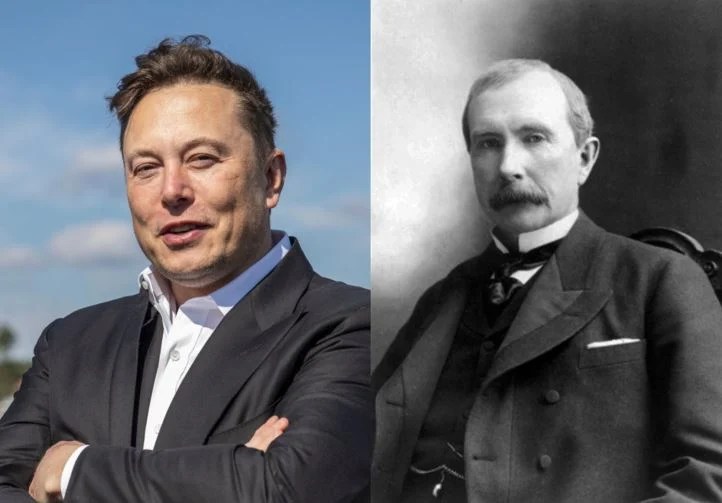
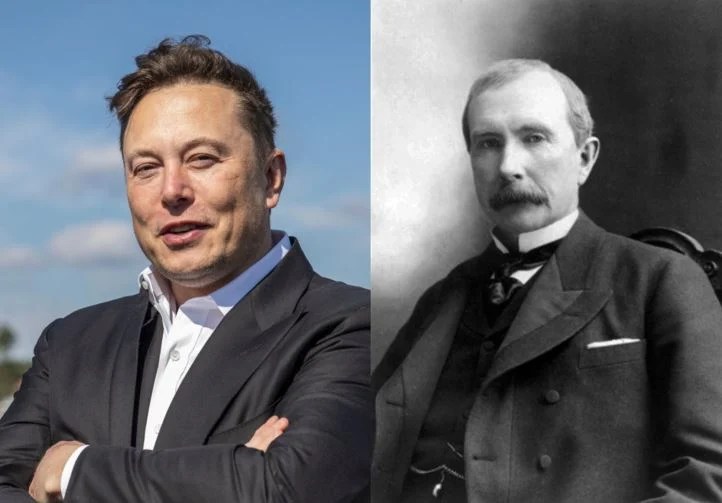
Wealth creation is a captivating subject, a testament to human ingenuity, determination, and the power of ideas. The richest individuals globally hold not only massive fortunes but also fascinating stories of their rise to the top. This article delves into the world’s top ten wealthiest people, their wealth-creation journeys, their wealth sources, and the public perceptions about them.
- Elon Musk
Elon Musk, the audacious CEO of SpaceX and Tesla, tops the list as the world’s wealthiest individual. Musk’s fortune is largely tied to Tesla, the revolutionary electric car company he helms. Born in South Africa, Musk moved to the United States, where he co-founded PayPal before venturing into space travel and electric vehicles. His ambitious projects, like colonizing Mars and building a hyperloop transport system, have sparked both admiration and skepticism. While his unconventional leadership style and controversial tweets often draw criticism, his visionary ideas and significant contributions to sustainable energy have garnered him a massive following. Despite the controversies, many view Musk as an essential force driving technological advancement.
- Jeff Bezos
Jeff Bezos, the mastermind behind Amazon, is a transformative figure in the tech industry. His relentless focus on customer-centric innovation has turned Amazon from a simple online bookstore into a global retail titan, a streaming powerhouse, and a leader in cloud services. Bezos, an adopted child from New Mexico, started Amazon from his garage, driven by the belief that the internet would change the retail industry. Despite stepping down as CEO, his wealth continues to grow due to his substantial Amazon shares. Bezos is often admired for his entrepreneurial spirit and relentless innovation, but criticisms over Amazon’s labor practices and his staggering wealth during a time of increasing economic disparity have made him a contentious figure.
- Bernard Arnault
French businessman Bernard Arnault, the chairman and CEO of LVMH, has crafted a luxury goods empire. His wealth is largely tied to his shares in Christian Dior and LVMH, the conglomerate housing over 70 luxury brands, including Louis Vuitton and Sephora. Arnault began his journey in the family construction business before moving into the luxury goods industry, believing in the enduring appeal of high-end products. While his business acumen and ability to grow luxury brands are widely admired, his vast wealth in a country with high wealth disparity has stirred debates about economic inequality.
- Bill Gates
Bill Gates, the co-founder of Microsoft, played a pivotal role in sparking the personal computer revolution. His wealth originates from his stake in Microsoft and his diverse investment portfolio managed through Cascade Investment. Born and raised in Seattle, Gates started Microsoft with his childhood friend, Paul Allen, fundamentally changing software technology. While his wealth and success in the tech industry are renowned, Gates is also recognized for his philanthropic work through the Bill & Melinda Gates Foundation, one of the world’s largest and most influential charitable organizations. However, his influence on global health policy and the tech industry’s monopoly concerns have also led to scrutiny.
- Mark Zuckerberg
Mark Zuckerberg, the co-founder and CEO of Facebook (now Meta), is a key figure in the social media landscape. A Harvard dropout, Zuckerberg’s wealth comes predominantly from his Facebook shares. He has been instrumental in shaping global communication, turning Facebook into a social networking giant with billions of users worldwide. Zuckerberg’s vision of a connected world has earned him a strong following, but Facebook’s role in spreading misinformation, handling user data, and influencing elections have drawn significant criticism, making him a divisive figure in the tech industry.
- Warren Buffett
Warren Buffett, known as the “Oracle of Omaha,” is one of the most successful investors in history. His wealth is largely derived from his stake in Berkshire Hathaway, a holding company that owns over 60 companies, including Geico and Dairy Queen. Buffett was born during the Great Depression, and his investment journey started early, purchasing his first stock at just 11 years old. His investment philosophy, focusing on buying undervalued companies with strong fundamentals, has earned him a legendary status in the investment world. Despite his immense wealth, Buffett is often praised for his modest lifestyle and commitment to giving away the majority of his wealth to philanthropic causes. His traditional ‘value investing’ approach has been questioned in recent years with the tech industry’s rise, but Buffett’s legacy as an investment guru remains strong.
- Larry Ellison
Larry Ellison, the co-founder of Oracle Corporation, is a self-made billionaire with a rags-to-riches story. Born to an unwed mother and adopted by his aunt and uncle, Ellison dropped out of college twice before starting Software Development Laboratories, which eventually became Oracle. His wealth comes from his stake in Oracle, a leading provider of database software and cloud engineered systems. Known for his competitive spirit and flamboyant lifestyle, Ellison is revered for his business success and technological innovation. However, his often combative and aggressive style, alongside his lavish spending, has made him a controversial figure in the tech industry.
- Larry Page
Larry Page, together with Sergey Brin, co-founded Google, the world’s most popular search engine. A son of computer science professors, Page met Brin at Stanford University, where the idea of Google was born. His wealth comes from his significant stake in Alphabet Inc., Google’s parent company. As a champion of ambitious ‘moonshot’ projects, like self-driving cars and smart cities, Page has been a significant influence on technological advancement. While he is widely admired for revolutionizing the internet, Google’s monopolistic dominance in online advertising and issues around user privacy have drawn criticism.
- Sergey Brin
Sergey Brin co-founded Google with Larry Page. Born in Russia, Brin moved to the United States at a young age. His wealth, like Page’s, comes from his stake in Alphabet Inc. As the co-creator of the world’s leading search engine, Brin’s contributions to the tech industry have been widely recognized. However, the dominance of Google and its handling of user data have led to controversy and antitrust investigations in multiple countries.
- Mukesh Ambani
Mukesh Ambani, the chairman of Reliance Industries, is the richest person in Asia. His wealth comes from his ownership of the largest share of Reliance, a conglomerate with interests in petrochemicals, refining, oil, and telecommunications. Ambani, the son of a business tycoon, expanded the family business into telecommunications, creating Jio Platforms, which has significantly transformed internet access in India. Ambani is often praised for his role in revolutionizing India’s digital landscape, but his vast wealth in a country grappling with poverty has also attracted criticism.
These ten individuals embody the immense wealth and power held by a small group of global elites. Each has transformed industries and created products and services that millions, if not billions, use daily. Their wealth and influence are undeniable. However, their journeys reveal that wealth and power come with scrutiny, and their legacies are a mix of admiration, critique, and controversy. It’s a testament to the multifaceted nature of wealth, influence, and success in our increasingly interconnected world.
-
Superfoods for Super Health: A Comprehensive Guide to the Top 10 Nutrient-Rich Foods


- Leafy Greens
Leafy greens like spinach, kale, and Swiss chard are true nutritional powerhouses. They are low in calories but high in vitamins A, C, K, and several B vitamins. They also provide an abundance of minerals, including iron, calcium, potassium, and magnesium. Their high fiber content aids digestion, and the presence of antioxidants like lutein and beta-carotene helps protect the body against oxidative stress.
- Berries
Berries such as blueberries, strawberries, and raspberries offer an impressive nutrient profile. They are rich in vitamins C and K, manganese, and dietary fiber. Moreover, they have high levels of antioxidants, such as anthocyanins, which are compounds that reduce inflammation and may help prevent chronic diseases.
- Avocados
Unlike most fruits, avocados are high in healthy fats, particularly monounsaturated fats, which can reduce bad cholesterol levels and decrease the risk of heart disease. They are also an excellent source of vitamin K, vitamin E, vitamin C, and various B vitamins, including folate. The high fiber content in avocados supports gut health and aids in weight management.
- Fatty Fish
Fatty fish, including salmon, mackerel, and sardines, are one of the best sources of omega-3 fatty acids, which are essential for brain health and reducing inflammation. They are also rich in high-quality protein and vitamins D and B2 (riboflavin). Eating fatty fish can lower the risk of heart disease, dementia, and depression.
- Nuts and Seeds
Nuts and seeds, such as almonds, walnuts, chia seeds, and flaxseeds, provide a host of health benefits. They are an excellent source of heart-healthy fats, protein, and fiber. They also contain important vitamins and minerals, including vitamin E, magnesium, and selenium. Regularly eating nuts and seeds can lower the risks of heart disease and diabetes and help maintain a healthy weight.
- Quinoa
Quinoa is a complete protein, meaning it contains all the essential amino acids our bodies need. It is also high in fiber, magnesium, B vitamins, iron, potassium, calcium, phosphorus, vitamin E, and antioxidants. It’s a great alternative to rice for those seeking to increase their protein and fiber intake.
- Legumes
Legumes, such as lentils, chickpeas, and black beans, are high in protein, fiber, and complex carbohydrates. They also provide essential minerals like iron, zinc, magnesium, and potassium. Regular legume consumption can support heart health, aid in weight management, and promote gut health by enhancing the gut microbiome.
- Sweet Potatoes
Sweet potatoes are a fantastic source of vitamin A in the form of beta-carotene. They are also rich in vitamin C, some B vitamins, potassium, and dietary fiber. The presence of antioxidants in sweet potatoes, including anthocyanins, helps protect against the harmful effects of free radicals.
- Greek Yogurt
Greek yogurt is an excellent source of probiotics, which can improve gut health. It is also packed with protein and provides essential nutrients, such as calcium, vitamin
B12, and phosphorus. Opt for plain Greek yogurt to avoid added sugars and enjoy it with a bit of honey or fresh fruit for a nutrient-rich snack.
- Turmeric
While not a food per se, turmeric deserves a mention due to its impressive health benefits. It contains curcumin, a chemical compound with potent anti-inflammatory, antioxidant, and anticancer properties. Regular turmeric consumption can help protect against chronic diseases, enhance brain function, and even alleviate symptoms of depression and arthritis.
By incorporating these superfoods into your diet, you can significantly boost your nutrient intake, promoting optimal health and well-being. Remember, variety is key in a healthy diet, so try to include as many different nutrient-rich foods as possible. As always, it is advisable to consult with a healthcare professional or a registered dietitian for personalized nutrition advice.
Keywords: Leafy greens, Berries, Avocados, Fatty fish, Nuts and Seeds, Quinoa, Legumes, Sweet potatoes, Greek yogurt, Turmeric, Superfoods, Nutrient-rich foods, Healthy diet, Heart health, Gut health, Antioxidants, Anti-inflammatory properties, Dietary fiber, Vitamins and minerals, Health and well-being.
-
Rising Titans: The Ten Greatest Empires in History


- The Roman Empire (27 BC – 476 AD)
The Roman Empire was a beacon of organization and law, pioneering structures of governance that continue to inspire today. The Romans perfected the art of architecture with their aqueducts, roads, and amphitheaters, and their Latin language birthed the Romance languages of French, Italian, Spanish, Portuguese, and Romanian. They established significant legal principles, many of which form the foundation of modern legal systems, and their military strategies are still studied in military academies.
- The Mongol Empire (1206 – 1368)
Under the charismatic leadership of Genghis Khan and his successors, the Mongols crafted an empire that stretched from the Pacific Ocean to Eastern Europe. Their highly mobile and disciplined army was unprecedented, and their establishment of intricate trade networks, including the Silk Road, made significant contributions to the cultural and economic exchange between the East and the West.
- The British Empire (1497 – 1997)
The British Empire was a globe-spanning force that influenced every continent. It helped spread industrialization, legal structures, and the English language, which is now the lingua franca of the world. The Empire was also a major player in the development of modern banking and financial systems.
- The Ottoman Empire (1299 – 1922)
The Ottoman Empire was the epicenter of interactions between the East and the West. Its strategic location made it a major hub of trade, and its cultural and architectural influence, such as the iconic Hagia Sophia, left a lasting legacy. The Empire’s legal and military systems also had a significant impact on the surrounding regions.
- The Persian Empire (550 BC – 330 BC)
Under the Achaemenid dynasty, the Persian Empire developed an efficient system of roads, a postal system, and a unified system of weights and measures, which significantly boosted trade. The empire was known for its tolerance towards the cultures and religions of its conquered peoples, and it laid the groundwork for the culture and customs of Persia (modern-day Iran).
- The Maurya Empire (322 BC – 185 BC)
One of the most powerful empires in ancient India, the Maurya Empire, under Emperor Ashoka, implemented innovative administrative practices and infrastructure development. Ashoka also promoted Buddhism, sending missionaries to spread the religion across Asia.
- The Umayyad Caliphate (661 – 750)
The Umayyad Caliphate greatly influenced the political, economic, and cultural development of the Muslim world. They pioneered advancements in various fields, including mathematics, astronomy, medicine, and architecture. The architectural style developed during this period significantly influenced later Islamic and Western architecture.
- The Qing Dynasty (1644 – 1912)
The Qing Dynasty was a period of significant cultural and territorial growth for China. It introduced important reforms in the Chinese government structure and consolidated the development of the Chinese identity. The dynasty was also known for its cultural and artistic contributions, including the development of the novel and various forms of Chinese opera.
- The Russian Empire (1721 – 1917)
The Russian Empire was instrumental in shaping the cultural, political, and economic landscape of Eastern Europe and Asia. It saw the westernization of Russian culture and the modernization of its economy. The Empire also played a significant role in the development of literature, with authors like Tolstoy and Dostoevsky gaining worldwide acclaim during this period.
- The Spanish Empire (1492 – 1975)
The Spanish Empire was a significant player in global exploration and colonial expansion. It played a crucial role in the spread of Christianity, particularly Roman Catholicism, and the Spanish language. The Empire also contributed to the exchange of crops, animals, and culture between the Old World and the New, in what is known as the Columbian exchange.
Each of these empires left a unique and lasting imprint on the world. Whether through language, religion, architecture, or systems of government, their influences still resonate in the modern world. Understanding these empires’ history and impact helps us better appreciate the interconnectedness of human civilization.
-
Visionaries of Progress: The 10 Most Influential Scientists from Around the World
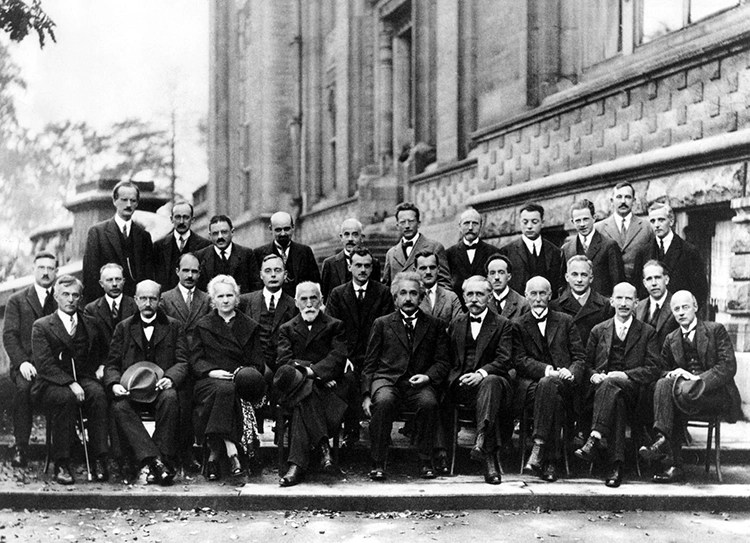

Science has been the beacon guiding humanity’s progress for centuries, and at the forefront of this journey are remarkable individuals whose revolutionary ideas have fundamentally reshaped our understanding of the world. In this article, we celebrate ten of the most influential scientists from around the world whose groundbreaking contributions continue to impact our lives today.
- Isaac Newton (England)
Isaac Newton’s contributions to mathematics and physics laid the groundwork for classical mechanics. His three laws of motion and law of universal gravitation revolutionized our understanding of the physical universe. Additionally, his work on calculus provided a mathematical framework for many scientific disciplines.
- Albert Einstein (Germany)
Einstein’s theory of relativity transformed our understanding of space, time, and gravity. His iconic equation, E=mc^2, unveiled the profound link between energy and mass, opening the door to the development of nuclear energy. Einstein’s work continues to influence a wide range of scientific fields, including cosmology, quantum mechanics, and particle physics.
- Marie Curie (Poland/France)
Marie Curie was a pioneer in radioactivity research. She was the first woman to win a Nobel Prize, and the only person to win in two different scientific fields—Physics and Chemistry. Her discoveries of radium and polonium advanced medical research and led to the development of cancer therapies.
- Charles Darwin (England)
Charles Darwin’s theory of evolution by natural selection forever changed our understanding of life on Earth. His book, “On the Origin of Species,” provided compelling evidence that all species have evolved over time from common ancestors. This foundational concept continues to guide biological and ecological research.
- Galileo Galilei (Italy)
Galileo is often called the “father of modern science.” His use of the telescope for astronomical observations provided critical support for the heliocentric model of the solar system. His work paved the way for the scientific method, emphasizing observation and experimentation.
- James Watson and Francis Crick (USA/England)
Working together, Watson and Crick discovered the double helix structure of DNA in 1953, an achievement that won them the Nobel Prize. This discovery revolutionized biology and medicine, enabling advancements in genetic engineering, forensics, and personalized medicine.
- Nikola Tesla (Serbia/USA)
Tesla’s work in electromagnetism and electrical engineering was far ahead of his time. His developments in alternating current (AC) electrical systems form the foundation of modern electricity supply. Tesla’s vision of wireless transmission of energy still inspires scientists today.
- Rosalind Franklin (England)
Rosalind Franklin’s work was essential in understanding the molecular structures of DNA, RNA, viruses, coal, and graphite. Despite her work being overlooked during her life, her X-ray diffraction data was pivotal to Watson and Crick’s discovery of the DNA double helix.
- Werner Heisenberg (Germany)
A leading figure in quantum mechanics, Heisenberg’s uncertainty principle transformed our understanding of the atomic world. This principle, stating the impossibility of measuring both the position and momentum of a particle with absolute precision, remains a cornerstone of quantum theory.
- Stephen Hawking (England)
Stephen Hawking’s work on black holes and cosmology has greatly advanced our understanding of the universe. His research on the properties of black holes and his development of the theory of Hawking radiation have had profound implications for theoretical physics.
In Conclusion: The Enduring Impact of Great Minds
These ten scientists have shaped our understanding of the world in immeasurable ways. They remind us of the transformative power of curiosity, critical thinking, and relentless pursuit of knowledge. Their groundbreaking contributions continue to inspire new generations of scientists, driving humanity’s quest for knowledge and our understanding of the universe forward.
These ten scientists, along with countless others, have illuminated the path of progress, each discovery building on the last, each idea sparking the next. Through their tenacity and brilliance, they’ve each left a unique mark on their respective fields and influenced the broader course of science.
Isaac Newton’s laws of motion, for instance, remain integral to engineering and physics. Albert Einstein’s theory of relativity, aside from being fundamental to physics, underpins the technology of Global Positioning Systems (GPS), affecting our everyday lives. Marie Curie’s research in radioactivity opened new doors in medical treatment and energy production.
From Darwin’s insights into the mechanisms of evolution, we’ve gained a deeper understanding of biodiversity and disease, influencing everything from conservation efforts to vaccine development. Galileo’s championing of the scientific method has created the bedrock of modern scientific inquiry, while Tesla’s work continues to electrify our world.
The discovery of the double-helix structure of DNA by Watson, Crick, and, crucially, Franklin, marked a turning point in biology, setting the stage for the modern era of biotechnology. Heisenberg’s uncertainty principle continues to challenge our understanding of reality, providing the foundation for technologies like nuclear energy and quantum computing.
Stephen Hawking’s work on black holes and theoretical physics has given us novel insights into the cosmos, pushing the boundaries of what we know about our universe.
In conclusion, the work of these ten influential scientists has changed the world in profound ways, their contributions reaching far beyond their individual fields of study. They serve as a testament to the power of scientific inquiry and the human capacity for discovery. As we look to the future, their legacies will continue to inspire new ideas, discoveries, and innovations, shaping the world for generations to come.
-
Journey Through Time: The Most Influential Sci-Fi Novels of the 20th Century
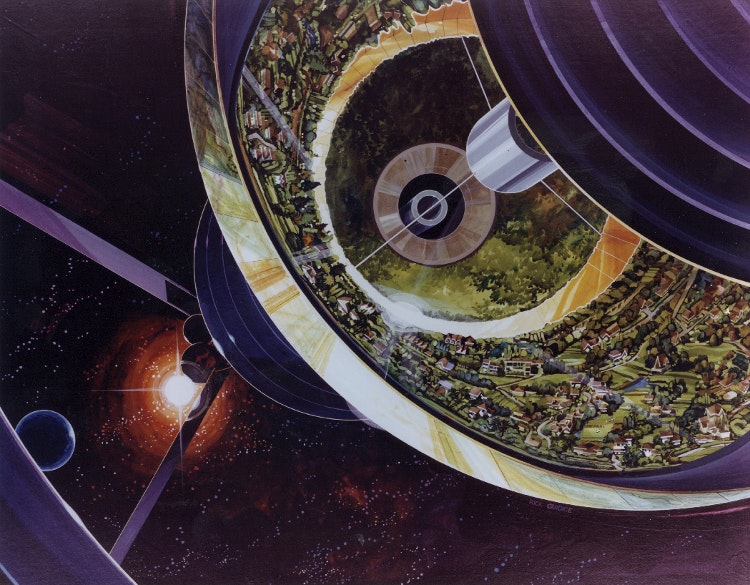

The 20th century marked a golden age for science fiction literature. As the world experienced rapid technological growth and scientific discoveries, authors capitalized on these developments to explore new ideas and possibilities. This article examines ten of the most influential sci-fi novels from 1900 to 1999, each of which has left an indelible mark on the genre and beyond.
- “War of the Worlds” by H.G. Wells (1898)
Although published slightly before the 20th century, no list of influential sci-fi would be complete without H.G. Wells. “War of the Worlds” is a pioneering work in alien invasion literature, inspiring countless adaptations and imitations. It encapsulated early anxieties about colonialism and technological advancement.
- “Brave New World” by Aldous Huxley (1932)
Aldous Huxley’s “Brave New World” is a seminal dystopian novel. It presents a future society controlled not by oppression, but by engineered happiness, prompting readers to question the nature of freedom and happiness.
- “1984” by George Orwell (1949)
Orwell’s dystopian masterpiece, “1984”, explores themes of totalitarianism, surveillance, and linguistic manipulation. It has shaped our understanding of political oppression and continues to be relevant in discussions of privacy and government control.
- “Fahrenheit 451” by Ray Bradbury (1953)
“Fahrenheit 451” explores the consequences of an anti-intellectual society that burns books to suppress dissenting ideas. It stands as a powerful defense of free thought and a warning against censorship and conformity.
- “Dune” by Frank Herbert (1965)
“Dune” is one of the most popular and influential sci-fi novels of all time. Herbert creates a complex future universe, exploring ecology, religion, politics, and human potential in a way that few other sci-fi novels have matched.
- “Do Androids Dream of Electric Sheep?” by Philip K. Dick (1968)
This novel, the basis for the film “Blade Runner,” grapples with questions of what it means to be human in a world of artificial intelligence and androids.
- “Neuromancer” by William Gibson (1984)
“Neuromancer” coined the term “cyberspace” and defined the genre of cyberpunk. Its vision of a high-tech, low-life future has been hugely influential on both literature and popular culture.
- “Snow Crash” by Neal Stephenson (1992)
“Snow Crash” blends cyberpunk with historical and mythological themes to create a unique vision of a future digital world. It has been influential in shaping concepts of virtual reality and decentralized internet.
- “The Left Hand of Darkness” by Ursula K. Le Guin (1969)
Le Guin’s novel is notable for its exploration of gender and sexuality, presenting a society without fixed gender roles. It challenged the traditionally male-dominated genre and has inspired countless authors to explore diverse perspectives.
- “Ender’s Game” by Orson Scott Card (1985)
“Ender’s Game” combines military strategy, artificial intelligence, and ethical dilemmas in a story about child prodigies trained to fight an alien invasion. It has influenced both military training approaches and discussions about the ethics of war.
In Conclusion: The Lasting Impact of 20th Century Sci-Fi
These influential novels have not only shaped the genre of science fiction but have also sparked discussions on societal, political, and philosophical issues. They reflect the concerns, hopes, and fears of their times, serving as mirrors and predictors of societal trends. Their enduring popularity underscores the power and relevance of science fiction as a tool for exploring the human condition, societal constructs, and our evolving relationship with technology.
As we venture further into the 21st century, these novels continue to resonate with us, their themes echoing in our daily lives and the evolving global landscape. They have been the source of inspiration for many modern sci-fi authors, filmmakers, and innovators, demonstrating the genre’s profound influence on society and culture.
From H.G. Wells’s pioneering depiction of alien invasion to Neal Stephenson’s prescient vision of virtual reality, these works have expanded our collective imagination, pushing the boundaries of possibility and sparking critical dialogues about our future.
Whether it’s Philip K. Dick’s exploration of artificial intelligence and identity, or Ursula K. Le Guin’s groundbreaking examination of gender and sexuality, these novels have challenged our assumptions, provoked thought and debate, and, ultimately, broadened our perspective.
The 20th century was a period of immense change, and these novels capture the essence of that era, reflecting the zeitgeist and shaping the narrative of science fiction. As we navigate the challenges and opportunities of the 21st century, these masterpieces continue to illuminate our path, reminding us of the power of speculative fiction to question, to inspire, and to influence.
In the end, these ten novels exemplify the best of 20th-century science fiction. They have not only entertained millions of readers worldwide but have also left a lasting legacy that continues to shape the genre. They serve as timeless reminders of the power of storytelling, and the unique ability of science fiction to cast our present fears, hopes, and dilemmas into the future, prompting us to confront them in new and imaginative ways.
-
Unleashing Imagination: The Most Influential Sci-Fi Novels and Series Since 2000

The dawn of the 21st century has seen a renaissance in the genre of science fiction. As we grapple with rapid technological advancement, climate change, and evolving societal structures, science fiction serves as a creative playground for exploring these themes. This article will delve into some of the most influential sci-fi novels and series since 2000, illuminating their impact on the genre and society at large.
“The Expanse” Series by James S.A. Corey
Starting with “Leviathan Wakes” in 2011, “The Expanse” series has revitalized space opera for the 21st century. The series, comprising nine main novels, numerous short stories, and a successful television adaptation, is lauded for its realistic portrayal of space travel and societal conflict. It weaves a complex narrative around a diverse cast of characters, exploring themes like colonialism, socio-political tension, and the human response to alien technology.
“Black Mirror” by Charlie Brooker
“Black Mirror” is a television anthology series that has profoundly influenced sci-fi since its debut in 2011. Each standalone episode explores the dark side of technology and its potential impacts on society. From social credit systems to consciousness uploading, “Black Mirror” is both a chilling dystopian critique and a thought-provoking exploration of our relationship with technology.
“The Three-Body Problem” by Liu Cixin
“The Three-Body Problem” is the first novel in the “Remembrance of Earth’s Past” trilogy by Chinese author Liu Cixin. Published in 2008, it gained international acclaim for its hard sci-fi approach and its unique perspective on first contact with alien civilizations. The novel has influenced a generation of readers and writers alike and has brought Chinese science fiction into the global spotlight.
“Altered Carbon” by Richard K. Morgan
Richard K. Morgan’s 2002 novel “Altered Carbon” redefined cyberpunk for the new millennium. Set in a future where consciousness can be transferred between bodies, it explores themes like immortality, identity, and wealth disparity. Its gritty narrative and philosophical musings have greatly influenced the genre, spawning a successful Netflix adaptation and two sequels.
“The Road” by Cormac McCarthy
While “The Road” (2006) may not be a traditional sci-fi novel, its influence on post-apocalyptic narratives is undeniable. McCarthy’s bleak portrayal of a father and son traversing a desolate, post-apocalyptic landscape has resonated deeply with readers, spurring reflections on humanity, survival, and the fragility of civilization. The novel won the Pulitzer Prize for Fiction in 2007 and was adapted into a critically acclaimed film.
In Conclusion: The Power and Influence of Sci-Fi
These works represent a fraction of the innovative and influential sci-fi that has emerged in the 21st century. They reflect our current anxieties, hopes, and curiosities about the future, offering speculative scenarios that challenge us to think critically about our world and the direction in which it’s heading.
The power of science fiction lies not only in its ability to predict the future but also in its capacity to reflect the present. By offering new perspectives and asking tough questions, these influential sci-fi novels and series have made us ponder our place in the universe, our relationship with technology, and the essence of our humanity. As we continue to explore the frontiers of science and society, one can only wonder what captivating stories the future of sci-fi holds.
-
From Science Fiction to Science Fact: Star Wars Technology in the Real World


“Star Wars” has captured the imagination of millions around the globe with its epic narrative, complex characters, and futuristic technology. Since the release of the first movie in 1977, it has spawned a cultural phenomenon that continues to influence various aspects of our lives, including our understanding of technology. This article examines the seemingly fantastical technologies of the “Star Wars” universe that could potentially become a reality.
Lightsabers: The Ultimate Energy Weapon
The lightsaber, the weapon of the Jedi and Sith, is a symbol of the “Star Wars” universe. Modern physics and engineering may not yet be able to recreate the exact lightsaber from the movies, but interesting advancements are happening. Scientists at MIT and Harvard managed to make photons of light bind together to form molecules, a state which they described as a “lightsaber-like” condition.
Droids: Our AI Companions
Droids like R2-D2 and C-3PO are not just robots; they are sentient beings with personalities and the ability to learn, adapt, and evolve. While our current technology has not yet produced droids with such advanced AI and autonomy, significant strides have been made in machine learning, robotics, and AI. It may not be too long before we see AI that can independently perform complex tasks and interact naturally with humans.
Holographic Communication: A New Dimension to Connectivity
The holographic communication we see in “Star Wars” is another technology that could soon become a reality. The development of 3D holographic display technology is already underway, with several tech companies demonstrating prototypes. These systems use lasers to create 3D images in the air, offering a new level of interactivity and visual experience.
Hyperdrive: Traveling Faster Than Light
The concept of hyperdrive, enabling spacecraft to travel faster than light, is a fundamental part of “Star Wars”. While faster-than-light travel remains in the realm of theory, the concept of a warp drive, a speculative idea that could potentially bend space-time, has been seriously discussed in theoretical physics, though it would require exotic forms of energy and is far from becoming a reality.
Bionic Limbs: The Future of Prosthetics
The scene where Luke Skywalker receives a bionic hand after losing his in a lightsaber duel is iconic. Remarkably, this is one area where life is catching up to science fiction. Prosthetics have seen significant advancements, with modern designs incorporating AI and responsive sensors to allow for intuitive control and even touch sensation.
In Conclusion: The Future Inspired by Star Wars
While we may not have fully operational Death Stars or Ewoks anytime soon, it’s clear that “Star Wars” has influenced technological advancements in our world. This is the power of science fiction: it inspires us to push the boundaries of what’s possible, motivating scientists and engineers to transform the fantastical into the achievable.
“Star Wars” continues to inspire future generations, not just through its engaging story and characters, but also through its vision of technology. As we continue to make advancements in science and technology, the line between science fiction and science fact may become increasingly blurred, making the future an exciting prospect indeed.
-
The Rise and Rule of the Roman Empire: Humanity’s Greatest Empire?


When considering the greatest human empire ever, numerous candidates vie for the title. The British Empire was the most extensive, spanning the globe. The Mongol Empire was arguably the most fearsome. However, one empire continues to captivate us with its profound impact on the world: the Roman Empire. This article delves into the Roman Empire, its rise, rule, and enduring influence, making a case for its position as humanity’s greatest empire.
The Rise of the Roman Empire: From City-State to World Power
Starting as a small city-state in central Italy in 753 BCE, Rome expanded its influence through military conquest and political maneuvering. By the 2nd century CE, it had absorbed the entire Mediterranean basin, parts of northern Europe, and the Near East. This vast expanse was a testament to Rome’s military prowess, diplomatic acumen, and organizational expertise.
Roman Rule: Unity in Diversity
One of the distinguishing features of the Roman Empire was its ability to assimilate diverse cultures. While Rome imposed its laws and administration, it allowed local customs and governance to exist, fostering a sense of unity without obliterating regional identities. This approach helped maintain control over vast territories with diverse populations.
Infrastructure and Administration: Organizing an Empire
The Roman Empire was renowned for its advanced infrastructure and efficient administration. Roman roads, aqueducts, and public buildings were engineering marvels of their time and facilitated trade, military movement, and administration. Furthermore, Roman law formed the basis of the legal systems in many modern Western countries.
Cultural Impact: An Enduring Legacy
The cultural impact of the Roman Empire is monumental. Latin, the language of Rome, evolved into the Romance languages and heavily influenced others, including English. Roman literature, philosophy, and art continue to inspire modern works. Moreover, Christianity, which emerged in the Roman Empire, became one of the world’s major religions.
The Fall of the Roman Empire: A Gradual Decline
The fall of the Roman Empire in the west in 476 CE was not a sudden event but a gradual decline due to various factors, including economic instability, military pressure from external forces, and internal decay. Even after its fall, Rome’s influence persisted through the Byzantine Empire, the “Eastern Roman Empire,” which lasted until 1453.
In Conclusion: The Roman Empire as the Greatest?
Labeling the Roman Empire as the “greatest” is subjective, depending on how one defines greatness. However, considering its vast territory, enduring infrastructure, efficient administration, cultural influence, and long-lasting legacy, the Roman Empire undeniably stands as one of the most impressive empires in human history. Its influence on modern government, law, language, and culture underscores its pivotal role in shaping the world as we know it.
In the grand theater of human history, the Roman Empire played a leading role. It serves as a potent reminder of humanity’s capacity for ambition, organization, and cultural synthesis. As we continue to study and learn from its history, we gain valuable insights into the rise and fall of civilizations, the complexities of power, and the enduring impact of cultural exchange.
Wonder about your world…

Take the plunge down the rabbit hole of insanity and wonder in this fast-paced, nonstop psychological thriller that will leave you questioning the very nature of reality and beyond. Part thriller, part romance, part existential horror, A Dream of Waking Life delves into lucid dreaming, psychedelics, existential ontology, video games, the nature of love, the nature of reality, and more.

Mendel’s Ladder delivers an adrenaline-fueled journey set on a dystopian future Earth, brimming with high-stakes action, adventure, and mystery. This epic series opener plunges readers into a world filled with diverse cultures, heart-pounding battles, and characters who will captivate your heart and imagination.

“E.S. Fein is raising the bar for quality as it’s a very well-written and thought-provoking book…There are points and themes in the story that could be discussed for eons as people will have their own idea on where it leads. It’s a book I would highly recommend.” – Andy Whitaker, SFCrowsnest
 Wondergressive