-
The Art of Steel: Decoding the Best Sword for Battle


The sword, a weapon that evokes an era of knights and samurais, holds a central place in the history of warfare. Throughout the centuries, many variations of this weapon have emerged, each with its unique characteristics and battle advantages. This article explores some of the most notable swords in history, ultimately aiming to determine the best sword for battle.
The Longsword: Europe’s Dual-Handed Dominator
The longsword, a staple of medieval Europe, is characterized by its cruciform hilt, double-edged blade, and versatile usage. Primarily wielded with both hands, it offered excellent offensive and defensive capabilities. The longsword’s design balanced reach, weight, and maneuverability, allowing for a variety of fighting techniques, including slashing, thrusting, and even grappling.
The Katana: Japan’s Samurai Steel
The katana, with its distinctive curved, slender, single-edged blade, was the weapon of choice for the samurai of feudal Japan. Renowned for its sharpness and cutting ability, the katana was designed for swift, precise strikes. Its creation, involving a meticulous forging process, resulted in a blade that balanced hardness, to retain an edge, with a more flexible spine, to absorb shocks and resist shattering.
The Khopesh: Ancient Egypt’s Sickle-Sword
The khopesh, an ancient Egyptian weapon, combined the functionality of a sword and a battle-axe. Its unique design, featuring a curved blade with the cutting edge on the convex side, made it especially useful for hooking an opponent’s shield or weapon during combat. However, its shorter length made it less suitable for open battlefield engagements compared to some of its longer counterparts.
The Rapier: The Gentleman’s Choice
The rapier, popular in early modern Europe, was a weapon optimized for thrusting, designed to exploit the vulnerabilities in the enemy’s armor. Rapiers had long, narrow blades and complex, protective hilts. They were favored for their speed and agility in combat, although their lack of cutting capacity could be a disadvantage in certain scenarios.
So, What is the Best Sword for Battle?
Determining the “best” sword is complex as it largely depends on the specific context of the battle – the type of armor worn by opponents, the fighting style used, and the physical condition of the wielder, among other factors.
For instance, the longsword’s versatility could make it a superior choice in a battlefield scenario against heavily armored opponents. However, the katana’s exceptional sharpness and speed might be preferable in single combat or in situations requiring swift, decisive strikes.
In essence, the effectiveness of a sword is contingent on it being the right tool for the situation and the skill of the person wielding it. A master swordsman with a deep understanding of their weapon and the techniques of its use can make almost any sword formidable in battle.
In conclusion, the art of the sword is a rich tapestry woven from numerous threads of history, culture, and technology. As we unravel this tapestry, we realize that the search for the “best” sword reflects our broader quest to understand the science of combat and the evolution of warfare.
-
The Shadows of Truth: An Exploration of the Scariest Conspiracy Theories


In the realm of the unknown, conspiracy theories have found a fertile ground to grow, often weaving complex narratives that challenge established beliefs and institutions. While some theories can be easily dismissed as baseless, others carry an element of fear and intrigue that can be hard to shake off. This article dives into some of the most unsettling conspiracy theories and the psychological and social factors that sustain them.
The New World Order: A Global Regime
The New World Order theory suggests that a secretive power elite with a globalist agenda is conspiring to eventually rule the world through an authoritarian world government. This theory is potent due to its ability to incorporate virtually any event into its narrative, fueling a perpetual sense of mistrust towards governments and international institutions.
The Illuminati: Puppet Masters
This theory posits that the Illuminati, an Enlightenment-era secret society, continues to operate and control world events. Believers suggest that they manipulate economies, influence governments, and even engineer wars to establish a New World Order. The Illuminati conspiracy theory has been amplified by popular culture and continues to be a cornerstone of many other conspiracy theories.
Chemtrails: Toxic Skies
The Chemtrails theory suggests that the condensation trails left by high-flying aircraft consist of chemical or biological agents deliberately sprayed for sinister purposes undisclosed to the public. This theory fuels the fear of environmental manipulation, despite being debunked by multiple scientific studies.
The Reptilian Elite: Non-Human Rulers
Perhaps one of the most bizarre theories, the Reptilian Elite conspiracy theory suggests that shapeshifting reptilian creatures control Earth by taking on a human form and gaining political power. While scientifically unfounded, the theory plays into ancient human fears of non-human entities influencing human society.
The HAARP Project: Weather Control
The High-Frequency Active Auroral Research Program (HAARP) has been the subject of various conspiracy theories. Some believe that the U.S. government uses the project to control weather patterns, trigger natural disasters, or even manipulate human minds. While officials have repeatedly dismissed these claims, the theory persists due to the project’s secretive nature and the potential implications of such technology.
Conclusion: Fear, Uncertainty, and the Power of Conspiracy Theories
While these conspiracy theories can be chilling, it is crucial to approach them with critical thinking and scientific reasoning. Often, they emerge from feelings of fear and uncertainty, providing seemingly straightforward explanations to complex problems. As we navigate the information age, fostering media literacy and promoting open, evidence-based dialogue is key to dispelling unfounded conspiracies and addressing the legitimate concerns that often underlie them.
-
Cosmic Wonders: A Journey Through the Most Impressive Objects in the Universe

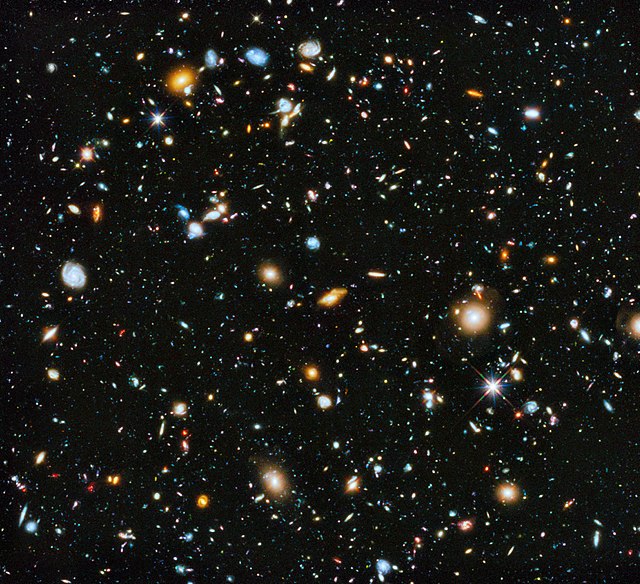
The cosmos is a vast tapestry, woven with countless celestial objects of breathtaking beauty and unimaginable scale. From glittering galaxies to mystifying nebulae, these cosmic wonders reveal the grandeur of the universe and the intriguing laws that govern its formation and evolution. This article explores some of the most impressive objects in the universe, taking you on a journey through the cosmic seas.
The Milky Way: Our Galactic Home
Our own galaxy, the Milky Way, is an impressive structure of cosmic proportions. It’s a barred spiral galaxy, with an estimated 100-400 billion stars swirling around a supermassive black hole at its center. Spanning approximately 100,000 light-years in diameter, our home galaxy is a cosmic masterpiece teeming with stellar nurseries, dazzling star clusters, and mysterious dark matter.
Neutron Stars: The Cosmic Densities
Neutron stars, the remnants of supernovae, are some of the densest objects in the universe. Despite their small size – only about 20 kilometers in diameter – they can pack a mass greater than that of our Sun. These celestial bodies exhibit extreme conditions, with powerful magnetic fields and surface temperatures reaching a million degrees, representing nature’s extremes.
The Andromeda Galaxy: A Spiral Giant
Our closest spiral galaxy neighbor, Andromeda, is an impressive sight. It’s significantly larger than the Milky Way, hosting approximately one trillion stars. Andromeda is on a collision course with the Milky Way, but don’t worry – this cosmic meeting won’t occur for another four billion years. The eventual merger will create a new elliptical galaxy, marking a dramatic future in our cosmic story.
Black Holes: The Enigmatic Monsters
Black holes are some of the most intriguing and powerful objects in the universe. Born from the deaths of massive stars, these celestial objects have gravitational pulls so intense that nothing, not even light, can escape. The discovery of supermassive black holes at the centers of galaxies has reshaped our understanding of galactic dynamics and gravitational physics.
The Cosmic Web: The Universe’s Largest Structure
The cosmic web, the largest known structure in the universe, is an impressive testament to the large-scale structure of the cosmos. Composed of enormous filaments of galaxies separated by vast voids, it reflects the distribution of dark matter throughout the universe. The cosmic web is a beautiful manifestation of the universe’s large-scale structure and the gravitational influence of dark matter.
Conclusion: The Universe – A Symphony of Cosmic Wonders
These impressive objects in the universe are just a fraction of the celestial phenomena that fill the cosmos. Each one, from our home galaxy to the most distant reaches of the cosmic web, tells a story of cosmic evolution, from the birth and death of stars to the formation of large-scale structures. As we continue to explore these cosmic wonders, we deepen our understanding of the universe and our place within it.
-
The Next Step: Exploring Future Pathways of Human Evolution

While humans have come a long way since our early hominid ancestors, evolution is a relentless force that does not halt. Predicting specific future evolutionary changes is challenging due to the complex interplay of factors involved. However, by understanding key evolutionary principles and current trends, we can make educated conjectures about the ways humans might evolve in the future. This article takes a closer look at some of these potential pathways.
Genetic Adaptation to Technology
As technology becomes increasingly integral to our lives, it is possible that we will see genetic adaptations related to its use. For example, our reliance on screens could lead to changes in our visual acuity or blink rate. Alternatively, the evolution might occur at the cognitive level, with future humans developing enhanced multitasking abilities or new cognitive strategies to manage the information overload.
Increased Lifespan and Fertility Changes
Medical advancements are significantly increasing human lifespan, which could lead to evolutionary changes. Longevity might select for genes associated with healthy aging, resulting in reduced incidence of age-related diseases. Simultaneously, societal trends towards later childbirth could exert selection pressure for women to remain fertile for longer, possibly shifting the age of menopause.
Resistance to Modern Diseases
Human populations continually adapt to resist diseases, and this trend is likely to continue. We might expect to see increased genetic resistance to modern afflictions like heart disease, diabetes, and even new pathogens. This would be similar to how some populations have evolved resistance to malaria or the ability to digest lactose.
Effects of Space Colonization
If humans colonize other planets or spend extended periods in space, the unique environmental conditions could drive substantial evolutionary changes. Lower gravity environments might result in changes to our skeletal and cardiovascular systems. Moreover, increased exposure to cosmic radiation might accelerate mutation rates, potentially speeding up the pace of evolution.
Artificial Selection and Genetic Engineering
In the future, humans might take control of their evolution through artificial selection or genetic engineering. Techniques like CRISPR allow for precise genetic modifications, raising the possibility of engineered resistance to diseases, enhanced cognitive abilities, or even new sensory modalities. However, such possibilities also raise profound ethical considerations.
Conclusion: Navigating Our Evolutionary Future
While these speculative pathways are fascinating to consider, it’s essential to remember that evolution is an inherently unpredictable process influenced by many variables. Nevertheless, understanding potential directions of human evolution can guide us in navigating our future, informing decisions about public health, environmental stewardship, and bioethical standards. As we stand on the cusp of this uncharted future, our choices will determine the legacy we leave for the humans of tomorrow.
-
Instruments of Power: A Study of the Most Powerful Military Weapons in the World

The complex and evolving world of military technology is home to some astonishing weapons. While their destructive capacity is a stark reminder of the horrors of war, understanding these devices also provides a window into human ingenuity and the strategic considerations that drive global security dynamics. This article explores some of the most powerful military weapons in the world.
The B-2 Spirit Bomber: The Stealth Giant
The B-2 Spirit, developed by Northrop Grumman, is one of the most technologically advanced aircraft in the world. This stealth bomber can fly virtually undetected through enemy radar and deliver both conventional and nuclear payloads. Its combination of stealth, payload capacity, and range makes it a potent weapon in the U.S. military arsenal.
The Trident II D5 SLBM: The Underwater Threat
The Trident II D5 submarine-launched ballistic missile (SLBM), deployed by the U.S. and U.K. navies, is a key component of their nuclear deterrent strategies. Capable of carrying multiple nuclear warheads and with a range exceeding 7,000 miles, the Trident II D5 is a formidable weapon that underscores the continued relevance of submarines in modern warfare.
The Tsar Bomba: The King of Bombs
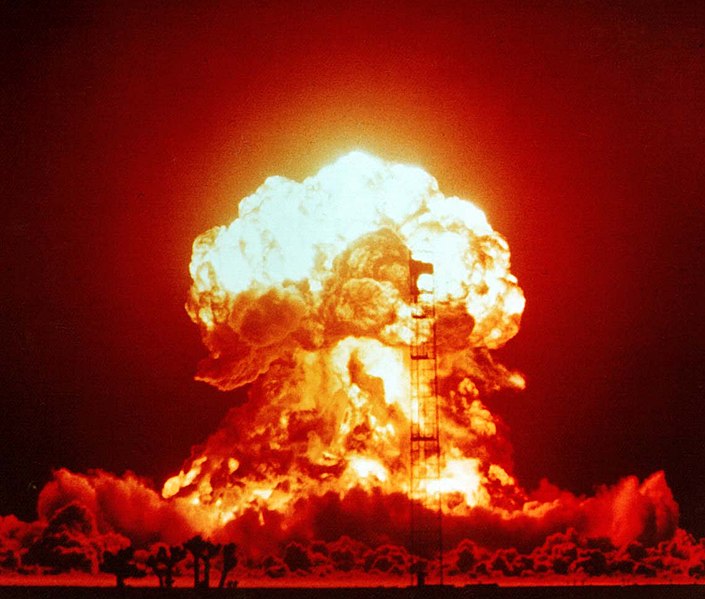
The Tsar Bomba, detonated by the Soviet Union in 1961, remains the most powerful explosive ever tested. With a yield of 50 megatons, it unleashed an energy equivalent to ten times the combined power of all the explosives used in World War II. While it was decommissioned, the Tsar Bomba is a grim reminder of the extreme destructive potential of nuclear weapons.
The DF-41 ICBM: China’s Nuclear Spear
The Dongfeng-41 (DF-41) is a Chinese intercontinental ballistic missile (ICBM) with a range capable of reaching the United States. Able to carry multiple independently targetable re-entry vehicles (MIRVs), the DF-41 represents a significant enhancement of China’s nuclear capabilities and a shift in the global strategic balance.
The USS Gerald R. Ford: A Floating Fortress
The USS Gerald R. Ford is the lead ship of the U.S. Navy’s latest class of aircraft carriers. With state-of-the-art technologies, including electromagnetic aircraft launch systems and advanced arresting gear, it can deploy some of the world’s most advanced aircraft. As a symbol of naval dominance, the aircraft carrier remains a significant force projection platform.
Conclusion: Power, Responsibility, and the Future of Warfare
The power of these military weapons is a sobering reminder of the potential devastation that modern warfare can inflict. While they represent remarkable technological achievements, their existence also underscores the importance of arms control, diplomacy, and efforts towards nuclear disarmament. As we move further into the 21st century, the dialogue surrounding these formidable weapons will continue to shape the course of global security and peace.
-
Mother Nature’s Masterpieces: Exploring the Most Beautiful Natural Wonders of the World


The Earth is an artist, her palette rich with stunning landscapes, breathtaking phenomena, and a diversity of life that continuously astounds. This article takes you on a journey through some of the most beautiful natural wonders of the world, exploring the science behind their formation and the magic they inspire.
The Great Barrier Reef: An Underwater Kaleidoscope
Spanning over 2,300 kilometers off the northeastern coast of Australia, the Great Barrier Reef is the world’s largest coral reef system. This underwater wonder is a vibrant tableau of coral formations, home to a dazzling array of marine life. Unfortunately, this UNESCO World Heritage site is under threat from climate change and pollution, highlighting the urgency of conservation efforts.
The Aurora Borealis: Nature’s Light Show
The Aurora Borealis, also known as the Northern Lights, is a celestial ballet of light dancing across the night sky. This natural phenomenon occurs when solar particles collide with gases in Earth’s atmosphere, producing a spectacle of green, red, yellow, blue, and violet. The best places to witness this natural wonder are in the high-latitude regions around the Arctic, including Norway, Iceland, and Canada.
The Amazon Rainforest: The Planet’s Lungs
The Amazon Rainforest, often referred to as the “lungs of the Earth,” is a sprawling testament to the planet’s biodiversity. This green ocean of trees spans nine countries and is home to an estimated 400 billion individual trees representing 16,000 species. The Amazon plays a crucial role in global climate regulation, but deforestation poses a significant threat to its health and survival.
The Grand Canyon: Earth’s Geological History Unveiled
Carved by the Colorado River over millions of years, the Grand Canyon is a geological wonder that reveals the Earth’s history layer by layer. This vast chasm stretches over 277 miles and reaches depths of over a mile. Its dramatic landscapes, showcasing an array of reds, oranges, and browns, offer a humbling perspective of time’s passage and nature’s sculpting powers.
Mount Everest: The Roof of the World
Standing at a staggering height of 8,848.86 meters, Mount Everest is the highest point on Earth. Located in the Himalayas, its snow-capped peak is a symbol of ultimate human endeavor, drawing mountaineers from around the world. The journey to its summit is a perilous one, underscoring the raw and indomitable beauty of nature.
Conclusion: The Majestic Palette of Nature
These stunning natural wonders are but a glimpse of Earth’s diverse beauty. Each one is a testament to the powerful geological processes that have shaped our planet over billions of years. Yet, they are also reminders of the environmental challenges we face. As we marvel at these natural wonders, let us also commit to their preservation, ensuring future generations can experience their breathtaking beauty.
-
Athletic Titans: The Most Impressive Sports Players in the World


The world of sports has given us countless awe-inspiring athletes, whose impressive feats on the field, court, track, or pitch have left indelible marks on their respective games. This article shines a spotlight on some of the most impressive sports players in the world, exploring their accomplishments and the qualities that set them apart.
Usain Bolt: The Lightning Sprinter
In the realm of track and field, few athletes have made an impact as significant as Usain Bolt. The Jamaican sprinter, aptly nicknamed ‘Lightning Bolt,’ is the fastest man in recorded history. His world records in the 100m and 200m sprints, set at the 2009 Berlin World Championships, still stand unbroken. Bolt’s unique combination of height, power, and speed revolutionized sprinting and left a lasting legacy.
Serena Williams: The Queen of the Court
In tennis, Serena Williams has etched her name among the all-time greats. With 23 Grand Slam singles titles under her belt, Serena’s powerful and precise game has dominated women’s tennis for over two decades. Her strength, determination, and resilience, both on and off the court, make her one of the most impressive athletes in sports history.
Lionel Messi: The Maestro of Football
Lionel Messi’s skills on the football pitch are nothing short of extraordinary. With his remarkable speed, agility, and precision, Messi has won multiple FIFA World Player of the Year awards. His ability to consistently perform at the highest level with FC Barcelona and now Paris Saint-Germain, coupled with his leadership in the Argentina national team, underscores his status as one of the most impressive players in football.
Simone Biles: The Gravity-Defying Gymnast
Simone Biles, the most decorated American gymnast, has redefined the sport with her gravity-defying routines. Her extraordinary power, precision, and creativity have earned her numerous World Championship and Olympic medals, including four Olympic golds. Biles has not only pushed the boundaries of gymnastics but also become a powerful advocate for athletes’ mental health.
LeBron James: The Basketball Phenom
LeBron James’s contributions to basketball extend beyond his exceptional skills as a player. Known for his versatility, athleticism, and high basketball IQ, James has won multiple NBA championships and MVP awards. His influence off the court, including his philanthropy and activism, further cements his place among the most impressive sports figures of his generation.
Conclusion: The Power of Athletic Excellence
These athletes represent the pinnacle of sporting excellence, captivating fans with their skill, tenacity, and dedication to their respective sports. Their contributions extend beyond their impressive statistics and trophies; they inspire millions worldwide, pushing the boundaries of what’s possible in sport and leaving lasting legacies. As we continue to celebrate and learn from these impressive sports players, we look forward to the emergence of future athletes who will redefine excellence in their own unique ways.
-
Living Among the Stars: A Hypothetical Journey Through Our Solar System
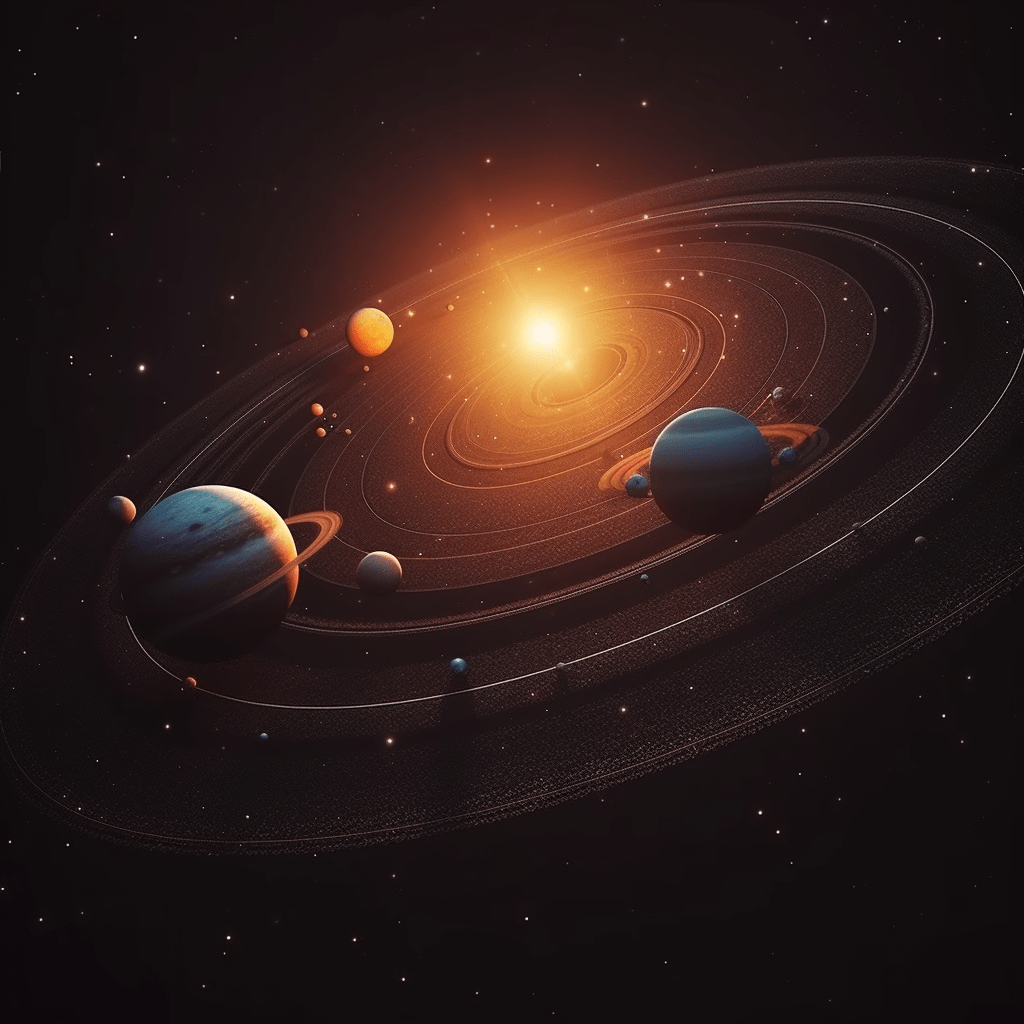

The dream of living beyond Earth has tantalized humans for centuries. But what would it really be like to live on other planets in our solar system? While we’re far from establishing colonies in space, scientific research allows us to make educated guesses about the challenges and opportunities of extraterrestrial living. This article takes you on a hypothetical journey through our cosmic neighborhood.
Mercury: The Solar Furnace
Living on Mercury, the closest planet to the Sun, would be a severe test of endurance. With temperatures swinging wildly from 800 degrees Fahrenheit (430 degrees Celsius) during the day to -290 degrees Fahrenheit (-180 degrees Celsius) at night, human survival would depend on advanced technology to provide stable living conditions. Mercury’s lack of atmosphere and low gravity also pose significant challenges.
Venus: The Sulfuric Hell
Despite being closer in size and composition to Earth than any other planet, Venus is incredibly hostile to life as we know it. Surface temperatures reach up to 900 degrees Fahrenheit (475 degrees Celsius), and the atmosphere is a crushing, toxic mix of carbon dioxide and sulfuric acid. To live here, we would need floating habitats in the planet’s upper atmosphere, where conditions are more Earth-like.
Mars: The Red Frontier
Mars, our next-door neighbor, is the most likely candidate for human colonization. With a day length and axial tilt similar to Earth’s, Mars offers familiar rhythms of life. However, with temperatures often dropping to -80 degrees Fahrenheit (-60 degrees Celsius), a thin atmosphere primarily of carbon dioxide, and cosmic radiation to contend with, life would be challenging. Still, ongoing research into terraforming and life-support technologies makes Mars a compelling prospect for future colonization.
Jupiter: The Gas Giant
Jupiter, the largest planet in our solar system, is a gas giant with no solid surface. Living on Jupiter would mean living in the clouds, with floating habitats or airships. However, Jupiter’s intense radiation, massive storms, and cold temperatures make it an inhospitable place for humans.
Saturn: The Ringed Beauty
Like Jupiter, Saturn is a gas giant without a solid surface. Its iconic rings, composed of ice and rock, would make for a spectacular sky view. However, Saturn’s extreme temperatures, violent storms, and high-speed winds present significant challenges for human habitation.
Uranus and Neptune: The Ice Giants
Uranus and Neptune, the ice giants, are the outermost of the solar system’s planets. They are composed of heavier volatile substances such as water, ammonia, and methane. The extreme cold, high winds, and super-pressurized interiors make them inhospitable for humans. However, their moons might offer more possibilities.
Conclusion: A Solar System of Possibilities
While this journey through our solar system paints a picture of inhospitable worlds, it’s important to remember that we’re continually advancing our understanding of these planets and our technological capabilities. As we look to the future, the prospect of extraterrestrial living continues to inspire scientists, innovators, and dreamers alike. Who knows what incredible new frontiers we may yet conquer as we reach further into the cosmos?
-
The Grim Reaper’s Grisliest Visits: Understanding the Worst Ways to Die


When it comes to the topic of death, most of us naturally shy away. Yet, there’s a morbid curiosity that draws us in, compelling us to understand the most terrifying prospects. This article investigates some of the worst ways to die, not for the faint-hearted, but for the purpose of education, prevention, and preparing us to face the inevitable with a little more knowledge and a little less fear.
Drowning: The Suffocating Depths
One of the most frightening prospects for many is drowning. Research suggests that the fear associated with this type of death is rooted in the sense of helplessness it induces, combined with the physical discomfort of asphyxiation. Drowning involves the painful struggle for air, eventually leading to unconsciousness and cardiac arrest. However, understanding water safety measures and basic swimming skills can significantly reduce the risk of such an event.
Burning: Fire’s Cruel Grip
Few things are as terrifying as the thought of dying in a fire. The intense heat, the choking smoke, and the unbearable pain make it one of the most agonizing ways to die. Beyond the physical pain, there’s psychological distress caused by fear and panic. Implementing fire safety practices at home and in the workplace is crucial to prevent such horrifying incidents.
Radiation Poisoning: The Invisible Killer
The horror of radiation poisoning was brought to global attention by nuclear disasters like Chernobyl and Fukushima. High doses of radiation cause Acute Radiation Syndrome (ARS), marked by nausea, vomiting, severe diarrhea, fever, and eventual death. The fact that radiation is invisible to the naked eye adds a layer of psychological terror to this form of death.
Falling: The Fear of Heights Realized
A fall from a significant height is a nightmare for many. The terror of the fall, followed by the catastrophic impact, makes it one of the worst ways to die. The anxiety caused by the anticipation of the impact intensifies the distress. Adhering to safety guidelines in high-rise buildings and mountainous terrains can help prevent such fatal accidents.
Crucifixion: A Slow and Painful Death
Though not a modern cause of death, crucifixion was one of the most brutal execution methods in history. Victims were left to die slowly from asphyxiation, exacerbated by dehydration and shock. The understanding of such historical practices underlines the evolution of humanity’s respect for life and dignity in death.
Conclusion: Facing the End with Understanding
While this article’s topic is undeniably grim, the intention is not to instill fear but to provoke thought. By exploring and understanding the worst ways to die, we can better appreciate life, respect its fragility, and take necessary precautions to protect ourselves and those around us. It also highlights the importance of a dignified and peaceful end, reinforcing the need for palliative care and compassionate end-of-life practices.
Death is a universal part of the human experience, and while we can’t usually choose how we exit this world, we can make decisions that influence our safety and well-being. Ultimately, embracing our mortality can lead to a fuller, more conscious experience of life.
-
The Deadliest Animals on Earth: A Look into Nature’s Most Lethal Creatures
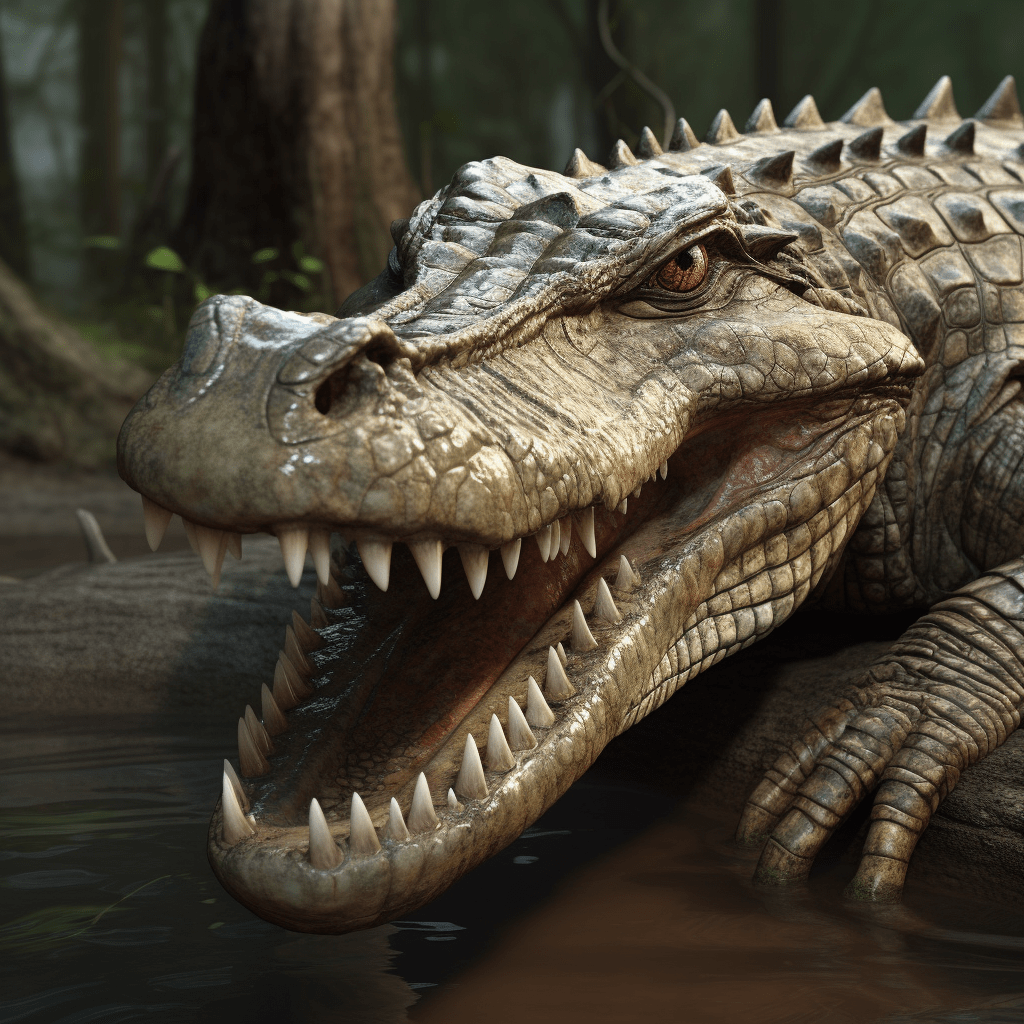
Nature is a complex tapestry of life, where beauty often comes hand in hand with danger. Among the countless species inhabiting our planet, certain animals stand out due to their lethal capabilities. This article delves into some of the deadliest animals on Earth, their unique characteristics, and the reasons behind their fearsome reputation.
The Power of Poison: The Box Jellyfish
Often considered one of the world’s most venomous creatures, the box jellyfish carries enough toxin to kill 60 humans. Inhabiting the warm coastal waters around the Pacific and Indian Oceans, their tentacles—covered with tiny, venom-filled darts—deliver a potentially fatal sting that can cause heart failure, paralysis, and death in minutes.
Venomous Royalty: The King Cobra
The King Cobra, the world’s longest venomous snake, can deliver a neurotoxic venom capable of killing a full-grown elephant. Found predominantly in forests from India through Southeast Asia, this snake’s bite can lead to paralysis and death due to respiratory failure.
The Invisible Killer: Mosquitoes
Despite their small size, mosquitoes are the deadliest animals on Earth. They are responsible for hundreds of thousands of deaths every year by transmitting diseases like malaria, dengue fever, and Zika virus. Their global presence and ability to spread disease make them a significant public health concern.
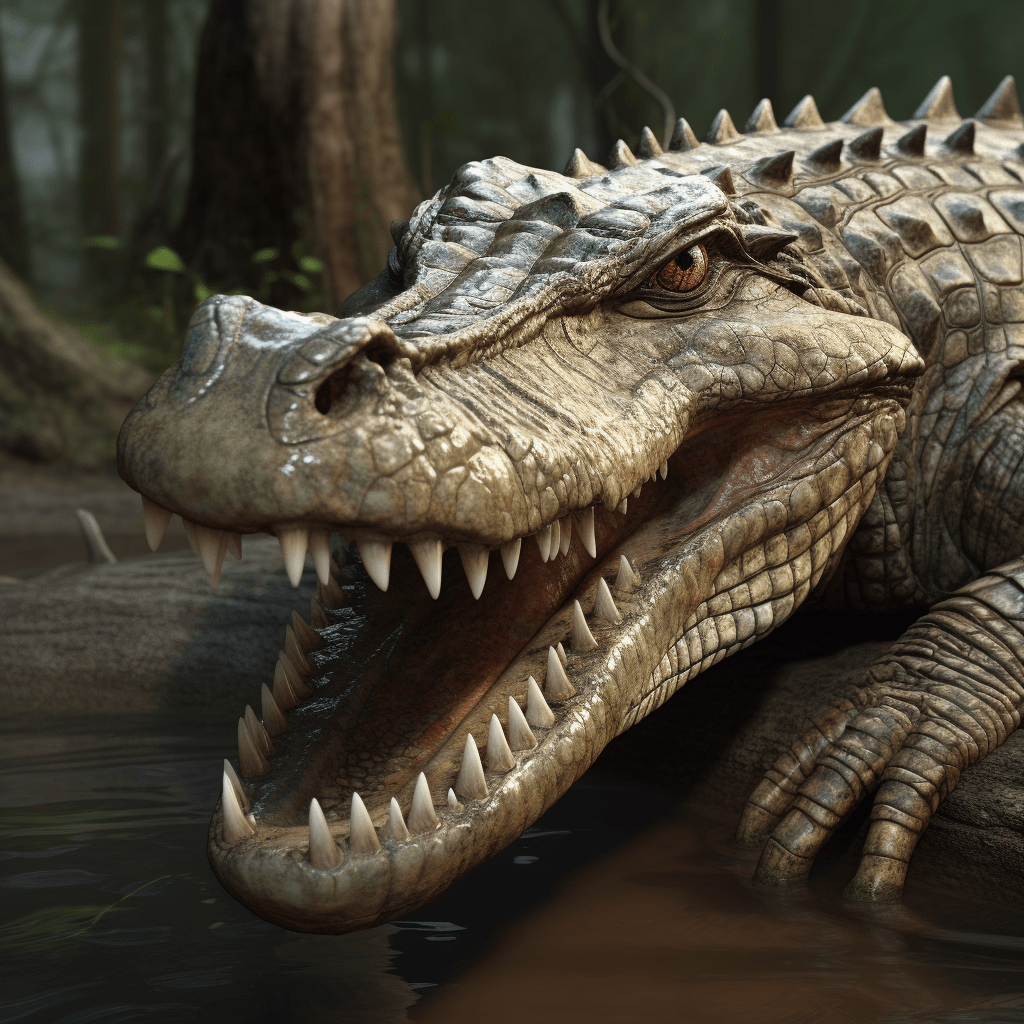
Underwater Stealth: The Saltwater Crocodile
The Saltwater Crocodile is the largest living reptile and an apex predator in its environment. They are known for their strength, speed, and ferocity. With a powerful bite and stealthy approach, they have been known to kill humans who venture too close to their aquatic habitats.
The African Terror: The Hippopotamus
Though they may appear docile, hippos are one of the most dangerous animals in Africa. They are highly aggressive and territorial, and with a bite force that can crush a small boat, they are responsible for an estimated 500 deaths per year in Africa.
Understanding the Danger
While these animals pose a significant threat, it’s essential to remember that they typically only attack when threatened or provoked. Respect for these creatures and their habitats can prevent most negative encounters. Furthermore, while the lethality of these animals is a cause for caution, it also highlights the incredible diversity and power of life on Earth.
Conclusion: Nature’s Deadly Wonders
The world’s deadliest animals remind us of the raw power and complexity of the natural world. They command our respect and curiosity, and their existence contributes to the delicate balance of our planet’s ecosystems. While they may inspire fear, understanding these creatures can also inspire awe and a greater appreciation for the myriad forms that life on Earth can take.
Wonder about your world…

Take the plunge down the rabbit hole of insanity and wonder in this fast-paced, nonstop psychological thriller that will leave you questioning the very nature of reality and beyond. Part thriller, part romance, part existential horror, A Dream of Waking Life delves into lucid dreaming, psychedelics, existential ontology, video games, the nature of love, the nature of reality, and more.

Mendel’s Ladder delivers an adrenaline-fueled journey set on a dystopian future Earth, brimming with high-stakes action, adventure, and mystery. This epic series opener plunges readers into a world filled with diverse cultures, heart-pounding battles, and characters who will captivate your heart and imagination.

“E.S. Fein is raising the bar for quality as it’s a very well-written and thought-provoking book…There are points and themes in the story that could be discussed for eons as people will have their own idea on where it leads. It’s a book I would highly recommend.” – Andy Whitaker, SFCrowsnest
 Wondergressive